In house remodeling, deciding between upscale and budget-friendly improvements is among the toughest yet most crucial decisions a homeowner has to make. This isn’t just a matter of personal preference; it’s a strategic financial decision. The average home renovation project costs between $18,000 and $38,000, with larger, more luxurious projects easily exceeding $100,000. Making the wrong choices can lead to overcapitalization, where the cost of the renovation exceeds the increase in home value, resulting in a poor return on investment.
There is a delicate balance between overspending on expensive embellishments that offer minimal return and investing sensibly in additions that increase both your standard of living and your home’s worth. For example, a minor kitchen remodel can recoup approximately 74.2% of its cost at resale, while a major, upscale kitchen remodel may only recoup around 53.5%. This is proof that spending more doesn’t always equate to higher returns. Choosing correctly between luxury and budget becomes crucial for making smart, long-term financial moves.
Here is an analysis of where to spend and where to economize based on industry recommendations.
Want to get 3D rendering for your interior design project?

George is a seasoned interior designer and property marketing strategist with over 13 years of experience. He specializes in transforming properties into visually stunning spaces, helping clients recognize the potential and beauty in each property. With an impressive international client base of exciting projects throughout Europe and America.
TALLBOX provides information for educational purposes only and does not offer financial advice; users should consult with qualified professionals before making any investment decisions. TALLBOX and George Nicola are not liable for any losses or damages incurred as a result of relying on the information provided.
George Nicola shares: In house remodeling, deciding between upscale and budget-friendly improvements is one of the toughest, yet most crucial, decisions a homeowner has to make. It’s a strategic financial undertaking, not just a matter of taste. The average home renovation project falls between $18,000 and $38,000, but larger, more luxurious projects can easily surpass $100,000.
Let’s say you plan to spend $100,000 on a renovation. How do you know if it’s enough to cover the luxury aspects you desire, or if you’re at risk of overspending and failing to recoup your investment? The answer lies in understanding the return on investment (ROI) of different renovation choices.
Making the wrong decisions can lead to overcapitalization – where the renovation cost exceeds the increase in home value, resulting in a net financial loss.

Where to spend money on renovation?
Kitchen

To create an elegant yet practical kitchen design, invest in smart kitchen technology (not smart home), sustainable materials, and efficient storage; examples: smart appliances, quartz countertops, modular cabinetry.
Smart Kitchen Technology
Invest in Wi-Fi-enabled ovens, AI-powered cooking systems, and touchless fixtures, if technological enhancements become essential. Transition to sustainability with the next focus area.
Energy Efficiency and Sustainability
Use energy-efficient appliances, natural materials, and reclaimed wood cabinetry, if eco-friendly choices drive design. Transition to optimizing storage and functional design.
Functional Storage and Design
Incorporate quality cabinetry, multi-purpose kitchen islands, and smart storage solutions, if clutter-free space becomes a priority. Transition to personalized aesthetics.
Personalized Aesthetics
Select bespoke cabinetry, statement splashbacks, and brass accents, if individual style influences design. In summary, integrating smart technology, sustainability, and efficient design creates a kitchen that enhances home value and daily living.
70-85% ROI. This involves things like replacing cabinet fronts, countertops (laminate, solid surface), sink, and flooring (vinyl, linoleum). It’s about refreshing the look and function without major structural changes.
55-75% ROI. This might include new semi-custom cabinets, a kitchen island, new appliances (not top-of-the-line), and updated countertops (granite, quartz).
50-60% ROI. This involves custom cabinetry, high-end appliances (Sub-Zero, Wolf, etc.), stone countertops, and potentially structural changes.
TIP from George: Do not make the mistake to splur on a single object in the kitchen and save on the rest as this will result in a visually jarring contrast, where the high-end item highlights the lower quality of the surrounding elements.
Bathroom
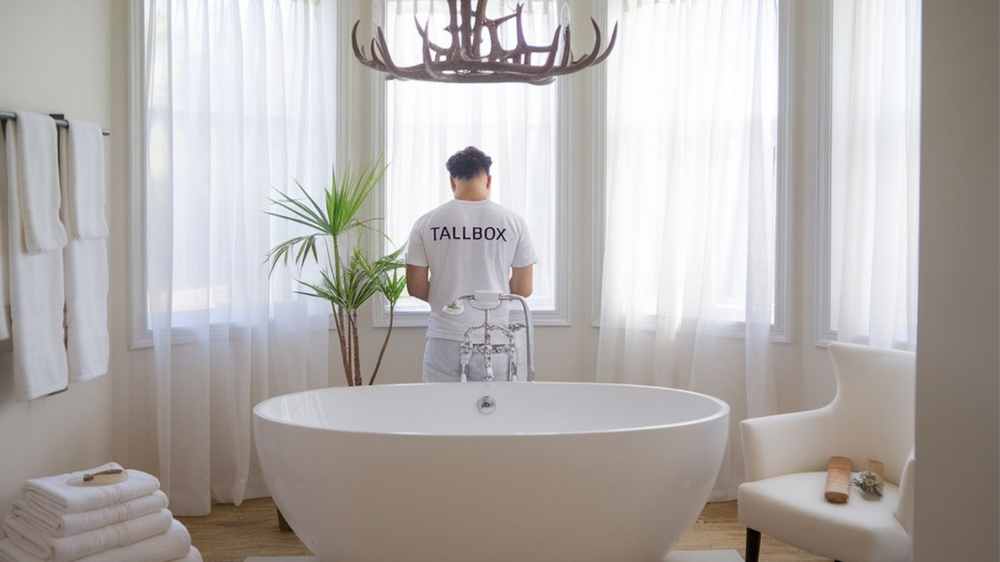
For bathrooms, concentrate on functional upgrades such as installing new plumbing or energy-efficient fixtures. In fact, go for a top-rated bathroom remodel in Long Island you can create a spa-like ambiance without luxury treatments like heated floors or freestanding bathtubs. Choose attractive but budget-friendly fixtures and lighting, and top it off with high-end tiles to give the space a polish.
Pro tip from George: Always hire licensed bathroom renovation contractors; and to that end, check if your contractor is licensed in your state.
60-75% ROI. This could include replacing the tub/shower, toilet, vanity, flooring (ceramic or porcelain tile), and fixtures.
50-65% ROI. This might involve expanding the bathroom, adding a separate shower and soaking tub, in-floor heating, custom vanity, and high-end fixtures.
55%-70%. This is a feature that is becoming more and more popular.
Roofing

Your roof is an investment in your home’s safety and longevity.
Your roof isn’t just a covering; it’s a vital component of your home’s overall health and a major factor in its resale value. Selecting the right roofing material involves balancing cost, durability, and aesthetics. High-quality asphalt shingles, particularly architectural shingles or laminate shingles, provide excellent protection against wind, rain, and UV damage, with lifespans typically ranging from 25-50 years. They are also relatively affordable, with average installation costs ranging from $5,000 to $12,000
While slate and clay tile roofs offer undeniable curb appeal and exceptional longevity (often 100+ years), they represent a significantly larger investment. Expect to pay two to three times more for installation, and factor in the potential need for reinforced roof decking due to their weight.
Concrete tiles offer a more budget-friendly alternative to clay, mimicking its appearance with slightly lower durability. Metal roofing, including standing seam metal roofs and metal shingles, provides another durable, energy-efficient option with a modern aesthetic and a lifespan of 40-70 years, though at a higher price point than asphalt shingles.
60-70% ROI. This is a standard, cost-effective roofing material.
50-65% ROI. Metal roofs are more durable and energy-efficient, but have a higher upfront cost.
A standing seam metal roof replacement involves removing an existing roof (which may or may not be a standing seam metal roof already) and installing a new standing seam metal roof system. It’s contemporary type roof where most new build houses get on.
Flooring
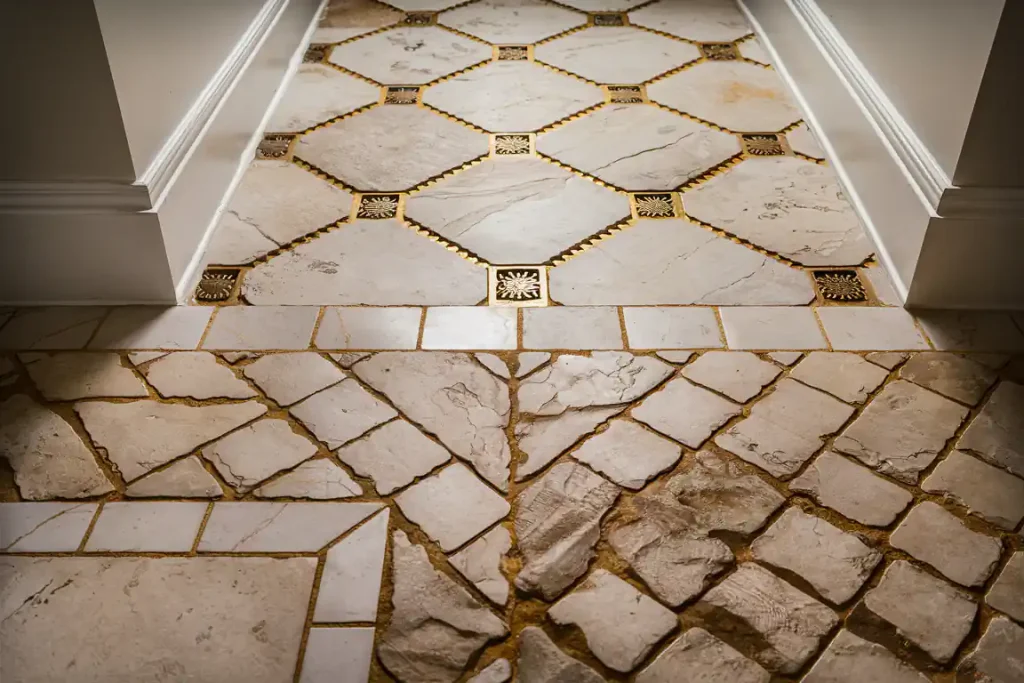
While hardwood and tile never go out of style, don’t forget about low-maintenance, durable options like engineered hardwood or luxury vinyl plank (LVP), which are affordable and simple to clean. In high-traffic zones such as the entrance, you can splurge on luxury materials, but in less trafficked rooms, use lower-cost materials.
Energy Efficiency
Functional upgrades such as insulation and energy-efficient windows are a necessary investment that save on energy expenses. Solar panels or smart home automation systems may be desirable but tend to be more than what is needed. Ensure that your house is well-insulated and has effective windows before spending money on new-fangled technology.
Where to Save money on renovation?
Outdoor Features
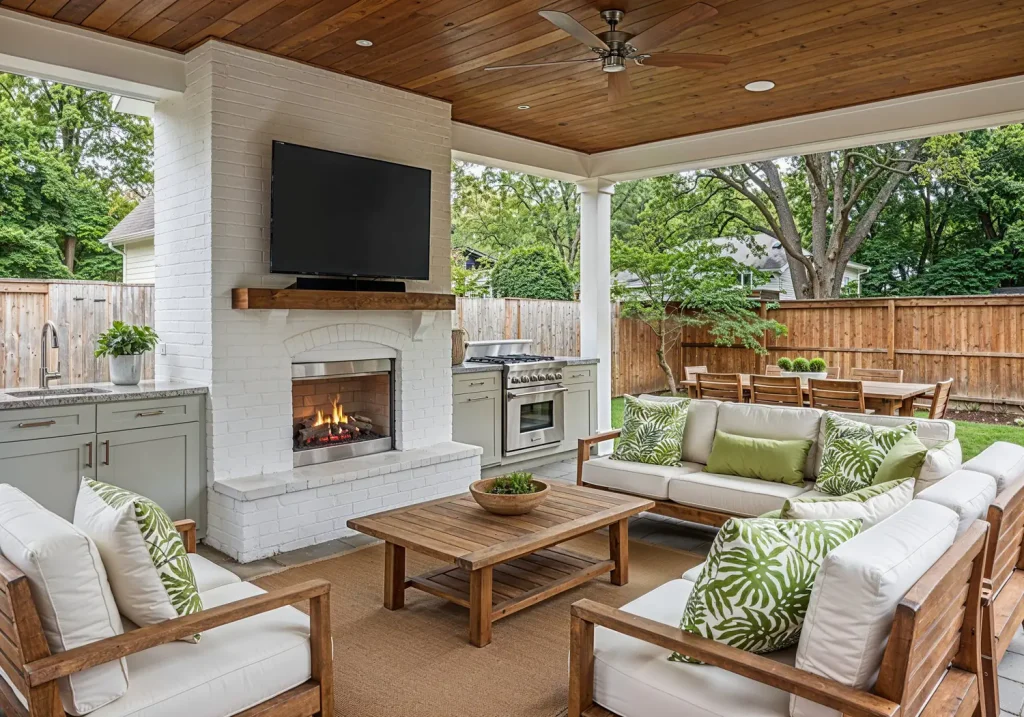
Lavish outdoor features have low ROI (typically under 50% for elaborate features). A well-maintained lawn and basic patio have a much better return than a high-end outdoor kitchen.
Whereas outdoor areas do pay, lavish amenities such as water fountains, gourmet kitchens, or elaborate landscaping are rarely worth the expense. Instead, prioritize keeping the lawn tidy, plain but useful seating areas, and weather-resistant decking or patio materials. After a certain period of time, then you can invest additionally in features that are trending in your local real estate market, focusing on upgrades that are likely to appeal to potential buyers should you decide to sell.
Smart Home Features
Smart home technology is tempting, but most luxury smart systems tend to be overkill. Rather, have a few core systems available, like a smart thermostat or security cameras, which provide capability without the expense of a full-automated home.
Fixtures and Hardware
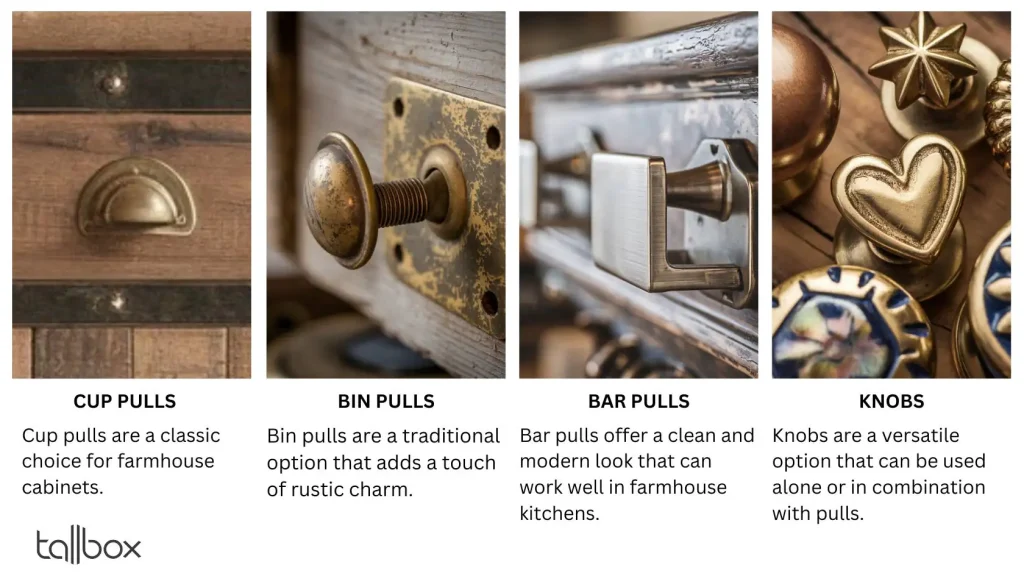
Expensive fixtures like faucets or cabinet handles may be an instant solution to a room’s luxurious look but are not a requirement. Do not make the mistake to buy expensive hardware upfront only to find that there is not enough money for essential structural repairs, updated plumbing, or proper electrical work, which are far more critical to the home’s functionality and long-term value. Opting for affordable but stylish options gives you the flexibility to enhance your home without going overboard on every aspect, plus you can change them at any time.
Cosmetic Touches

When it comes to cosmetic finishes, such as paint, wallpaper, or decorative trim, you can usually find affordable, appealing options that deliver a high-end look without the high-end price tag.
Instead of automatically reaching for designer brands, consider well-regarded, budget-friendly paint lines like Behr Premium Plus or Valspar Signature. Explore removable wallpaper options from companies like Tempaper or Chasing Paper for a stylish, commitment-free update. Concentrate on color schemes and textures – perhaps a trending greige or a bold navy blue accent wall, paired with textured elements like grasscloth wallpaper or shiplap paneling – that suit your personal taste and create a cohesive design, rather than relying solely on expensive materials.
Conclusion
Renovating your home is a delicate balance between luxury and frugality. Though some areas undoubtedly call for splurging, others are better served by thought-out, cost-effective choices.
And for doing so, the importance of choosing the right remodel general contractor can’t be overstated. They will help you prioritize durability, use, and lasting value, and get clever about where to spend your money. With planning, you can create your space into a stunning and functional home no matter what the size of your wallet.
FAQs: Luxury vs. Budget Renovations
What is the difference between luxury and budget renovations?
Luxury renovations generally include high-end materials, upscale finishes, and cutting-edge technologies, intended to produce a luxurious or high-performance living environment. Budget renovations emphasize functional and aesthetic improvements with budget-friendly materials, without compromising on quality, but without the luxury features and finishes of more expensive alternatives.
Where should I spend the most money on a renovation?
The top areas to spend money on are the kitchen, bathroom, roof, and energy-efficient upgrades. These areas have the best return on investment (ROI) and will significantly enhance your home’s functionality and worth. Most notably, long-lasting, high-quality materials in the kitchen and bathroom will be worth the initial investment.
Can I do my home renovation on a budget and still make it luxurious?
Yes! Choose affordable alternatives such as quartz countertops, engineered hardwood floors, and mid-range fixtures. Emphasis on good design decisions, paint colors, and clever storage can also provide your space with a luxury look without the luxury price.
What are the most costly elements of home renovations?
The most expensive parts of remodeling are structural alterations (such as roof work or foundation), luxury kitchen and bath remodels, custom cabinets, and upscale finishes such as marble or sophisticated home automation. They can very quickly inflate your cost, so decide wisely where to indulge.
Are smart home technologies worth the investment in a renovation?
Smart home systems can be convenient and efficient, but they’re usually not a necessity for the average homeowner. If you have limited funds, prioritize functional technology solutions such as smart thermostats and security cameras. Leave more sophisticated systems (such as home automation or voice-controlled lighting) for when your budget permits.
How do I choose between luxury and budget renovation options?
Think about what matters most to you, be it resale value, long-term usability, or looks, and choose upgrades based on how much each will contribute to your home. Balance the use of premium materials against affordable ones, and consider that small improvements in the correct locations can pay big dividends.
Before attempting anything, make sure your project is up-to all building codes for your area, below are some of the most common you might face.
Do you kneed to hire a designer when renovating?
No, you do not need to hire a designer when renovating, but whether or not it’s a good idea depends on several factors.
Here’s a breakdown of the pros and cons, and when a designer might be beneficial:
When you might NOT need a designer:
-
Small, Simple Projects: If you’re doing a very straightforward project, like painting a single room, replacing a single fixture, or updating cabinet hardware, a designer is likely unnecessary. These are tasks most homeowners can handle themselves with a little research.
-
Clear Vision and DIY Skills: If you have a very clear vision for what you want, strong DIY skills, and a good understanding of design principles (color theory, space planning, etc.), you can probably manage the project yourself.
-
Tight Budget: Designer fees can add a significant cost to a renovation project. If your budget is extremely tight, you might prioritize spending that money on materials and labor instead.
-
Cosmetic Updates Only: If you’re primarily making cosmetic changes (paint, wallpaper, furniture, decor) and not altering the structure or layout of the space, a designer’s expertise might not be essential.
-
Using pre-design spaces: Some contractors do not charge extra when providing a 3D design based on an already created template.
When you SHOULD consider hiring a designer:
-
Large, Complex Projects: If you’re undertaking a major renovation, such as a whole-house remodel, a kitchen or bathroom overhaul, or an addition, a designer can be invaluable. They can help with space planning, material selection, project management, and ensuring a cohesive design.
-
Structural Changes: If you’re moving walls, changing the layout of rooms, or making any structural alterations, a designer (often in collaboration with an architect or structural engineer) is highly recommended. They can ensure the changes are safe, functional, and aesthetically pleasing.
-
Lack of Design Confidence: If you feel overwhelmed by design choices, struggle to visualize the final result, or simply don’t have a strong sense of style, a designer can guide you through the process and help you create a space you love.
-
Time Constraints: If you have a busy schedule and don’t have the time to dedicate to researching materials, coordinating contractors, and managing the project, a designer can handle these tasks for you.
-
Specific Style or Aesthetic: If you’re aiming for a very specific style (e.g., mid-century modern, minimalist, traditional) or have a unique design vision, a designer with expertise in that area can help you achieve it.
-
Maximizing ROI: A well-designed renovation can significantly increase your home’s value. A designer can help you make choices that will appeal to potential buyers and maximize your return on investment.
-
Avoiding Costly Mistakes: Designers can help you avoid costly mistakes by ensuring that materials are ordered correctly, that the design is functional and practical, and that the project stays on budget and on schedule.
-
Access to Trade Discounts: Designers often have access to trade discounts on furniture, fixtures, and materials, which can help offset their fees.
-
Permits: A designer is more qualified to get the correct permits.
Types of Designers:
It’s important to understand that there are different types of design professionals, and their roles and fees can vary:
-
Interior Designer: Focuses on the aesthetics and functionality of interior spaces. They can help with space planning, material selection, furniture and decor choices, and overall design concept.
-
Interior Decorator: Primarily focuses on the decorative aspects of a space, such as paint colors, furniture, fabrics, and accessories. They typically don’t handle structural changes.
-
Architect: A licensed professional who designs buildings and spaces, including structural elements. They are essential for projects involving significant structural changes.
-
Design-Build Contractor: A contractor who also offers design services. This can be a convenient option for some projects, but it’s important to ensure they have strong design skills and experience.
-
Kitchen and bath designers : Some contractors offer this service for free, if they get to build.
In summary: Hiring a designer is a personal decision based on your project’s scope, your budget, your design skills, and your time availability. If you’re undertaking a major renovation, lack design confidence, or are short on time, a designer can be a worthwhile investment. For smaller, simpler projects, you might be able to manage without one. Carefully weigh the pros and cons and choose the option that best suits your needs.