What comes first when building a new home?
The entire process of building a new home starts with thorough planning and design. This initial phase lays the groundwork for all subsequent steps in the construction process.
For example, prospective homeowners typically begin by determining their needs, budget, and desired features. They may collect inspiration from existing homes, architectural styles, and interior design ideas. This information is then used to create a preliminary design concept, often in collaboration with an architect, home designer, and a custom home builder.
To achieve the best outcome from this planning stage, it’s crucial to consider factors such as the building site’s characteristics, local zoning laws, and building codes. Homeowners should also think about long-term goals, energy efficiency, and potential future needs to create a design that will serve them well for years to come.
The planning and design phase sets the tone for the entire project, influencing everything from material choices to construction timelines. It helps identify potential challenges early on, allows for more accurate cost estimates, and ensures that the final result aligns with the homeowner’s vision and requirements.

George is a seasoned interior designer and property marketing strategist with over 13 years of experience. He specializes in transforming properties into visually stunning spaces, helping clients recognize the potential and beauty in each property. With an impressive international client base of exciting projects throughout Europe and America.
Essential First Steps for Custom Construction
Building a new home from scratch can be an exciting yet complex journey. It allows you to create a living space that perfectly fits your needs and desires. Many people choose this path when they can’t find their ideal home on the market or want something uniquely theirs.
To start a new home build, you’ll need to select a plot of land, choose a floor plan, and assemble a team of professionals. This process involves many steps, from clearing the work site to completing final inspections. While it may seem daunting at first, breaking it down into manageable tasks can make the experience more enjoyable and less stressful.
1) Hire an Architect
An architect can be a valuable partner when building a new home. They bring expertise in design, planning, and construction to your project.
Architects help turn your ideas into reality. They create detailed plans and drawings for your new home. These plans guide the construction process and ensure everything meets building codes.
When looking for an architect, start by asking for recommendations. Friends, family, or local builders may know good architects in your area. You can also search online for architects who specialize in residential projects.
Set up meetings with a few different architects. Ask to see examples of their past work. This helps you find someone whose style matches your vision.
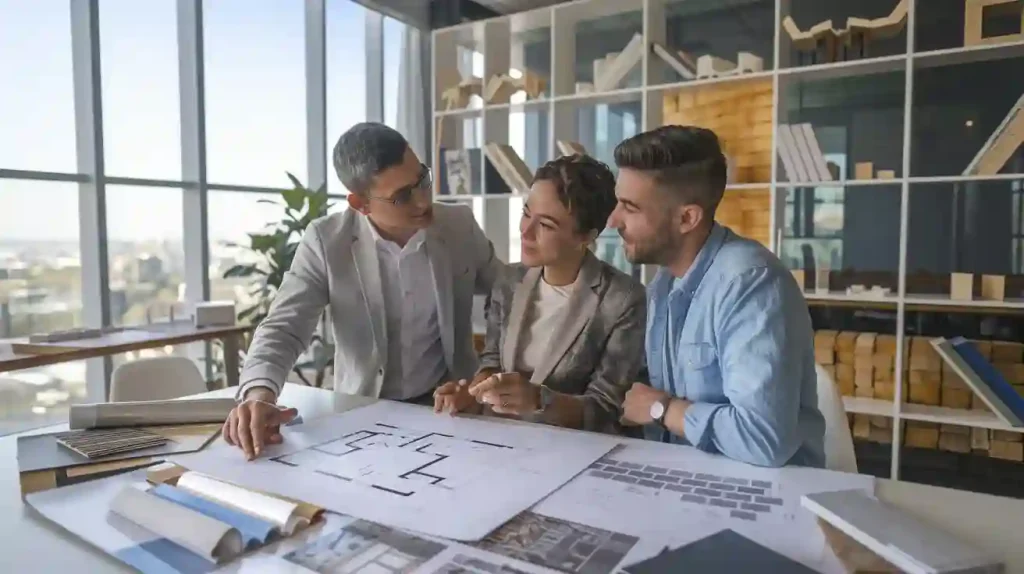
During these meetings, discuss your budget and timeline. A good architect will be upfront about costs and how long the project might take. They should also explain their fee structure clearly. For new homes, architects typically charge between 8% to 18% of the total construction cost. For a $300,000 project, this would be $24,000 to $54,000. Architects may charge $50 to $120 per hour, with rates varying by state. For renovations and extensions, fixed fees can range from $2,000 to $4,400 depending on the state
Make sure you feel comfortable communicating with the architect you choose. Building a home is a big project, so you’ll be working closely together for months.
Hiring an architect is an investment. Their expertise can save you money and hassle in the long run by avoiding costly mistakes during construction.
GET A 3D RENDERING
Getting a 3D rendering of your new home provides a realistic visual representation of the final product before construction begins. This step can help you refine your design choices and catch potential issues early in the process.
For example, a 3D rendering might reveal that the planned kitchen layout feels cramped when visualized in 3D, allowing you to adjust the design before construction begins. Or it could show that the exterior color scheme you chose doesn’t quite match your vision, giving you the opportunity to explore different options virtually.
To achieve the best outcome from getting a 3D rendering, provide as much detail as possible to the rendering artist or software. This includes precise measurements, material specifications, and even furniture placement for interior renderings. Be open to making changes based on what you see in the rendering – it’s much easier and less expensive to make adjustments at this stage than during construction.
3D renderings are powerful tools that bridge the gap between imagination and reality in home design. They allow you to “walk through” your future home, fine-tune details, and make informed decisions about everything from layout to finishes. This visual preview can increase your confidence in the design and help ensure that the final built home aligns closely with your vision.
2) Set a Realistic Budget
Setting a realistic budget is a key step when planning to build a new home. Start by calculating your total monthly income from all sources, including paychecks and any extra earnings.
Next, list out your monthly expenses. This should cover things like food, transportation, and savings. Don’t forget to include potential new costs that come with homeownership.
Consider one-time expenses for your new build. These might include the down payment, closing costs, and fees for permits or inspections. Factor in the cost of land if you need to purchase it separately. A good option to investigate is to buy land and house package. This could provide you with a more convenient and potentially cost-effective way to secure both the land and the construction of your new home. Be sure to carefully weigh the pros and cons of this option, and consult with a real estate professional for guidance.

Think about ongoing costs too: property taxes, homeowners insurance, and regular maintenance will be part of your new budget. It’s smart to set aside money each month for unexpected repairs.
Get estimates from builders for the type of home you want. This will give you a ballpark figure for construction costs. Remember to account for any custom features or high-end finishes you desire.
Be prepared for extra expenses. Building projects often have surprise costs, so it’s wise to add a buffer to your budget. This can help avoid financial stress if unexpected issues arise during construction.
3) Choose the Right Location
The location of your new build home is a key decision. It affects your daily life and future home value. Start by thinking about your lifestyle needs and preferences.
Consider the commute to work and school. Look at nearby amenities like shops, parks, and restaurants. Check the quality of local schools if you have or plan to have children.
Safety is important too. Research crime rates in the area. Look into future development plans that could change the neighborhood.
Think about the lot itself. Does it offer the views or privacy you want? Make sure it’s the right size for your home and any outdoor spaces you desire.
Don’t forget about resale value. Popular locations tend to hold their value better over time. A good location can make your home more attractive to future buyers.
Visit potential areas at different times of day. This helps you get a feel for traffic, noise levels, and neighborhood activity. Talk to locals if you can to learn more about the area.
Remember, you can change many things about a house, but you can’t change its location. Take your time to find the right spot for your new build home.
4) Find a Reliable Builder
Picking the right builder is key to a successful home build. A good builder can make the process smooth and result in a high-quality home. Take time to research and vet potential builders carefully.
Researching Contractors
Finding the right home-building contractor is a job on its own. You’re not just looking for someone with a hammer and nails – you’re searching for a partner who can turn your dream home into reality. To explain better, let’s use two examples below.
For example, consider Sarah in Brisbane and Mike in Ontario. Sarah kickstarted her search by chatting up locals at her neighborhood café, scoring a tip about a builder who’d recently completed a gorgeous Queenslander nearby. Meanwhile, Mike dove into the bustling world of home shows, meeting builders face-to-face and getting a feel for their communication styles.
To achieve the best results in your contractor search, cast a wide net. Start with word-of-mouth recommendations, but don’t stop there. Look into online reviews, keeping in mind that they’re just one piece of the puzzle. A builder’s portfolio and track record often tell the real story.
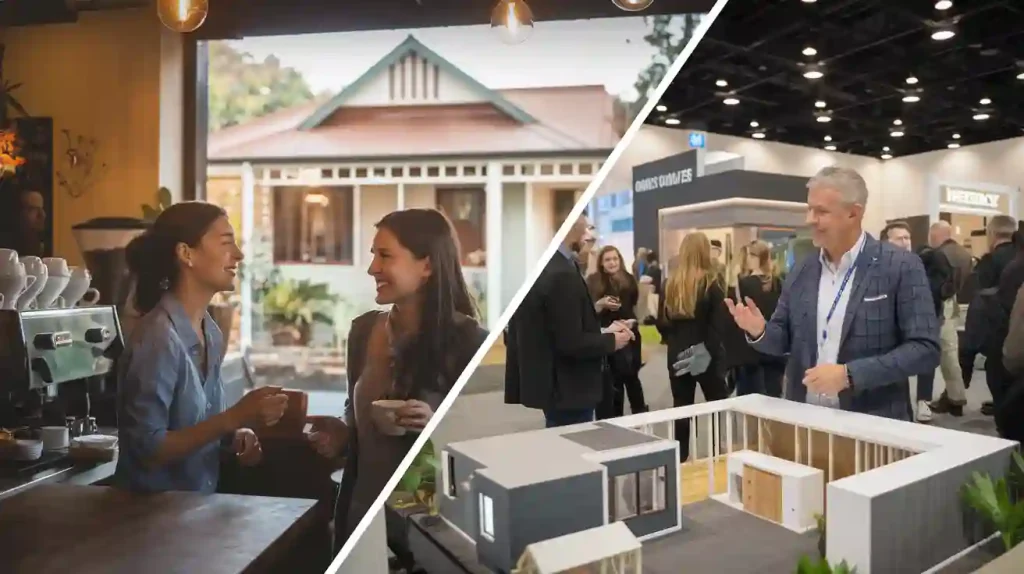
To turn back to the example with when Sarah in Brisbane started her search, she began by asking around at her local coffee shop for new home builders in Brisbane. Word-of-mouth recommendations can be gold. She heard about a builder who had recently completed a stunning Queenslander-style home just a few streets over. Intrigued, Sarah decided to take a closer look.
To get the best outcome from your builder search, it’s smart to follow Sarah’s lead. Start in your own community, but don’t stop there. Check out online reviews, but remember to take them with a grain of salt. A builder’s portfolio and track record speak volumes
Face-to-Face, Checking Credentials and Reviews
In Ontario, Mike took a slightly different approach. He attended a local home show where he could meet multiple builders face-to-face and check credentials. This gave him a chance to ask questions directly and get a feel for each builder’s communication style. Mike found this particularly helpful in narrowing down his options.
Whether you’re dealing with Brisbane’s subtropical climate or Ontario’s harsh winters, you’ll want a builder who understands local conditions. In Brisbane, look for experience with cyclone-resistant designs and effective cooling systems. In Ontario, energy-efficient heating and insulation should be top priorities.
5) Secure Financing
Getting money for a new home build is a big step. Many people choose a construction-to-permanent loan. This type of loan covers both building costs and changes into a regular mortgage when the house is done. This step is 5th in this list; in reality, it is earlier, and your budget should form around when you meet your architect and crystalize further when you talk to a builder.
Another option is a construction-only loan. It pays for building the house. Once the house is finished, you’ll need a separate mortgage to pay off this loan.
Some folks use their savings or sell assets to pay for part of the build. This can lower the amount they need to borrow.
It’s crucial to explore your options when it comes to loans. Different lenders may offer varying rates and terms, so getting pre-approved for a loan can give you a clear understanding of your financial boundaries when building your new home.
Budget for extra costs. Building often comes with surprise expenses. Having some extra funds set aside can help avoid stress during the build process.
6) Choose Your Home Design
Picking a home design is an exciting step in building a new house. Many people start by looking at Smallhouseplan.com online or in home design magazines. This helps them get ideas for layouts and styles they like. This helps them get ideas for layouts and styles they like.
Some builders offer pre-made floor plans to choose from. Others work with clients to create custom designs. Either way, it’s important to think about how the family will use the space.
Consider the number of bedrooms and bathrooms needed. Think about the kitchen layout and if an open concept design is preferred. Don’t forget outdoor areas like porches or patios.
Energy efficiency is another key factor in modern home designs. Look into options for better insulation and eco-friendly features.
The home’s exterior style matters too. Popular choices include craftsman, ranch, and contemporary designs. Pick a style that fits personal taste and the neighborhood.
Remember to check local building codes. They may affect what can be built on the property. Working with a professional architect or designer can help navigate these rules.
7) Get Necessary Permits
Building a new home requires getting the right permits. These permits make sure your home meets local rules and safety standards.
Most areas need permits for new home construction. You’ll likely need permits for the main build, electrical work, plumbing, and more.
Contact your local building department to find out what permits you need. They can give you a list and explain the process.
Getting permits takes time and costs money. Plan for this in your budget and timeline. Permit fees vary but can be several thousand dollars for a new home.
Don’t skip getting permits. Building without them can lead to fines, legal issues, or having to redo work. It can also cause problems when selling your home later.
Your builder or contractor often handles permit applications. But as the homeowner, you’re responsible for making sure all permits are in place.
Keep all permit paperwork safe. You may need it for inspections during the build or when you sell your home in the future.
8) Plan for Future Needs
When building a new home, it’s smart to think about what you might need in the years to come. Consider adding extra space that can be used as your family grows or your lifestyle changes.
A flexible room on the ground floor could become a home office, guest bedroom, or playroom. Think about wider doorways and hallways that can fit a wheelchair if needed.
Including extra electrical outlets and cable hookups gives you options for future tech upgrades. Planning for solar panels or an electric car charger can save you money down the road.
If you might want to age in place, consider a main floor master bedroom. Reinforced bathroom walls allow for grab bars to be added later on.
Building with high-quality, long-lasting materials can reduce future maintenance and repairs. Energy-efficient features like good insulation and quality windows can lower bills for years to come.
By planning ahead, you can create a home that meets your needs now and adapts as your life changes. This forward-thinking approach can save you time and money on future renovations.
9) Select Quality Materials
Quality materials can save money on maintenance and repairs in the long run. They also help lower energy bills and keep the house looking nice.
Start with a strong foundation. Some builders now use waterproofing techniques to protect against groundwater. This can prevent future issues with moisture in the basement or crawl space.
For the main structure, pick durable options that suit the local climate. This might include weather-resistant siding, a long-lasting roof, and energy-efficient windows.
Inside the home, select materials that combine beauty and function. Flooring should be able to handle daily wear and tear. Countertops need to resist stains and scratches.
Don’t forget about unseen materials like insulation and vapor barriers. These play a big role in comfort and energy use. Ask the builder about their choices for these hidden but important elements.
When picking finishes, think about how they’ll hold up over time. Paint, fixtures, and hardware should be able to withstand regular use without losing their appeal.
10) Prepare for Construction Delays
Building a new home often takes longer than expected. Many factors can slow down the process. Bad weather, supply shortages, and worker availability can all cause delays.
It’s smart to add extra time to your planned timeline. This helps avoid disappointment if things take longer. Talk to your builder about possible hold-ups and how to handle them.
Keep some flexibility in your schedule. You might need to adjust move-in dates or extend temporary living arrangements. Having a backup plan can reduce stress if delays happen.
Stay in touch with your builder throughout the process. Regular daily or weekly updates can help you stay informed about progress and potential issues. This way, you can plan ahead and make necessary adjustments.
Remember that delays are common in homebuilding. Staying patient and understanding can make the experience smoother for everyone involved. With good communication and planning, you can manage delays more effectively.
11) HIRE construction manager
Hiring a construction manager can streamline the building process and ensure your new home project stays on track. A construction manager oversees the day-to-day operations of the build, coordinating between various contractors and keeping the project on schedule and within budget
For example, a construction manager might catch a potential issue with the foundation plans before work begins, saving time and money on costly repairs later. They could coordinate the timely arrival of materials and labor, ensuring that electricians arrive right after the framing is complete, minimizing downtime.
To achieve the best outcome from hiring a construction manager, clearly communicate your expectations and priorities for the project. Establish regular check-ins and decide on a preferred method of communication. Be open to their expertise and suggestions, as they often have valuable insights gained from working on many similar projects.
A skilled construction manager serves as your eyes and ears on the job site, advocating for your interests and helping to bring your dream home to life. Their expertise can be particularly valuable for first-time home builders or those undertaking complex projects, providing peace of mind and professional oversight throughout the construction process.