George is a seasoned interior designer and property marketing strategist with over 13 years of experience. He specializes in transforming properties into visually stunning spaces, helping clients recognize the potential and beauty in each property. With an impressive international client base of exciting projects throughout Europe and America.
Owning a waterfront residence has always been a dream for many, offering picturesque views and a serene lifestyle. The allure of living by the water can be incredibly strong, with benefits that include both emotional satisfaction and potential financial gains. The crucial question is: Are these homes worth the high cost and possible drawbacks?

Waterfront properties often come with a hefty price tag, not just for the house itself but for the land it’s on. This premium location offers a sense of exclusivity and tranquility that is hard to find elsewhere. While the initial expense can be high, many see it as a worthwhile investment due to the potential for property value appreciation over time.
However, buyers must also consider the potential downsides. Maintenance costs can be higher due to the wear and tear from water exposure. Additionally, insurance rates for these homes can be steeper, reflecting the increased risk of flood damage. Understanding the balance between these pros and cons is key to deciding if a waterfront residence meets both your lifestyle desires and financial goals.
Who buys waterfront properties?
Waterfront property buyers can vary depending on the location, type of water body (ocean, lake, river), and local market, the common thread is that these buyers are often seeking a luxurious, relaxing lifestyle near the water and have the financial means to afford it.
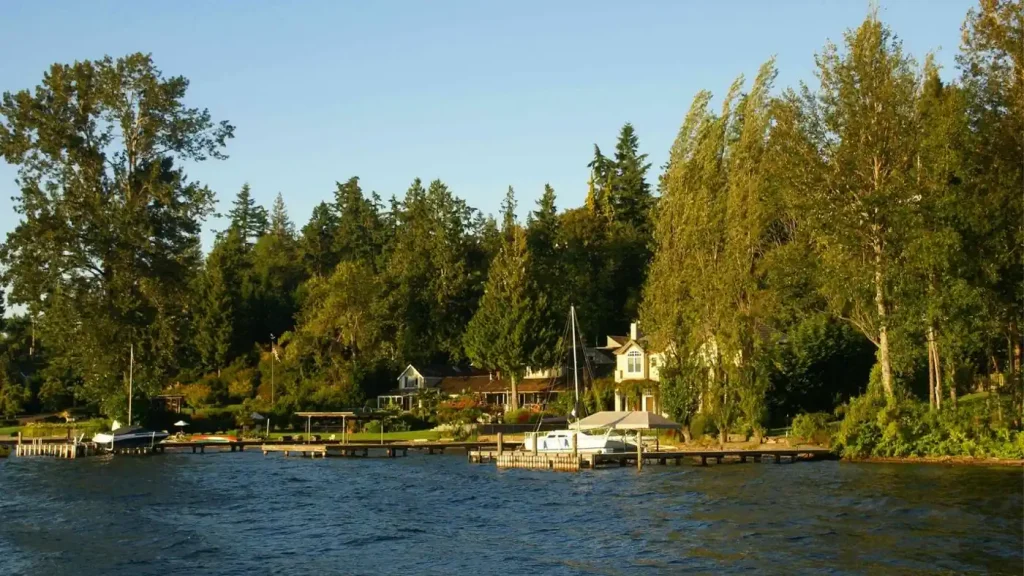
Waterfront properties are typically purchased by a variety of buyers, including:
- Affluent individuals: Waterfront properties are often more expensive than inland homes, so they tend to attract wealthy buyers who can afford the premium.
- Vacation home buyers: Many people purchase waterfront properties as second homes or vacation homes to enjoy during holidays and weekends.
- Retirees: Some retirees choose to purchase waterfront properties to enjoy a relaxed lifestyle near the water during their retirement years.
- Investors: Waterfront properties can be attractive investments due to their potential for high rental income and long-term appreciation.
- Boating and water sports enthusiasts: People who enjoy boating, fishing, swimming, and other water activities may be drawn to waterfront properties for easy access to these pastimes.
- Nature lovers: Waterfront living often provides a closer connection to nature, attracting buyers who appreciate beautiful views and wildlife.
- Developers: In some cases, developers purchase waterfront land to build and sell new homes or condominiums.
Waterfront Property Values
Several factors need to be considered to determine the worth of a lake, sea or river property accurately.
Location: Location plays a significant role. Homes near the coast, especially those within 500 feet, often see a substantial increase in value. For instance, properties very close to the coast can see their values increase by an estimated 101.9% compared to homes further away. Even properties up to 1,000 feet away can still experience substantial value boosts.
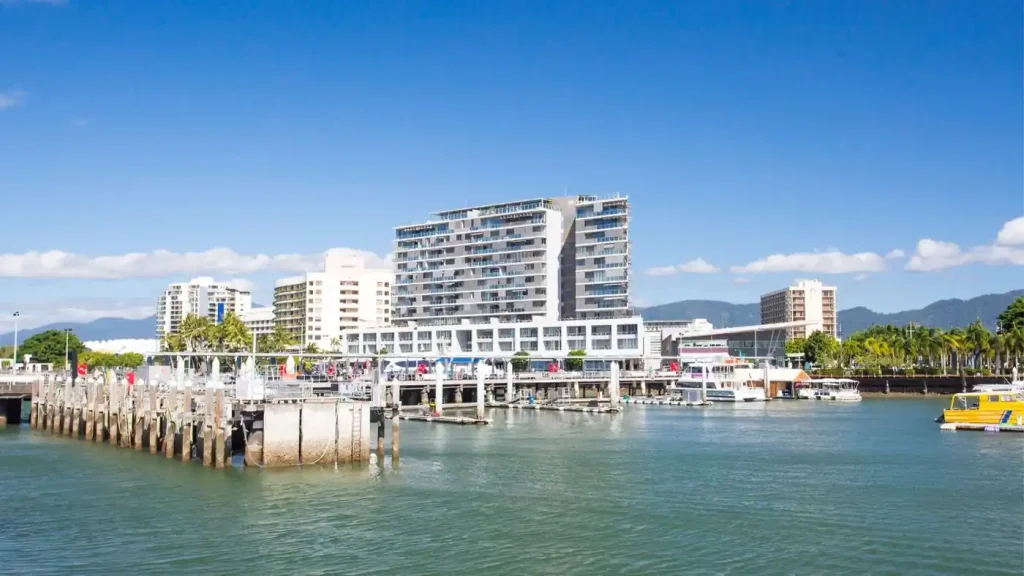
View: View is another major factor. The value of a waterfront home can be influenced greatly by the quality of the view. This includes both width (the distance from left to right) and depth (how far into the distance one can see).

Access: Access to the water and home is essential. Properties with easy, direct access to both tend to be more valuable. This can include having a private dock or a gently sloping path.
Here are three key factors that can influence the value:
- Water View: Quality and clarity of the view.
- Location: Proximity to the water and the general desirability of the area.
- Access: How easy it is to reach the water and the home.
These factors combined contribute to the overall value of waterfront properties. Evaluations should always include a detailed look at each of these elements to give a complete picture of the property’s worth.
Benefits of Waterfront Residences
Waterfront residences offer stunning views, a variety of recreational activities, and tend to have high resale values. These benefits attract many buyers, making waterfront properties highly sought after.
Scenic Views and Aesthetics
Waterfront homes provide picturesque views that are unique and captivating. Whether it’s a sunrise over a lake or waves crashing on a beach, the beauty of these natural landscapes can be enjoyed from the comfort of your home. These views can provide a sense of tranquility and well-being, reducing stress and enhancing daily life. The aesthetic appeal of water is timeless and often considered a major selling point for such properties.
Lifestyle and Recreational Opportunities
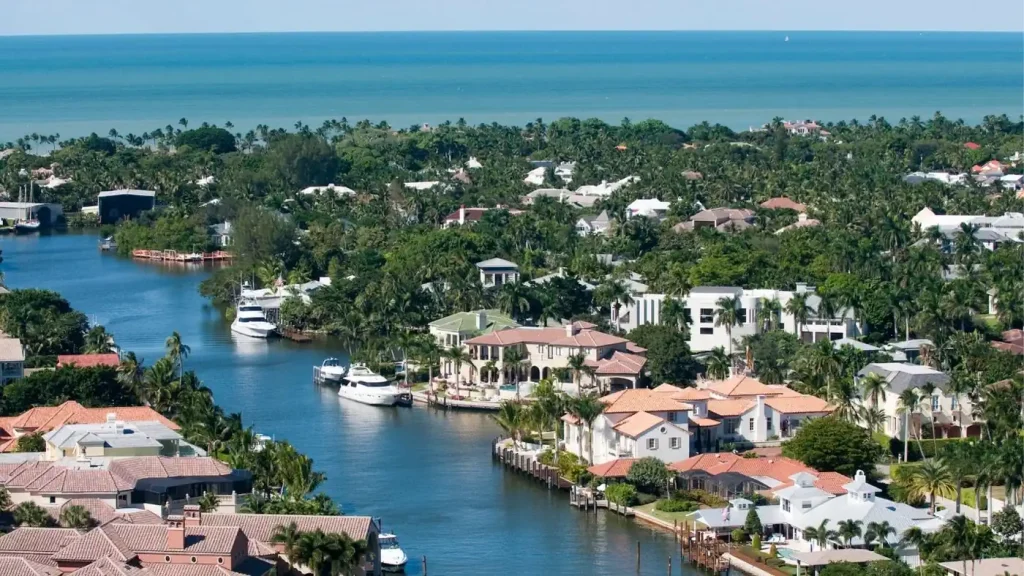
Living near the water opens up numerous recreational activities. Residents can enjoy activities like boating, fishing, swimming, and kayaking. Access to these activities promotes a healthier and more active lifestyle. Additionally, waterfront properties often come with private docks or access to community marinas, which makes it convenient for residents to engage in water-based activities. This can lead to a vibrant and fulfilling lifestyle
High Demand and Resale Value
Waterfront properties are often in high demand due to their limited availability and unique appeal. This demand contributes to higher property values and can make these homes a good investment. Homes on the water often sell at a premium compared to non-waterfront properties, and they tend to appreciate more over time. High demand ensures that waterfront homes typically maintain their value, making them a desirable asset in any real estate portfolio.
Considerations and Challenges
There are certain risks that comes with owning a waterfront residences – environmental risks, insurance costs, and maintenance and privacy concerns. These factors can strongly influence the enjoyment and financial viability of your property.
Environmental Risks and Insurance
Waterfront properties are often exposed to natural elements like storms, floods, and erosion. Flood insurance is almost always required and can be costly. Areas prone to hurricanes or heavy rains may have even higher premiums.
Erosion is another issue. Shorelines can recede, causing loss of land. This might require expensive repairs or shoreline reinforcement. Saltwater can also damage structures and vegetation, necessitating special building materials and treatments that drive up costs.
Maintenance and Privacy Concerns
Maintaining a waterfront home is more demanding than for an inland property. Saltwater and moisture can lead to corrosion, mold, and mildew, meaning regular upkeep and weather-proofing are essential.
Privacy can also be an issue. Popular waterfront areas attract tourists, leading to crowded beaches and reduced seclusion. This might interrupt the tranquility many seek in a waterfront home. Additionally, public access rights might require homeowners to allow public entry to certain parts of the shoreline.
When marketing a property, it’s essential to identify and highlight its unique selling points to attract the right buyers. By showcasing these standout features in listing photos, descriptions, and promotional materials, real estate professionals can differentiate the home from competitors and generate increased interest among potential buyers.
Investing in Waterfront Living: Benefits and Considerations
Owning a waterfront residence offers a unique lifestyle defined by picturesque views and tranquility. These properties command high demand due to their aesthetic appeal and access to recreational activities like boating, fishing, and swimming. Key factors determining value include location proximity to the water, the quality of the view (width and depth), and ease of access to both the water and the home. Affluent individuals, vacation home buyers, and retirees often seek these exclusive properties.
Buyers consider the higher initial investment, increased maintenance needs from exposure to elements, and potentially elevated insurance premiums. Exploring listings for Mason City homes for sale provides concrete examples within this sought-after market segment. Despite the costs, waterfront properties historically demonstrate strong resale value and appreciation, representing both a lifestyle choice and a significant asset for discerning purchasers prepared for the unique upkeep requirements.
Why is waterfront property so expensive?
Buying a waterfront home involves significant costs both upfront and over time. These costs can include a higher purchase price, insurance expenses, and maintenance fees.
Initial Investment
The initial cost of purchasing a waterfront property is usually 30% to 50% higher than that of a non-waterfront home. The premium is largely due to the location and the unique views these properties offer. Buyers should expect to pay significantly more for the lot itself as waterfront land is highly sought after.
In addition to the upfront price, there are also closing costs associated with purchasing a high-value property. These can include higher loan origination fees, appraisal costs, and additional inspections. Property taxes are generally higher as well, because the land’s value boosts the assessed value of the property.
Long-term Financial Prospects
Owning a waterfront home comes with long-term financial considerations. While these homes often appreciate well due to their desirable locations, they also incur higher upkeep costs. Maintenance for waterfront properties can be more involved and expensive due to exposure to moisture, salt, and wind, potentially leading to frequent repairs and replacements.
Insurance is another major long-term expense. Flood and homeowners insurance premiums are typically higher, reflecting the increased risk of natural disasters. Moreover, waterfront properties might face stricter regulatory requirements that could entail extra costs for compliance, such as seawall repairs or environmental upkeep.
Do waterfront properties have good resale value?
Waterfront properties generally have strong resale value due to their desirable location and limited supply. Resale value can be influenced by factors such as the specific location (80% of value is determined by location), the condition of the property (well-maintained homes sell for 10-20% more), and market fluctuations (during recessions, prices may dip 5-15%).
Several factors contribute to their value retention and appreciation over time:
- Scarcity: Waterfront land is finite, and as populations grow, the demand for these properties often increases, driving up prices.
- Desirability: The appeal of living near the water remains high for many buyers, ensuring a consistent demand for waterfront homes.
- Rental potential: Waterfront properties can generate substantial rental income, especially in popular vacation destinations, making them attractive to investors.
Waterfront properties may face unique challenges, such as increased exposure to natural disasters like hurricanes and flooding (which occur in 15% of coastal areas annually), higher insurance costs (typically 20-30% more than inland homes), and environmental regulations that can affect renovations or new construction (impacting 30% of waterfront properties).
Despite these potential drawbacks, waterfront properties have historically demonstrated strong long-term appreciation and remain a solid investment for those who can afford the upfront costs and ongoing maintenance.
For example, over the past 50 years, waterfront properties have appreciated at an average rate of 5-7% annually, outpacing the national average for all homes.
Taking a wide variety of shots from every angle and making sure they are captured with the right camera will ensure your property images stand out among the crowd. It will also help you to generate real estate leads, increase engagement, and, most importantly, close a sale.
Real estate marketing is multi-faceted, but if you get these shots right, you’re well on your way to attracting your target audience and selling them their first homes.