George is a seasoned interior designer and property marketing strategist with over 13 years of experience. He specializes in transforming properties into visually stunning spaces, helping clients recognize the potential and beauty in each property. With an impressive international client base of exciting projects throughout Europe and America.
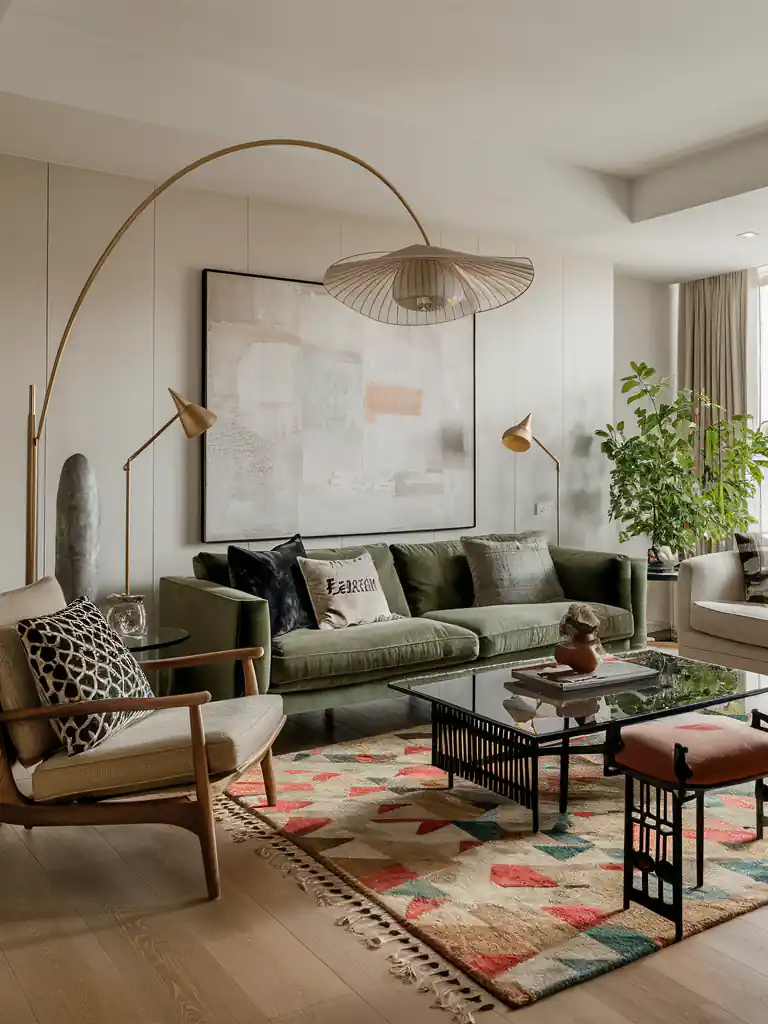
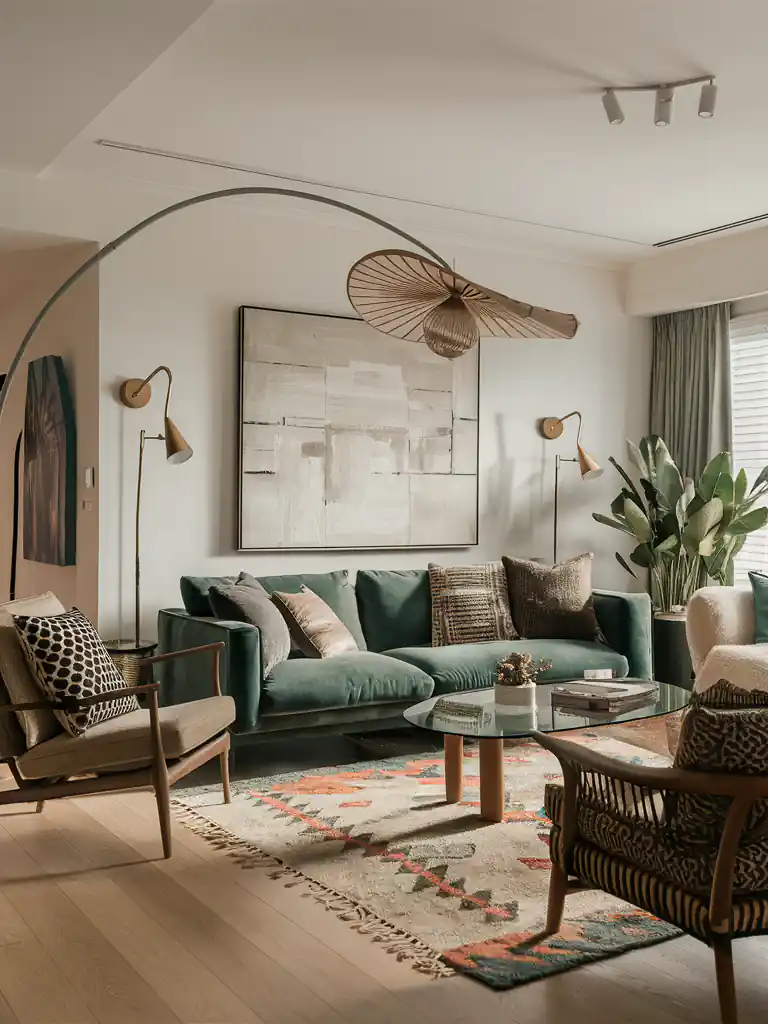
Modern organic interiors blend natural elements with contemporary design. This style creates spaces that feel both sleek and cozy. It brings the outdoors inside while keeping a clean, minimalist look.
There are variations that resemble the modern Organic interior design with some more prominent and others less well-known styles. Each of these styles incorporates organic elements in unique ways, creating spaces that are both modern and connected to nature.

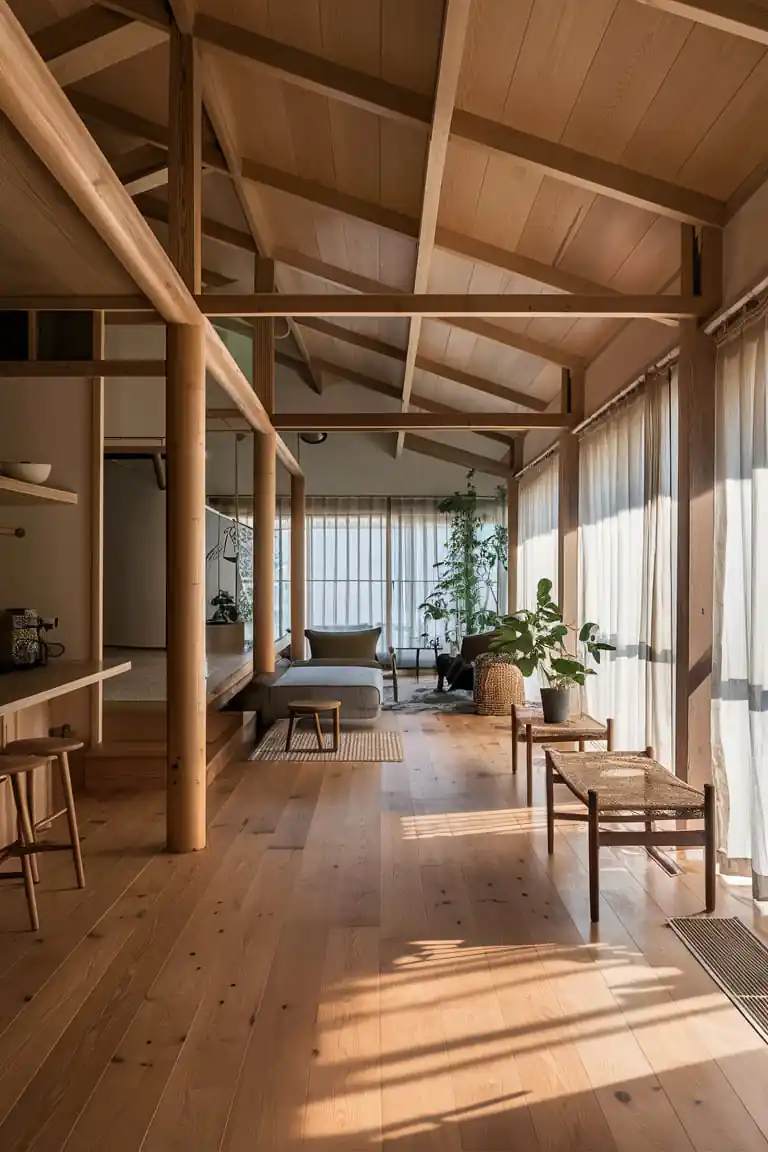
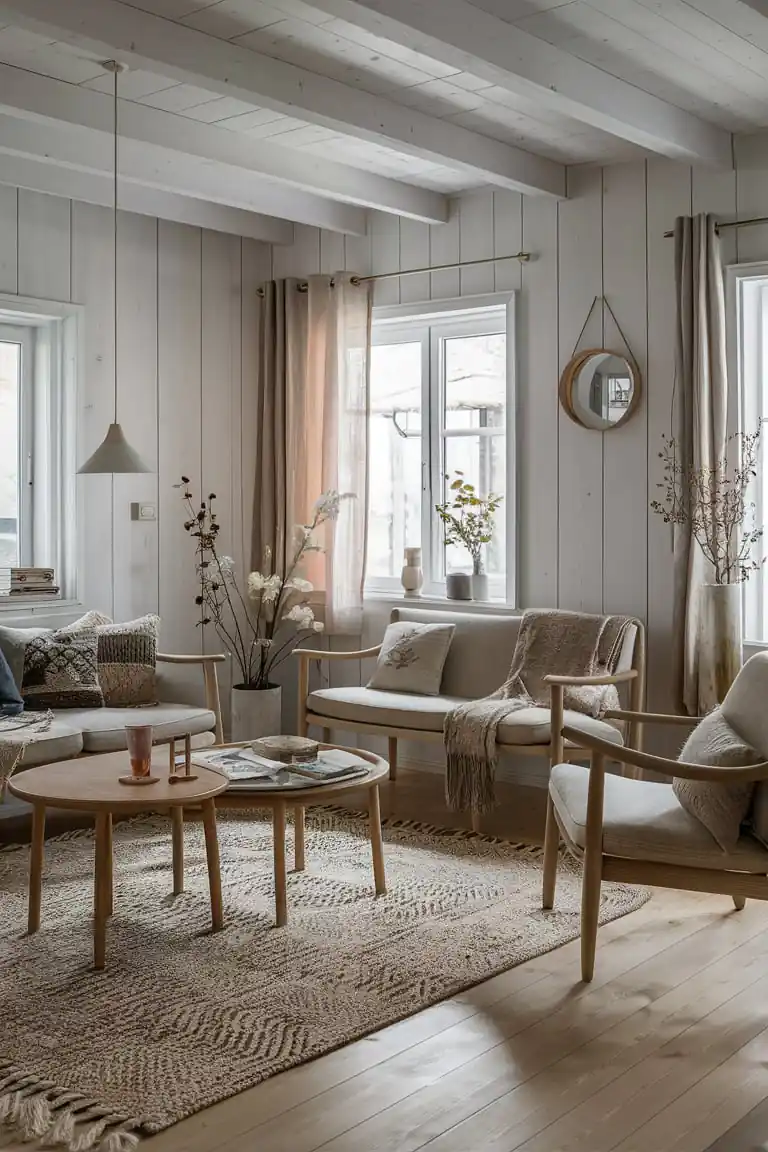
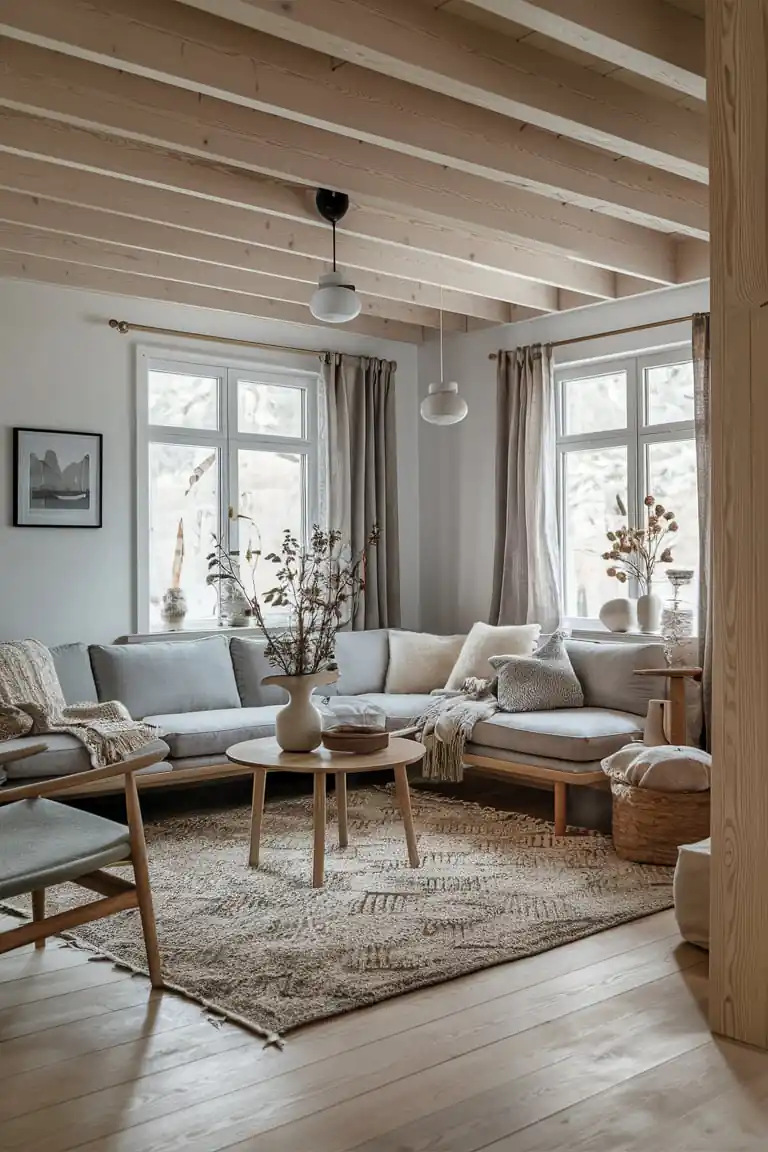
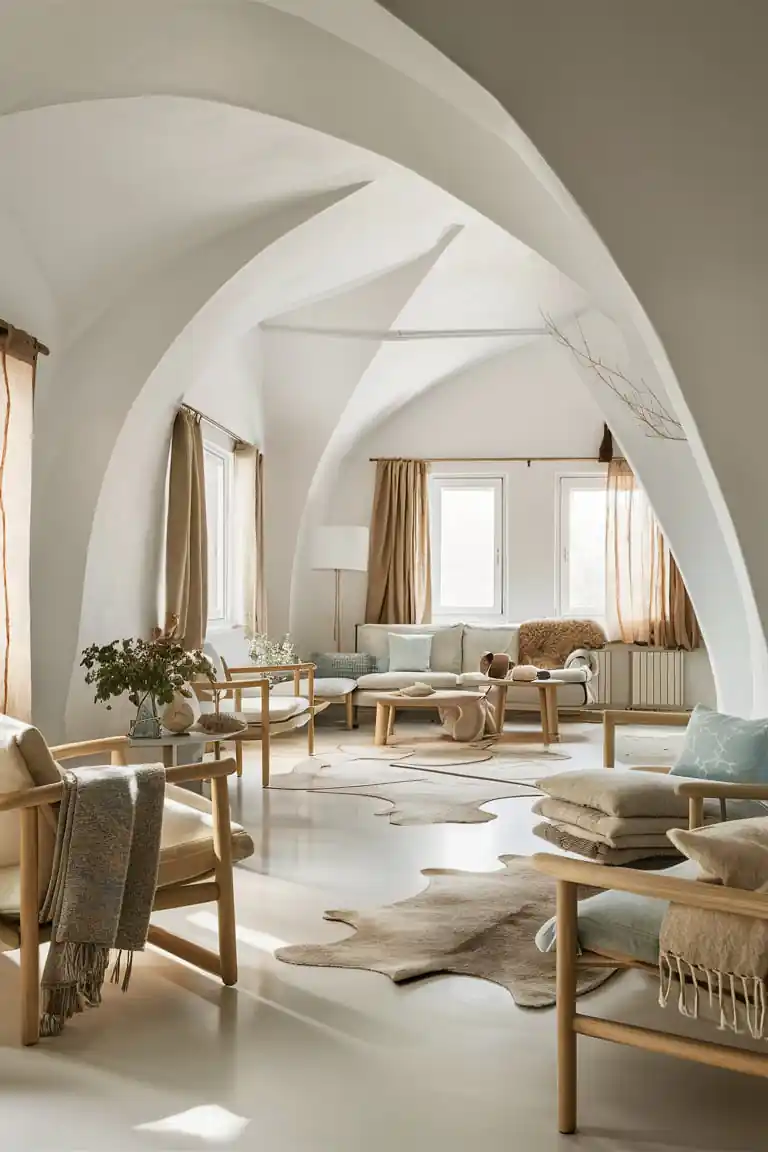
Scandinavian Organic
- Characteristics: Light wood, white walls, minimalist furniture, natural textiles
- Key elements: Hygge concept, functional design, abundant natural light
- Materials: Pine, birch, wool, linen, stone
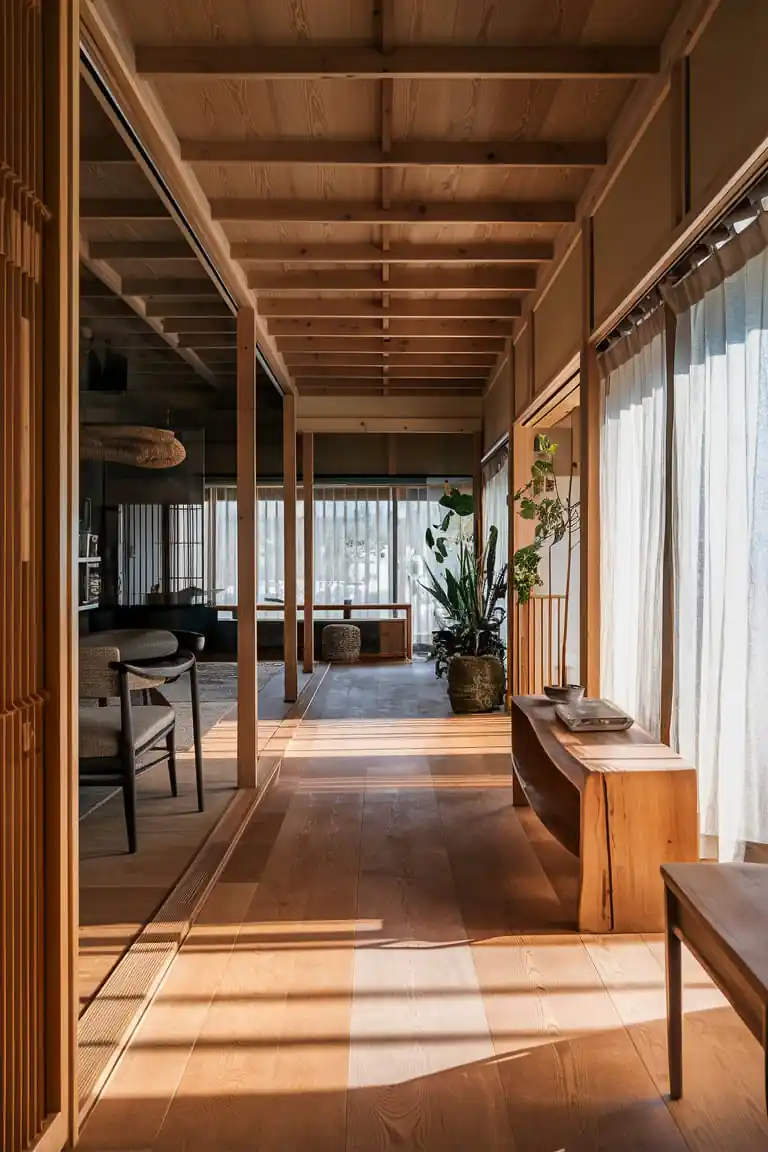
Japanese-Inspired Organic
- Characteristics: Zen aesthetics, low-profile furniture, natural color palette
- Key elements: Shoji screens, tatami mats, bonsai plants
- Materials: Bamboo, rice paper, cedar, stone, cotton
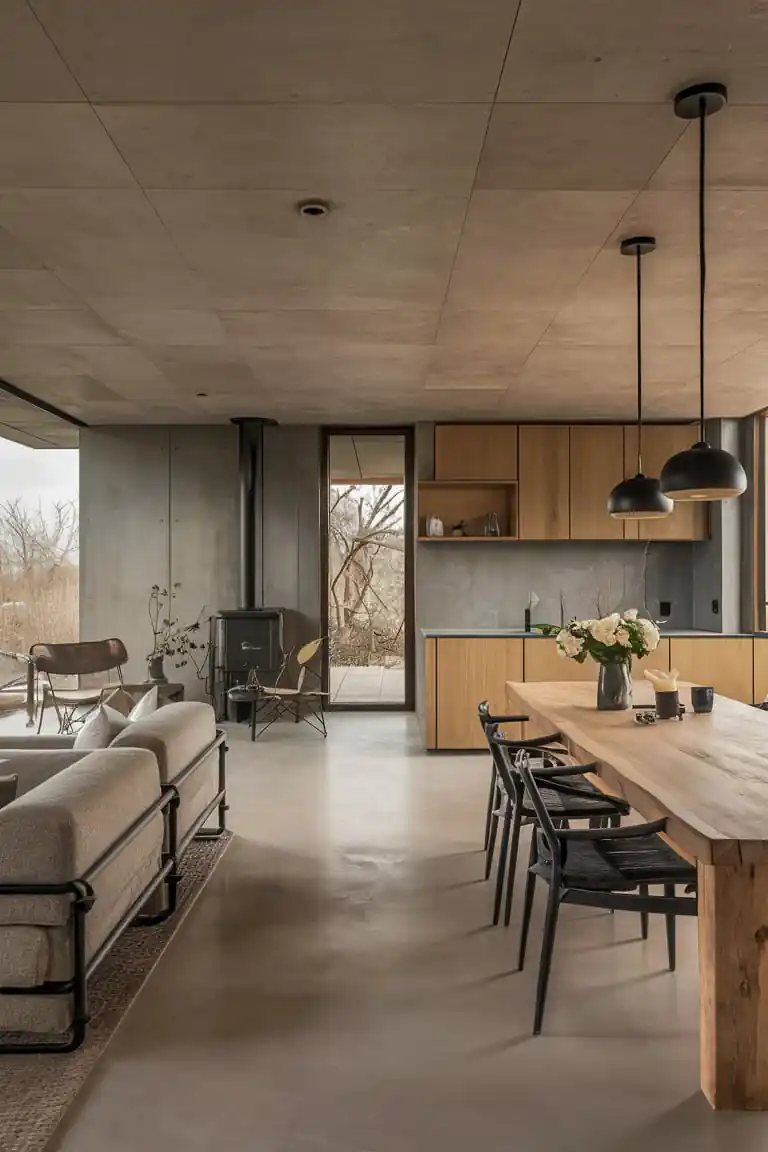
Eco-Minimalist
- Characteristics: Bare essentials, sustainable materials, neutral colors
- Key elements: Energy-efficient appliances, reclaimed wood, indoor plants
- Materials: Recycled metals, bamboo, organic fabrics, low-VOC paints
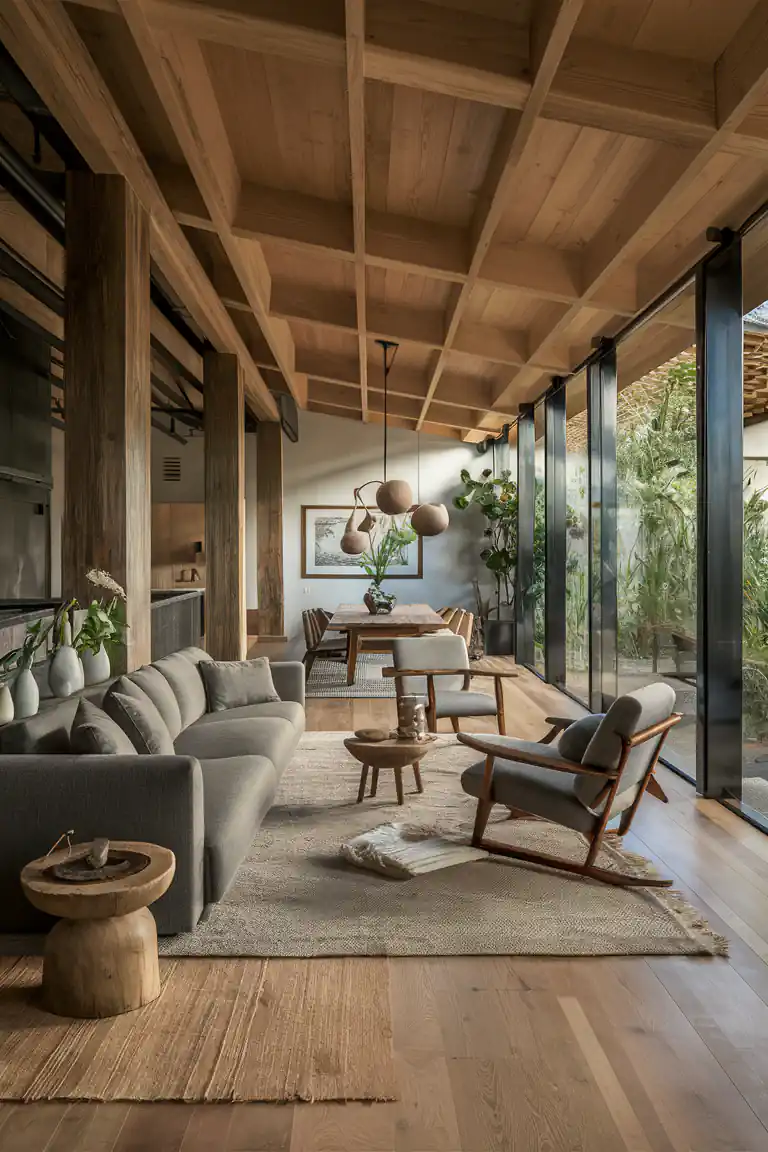
Rustic Modern
- Characteristics: Raw textures, industrial elements, earthy tones
- Key elements: Exposed beams, stone fireplaces, vintage accessories
- Materials: Reclaimed wood, wrought iron, leather, burlap
Bohemian Organic
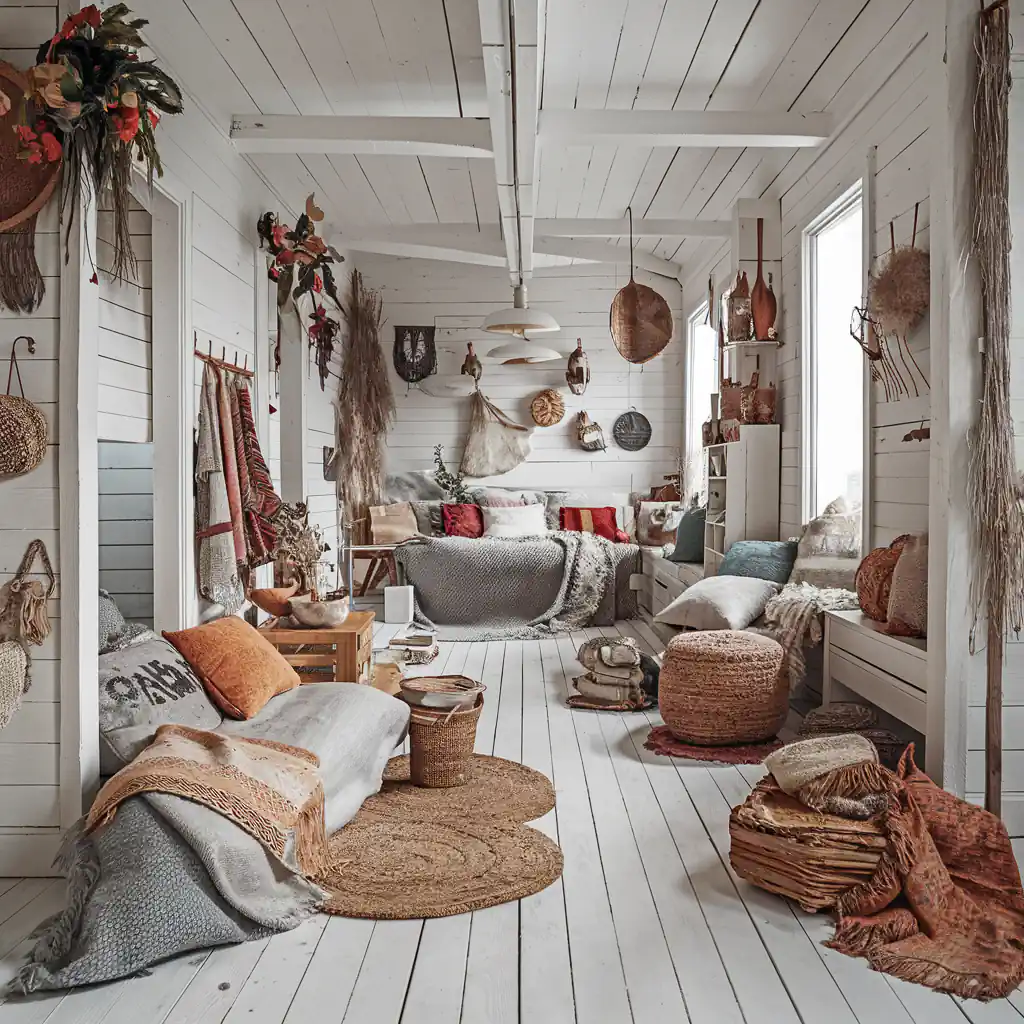
- Characteristics: Eclectic mix, vibrant plants, layered textures
- Key elements: Hanging plants, woven wall art, mix-and-match furniture
- Materials: Rattan, jute, macramé, colorful organic textiles
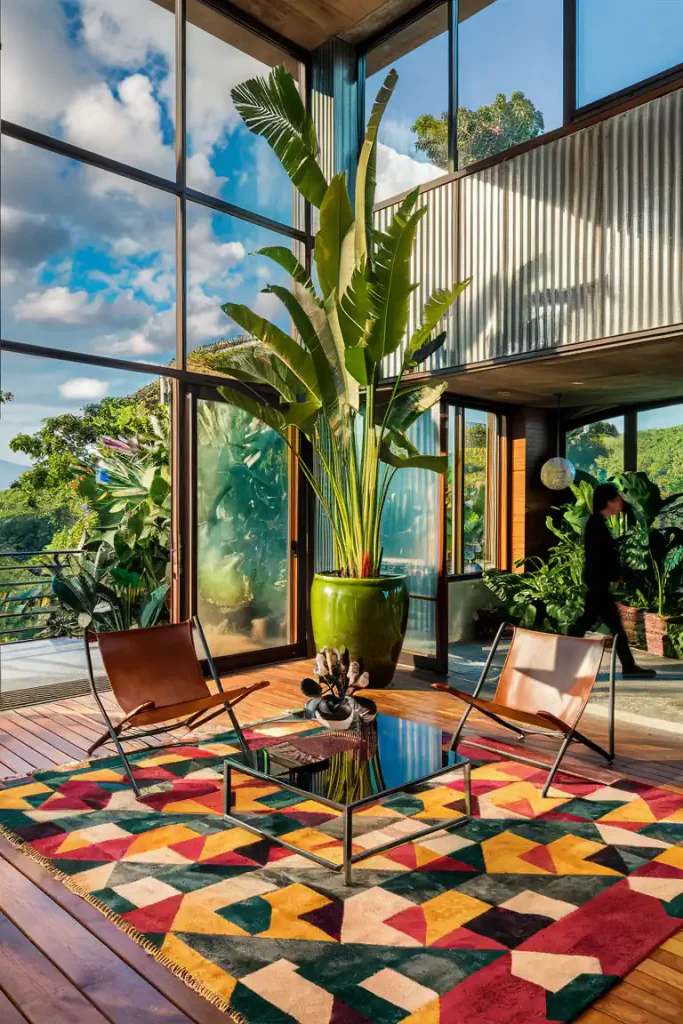
Biophilic Design
- Characteristics: Abundance of plants, natural light, organic shapes
- Key elements: Living walls, water features, nature-inspired patterns
- Materials: Various plant species, natural stone, wood, glass
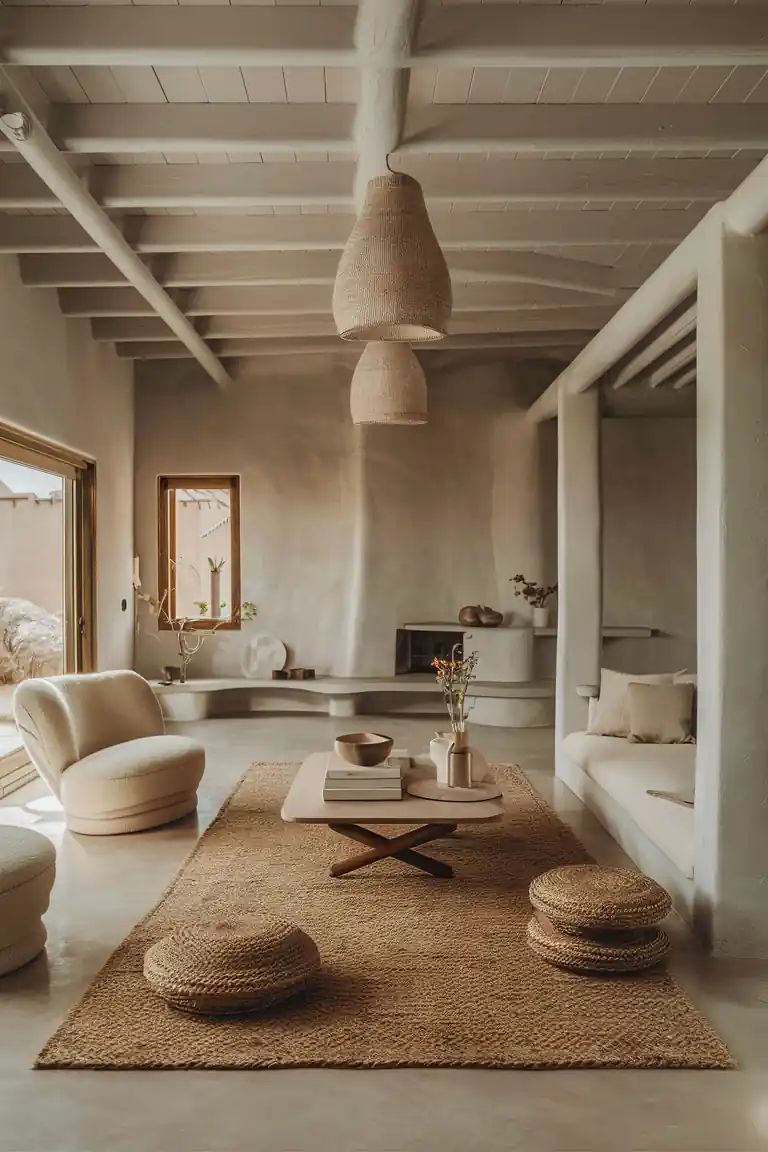
Wabi-Sabi Organic
- Characteristics: Embracing imperfection, simple living, natural aging
- Key elements: Handmade ceramics, weathered wood, asymmetrical forms
- Materials: Clay, unfinished wood, natural fibers, stone
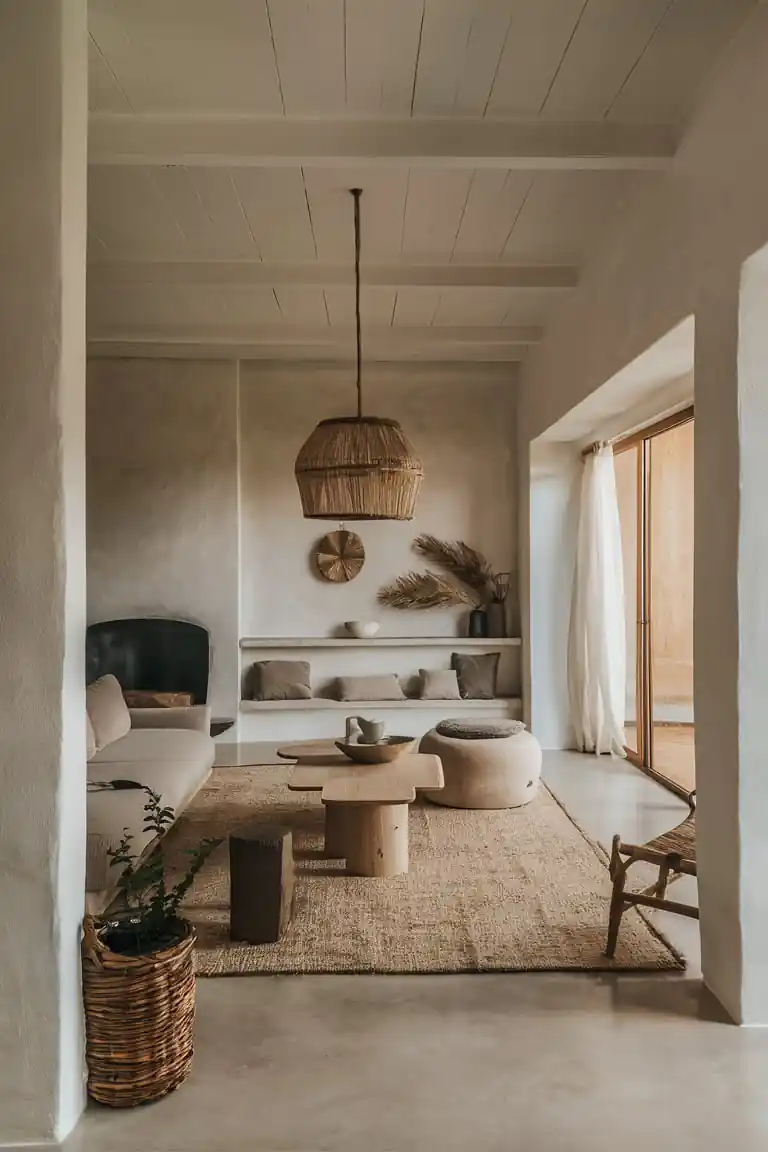
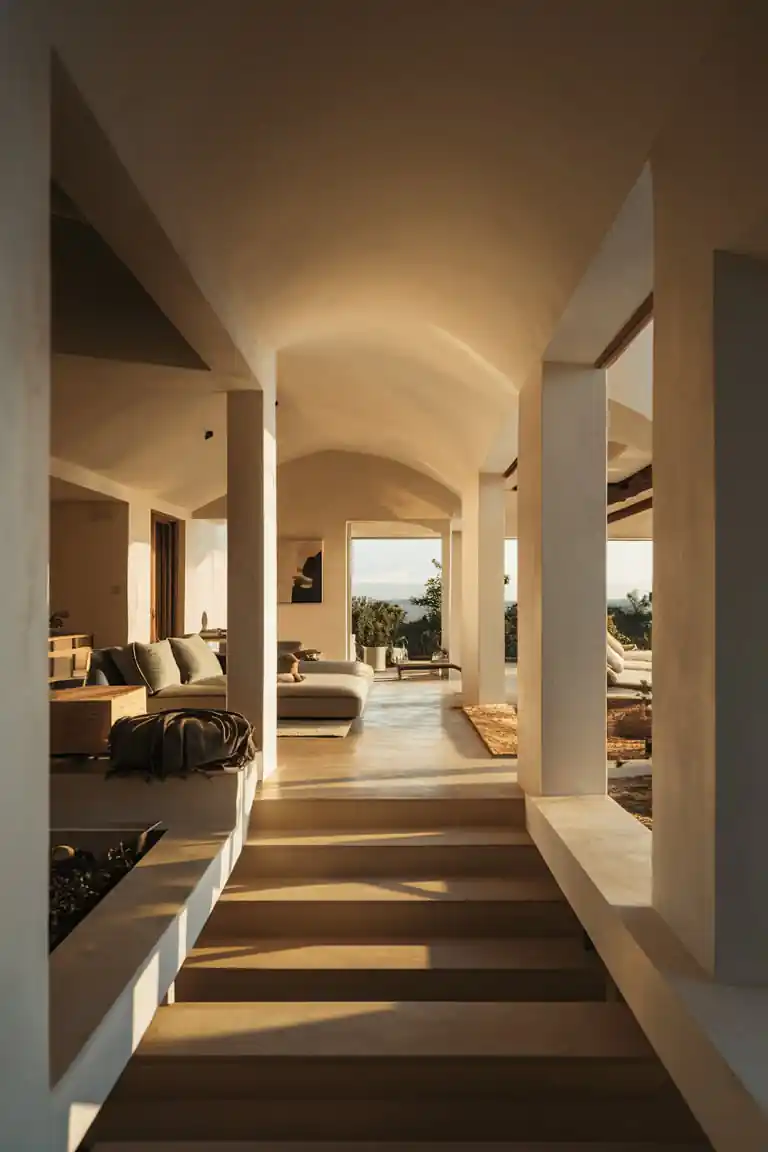
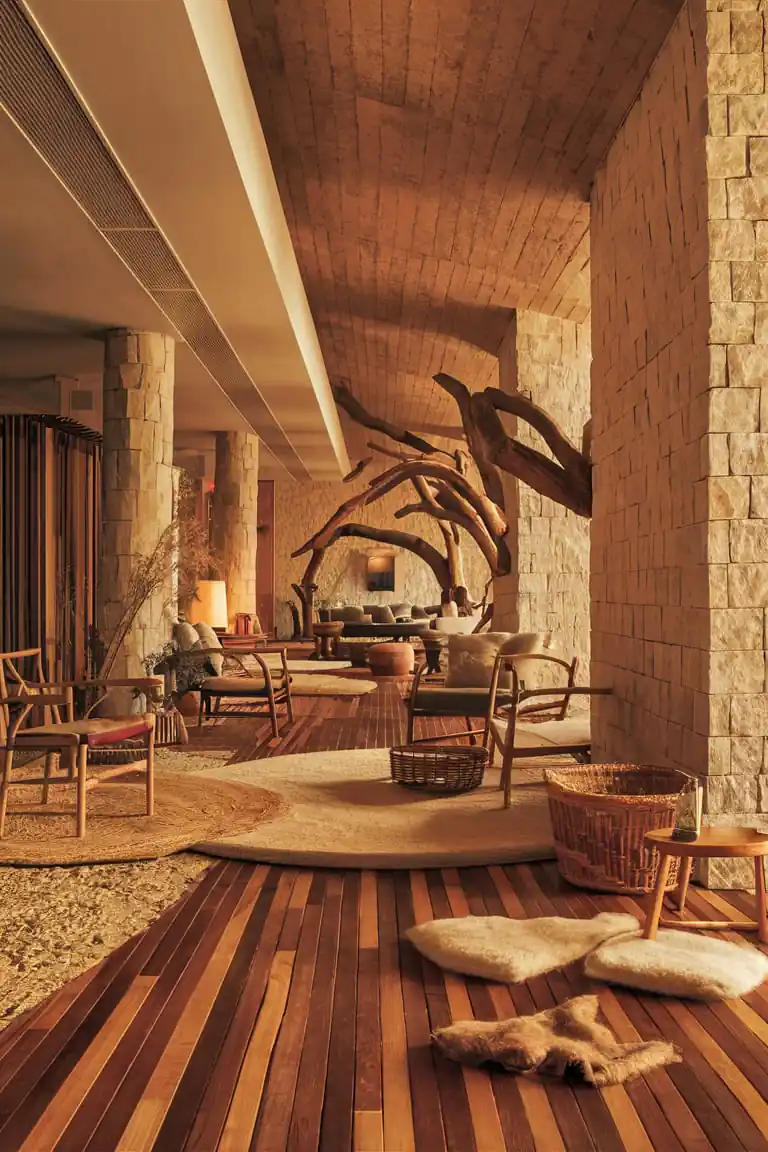
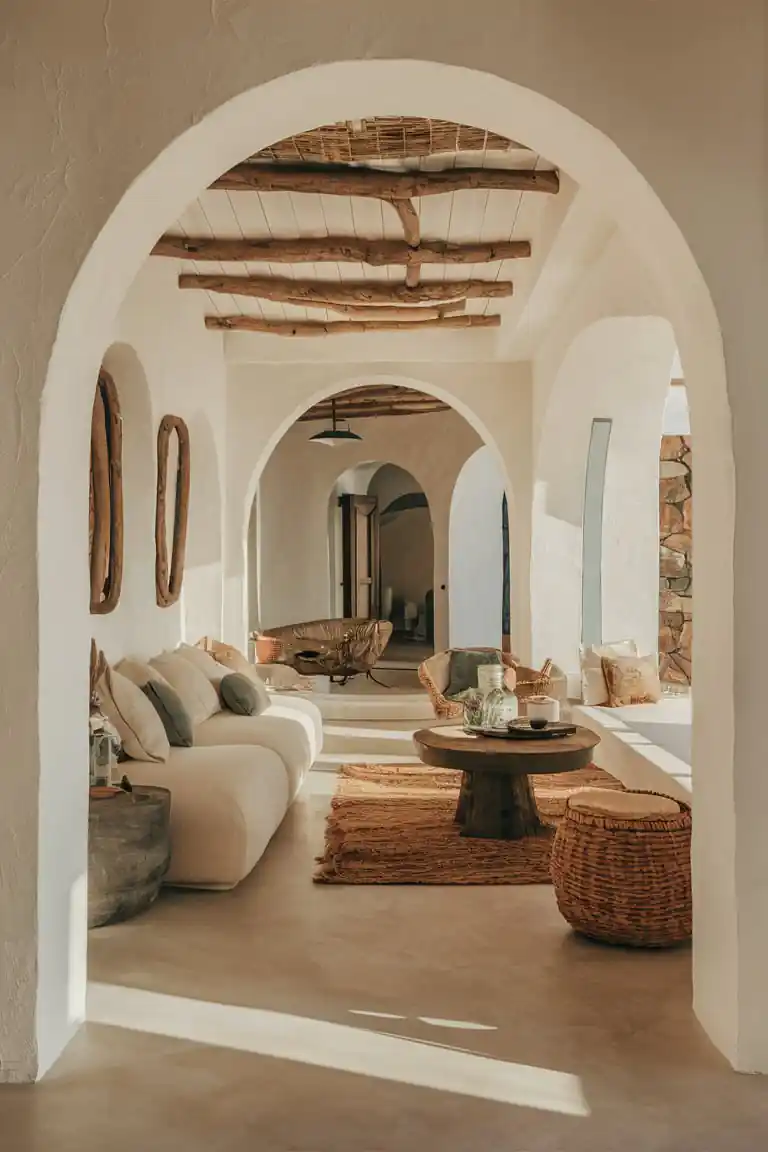
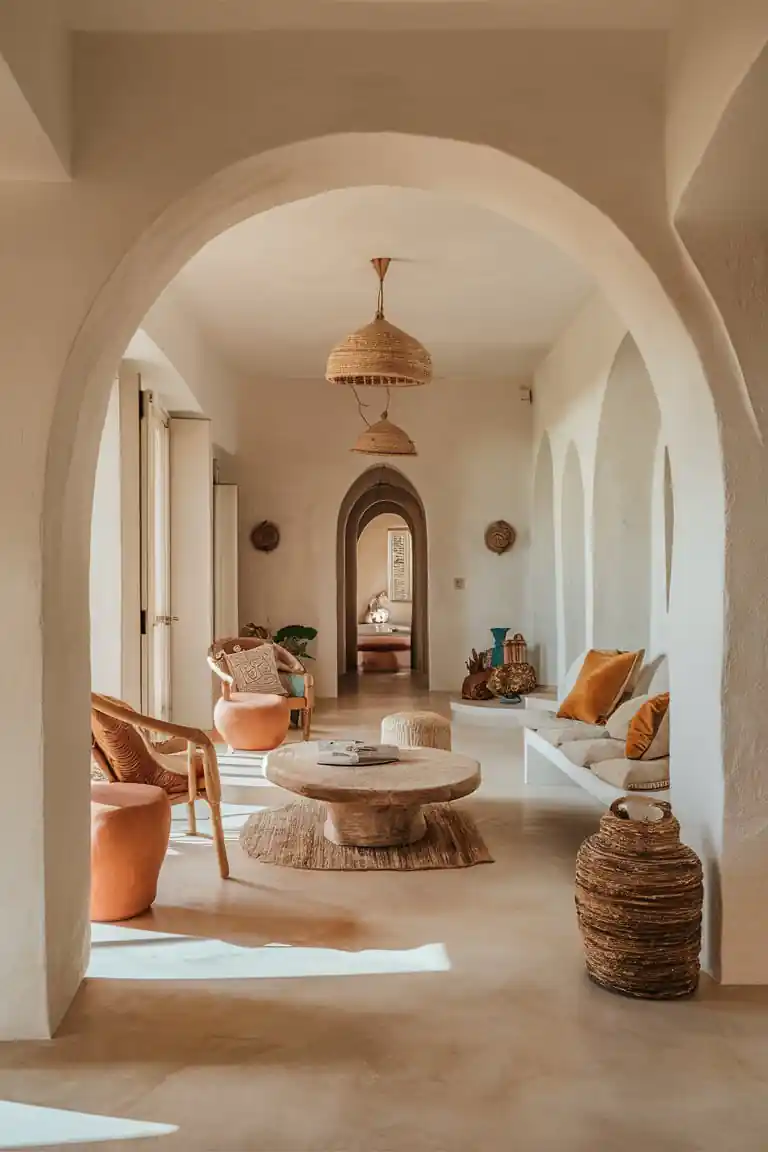
Mediterranean Organic
- Characteristics: Sun-baked colors, indoor-outdoor living, textured walls
- Key elements: Arched doorways, terracotta tiles, wrought iron details
- Materials: Limestone, terracotta, olive wood, linen
Organic interior design styles share fundamental principles that persist across various interpretations, creating a perfect balance between nature and modern aesthetics. These styles prioritize a strong connection to nature, incorporating natural materials, indoor plants, and ample natural light to bring the outdoors in.
Sustainability guides material choices, favoring renewable, recycled, or reclaimed options that add warmth and character. Tactile experiences are emphasized through varied textures, often featuring earthy tones, natural stone, and wood accents. Neutral color palettes dominate, with soft hues rather than bold colors, creating a calming atmosphere.
Organic shapes and flowing lines are preferred over harsh angles, often seen in sleek, minimalist furniture designs. Spaces focus on essential elements, embracing simplicity and quality over quantity, which results in an uncluttered, airy feel. These designs harmonize with their surroundings, often blurring the lines between indoor and outdoor spaces through large windows or open layouts.

Craftsmanship is celebrated, with an appreciation for unique, handmade pieces that add visual interest. While specific styles like Scandinavian Organic, Mediterranean Organic, or Eco-Minimalist may interpret these principles differently, they all adhere to these core aspects of organic design, creating living spaces that are naturally beautiful, sustainable, and deeply connected to the environment. The result is a timeless, inviting home that feels both contemporary and comfortably rooted in nature.
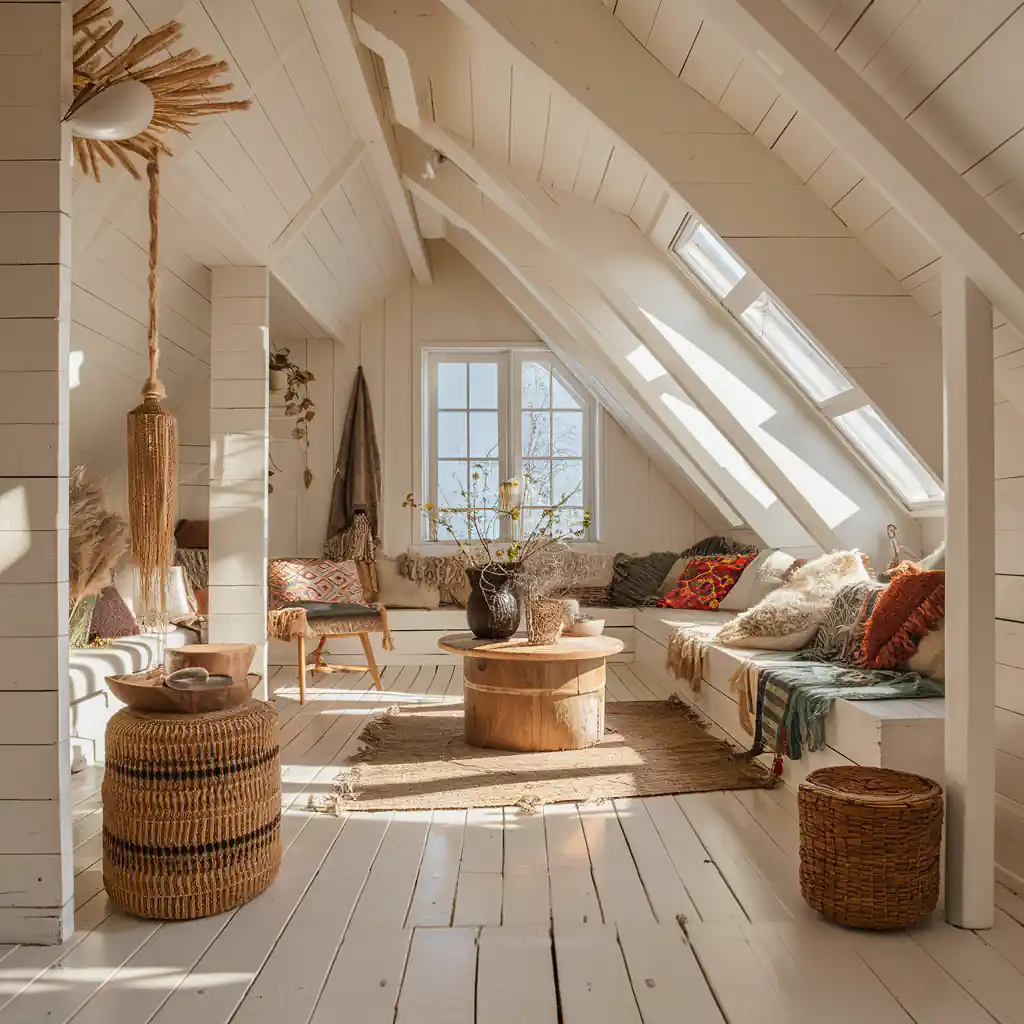
Scandinavian Boho (Organic)
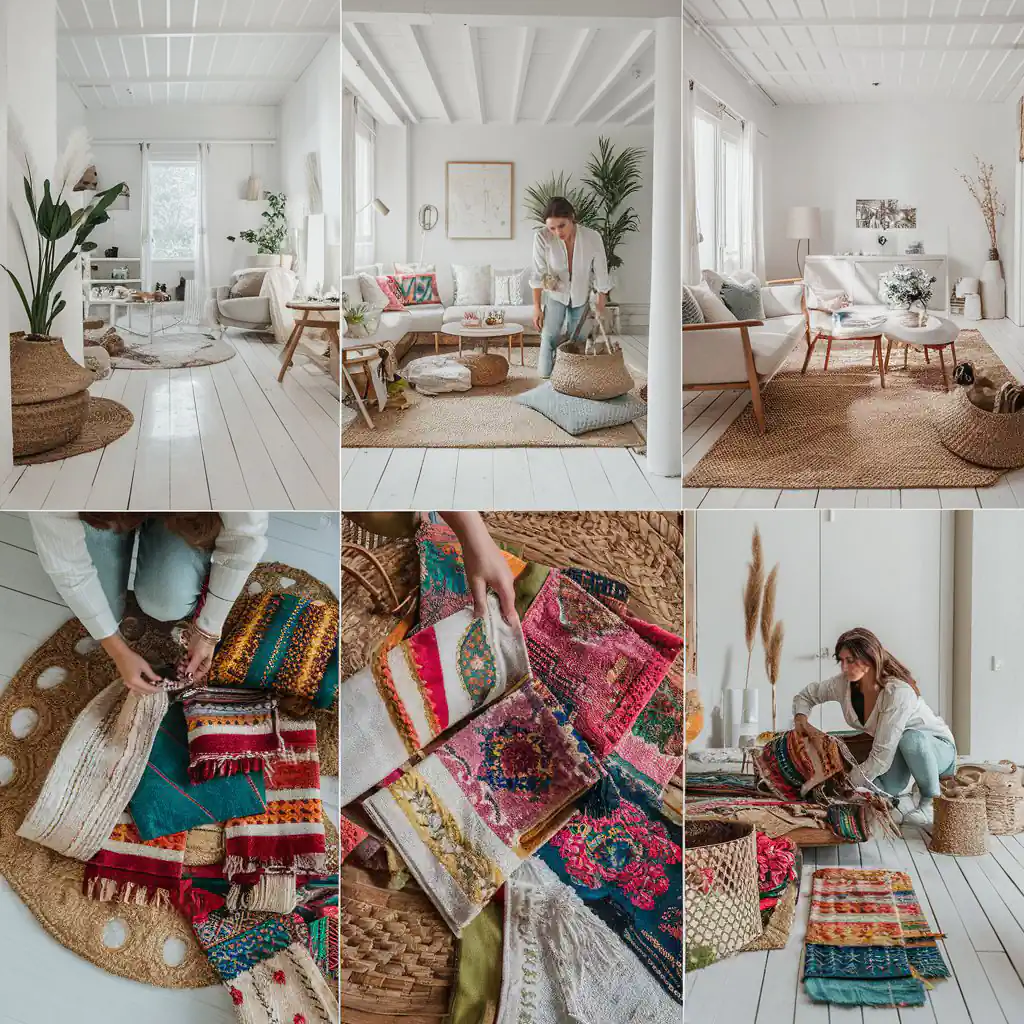
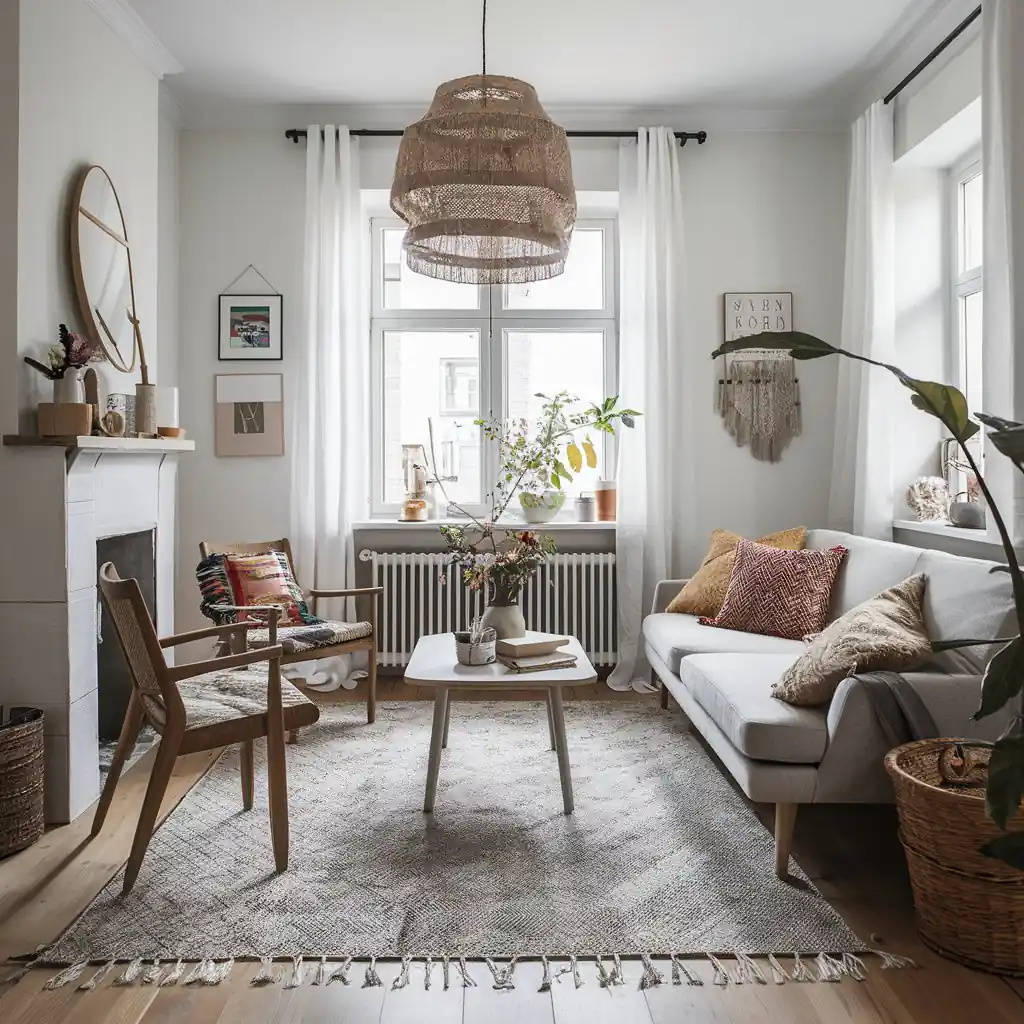
Scandinavian Boho blends the clean lines of Nordic design with the free-spirited charm of bohemian style. This look pairs minimalist furniture with colorful textiles and natural materials.
Light colors form the base of this style. White walls and wooden floors create a bright backdrop. Soft neutrals like beige and gray add warmth without overwhelming the space.
Texture plays a big role in Scandi Boho rooms. Fluffy rugs, woven baskets, and knit blankets bring coziness to the sleek Scandinavian elements. Plants are also key, adding life and a connection to nature.

Furniture keeps things simple with streamlined shapes. But boho touches come through in rattan chairs, macrame wall hangings, or a vintage leather pouch. Mix-and-match patterns on pillows and throws add visual interest.
Lighting is important too. Pendant lamps with woven shades combine function with bohemian flair. Candles in simple holders create a relaxed mood.
The goal is a laid-back yet pulled-together look. It’s cozy and inviting, but still feels fresh and modern. Scandi Boho strikes a balance between order and creativity.


Eco-Chic
Eco-chic is a sophisticated evolution of organic modern interiors, emphasizing sustainability without compromising on style. This design approach places environmental consciousness at its core, blending eco-friendly materials with elegant, minimalist aesthetics.
In Eco-chic spaces, recycled and upcycled items are prominent. Furniture crafted from reclaimed wood and decorative pieces made from repurposed materials are key elements that showcase the commitment to sustainability.
Natural fabrics like organic cotton and linen are central to Eco-chic interiors, providing softness and comfort while reducing environmental impact. These textiles contribute to the overall sense of warmth and well-being in a space.


Lighting in Eco-chic design focuses on sustainability, often featuring fixtures made from natural or recycled materials. Large windows are also a common feature, maximizing natural light and reducing the need for artificial lighting during the day.
Plants play a vital role in Eco-chic interiors, not just as decorative elements but as functional ones too. They improve indoor air quality and strengthen the connection to nature, with vertical gardens and hanging planters being popular choices.

The color palette in Eco-chic design tends to be earthy and muted, drawing inspiration from nature. Shades of green, brown, and blue create a calming, grounded atmosphere that reinforces the natural and sustainable principles of this style.
Eco-Minimalist
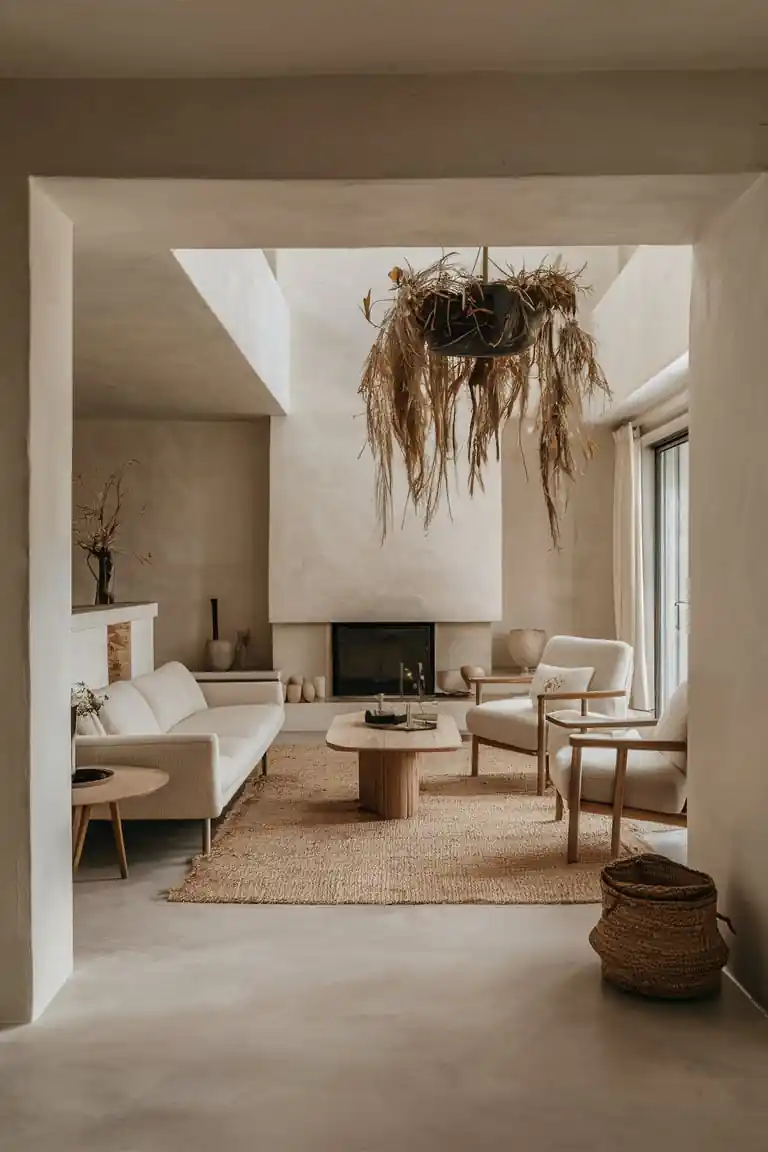
Eco-Minimalist style combines the principles of minimalism with a strong commitment to environmental sustainability. This approach creates spaces that are not only visually clean and uncluttered but also ecologically responsible. It’s a design philosophy that proves less can indeed be more, both aesthetically and environmentally.
The color palette in Eco-Minimalist interiors tends to be subdued and natural. Whites, beiges, soft greys, and muted earth tones dominate, creating a calm and serene atmosphere. These neutral colors serve as a perfect backdrop for the few carefully chosen elements in the space and help to maximize the feeling of openness and light.

True to minimalist principles, Eco-Minimalist spaces focus on bare essentials. Furniture is chosen with great care, prioritizing pieces that are multi-functional, durable, and made from sustainable materials. You might find a sleek sofa made from recycled materials, or a dining table crafted from reclaimed wood. Each piece serves a purpose and is designed to last.
Sustainability is at the heart of this style. Energy-efficient appliances are a must, often featuring the latest in green technology. LED lighting, smart thermostats, and water-saving fixtures are common features. These elements not only reduce the home’s environmental impact but also often have a sleek, modern aesthetic that fits well with the minimalist look.


Materials in Eco-Minimalist interiors are chosen for their environmental credentials as well as their aesthetic qualities. Bamboo flooring, for instance, is both sustainable and visually appealing. Recycled metal might be used for kitchen countertops or bathroom fixtures. Organic fabrics made from hemp or organic cotton are favored for any textiles.
Wall treatments in this style often feature low-VOC (Volatile Organic Compound) paints or natural plasters. These choices improve indoor air quality while providing a clean, simple backdrop for the space. Occasionally, a feature wall of reclaimed wood or recycled materials might add texture and interest.
Despite the focus on minimalism, plants play a crucial role in Eco-Minimalist interiors. Indoor plants not only add a touch of nature and life to the space but also help purify the air. Large statement plants in simple pots or a carefully tended herb garden in the kitchen are common features.
Storage solutions in Eco-Minimalist homes are clever and often hidden. Built-in cabinets, multifunctional furniture with storage capabilities, and well-organized closets help maintain the clutter-free aesthetic while maximizing space efficiency.

Lighting in these interiors is often designed to maximize natural light, with large windows or skylights being common features. When artificial lighting is needed, it’s usually provided by simple, energy-efficient fixtures that complement the minimalist aesthetic.
Decor is kept to a minimum, with each piece being carefully chosen for its beauty, functionality, and environmental credentials. This might include artwork made from recycled materials, or handcrafted items sourced from sustainable, fair-trade sources.
The goal of Eco-Minimalist design is to create a space that is calming, functional, and environmentally responsible. It appeals to those who want to reduce their environmental impact without sacrificing style or comfort. This approach demonstrates that sustainable living can be beautiful and that a minimalist lifestyle can have maximum positive impact on the planet.
Vintage Modern
Vintage Modern blends old-world charm with contemporary style. This approach mixes antique pieces with sleek, modern elements to create a unique look.
Key features include vintage furniture paired with modern art or lighting. For example, a mid-century modern sofa might sit next to an antique side table.

Color palettes often combine muted tones with pops of bright hues. Walls may feature neutral colors, while accessories add vibrant accents.
Textures play a big role in Vintage Modern design. Smooth surfaces contrast with rough or aged materials. Think polished concrete floors alongside a distressed wood coffee table.
Lighting fixtures can be a focal point in this style. Vintage chandeliers or industrial-style pendants add character to the space.


Accessories are carefully chosen to enhance the vintage-modern mix. Old books, retro clocks, or antique mirrors might share space with minimalist sculptures.
The goal is to create a balanced, inviting space that feels both timeless and current. Each piece tells a story, but the overall effect is cohesive and fresh.
Rustic Elegance
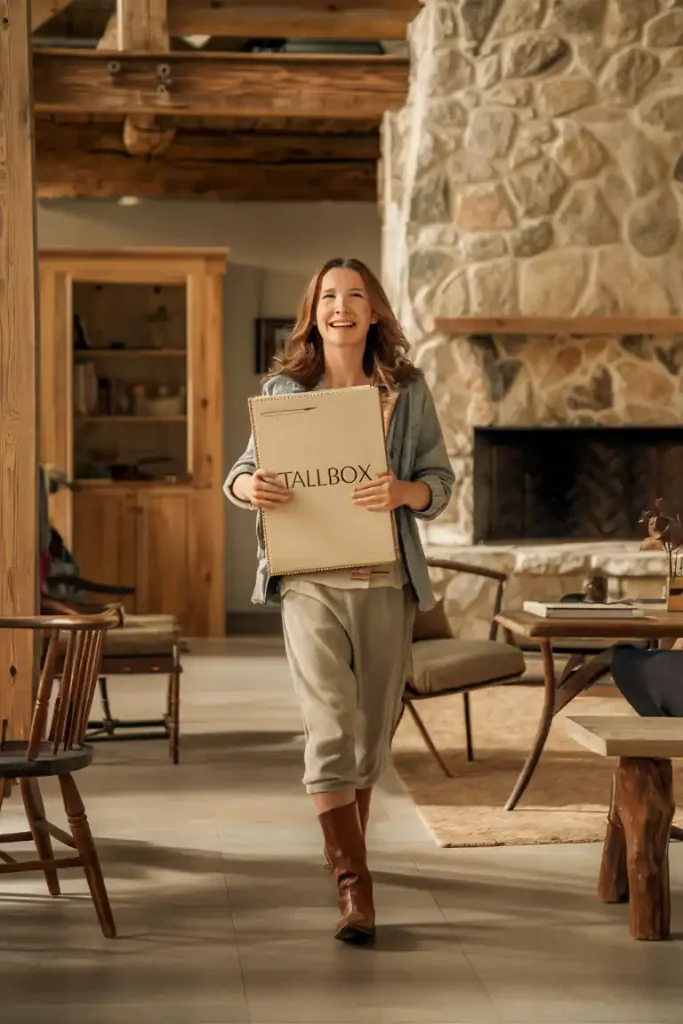
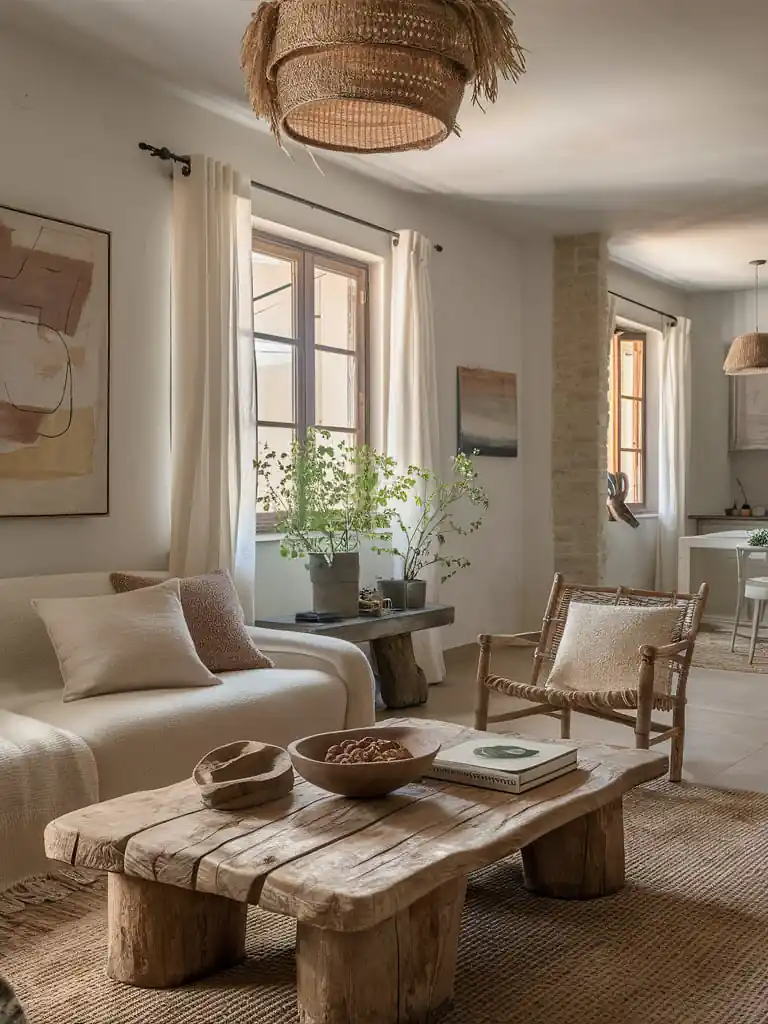
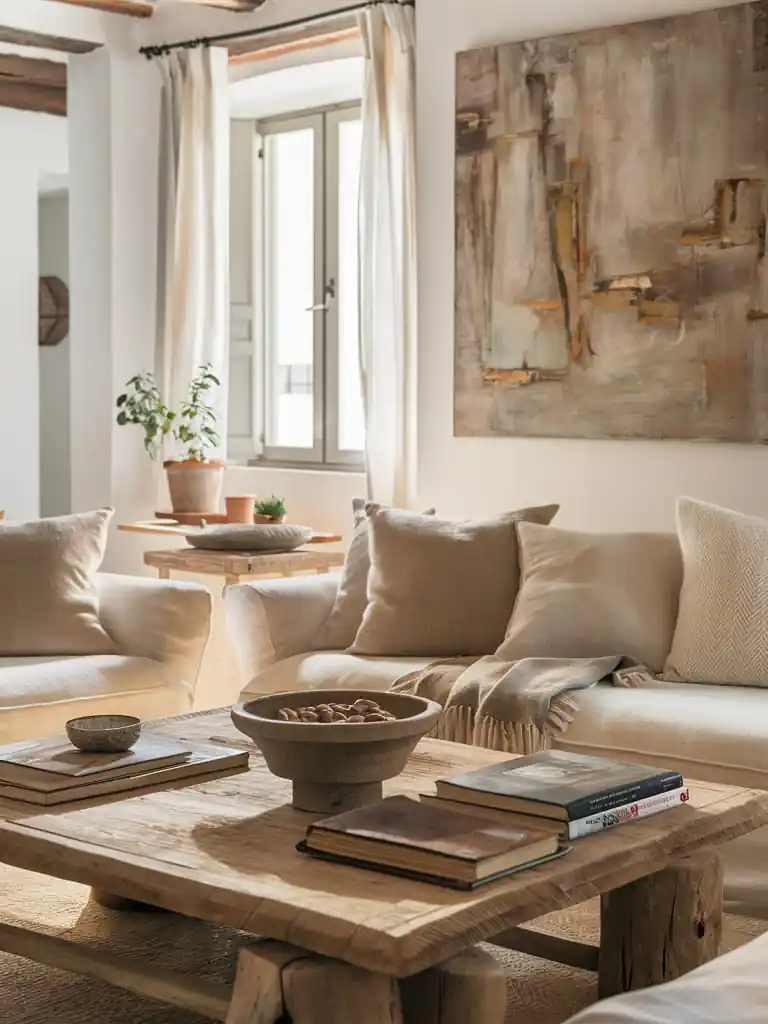
Rustic elegance blends modern organic design with countryside charm. This style uses natural materials like wood, stone, and linen to create a warm, inviting space.
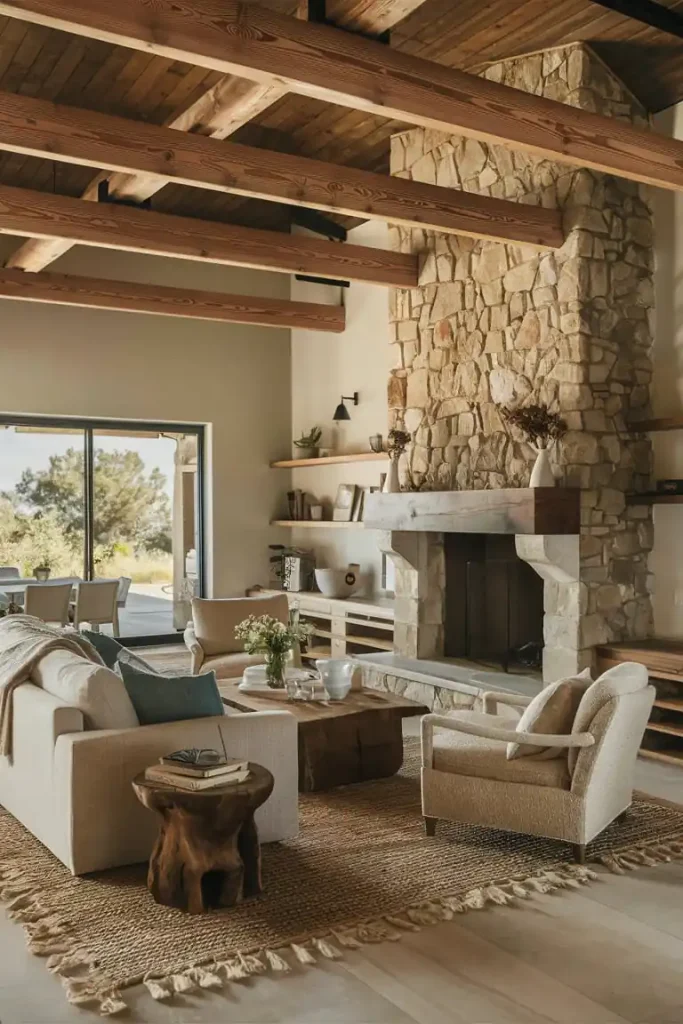
Wooden beams and stone fireplaces are common features. They add character and a sense of history to the room. Furniture often has simple lines but is made from high-quality, natural materials.

Neutral colors dominate this style. Whites, beiges, and earth tones create a calm backdrop. Pops of color come from nature-inspired accents like plants or artwork.
Textures play a big role in rustic elegance. Rough-hewn wood, smooth leather, and soft fabrics add depth and interest. These elements create a cozy, lived-in feel.
Lighting is key in this style. Soft, warm light from lamps and candles creates a welcoming atmosphere. Large windows let in natural light and connect the indoor space to the outdoors.

Rustic elegance combines the best of both worlds. It offers the comfort of a country home with the clean lines of modern design. The result is a space that feels both sophisticated and relaxed.
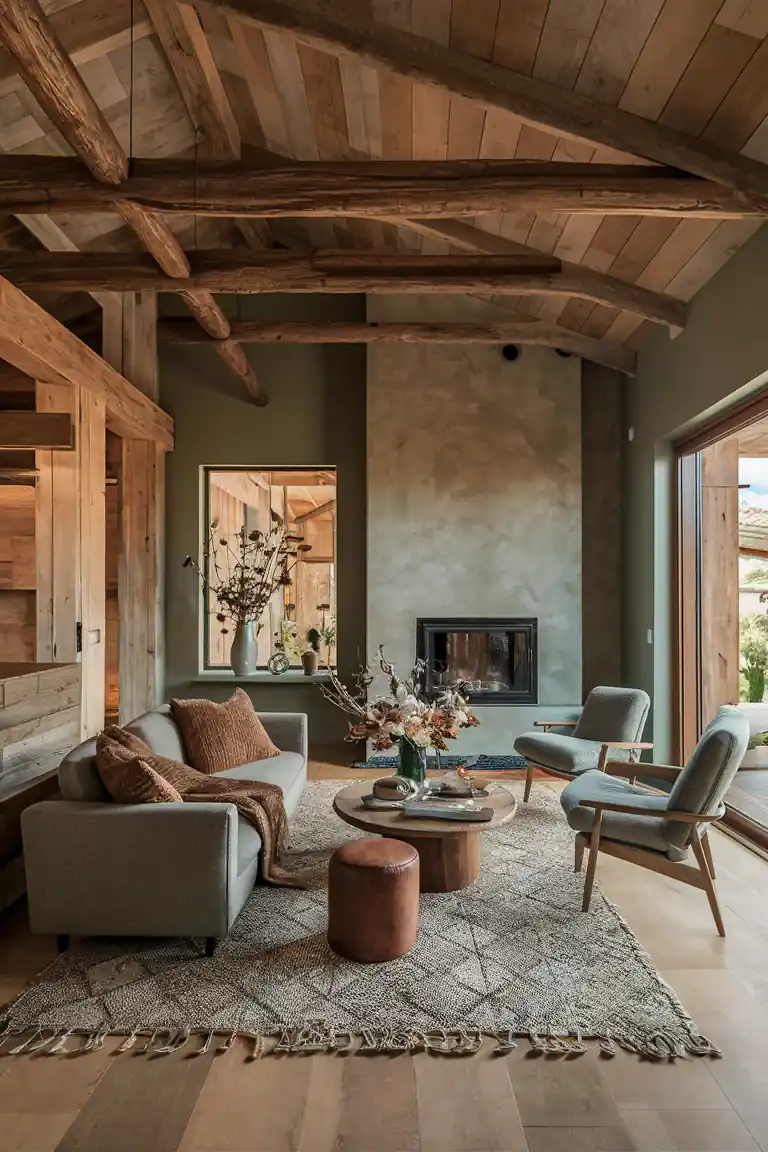
Rustic Modern
Rustic Modern style beautifully marries the warmth and charm of rural aesthetics with the clean lines and functionality of modern design. This style creates a space that feels both cozy and contemporary, celebrating the beauty of natural materials while embracing modern comfort.
The color palette of Rustic Modern interiors leans heavily on earthy tones. Warm browns, soft greys, creamy whites, and deep greens dominate, creating a soothing atmosphere that echoes the natural world. These colors serve as a perfect backdrop for both rustic elements and sleeker modern pieces.
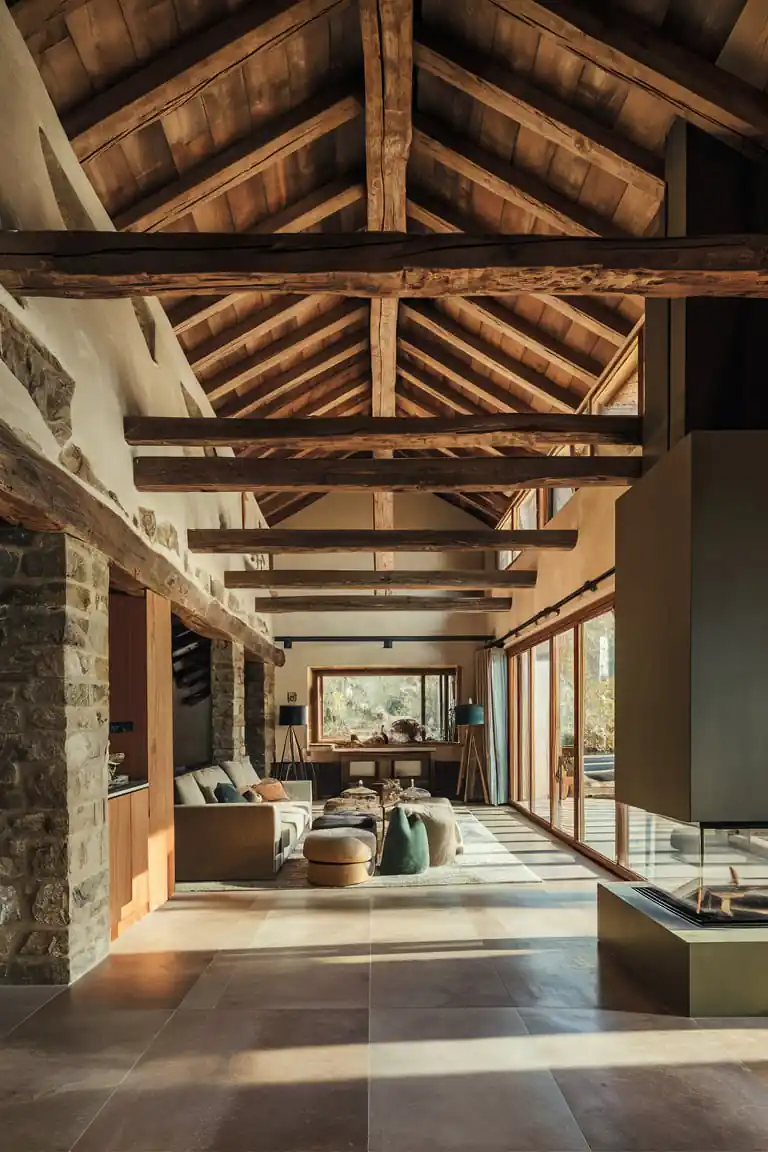
Textures play a crucial role in this style. Raw, unfinished surfaces are celebrated, from rough-hewn wooden beams to textured stone walls. These elements add depth and interest to the space, creating a tactile experience that invites touch and exploration.
A key characteristic of Rustic Modern is the prominent use of reclaimed materials. Weathered wood planks might form a feature wall or be repurposed into a dining table. Old barn doors could become sliding partitions. These elements bring history and character to the space, telling a story of past use and natural aging.

Furniture in Rustic Modern interiors often combines natural materials with modern forms. You might find a sleek, low-profile sofa upholstered in rich leather, or streamlined dining chairs made from reclaimed wood. The juxtaposition of rustic materials and contemporary shapes is what gives this style its unique appeal.
Lighting fixtures in Rustic Modern spaces often feature industrial elements. Wrought iron chandeliers, Edison bulb pendants, or repurposed factory lights are common choices. These fixtures add an urban edge to the rustic elements, enhancing the style’s modern aspect.
Fireplaces, often clad in rough-cut stone or river rock, frequently serve as focal points in Rustic Modern interiors. They not only provide warmth but also reinforce the connection to natural materials and traditional craftsmanship.
Textiles in this style tend to be natural and textured. Think burlap curtains, wool throws, and linen upholstery. These fabrics add softness and comfort to the space, balancing out the harder surfaces of wood and stone.

Accessories in Rustic Modern interiors often have a vintage or handcrafted feel. Old farm tools might become wall art, or hand-thrown pottery could serve as decorative pieces. The key is to choose items that have character and a sense of history.
While plants aren’t as central to this style as they are in some other organic interiors, they still play a role. Hardy, low-maintenance plants like succulents or small trees in simple pots can add life to the space without detracting from the overall aesthetic.


The goal of Rustic Modern design is to create a space that feels grounded in nature and history, yet is comfortable and functional for modern living. It’s perfect for those who appreciate the warmth of traditional materials but desire the clean lines and simplicity of contemporary design. This style creates a home that feels both timeless and of-the-moment, celebrating the beauty of imperfection while embracing modern comforts.
Mid-Century Organic
Mid-century organic interiors blend the clean lines of mid-century modern design with natural elements. This style emerged in the 1940s and remained popular through the 1960s.
The look features simple furniture with curved, organic shapes. Designers often use materials like wood, leather, and stone to bring nature indoors.

Colors tend to be warm and earthy, with pops of brighter hues for contrast. Think brown, tan, and orange paired with green or blue accents.
Large windows are common in mid-century organic spaces. They let in lots of natural light and connect the indoors with the outside world.
Plants play a big role in this style. Indoor trees, hanging planters, and small succulents add life to rooms.

Textures are important too. Rough stone walls, smooth wooden surfaces, and soft wool rugs create a mix of tactile experiences.
Furniture pieces often have tapered legs and organic curves. Popular items include egg chairs, tulip tables, and low-profile sofas.
Artwork tends to be abstract or nature-inspired. Sculptures made from natural materials are also common in these spaces.
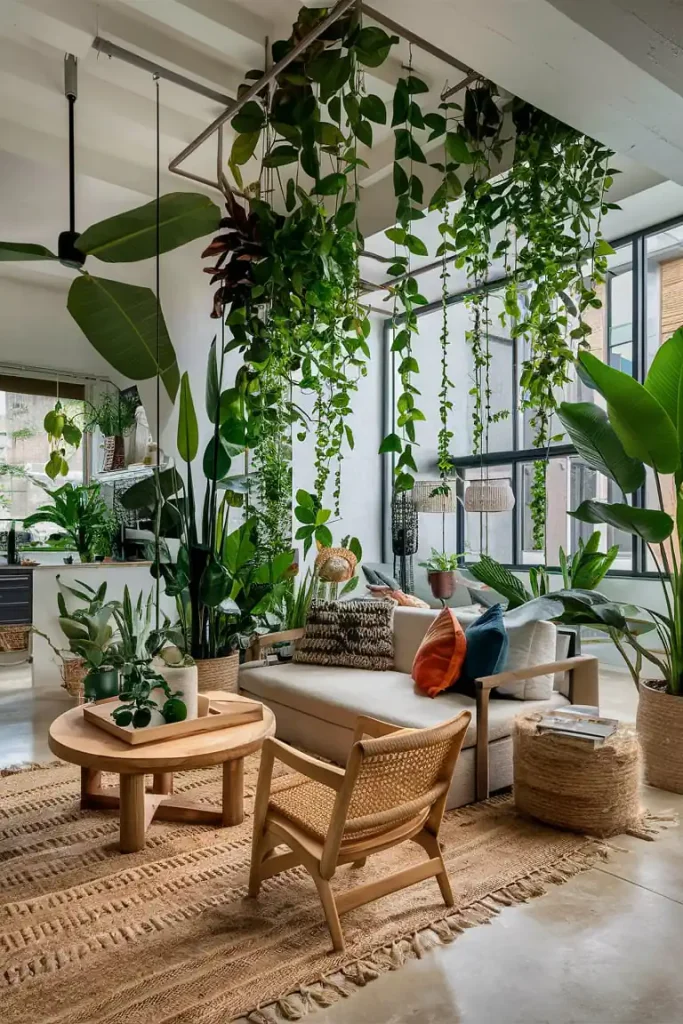
Urban Jungle

Urban Jungle design brings nature into city homes. This style mixes plants with modern decor to create a lush indoor oasis. It’s perfect for people who want to feel connected to nature while living in urban areas.
The key to Urban Jungle is using lots of plants. Big leafy plants, hanging vines, and small succulents all work well. Designers often use a mix of plant sizes and types to create a varied, natural look.
Natural materials play a big role in this style. Wood, rattan, and jute add warmth and texture. These materials can be used in furniture, flooring, or decorative items.

Color choices in Urban Jungle often mimic nature. Greens, browns, and earth tones are common. These colors help create a calm, peaceful atmosphere.
Lighting is important in Urban Jungle designs. Soft, warm light helps plants grow and adds to the cozy feel. Natural light is best, but designers also use lamps to create the right mood.

Urban Jungle isn’t just about looks. It can improve air quality and reduce stress. Many people find that being around plants helps them relax and feel more at peace.
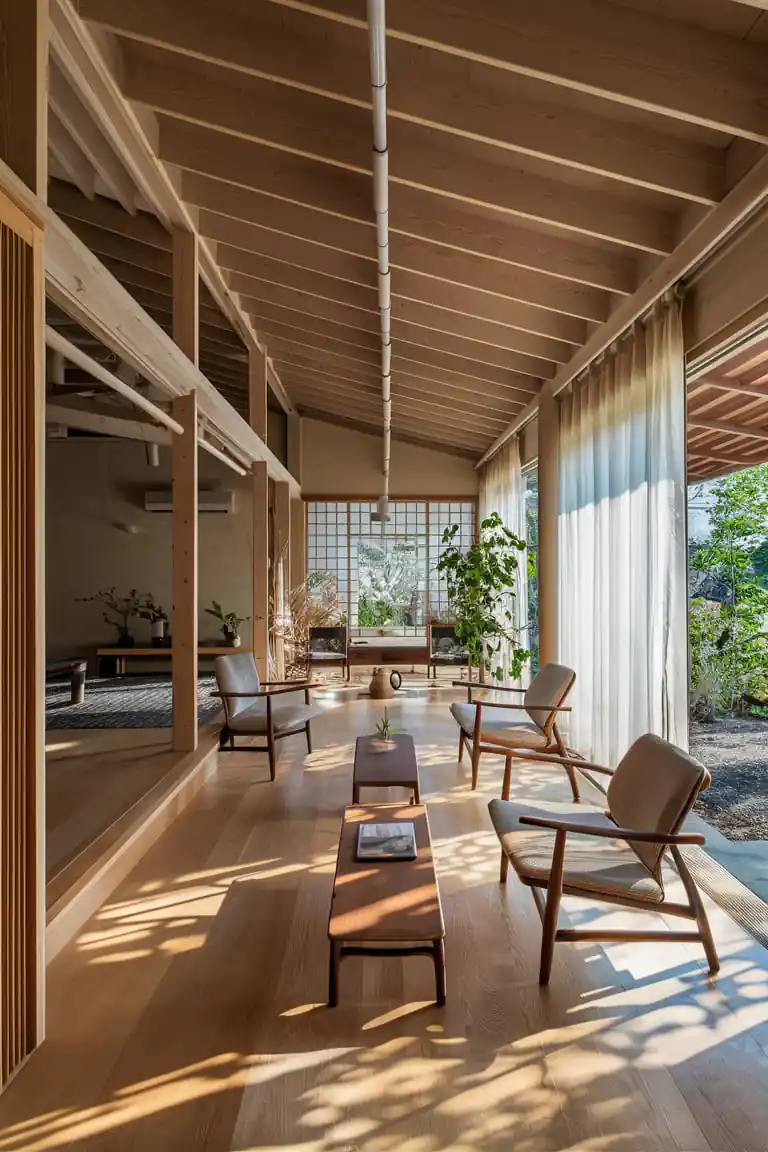
Japandi Fusion

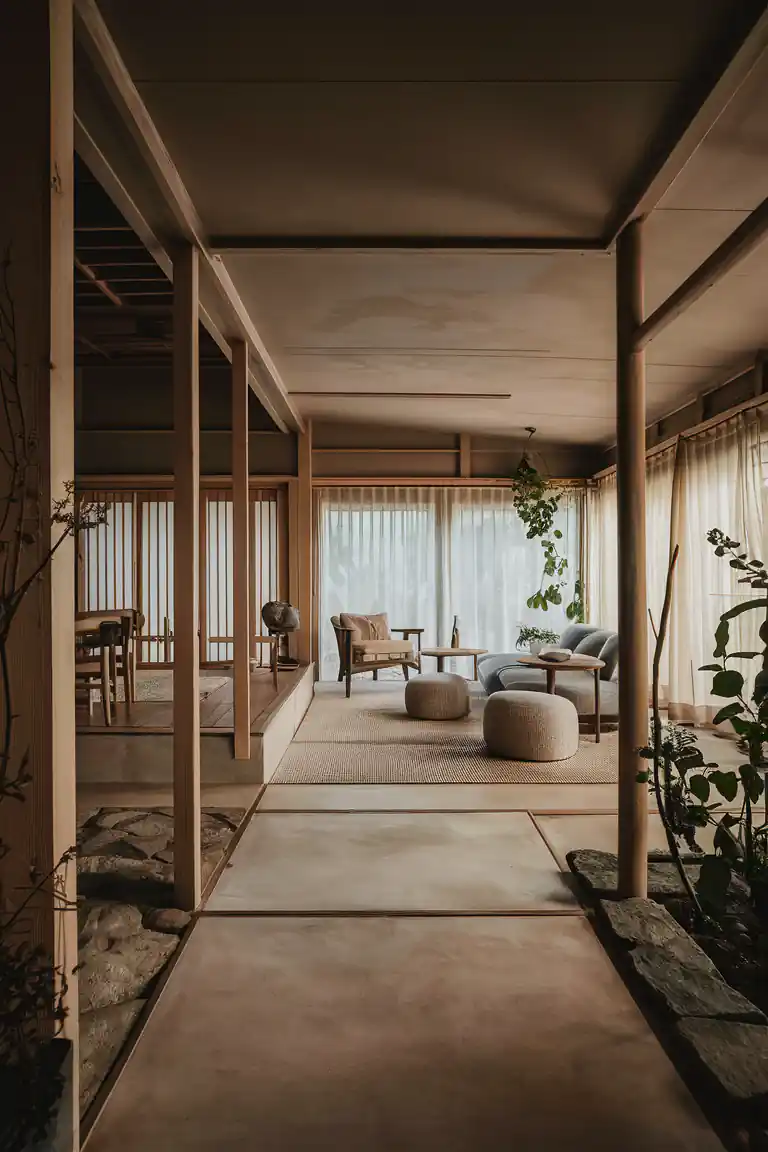
Japandi fusion blends Japanese and Scandinavian design elements to create a unique modern organic interior style. This approach combines the warm minimalism of Scandinavian decor with the simplicity and natural aesthetics of Japanese design.
Japandi interiors feature clean lines, neutral color palettes, and natural materials like wood, bamboo, and stone. The style emphasizes simplicity and functionality, with carefully chosen furniture pieces that serve a purpose.


Natural light plays a key role in Japandi spaces. Large windows and sheer curtains allow sunlight to fill rooms, creating a bright and airy atmosphere. Indoor plants are often used to bring nature indoors and add a touch of greenery.
Textures are important in Japandi design. Soft fabrics like linen and wool are paired with smooth surfaces to create visual interest. Handcrafted items and artisanal pieces add character and warmth to the space.
The color scheme typically includes muted tones like beige, gray, and white, with occasional pops of earthy colors. This creates a calm and serene environment that promotes relaxation and mindfulness.
Sustainable Luxury
Sustainable luxury in organic modern interiors blends high-end design with eco-friendly practices. This approach uses premium materials from renewable sources or recycled content.
Designers choose sustainably harvested wood, bamboo, and cork for flooring and furniture. They opt for natural stone countertops and recycled glass tiles.
Organic textiles like linen, wool, and organic cotton add comfort and style. These fabrics are often dyed with plant-based colors to reduce chemical use.


Furnishings may include vintage pieces or items made from reclaimed materials. This gives spaces a unique character while reducing waste.
Water-saving fixtures and low-VOC paints improve indoor air quality. Living walls or potted plants bring nature indoors and boost air purity.
Sustainable luxury proves that high-end design can coexist with environmental responsibility. It creates beautiful, comfortable spaces that respect the planet.
Organic Nordic
Organic Nordic style blends modern Scandinavian design with natural elements. It creates a cozy and inviting atmosphere while keeping things simple and functional.
This look uses light wood tones and white walls to make spaces feel bright and airy. Furniture has clean lines and smooth curves, often made from oak or birch.


Textiles play a big role in Organic Nordic interiors. Wool throws, linen curtains, and sheepskin rugs add warmth and texture. Colors stick to soft, muted tones like beige, gray, and pale blue.
Plants are key in this style. Potted trees, hanging vines, and small succulents bring life to rooms. Natural materials like stone, rattan, and jute are also common in decor items.
Lighting is soft and warm, with paper lanterns or woven pendant lights. Windows are often left bare to let in plenty of natural light.
The goal of Organic Nordic design is to create a calm, nature-inspired space that feels both modern and cozy. It’s perfect for those who want a simple yet stylish home.
Mediterranean Organic
Mediterranean Organic style combines the sun-drenched charm of Mediterranean design with modern organic elements. It creates a warm, inviting atmosphere that feels both timeless and contemporary.
This look embraces sun-baked colors like terracotta, ochre, and azure blue, paired with crisp whites to create a bright, airy feel. Walls often feature textured finishes such as rough plaster or limewash, adding depth and character to the space.


A key aspect of Mediterranean Organic is the seamless blend of indoor and outdoor living. Large windows, French doors, and covered patios help bring the outside in. Arched doorways and windows are signature elements, adding a romantic, old-world touch to modern spaces.
Furniture in this style tends to be sturdy and functional, often crafted from local materials. You might find a mix of modern pieces with clean lines alongside more traditional items with ornate details. Wrought iron is commonly used for lighting fixtures, bed frames, or as decorative elements.
Floors typically feature terracotta tiles, adding warmth and earthiness to the space. These may be paired with natural fiber rugs like jute or sisal for added texture.

Textiles play a crucial role in Mediterranean Organic interiors. Linen curtains, cotton throws, and silk cushions in muted, natural tones add softness and comfort. Patterns might include subtle geometrics or traditional Mediterranean motifs.
Plants are essential in this style, with olive trees, citrus plants, and herbs commonly featured. Terracotta pots and ceramic planters add to the earthy, organic feel.
Lighting is warm and inviting, with wrought iron chandeliers, ceramic table lamps, or woven pendant lights creating a cozy ambiance.
Decorative elements often include handmade ceramics, woven baskets, and artwork inspired by Mediterranean landscapes or sea life.

The goal of Mediterranean Organic design is to create a relaxed, sun-soaked space that feels connected to nature and history while still being thoroughly modern. It’s ideal for those who want a home that feels like a permanent vacation, blending the best of contemporary design with timeless Mediterranean charm.