Autumn is the perfect opportunity to affordably and sustainably transform your outdoor space. The season’s unique advantages help enhance curb appeal, reduce waste, and prepare your garden for winter and spring. This guide shows how to use strategic timing and low-waste techniques to create a more productive garden for under $200.

George is a seasoned interior designer and property marketing strategist with over 13 years of experience. He specializes in transforming properties into visually stunning spaces, helping clients recognize the potential and beauty in each property. With an impressive international client base of exciting projects throughout Europe and America.
Why Autumn is Perfect for Budget Upgrades?
Autumn is ideal for cost-effective garden improvements due to its mild temperatures, increased rainfall, and plentiful natural resources.
Autumn is the best time for better planting; the warm soil and cool air help new plants establish strong roots, leading to more vigorous spring growth. Autumn provides free resources, and fallen leaves provide valuable soil conditioner, saving you the cost of buying compost. Fewer dormant plants allow for building projects like pathways or raised beds with minimal disturbance to your garden.
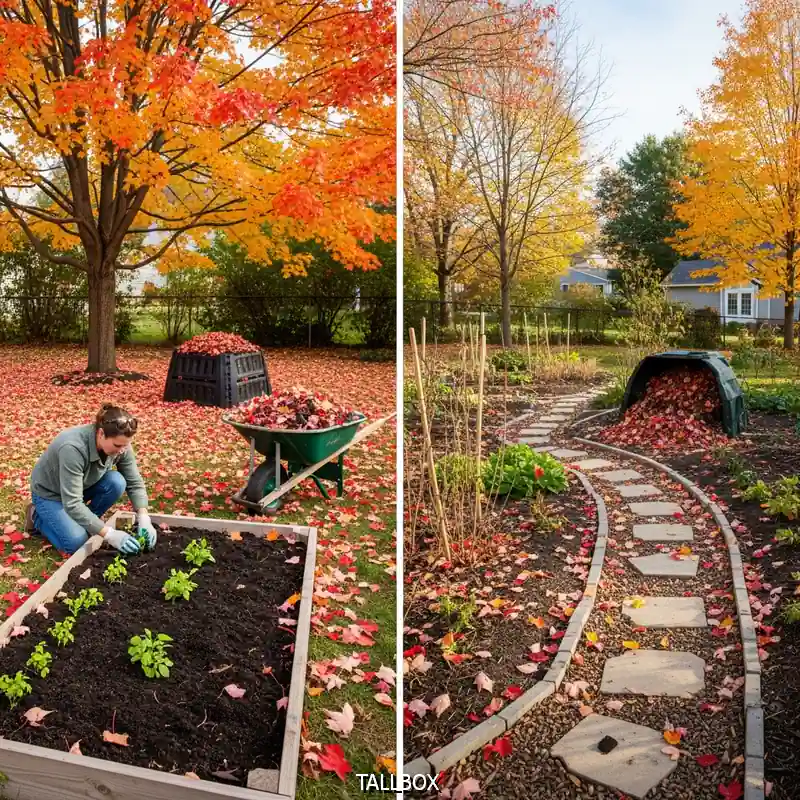
Quick Autumn Prep That Boosts Curb Appeal
A polished outdoor space begins with a clear and organised foundation. An autumn audit is the most effective first step toward achieving immediate visual impact.
20-Minute Impact Checklist:
- Sweep paths and patios.
- Weed one prominent border or path edge to enhance the fall landscape.
- Group scattered small pots into one cohesive cluster.
- Deadhead any remaining flowers on roses or dahlias.
- Clean the glass on outdoor lanterns.
For more ideas on creating a welcoming exterior, see our guide to Curb appeal for outdoor areas can be enhanced with cozy string lights and fall decorations.
Audit and Declutter: Begin by performing a systematic sweep of all hard surfaces. Edge lawns and de-weed paths to maintain a tidy appearance in your backyard landscaping ideas. to create clean, defining lines that restore structural integrity to your garden layout. Organise tools, stack pots neatly, and remove any failing summer annuals to instantly reduce visual noise.
Budget-Friendly Colour Swaps: Introduce resilient autumn colour without the expense of mature plants. Violas, pansies, heathers, and ornamental grasses provide texture and vibrancy that persists through colder weather. Opt for plug plants or seeds over larger, established specimens to dramatically reduce costs. For example, a tray of viola plugs can fill multiple containers for the price of a single pre-planted pot.
Focus on the Entryway: Consider adding a wreath to create a warm and inviting atmosphere. Your home’s entrance is a primary focal point. Redefine path borders to create a cozy autumn retreat in your backyard space. with stones or reclaimed bricks, position planters filled with hardy evergreens by the door, and add a simple, reclaimed accent like a vintage watering can or a small wooden stool.
Start Composting: Turn Leaves into Garden Gold
Autumn provides the single most valuable ingredient for soil health: carbon-rich leaves, perfect for creating a cozy atmosphere in your outdoor living space. Instead of discarding them, convert them into a nutrient-dense soil amendment.
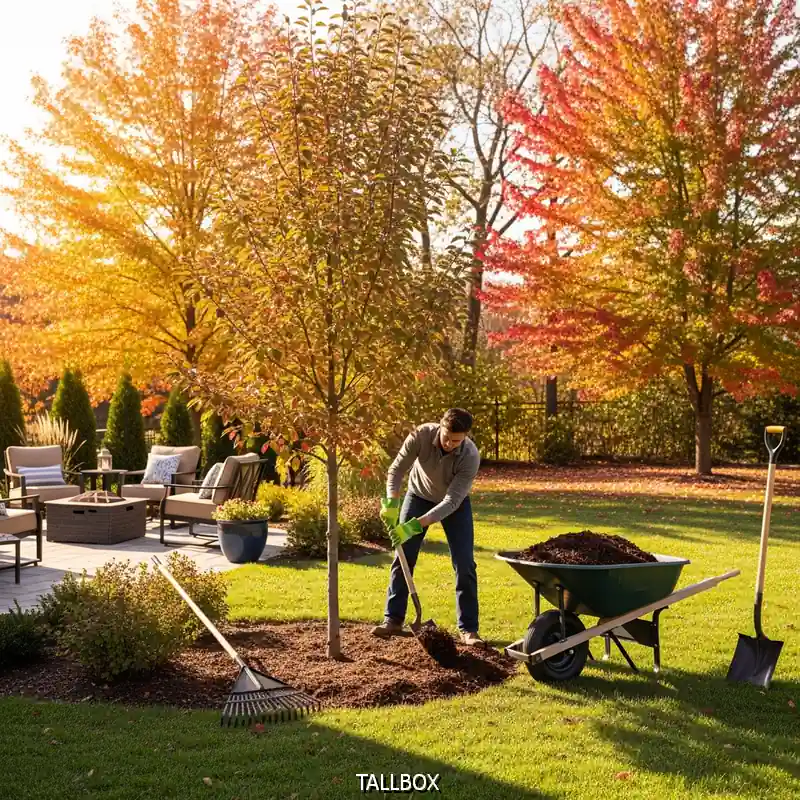
Transform your backyard with various leaf management options for the fall season.
- Compost Pile: Leaves serve as the “brown” material, essential for balancing nitrogen-rich “green” materials like grass clippings and kitchen scraps. This method produces a general-purpose soil improver.
- Leaf Mould: A simpler process involving only leaves, which are left to decompose slowly over one to two years. The resulting product is a superb soil conditioner and potting mix ingredient.
- Mulch: Shredded leaves can be applied directly to garden beds as a protective top layer.
Small-Space Setups: You do not need a large garden to make compost. A pallet pen can be transformed into a cozy seating area for your fire pit during the fall season. can be constructed for free from three or four reclaimed pallets.
A standard compost bin works well in smaller spaces, while the bagged leaf-mould method Simply requires packing damp leaves into black bin bags, piercing them for airflow, and storing them out of sight to maintain a cozy backyard.
Composting Basics for different climates: The key to effective composting is balancing carbon (“browns” like leaves, cardboard, twigs) with nitrogen (“greens” like grass clippings, vegetable peels), which can enhance your fall garden. Aim for a ratio of roughly three parts brown to one part green.
Keep the pile as moist as a wrung-out sponge and turn it with a garden fork every few weeks to introduce oxygen, which accelerates decomposition. A healthy pile should be ready in 6-12 months.
Troubleshooting: A foul smell often indicates too much green material or insufficient air; fix this by adding more leaves and turning the pile. Avoid adding cooked food, meat, dairy, or diseased plants, as these can attract pests and introduce pathogens.
DIY Mulch and Soil Boosters from Yard Waste
Mulching in autumn is a critical step for protecting soil structure and plant health through the winter. You likely already have all the materials you need.
Free Mulch Materials:
- Shredded Leaves: An excellent all-purpose mulch. Run a lawnmower over them first to speed up decomposition, which can help prepare your garden for a cozy fire pit area.
- Homemade Compost can be a great addition to your fall landscaping ideas. Apply a layer of your own finished compost to feed the soil over winter.
- Cardboard: Use plain brown cardboard (no glossy inks or tape) for sheet mulching, an effective technique for suppressing persistent weeds. Lay it directly on the soil and cover it with another organic material.
- Woodchips: Often available for free from local arborists or council recycling centres. Ideal for paths and around established shrubs and trees in your cozy autumn backyard.
- Grass Clippings: Apply in thin layers to avoid creating a slimy, anaerobic mat, which can hinder the development of a vibrant outdoor living space.
Application Technique for your backyard landscape: Apply mulch to bare soil in garden beds, around the base of trees (tree rings), and on the top of container soil. A depth of mulch can create a cozy environment for plants during the fall season. 5-10 cm (2-4 inches) Mulching is ideal for retaining moisture, suppressing weeds, and providing thermal insulation for plant roots, especially in your outdoor living space.
Cautions: Be cautious of the weather-resistant materials you choose for your landscape design. When using fresh woodchips or unshredded leaves, they can temporarily “lock up” nitrogen in the soil as they decompose, impacting your landscape design. To counteract this, ensure the soil is healthy beforehand or add a nitrogen source. To prevent slug issues, leave a small, clear ring around the base of vulnerable plants. Crucially, always keep mulch away from the trunk flare Prune the bases of trees and shrubs to prevent rot and maintain a healthy fall landscape.
Clear Old Growth to Make Way for Autumn Projects
Fall is the perfect season to tackle long-overdue garden cleanups especially those that involve clearing out old, unused spaces or removing problematic tree stumps. Not only does this help prepare your landscape for winter, but it also opens up space for new planting beds, compost areas, or fire pit zones.
Tree stumps left behind from summer storms or previous removals can become tripping hazards, attract pests, or interfere with garden design plans. If you’re planning major autumn upgrades like raised beds, seating areas, or a new path, it’s worth finding stump grinding service in a nearby area to handle the removal efficiently. This one-time task can dramatically improve your garden’s usability and appearance with minimal disruption.
Removing old stumps also improves soil health by eliminating decaying wood that could harbor fungi or insects making your autumn mulching, composting, and planting efforts far more effective.
Upcycle and Repurpose for Fast Wins
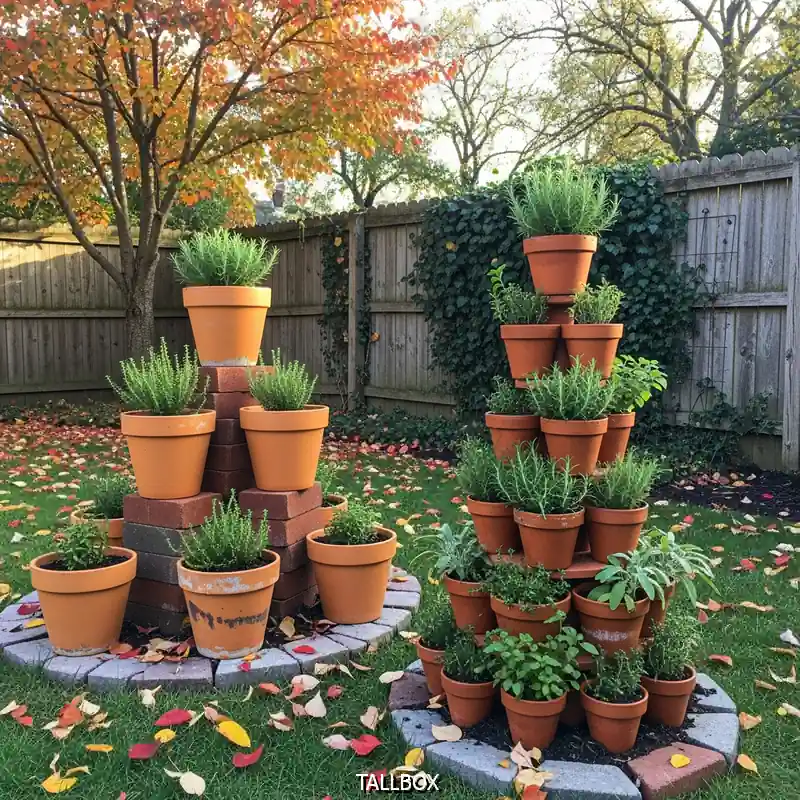
Transform common garden waste and reclaimed items into functional and aesthetic features with minimal effort.
Old Pots: Instead of storing them, consider incorporating them into your backyard design. create tiered herb towers by stacking pots of decreasing size. Alternatively, paint them a uniform colour and arrange them in a focal cluster, using bricks or stones to vary their height for a cozy backyard look.
Logs and Branches are essential elements in many backyard landscaping ideas. Section larger branches or logs to create rustic edging for a woodland-style path. Drill holes of various sizes into a log to form a simple bug-hotel module. A single, wide log can also serve as informal seating.
Bricks and Stones: Use spare bricks to build a low-maintenance path border by setting them on their edge in a shallow trench. A small stack can become a mini raised bed for alpine plants or a decorative plinth for a feature pot.
Pallets can be repurposed to create outdoor furniture, enhancing your cozy backyard. A single pallet can be stood on its end and used as a A vertical planter can transform your outdoor space into a lush, green retreat, perfect for enhancing your fall landscape.
Use landscape fabric for strawberries or herbs to create a cozy, inviting seating area in your backyard. Three pallets screwed together form the walls of a highly effective compost bin.
Pro Tip: Always use heat-treated (stamped with “HT”) pallets for gardening projects, avoiding those treated with chemicals (stamped “MB”).
Budget Autumn Upgrades: Where to Spend vs. Save
A strategic approach to spending ensures every pound delivers a tangible return in visual appeal or reduced future maintenance.
Where to Spend on backyard upgrades (High ROI)?
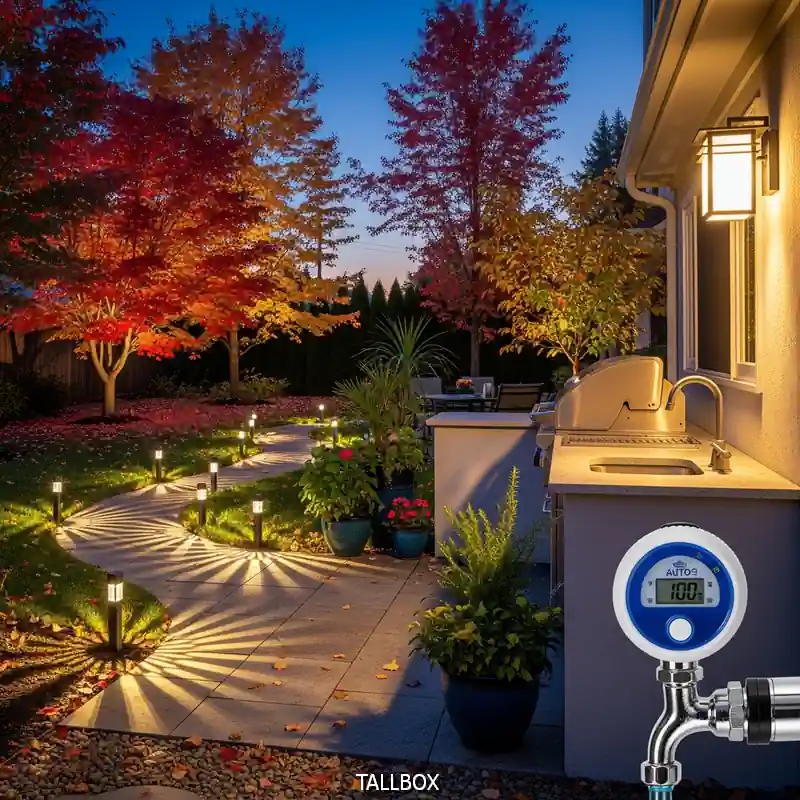
- Solar Path Lighting: Modern solar lights offer surprising brightness and can transform the usability and ambiance of a garden after dark.
- Entry Lantern Refresh: A new, energy-efficient bulb or a clean-up and repaint of an existing door lantern provides an immediate curb appeal boost.
- Water timers can be a great way to add convenience to your outdoor kitchen during the fall months. Investing in a simple tap timer will pay dividends in water conservation and plant health next spring and summer.
Where to Save on backyard upgrades?
- Plants are essential components of any backyard space design. Propagate existing perennials by dividing them, take cuttings, or swap plants with neighbors to create a cozy fall backyard.
- Hardscaping can transform your backyard into a beautiful seating area for the fall season. Source bricks, paving slabs, and gravel for free from online community groups like Freecycle or local marketplaces to enhance your landscaping ideas.
- Soil amendments can help create a cozy environment for your plants in the fall season. Make your own compost and leaf mould instead of buying bags from a garden centre.
Sample $110 Plan:
- $40 on a set of 6-8 quality solar spotlights Use string lights to illuminate a path or feature tree, creating a warm and inviting atmosphere for your fall gatherings.
- $30 on a curated selection of winter-hardy plug plants Consider planting asters (heathers, grasses, pansies) for containers to brighten your fall landscape.
- $30 on a durable garden tool like a sharp edging spade or a compost aerator that will last for years.
Community Sourcing: Explore tool libraries for borrowing items you only need once, like a shredder. Connect with local arborists for free woodchips and neighbours for plant divisions.
Sustainable Autumn Garden Habits
Incorporate these simple, recurring tasks into your routine to create a more resilient and bio-diverse garden ecosystem that enhances your outdoor living space.
- Establish a Weekly Cadence: Treat your leaf sweep as a sorting process. Designate separate resource streams for leaves destined for the compost pile (mulching), those for leaf mould bags (soil conditioning), and any diseased material for council collection.
- Practice Water-Smart Management: Autumn is the ideal time to clean your water butt and ensure it is correctly positioned to capture maximum runoff from a roof. Check and clear gutters to prevent blockages and ensure water flows where it should.
- Promote Biodiversity: Resist the urge to cut back everything. Leave the stems and seed heads of perennials like echinacea and rudbeckia standing over winter. They provide crucial food and habitat for birds and beneficial insects. A small, undisturbed pile of leaves and logs in a quiet corner can serve as a vital refuge for wildlife.
- Get a Head Start on Spring: As you tidy and divide plants, add labels so you remember what is where. Cover any large patches of bare soil with mulch or cardboard to prevent winter weeds. Make notes or take photos of gaps in your borders to inform your spring planting plan.
If this is the first time you would most likely have a large areas of material to remove or larger-scale clear-outs of overgrown areas or removal of old, non-reusable materials, a Temporary Dumpster rental can handle the waste efficiently and in one load. Choosing the right size is key to managing costs and waste effectively:
- A 10-yard dumpster is suitable for small cleanouts like clearing a single overgrown flowerbed or disposing of a few cubic meters of old soil and non-compostable yard waste.
- A 15 or 20-yard dumpster is ideal for mid-sized projects with bulkier items, such as removing an old fence, clearing out a dilapidated shed, or disposing of old paving stones.
Mini Backyard Upgrade Project
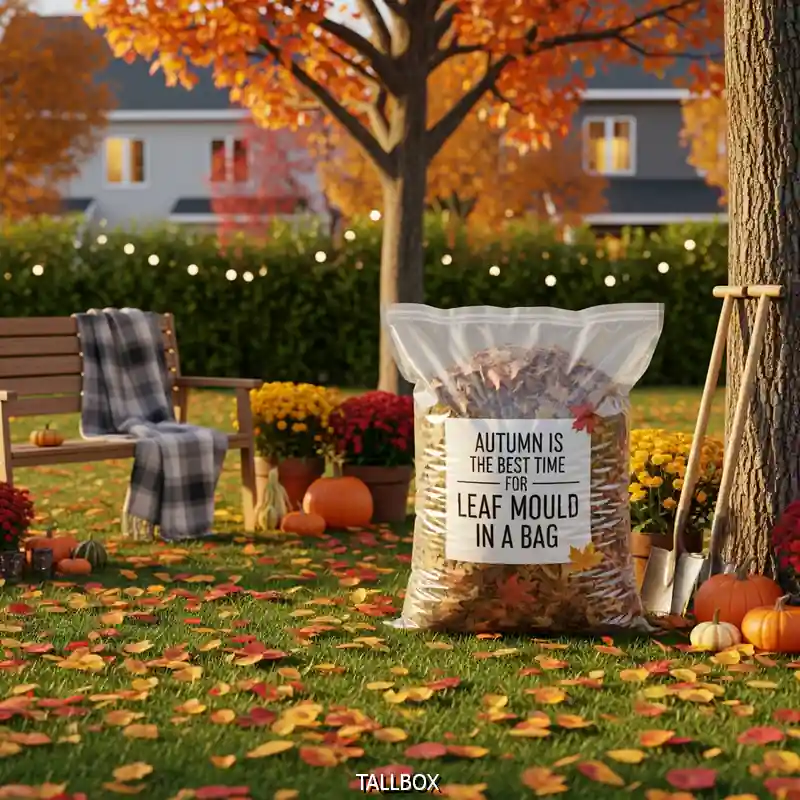
How to Make Leaf Mould in a Bag (3 Steps) for your fall garden?
- Materials: Use heavy-duty black bin bags, fallen leaves, a garden fork or stick to create a cozy atmosphere in your fall backyard, perfect for gathering with friends around an outdoor fireplace.
- Process: Shred tougher leaves by mowing over them first. Pack the leaves tightly into the bags, adding a little water if they are very dry, to create a cozy base for your fall backyard.
- Cure your soil amendments to create a cozy atmosphere for your plants. Pierce the bags several times with a fork to allow airflow, tie the tops, and store them in a shady spot for 1-2 years.
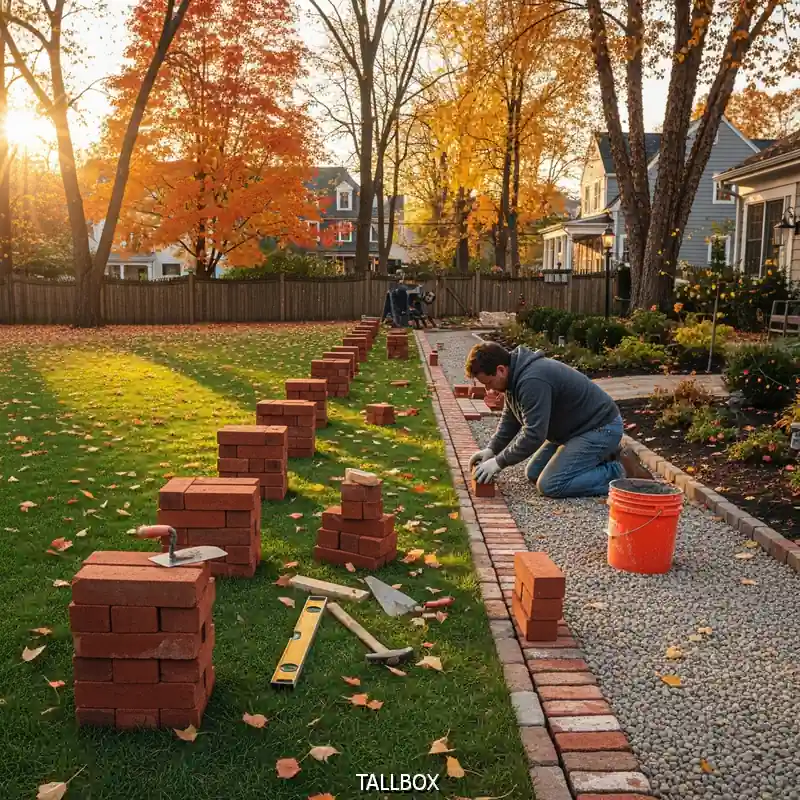
How to Build a Brick Path Border (7 Steps)?
- Materials: Reclaimed bricks, builder’s sand, a spade, a string line, a rubber mallet, a spirit level.
- Layout: Mark your border with a string line tied between two stakes.
- Trench: A well-designed trench can serve as a gathering space for your outdoor living space. Dig a shallow, flat-bottomed trench along the line, deep enough to bury about half the brick’s height.
- Base: Add a 2-3 cm layer of sand to the trench base for drainage and leveling, creating a cushion for the plants above.
- Set bricks around a water feature to create a charming focal point in your outdoor space. Place the bricks tightly together on the sand base, tapping them into place with the mallet.
- Level the ground to prepare for the installation of outdoor furniture in your cozy backyard. Use the spirit level across several bricks at a time to ensure a consistent height.
- Backfill: Push soil firmly against both sides of the finished border to secure it.
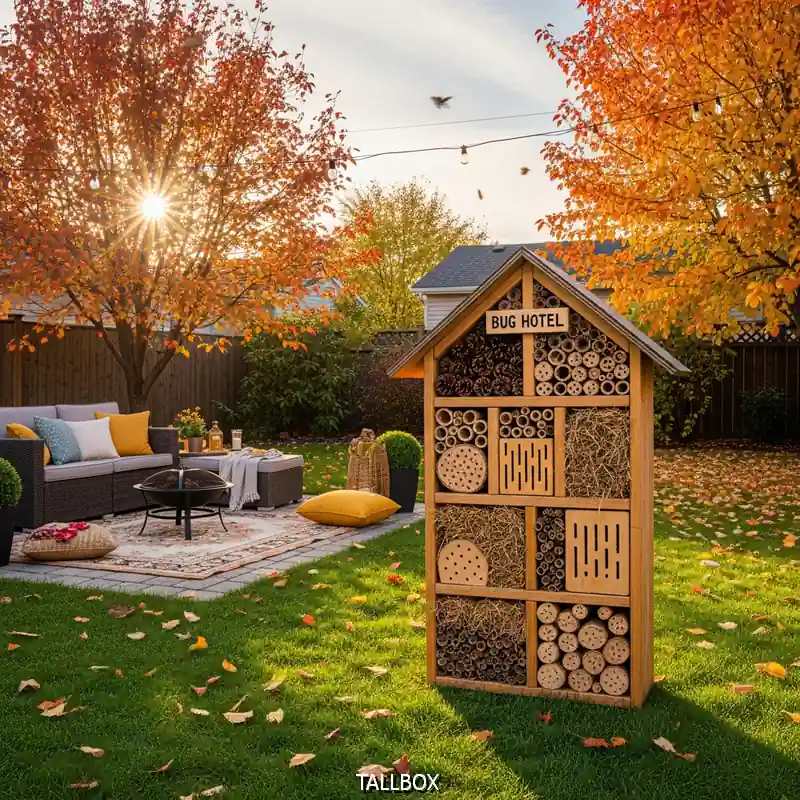
How to Assemble a Bug Hotel (5 Modules)?
- Frame: Use a simple box frame made from reclaimed wood or stacked bricks.
- Logs & Wood: Drill holes of varying diameters (2-10mm) into logs and blocks of wood for solitary bees.
- Canes & Stems: Pack hollow stems like bamboo canes, teasel heads, and raspberry canes tightly into a section for lacewings.
- Tiles & Stones: Create cool, damp crevices for frogs and newts by stacking broken terracotta tiles or stones.
- Siting your plants properly can enhance the cozy feel of your small backyard landscaping ideas. Place the hotel in a sheltered spot with some sun and some shade, ideally near nectar-rich plants.
Bridge Your Garden and Home with Professional Design
While these DIY projects enhance your garden, a cohesive design creates a seamless flow between your indoor and outdoor spaces. A thoughtfully designed garden should feel like another room, reflecting your home’s architecture and style.
If you want to create a fully integrated outdoor living area, our design team can help. We offer consultations to develop a unified garden plan that elevates your style and property value. Contact us to design an outdoor sanctuary that connects beautifully with your home.
Frequently Asked Questions
How thick should autumn mulch be and where? Apply a layer of organic mulch, such as shredded leaves or compost, 5-10 cm (2-4 inches) deep on bare soil in garden beds and around shrubs. Avoid piling it directly against plant stems or tree trunks.
Can I compost only leaves—do I need greens? Composting only leaves will create leaf mould, a fantastic soil conditioner. For a faster, hotter compost that breaks down into a nutrient-rich fertiliser, you need to add “green” materials (like grass clippings or kitchen scraps) to provide nitrogen.
When should I stop planting containers in the autumn (US timing) to ensure they thrive during the cozy autumn evenings? In most of the US, you can safely plant hardy perennials, shrubs, and winter bedding like pansies in containers until the weather-resistant frost sets in. late October. This gives them enough time to establish roots before the ground freezes, ensuring a warm and inviting garden for the fall season.
How do I avoid slugs when mulching to ensure my pumpkin plants thrive? Slugs can shelter in mulch. To minimise issues, avoid excessively thick layers, leave a small gap around the base of vulnerable plants, and use rougher materials like bark chips or wool pellets, which are less attractive to them.
What’s the difference between compost and leaf mould? Compost is a nutrient-rich fertiliser created by the rapid decomposition of a mix of green (nitrogen) and brown (carbon) materials. Leaf mould is a soil conditioner made purely from the slow, fungal decay of leaves; it is lower in nutrients but excellent at improving soil structure and water retention.
Tools and Materials Checklist
You Likely Already Have: Rake, garden shears, heavy-duty bags or buckets, a drill, a hand trowel, a spade.
Nice-to-Have Upgrades: A garden shredder (for woodier waste and faster composting), a lawn edging tool, a head torch (for working as evenings get shorter), a compost thermometer.
Free and Low-Cost Sources: Look for free and low-cost sources of pumpkin decorations and wreaths to enhance your fall evenings. Check community forums and Freecycle for unwanted pots and tools, contact local tree surgeons for free woodchips, and visit council recycling centres for soil improver.