George is a seasoned interior designer and property marketing strategist with over 13 years of experience. He specializes in transforming properties into visually stunning spaces, helping clients recognize the potential and beauty in each property. With an impressive international client base of exciting projects throughout Europe and America.
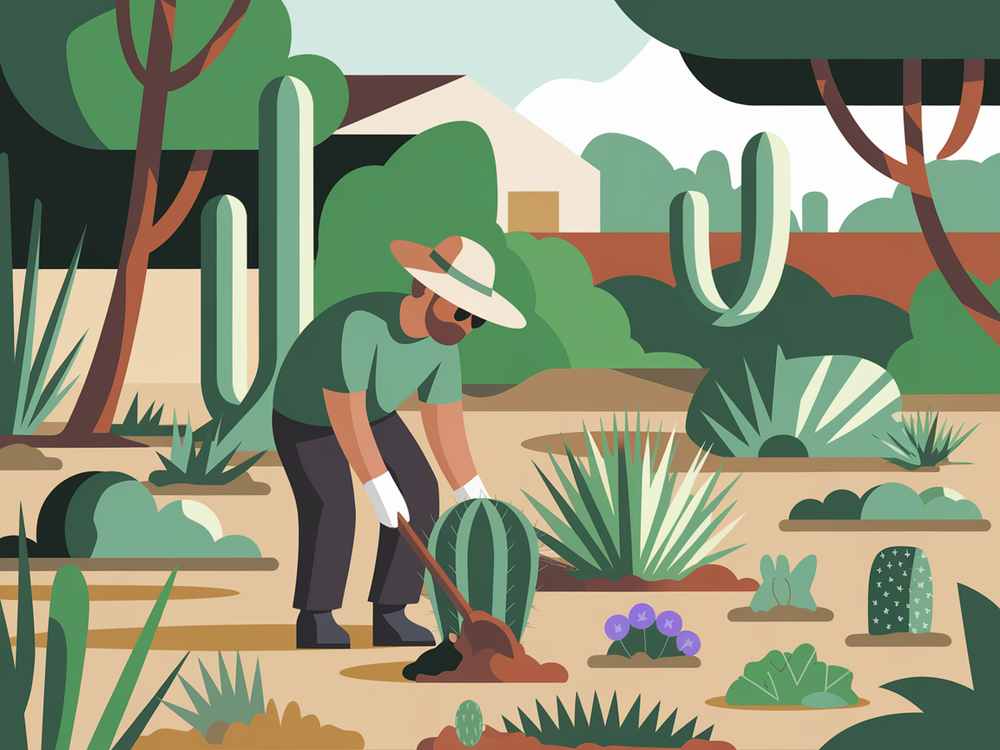
Xeriscaping companies help you create water-efficient outdoor spaces by designing, installing, and maintaining environments that thrive in dry climates.
They’ll evaluate your site conditions, select drought-tolerant plants, and install efficient irrigation systems that can cut water usage by up to 60% and even 70% in some cases. These specialists incorporate features like permeable pavers, rock gardens, and native species while ensuring compliance with local regulations. Uncover how these sustainable environments can change your property while lowering maintenance costs.
Xeriscaping Company Services and Expertise
As homeowners increasingly seek sustainable landscaping solutions, xeriscaping companies have emerged as specialists in creating water-efficient outdoor spaces that thrive in dry climates. These companies offer extensive services focused on reducing water consumption while maintaining beautiful, functional environments through skilled design, installation, and maintenance.
The experienced xeriscaping professionals can help you change your property using drought-tolerant plants and efficient irrigation systems that can cut water usage by up to 70%. They’ll evaluate your site conditions and create custom designs incorporating native species, strategic hardscaping, and water-smart features like drip irrigation and intelligent controllers.
You’ll benefit from their knowledge in selecting plants specifically suited to your local microclimate. These might include native grasses, flowering perennials, and shrubs that require minimal watering once established. They’ll additionally integrate functional elements like boulder accents, gravel pathways, and permeable pavers to manage water flow and create visual interest.

The Xeriscaping Installation Process
The installation process typically includes soil preparation, irrigation system setup, and careful placement of plants and hardscape materials. Professional xeriscaping companies use organic mulches and soil amendments to improve water retention and reduce maintenance needs.
They’ll construct berms, swales, and rock streambeds to capture and direct rainwater effectively throughout your environment.
Irrigation is a vital component of xeriscaping success. Companies install efficient systems with intelligent controllers and perform regular audits to guarantee effective water delivery. They’ll train you on system operation and maintenance, helping you take advantage of utility rebates for water-saving upgrades.
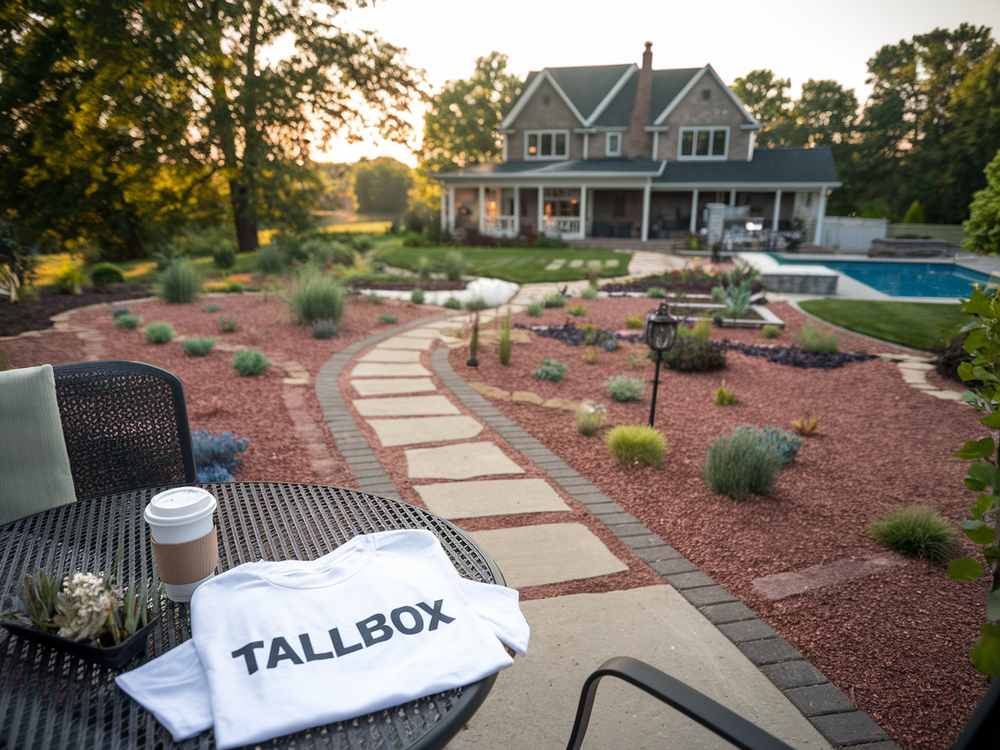
Comprehensive Xeriscaping Services
These companies hold various professional certifications, including Certified Landscape Professional and Certified Irrigation Designer credentials. They maintain in-house design teams and field crews to manage projects from concept to completion, backing their work with warranty guarantees on both materials and workmanship.
Beyond basic landscaping, xeriscaping companies often incorporate edible landscapes and permaculture principles into their designs. They create pollinator-friendly habitats and focus on long-term ecological sustainability.
You’ll receive guidance on seasonal maintenance requirements and water management strategies customized to your specific environment needs.
Most importantly, these specialists understand local regulations and work within compliance requirements while helping you create a low-maintenance, cost-effective outdoor space. Their designs not only conserve water but also improve your property’s visual appeal and environmental impact, making xeriscaping a smart investment for both your wallet and the planet.
Top Xeriscaping Companies in the USA
This list highlights some of the top-rated xeriscaping companies across the United States, specializing in creating beautiful, water-efficient landscapes.
1. Xeris Landscaping
Location: Denver, CO
Rating: 5.0 (14 reviews)
Specialization: Landscape design, landscape architecture, and service establishment.
Key Features:
- Known for meticulous work and high-quality designs.
- Focuses on creating sustainable and water-efficient landscapes.
2. Evergreen Ecoscape and Design LLC
Location: Colorado Springs, CO
Rating: 4.9 (111 reviews)
Specialization: Landscaping, drainage services, garden design, and landscape lighting.
Key Features:
- Women-owned business offering online estimates.
- Renowned for exceptional customer service and eco-friendly designs.
3. Xeriscapes Unlimited, Inc.
Location: Phoenix, AZ
Rating: 3.6 (16 reviews)
Specialization: Lawn sprinkler systems and landscaping.
Key Features:
- Focuses on xeriscaping solutions tailored to Arizona’s harsh climate.
- Offers wheelchair-accessible facilities for clients.
4. High Mountain Xeriscape
Location: Centennial, CO
Rating: 5.0 (1 review)
Specialization: Landscape design.
Key Features:
- Offers customized xeriscaping solutions for residential properties.
- Highly rated for personalized service.
5. Exterior Design Landscapes
Location: Colorado Springs, CO
Rating: 4.8 (21 reviews)
Specialization: Landscape design, concrete work, retaining walls, and irrigation systems.
Key Features:
- Known for innovative designs and professional installations.
- Offers wheelchair-accessible parking and requires appointments for consultations.
6. Land Designs By Colton
Location: Denver, CO
Specialization: Full-service xeriscaping design and installation.
Key Features:
- Recognized as one of the best xeriscaping companies in Denver.
- Offers custom outdoor spaces with a focus on sustainability.
7. EarthWorks
Location: Texas
Specialization: Commercial xeriscaping and hardscaping services.
Key Features:
- Staff includes certified arborists and irrigation technicians.
- Provides tailored solutions for commercial properties to conserve water while enhancing aesthetics.
8. U.S. Lawns
Location: Cedar Park, TX (nationwide network)
Specialization: Commercial xeriscaping landscaping services.
Key Features:
- Focuses on sustainable designs that highlight native plants while conserving resources.
- Offers customized care plans to maintain xeriscaped properties.
9. Pitt Landscape & Construction
Location: Salt Lake County, UT
Specialization: Custom xeriscaping design and installation services.
Key Features:
- Integrates native plants with efficient irrigation systems to create sustainable landscapes.
- Helps clients qualify for local government rebates for water-efficient landscaping.
These companies represent some of the best options for xeriscaping in the U.S., offering expertise in sustainable landscaping tailored to regional climates and customer needs. Whether you’re looking for residential or commercial services, these firms provide innovative designs that conserve water while enhancing property aesthetics.
How do I choose the right xeriscaping company for my budget?
Choosing a xeriscaping company that fits your budget requires careful planning and research. Here's a guide to help you make the right choice:
1. Assess Your Budget and Project Scope
Keywords: Cost estimation, project size, materials.
- Determine Your Budget: The national average cost for xeriscaping is $17,000, with a typical range of $15,120–$18,400 for 1,000–2,000 square feet. Smaller projects (e.g., 500 sq. ft.) can cost between $3,500–$9,165, while larger projects (e.g., 2,000 sq. ft.) can range from $10,000–$40,000. DIY xeriscaping can significantly reduce costs.
- Define Project Size: Knowing the square footage of your project area is crucial for accurate cost estimates.
- Consider Material Costs: Different materials (plants, rocks, mulch) have widely varying costs.
2. Identify Your Needs
Keywords: Project scope, design complexity.
- Outline Your Requirements: Determine whether you need a simple design or a more complex project involving hardscaping (e.g., pathways or retaining walls), which can increase costs.
- Include Additional Services: Factor in the cost of any additional services you might need, such as irrigation system installation or tree removal. These can add $650–$6,700 depending on the task.
3. Research Local Companies
Keywords: Local expertise, reviews.
- Find Local Experts: Look for companies with experience in xeriscaping in your region. They will be familiar with local drought-tolerant plants and climate conditions.
- Read Reviews: Check online reviews and ratings to gauge customer satisfaction and reliability.
4. Compare Quotes
Keywords: Transparent pricing.
- Get Multiple Quotes: Request quotes from multiple companies to compare pricing and services offered.
- Understand Pricing: Professional installation typically costs $5–$20 per square foot, including materials and labor. Be sure to get a detailed, itemized quote.
5. Evaluate Cost-Saving Options
Keywords: DIY elements, phased approach.
- Consider DIY: Reduce costs by doing part of the work yourself (e.g., planting or mulching).
- Phase the Project: Implement the project in stages over time to spread out the costs.
- Choose Affordable Materials: Opt for cost-effective materials like mulch and pea gravel instead of expensive hardscapes like boulders or concrete slabs.
6. Check for Additional Services
Keywords: Design expertise, maintenance plans.
- Look for Value-Added Services: Some companies offer bundled services that include design consultations and maintenance plans to ensure the long-term success of your xeriscaped yard.
7. Look for Rebates or Incentives
Keywords: Water conservation rebates.
- Explore Rebates: Many local governments offer rebates or incentives for water-efficient landscaping projects. Check if the company helps with rebate applications.
Common Questions About Xeriscaping Costs
1. How Much Should I Budget?
Keywords: Project size, material choices.
- Typical Costs: For a standard yard (1,200 sq. ft.), expect to spend around $16,000–$18,000 on average.
- Material Cost Breakdown: Costs vary based on materials: plants range from $5–$175 each, mulch costs $35–$170 per cubic yard, and rocks/stones can cost up to $2,500.
2. How Can I Save Money?
Keywords: DIY options, affordable materials.
- DIY Strategies: Use seeds instead of full-grown plants and borrow plant cuttings from neighbors to cut costs.
- Smart Material Choices: Keep hardscape purchases minimal by using budget-friendly alternatives like woodchips or gravel paths.
3. What Should I Look for in a Company?
Keywords: Expertise, customer reviews.
- Experience and Knowledge: Choose a company with experience in xeriscaping and knowledge of native plants.
- Transparency: Ensure they provide transparent pricing and detailed estimates.
4. Is DIY a Better Option?
Keywords: DIY vs. professional installation.
- Cost Savings vs. Expertise: DIY projects can save thousands but require careful planning to avoid mistakes that could increase long-term costs. Professional installation ensures proper grading and irrigation system setup but comes at a higher cost.
To choose the right xeriscaping company within your budget:
- Assess your financial limits based on project size and complexity.
- Research local companies with expertise in xeriscaping and compare quotes.
- Opt for cost-saving measures like DIY elements or phased implementation.
- Look for additional benefits like rebates or bundled services.
By balancing professional help with budget-friendly strategies, you can achieve a sustainable and cost-effective xeriscaped yard tailored to your needs.
How can I reduce the overall cost of my xeriscaping project?
Key steps to save cost:
Do the work yourself instead of hiring professionals. This can significantly cut labor costs.
Design your own landscape plan rather than paying for professional design services.
Use seeds and plant cuttings instead of buying fully grown plants. This is much more cost-effective and allows your garden to grow over time.
Opt for cost-effective hardscape elements like shells and pebbles rather than expensive concrete slabs or boulders.
Make your own mulch instead of purchasing it.
Focus on xeriscaping only a portion of your yard if you’re on a tight budget.
Choose smaller plants in smaller containers, which are typically much less expensive than larger, more established plants.
Group plants with similar water needs together to optimize irrigation efficiency.
Utilize rainwater harvesting techniques like rain barrels to reduce water costs.
Check if your local government offers turf replacement rebates or incentives for xeriscaping, which can offset some of the costs.
Collect plant divisions from friends and neighbors to save on plant costs.
Start with a smaller project and expand over time as your budget allows.
Reducing the overall cost of your xeriscaping project involves careful planning, smart design choices, and a few strategic cost-saving measures. Start by creating a detailed plan that outlines your goals, budget, and timeline. Working with a trusted landscape designer or consulting local experts can help you identify areas where expenses can be minimized without sacrificing the visual appeal or water-saving benefits of xeriscaping.
Consult local experts for budget-friendly packages and seasonal discounts, and explore community rebates for water conservation to reduce overall project costs. These strategies further optimize your investment.