A new build home is a property that has been recently constructed and has never been lived in. A developer often builds it as part of a planned community or development. New build homes typically feature modern designs and contemporary amenities. Since everything is new, maintenance costs are generally lower in the initial years and often has the latest building technologies. Many newly built homes come with warranties that cover various aspects of the home for a certain period.

George is a seasoned interior designer and property marketing strategist with over 13 years of experience. He specializes in transforming properties into visually stunning spaces, helping clients recognize the potential and beauty in each property. With an impressive international client base of exciting projects throughout Europe and America.
Table of Contents
Why Consider a New Build Home?
George Nicolas (Expert Interior Designer at TALLBOX) advises: New homes offer a blend of contemporary living and peace of mind, with everything from appliances to the roof being brand-spanking new. This translates to lower maintenance costs in the early years and, often, better energy efficiency thanks to modern construction practices. Plus, there’s that intangible “new car smell” – or rather, “new house feel” – that’s undeniably appealing.
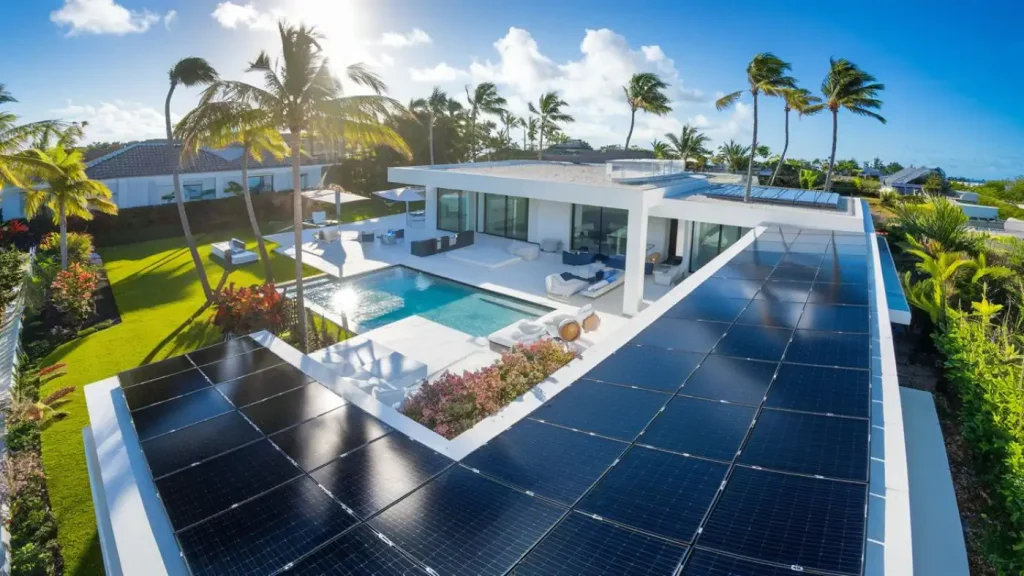
New builds often come with warranties, offering a safety net against unforeseen issues. And if you’re into personalization, many builders allow for customization, letting you handpick finishes and features to match your style.
New build communities often spring up with planned amenities like parks and walking trails, creating a vibrant and connected living environment. And let’s not forget the potential for appreciation – as the neighborhood grows and matures, so too might your property value.
If you’re looking for a hassle-free, modern, and potentially lucrative investment, a new build might just be the perfect fit.
Buying a new construction or off-plan can be a dream or turn a disaster, all depends on your home work done.
What types of new build homes are out there?
There are several types of newly built homes, each catering to different preferences and needs.
Custom Homes
Description: Builders construct custom homes specifically for and with the buyer, allowing for extensive customization.
Pros: You enjoy a high level of personalization; you can choose everything from the floor plan to the finishes.
Cons: The construction process typically costs more and takes longer than other types of new builds.
Semi-Custom Homes
Description: Developers build semi-custom homes and offer buyers some level of customization.
Pros: Semi-custom homes offer a balance between personalization and cost; builders complete them quicker than fully custom homes.
Cons: The builder limits your choices.

Spec Homes (Speculative Homes)
Speculative real estate is built by developers without a specific buyer in mind, often with popular features and finishes.
Pros: Move-in ready; less decision-making required.
Cons: Limited customization; may use standard-grade materials.
Tract Homes
Tract homes are built in large developments or subdivisions, often with a few standard floor plans and finishes.
- Pros: Cost-effective; community amenities; quicker construction times.
- Cons: Limited customization; homes may look similar to others in the development.
Modular Homes
Modular houses are built in sections in a factory and then assembled on-site.
- Pros: Faster construction; often more affordable; high quality due to controlled building environment.
- Cons: Limited customization; may have zoning restrictions.
Bungalows
Single-story homes are ideal for those seeking easy accessibility and fewer stairs.
Townhouses
Multi-story homes, often found in urban areas, with shared walls and private gardens.
Converted flats / Studio apartments
Converted flats are residential units created by converting existing buildings, while studio apartments are compact, self-contained apartments, suitable for single occupancy, can be converted or new build.
Duplexes or maisonette
Multi-level flats are divided into upper and lower parts.
Multigenerational homes
Properties designed to accommodate multiple generations under one roof, offering privacy and shared living spaces.
Is it risky to buy new construction home?
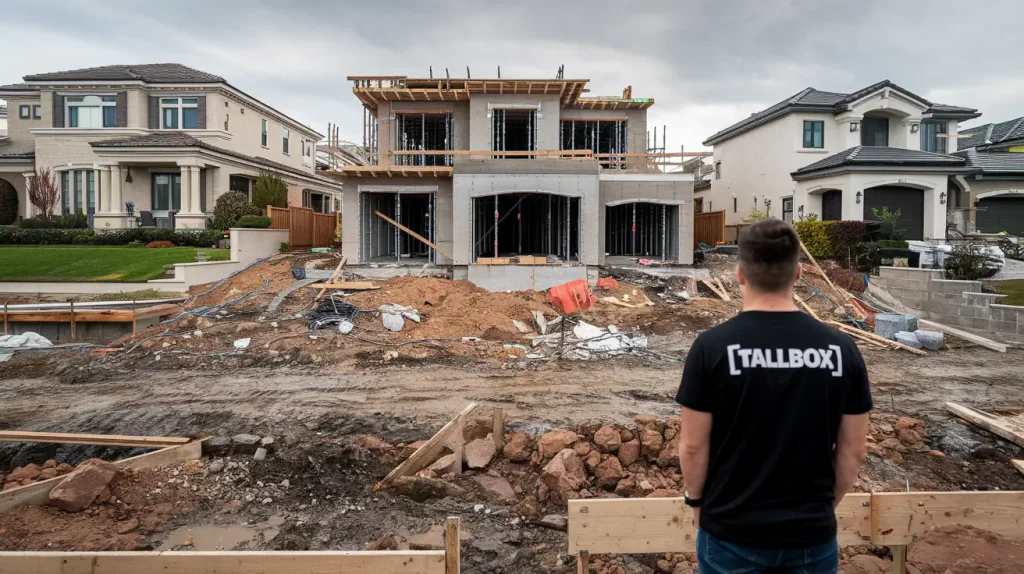
While the allure of a brand-new home is undeniable, prospective buyers must also acknowledge the potential risks involved in purchasing a new construction property. Construction delays, quality concerns, and the developer’s financial stability can all impact the success of your investment. It’s crucial to thoroughly vet any builder before you commit. Look for key signs of a trustworthy builder, including a strong portfolio of completed projects, positive homeowner reviews, and transparent communication. This diligence is the best way to protect your investment and enjoy the benefits of your new home.n.
Key Risks
- Construction Delays: Projects often face delays, disrupting your plans.
- Quality Issues: Some builders may use substandard materials or workmanship.
- Higher Costs: New homes can be pricier than existing ones, including upgrades.
- Complex Financing: Mortgages for new constructions can be complicated.
Key Benefits
- Modern Features: Enjoy the latest technology and energy-efficient appliances.
- Customization: Tailor the home to your preferences.
- Lower Maintenance: New homes typically require fewer immediate repairs.
- Warranties: Builder warranties often cover repairs for a set period.
Research the builder, understand warranties, and consider a real estate agent specializing in new construction. If you have specific concerns, addressing them early can mitigate risks.
What are the Current Market Trends in New Builds?
The US new home construction market has witnessed a significant surge in demand, with strong sales figures, especially in cities like Houston and Dallas.
The median sales price of new homes sold in the United States has risen steadily over the years, reflecting strong market conditions. The US Residential Construction Market is expected to grow at a CAGR of 4.45% between 2023 and 2028, with a market size of around USD 590 billion in the current scenario.

Housing affordability remains one of the key challenges in both the new build and resale home segments, due to factors like high prices, limited inventory, and fluctuating interest rates.
Construction costs in the US continue to be affected by material, labor, and regulatory expenses, with material costs remaining a significant element in determining overall construction costs. Fine-tuning of interest rates by the FOMC aims to return inflation to the targeted 2% range, affecting the housing market’s trajectory.
What are the advantages of choosing a new build?

Reduced maintenance
New builds often come with guarantees and warranties for components, resulting in lower maintenance costs. Enjoy the ease of moving into a pristine, brand new home that won’t require immediate repairs or renovations.
Designed for Modern Living
New build homes are like a blank canvas – they offer you the opportunity to create a living space that perfectly reflects your taste and lifestyle, they are made and designed for modern living, plus, they come with brand-new appliances and systems, meaning fewer worries about repairs or replacements down the line.

Chain-free buying
Buying directly from a developer eliminates the risk of getting stuck in a property chain. New build projects simplify the buying process with a potentially faster and less stressful transaction, as you won’t be dependent on a chain of buyers and sellers.
Potential for Financial Incentives
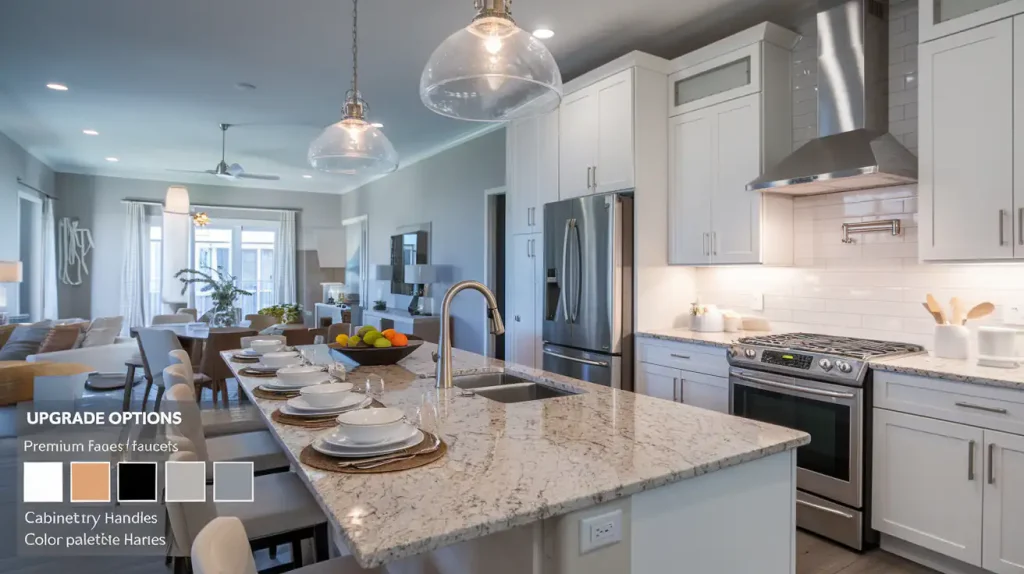
Some builders or government schemes offer incentives for new build purchases, such as help with closing costs or deposit assistance.
Simplified buying process
With no onward chain, buying a new build can be a more straightforward process.
Structural warranties
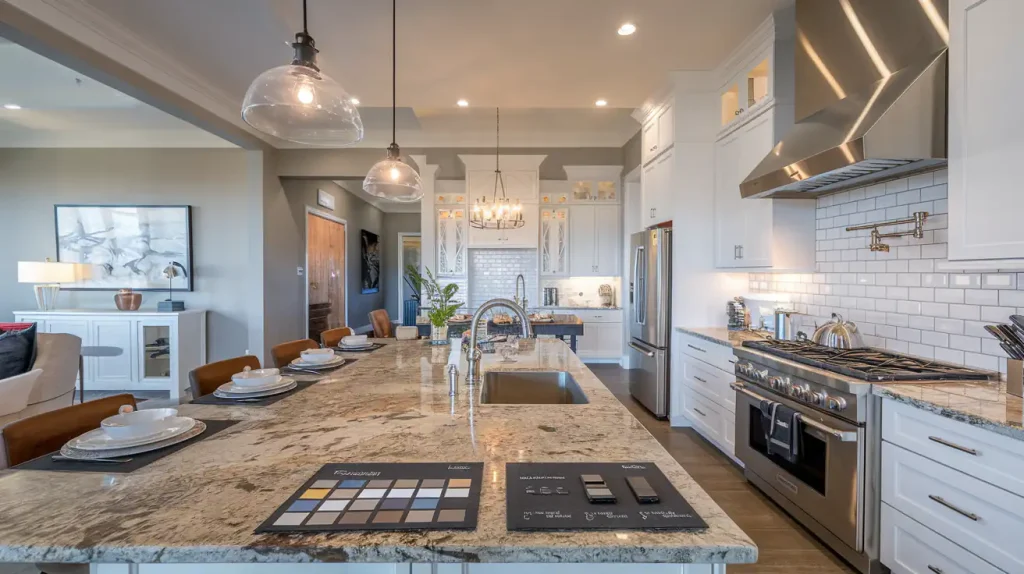
New builds come with structural warranties, offering peace of mind and protection against major defects. Benefit from builder warranties that cover various components and systems, offering financial protection and peace of mind.

Safety improvements
New construction homes often incorporate modern safety features and comply with up-to-date regulations.
Location choice
Homebuyers can choose from various new developments in prime locations that may not be available with existing homes. Enjoy the benefits of living in a planned community with amenities like parks, playgrounds, walking trails, and community centers.
Greener materials and construction methods
Modern designs and materials may reduce environmental impact. Live more sustainably in a home built to modern energy-efficiency standards, potentially saving on utility bills and reducing your carbon footprint.
Energy efficiency
New builds are typically six times more energy efficient than older homes, generating around 60% less CO2 emissions.
What are the disadvantages of choosing a new build?
Higher Purchase Price
New builds often come with a premium price tag compared to similar-sized existing homes in the same area. New builds are often more expensive than older homes due to their modern design, energy efficiency, and guarantees.
Potential for Delays
Construction projects are prone to delays caused by weather, material shortages, or unforeseen circumstances, potentially impacting your move-in date. Delayed completion is the most common issue with new construction developments facing delays, causing occupancy date uncertainty.
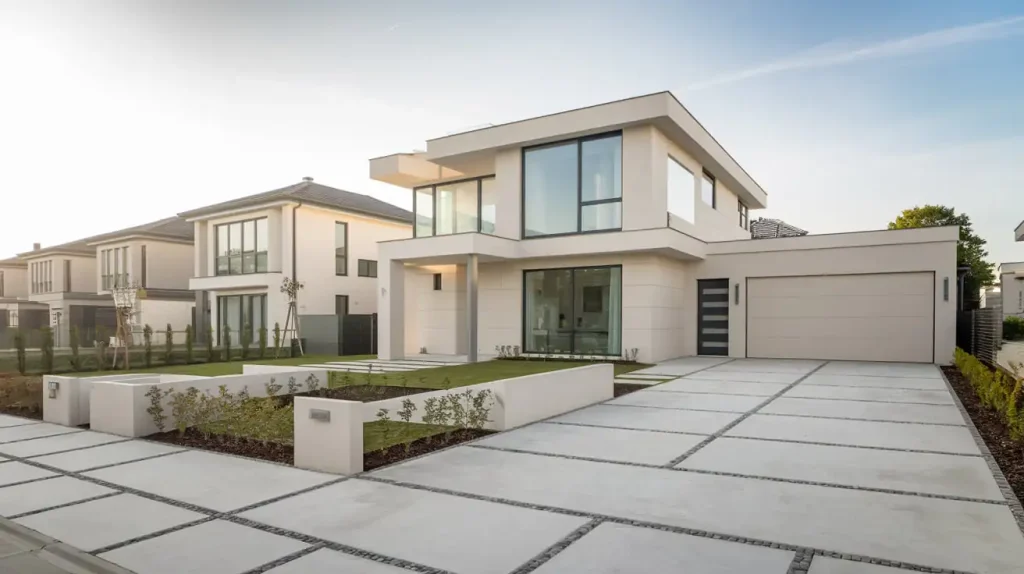
Hidden Costs
Unforeseen expenses can arise during construction or customization, pushing the final price higher than anticipated. Additional costs like ground rent, service charges, or maintenance fees may be associated with newly built properties.
Limited Inventory and Competition
You might face a smaller selection of available homes and competition from other buyers, especially in desirable locations.
Developing Neighborhoods
Amenities, landscaping, and infrastructure in new-build communities might take time to fully realize. Totally new areas lack established communities and may not offer the same community feel as established neighborhoods.
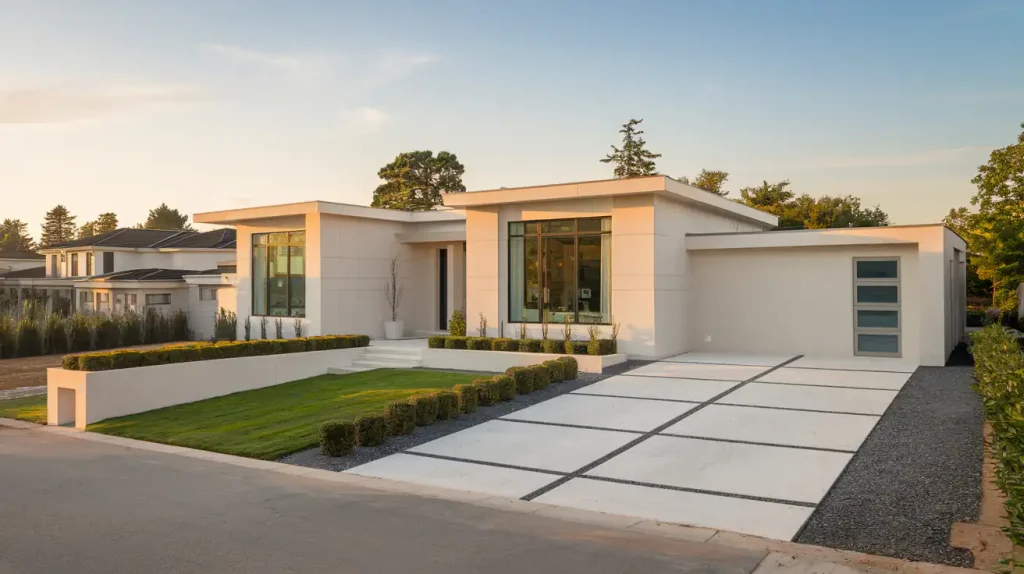
Snagging Issues / Punch list
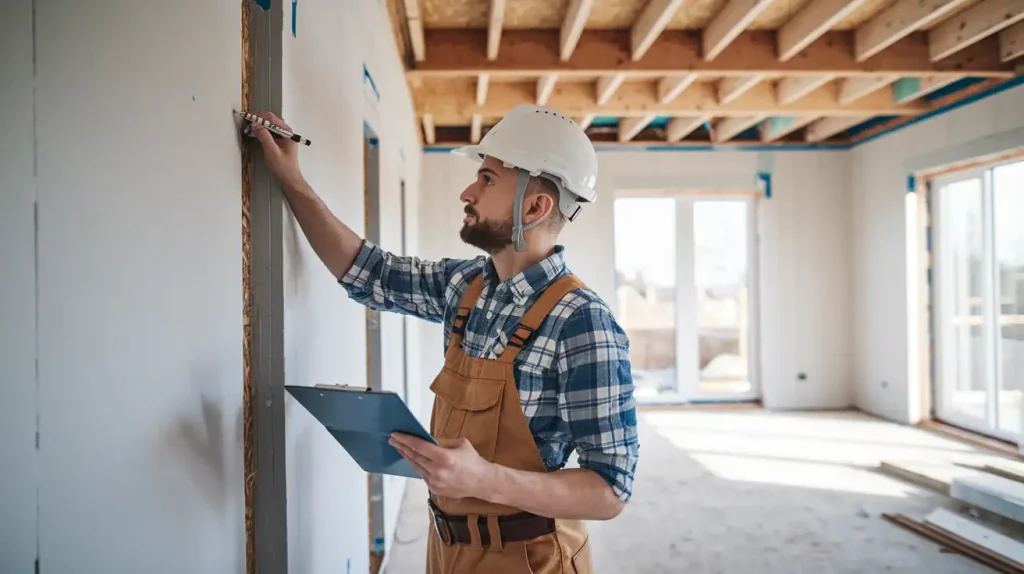
Minor defects or unfinished work, often referred to as “snagging”, are common in new builds and might require attention after you move in. New houses often have minor issues, such as plaster cracks or uneven flooring, as they can take time to settle. While usually not serious, these issues can be concerning and may require repairs.
Less Character and Charm
New builds often lack the unique character and charm found in older homes, which some buyers find appealing. Many new projects do not offer the unique features and charm that older properties have.
Limited Customization (Post-Construction)
Once construction is complete, customization options are limited. You may not be able to make significant changes without incurring additional costs.
A new build has other attractions beyond a fresh interior. Dreaming of a gourmet kitchen or a relaxing soaking tub in the master bathroom? Many new homes offer personalization flexibility, but it’s not always as flexible as you think. Some developers limit your choices, so be prepared for compromises.

Potential for Depreciation
While not always the case, some new builds might experience depreciation in value, especially in the first few years.
Dependence on the Developer
Your satisfaction and the community’s development depend on the builder’s reputation, financial stability, and commitment to quality.
Potential for hidden costs
Extra costs like ground rent, service charges, or maintenance fees may be associated with new build properties.
Small initial gardens
New builds may initially have small gardens, as landscaping takes time to mature.
Smaller Lots
New build homes often come with smaller lots compared to older homes. Less outdoor space can be a downside for those who value large yards or gardens.Less outdoor space can be a downside for those who value large yards or gardens.
Uniformity
New build developments often have homes that look very similar to each other. This lack of uniqueness can be a downside for those who prefer more character and individuality in their homes.
Potential for Construction Noise
If you move into a new development that is still under construction, you may experience noise and disruption. This can affect your quality of life until the development is fully completed.
What is different Between New Construction and Resale Homes?
New construction and resale homes cater to different tastes and needs. The core distinction lies in their age and what that means for buyers. New construction, untouched and gleaming, offers a blank slate for personalization and, depending on the location – a price cut.
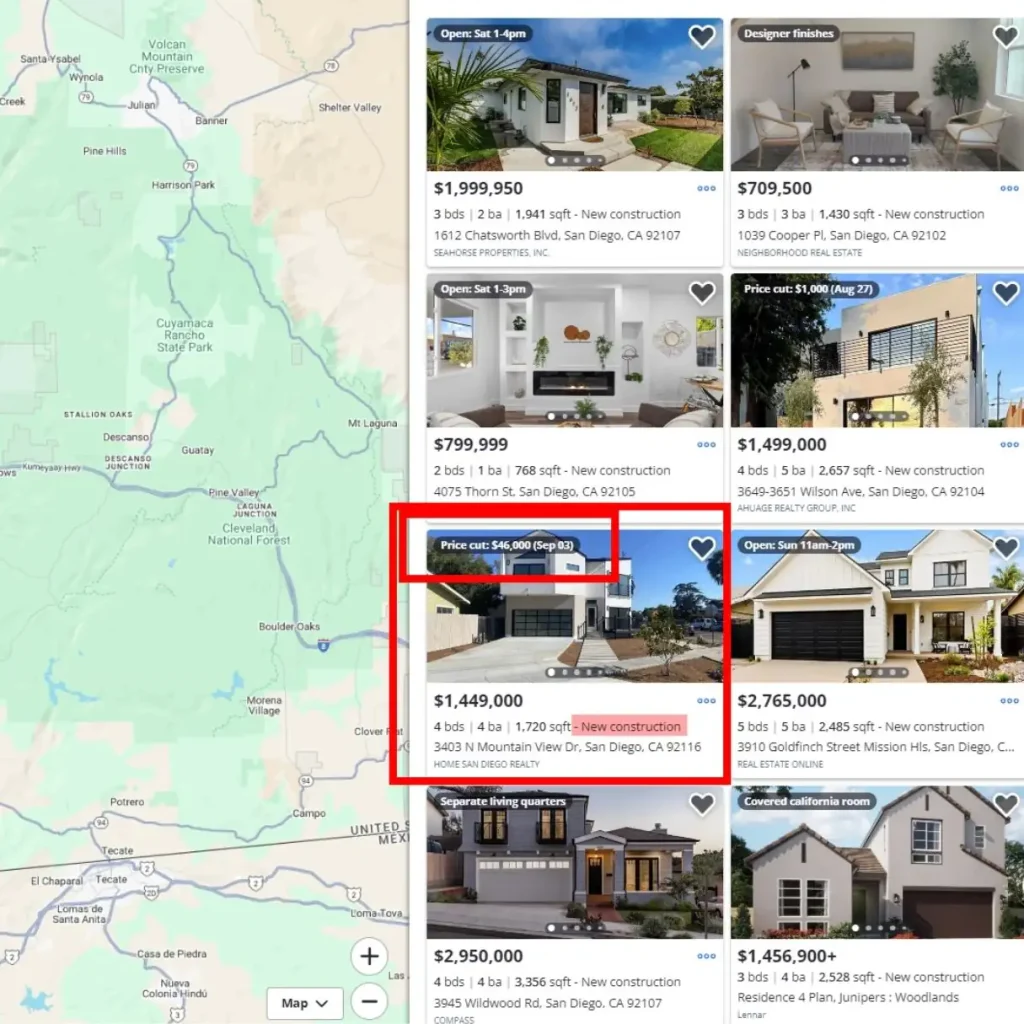
You can choose finishes, appliances, and sometimes even layouts, crafting a space that’s uniquely yours. Plus, everything’s brand new—fewer worries about repairs or replacements and often better energy efficiency due to modern building standards.
Resale homes, on the other hand, charm with character and established neighborhoods. They often boast larger lots, mature landscaping, and a unique personality developed over time. If you’re into DIY or looking for a bargain, a resale home might offer greater potential for renovations and a lower price point.
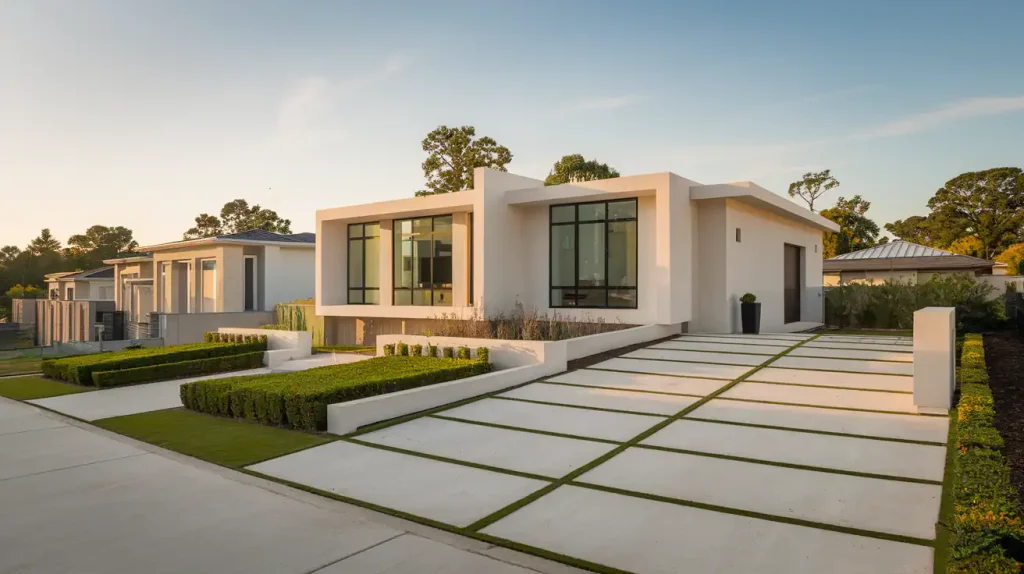
Developer Communication:
- New Construction: Engage proactively with the builder throughout the construction phases, receiving regular updates on progress, milestones, and any unforeseen challenges.
- Resale Homes: Communication primarily involves the seller’s agent, facilitating negotiations, disclosures, and addressing questions related to the existing property.

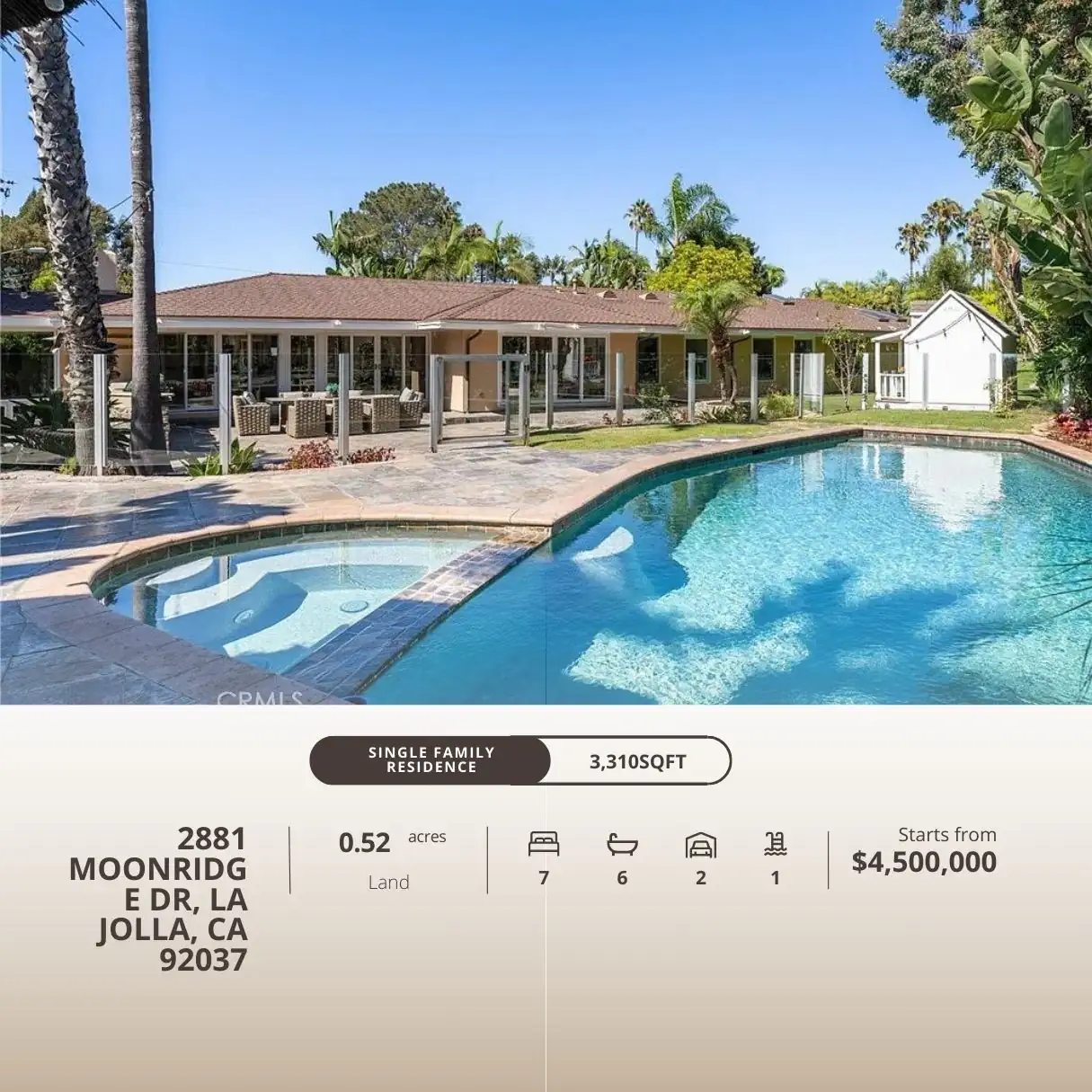
Other benefits further differentiate the two. New construction often enjoys faster closings and less buyer competition. With resale homes, it’s about the thrill of the hunt—finding a hidden gem in a desirable location.
So, which one is ‘better’ depends entirely on your priorities. Crave a modern, move-in ready space tailored to your taste? New construction could be your ideal. Drawn to history, established neighborhoods, and a potential project? A resale home might be the perfect match.
Is It Worth It to buy Off-Plan?
Buying off-plan is a unique path to homeownership.
In essence, you’re purchasing a property based on blueprints and promises, well before construction is complete. It requires a leap of faith, but it also offers enticing opportunities for personalization and potentially securing a property at a lower price than its market value upon completion.
TIP: Research and decide on a location or region with a growing market and upcoming developments.
Based on this analysis, we can draw the following conclusions:
For buyers considering new construction:
- Modern amenities: New construction homes likely offer the latest in design, technology, and energy efficiency. This could lead to lower maintenance costs and utility bills in the long run.
- Customization potential: Buyers may have the opportunity to personalize finishes and layouts, especially if purchasing pre-completion.
- Higher cost per square foot: At 48.5% more per square foot on average, buyers are paying a premium for newness and potentially higher-end finishes.
- Smaller overall size: With an average of 2,912.6 sqft compared to 4,480.5 sqft for existing homes, buyers get less space for their money.
- Fewer bedrooms and bathrooms: Averaging 2.8 beds and 3 baths, these homes may be better suited for smaller families or those desiring a more compact living space.
For buyers considering existing homes:
- More space for the money: On average, existing homes offer 53.8% more square footage while only being 3.6% more expensive overall.
- Lower cost per square foot: At $209.24 per sqft versus $310.79 for new construction, existing homes provide significantly more value in terms of raw space.
- More bedrooms and bathrooms: Averaging 4.5 beds and 4.5 baths, these homes can accommodate larger families or provide more flexibility in space usage.
- Established neighborhoods: Existing homes are often in more developed areas with mature landscaping and established communities.
- Potential for appreciation: There may be more room for property value increase through renovations or area development.
Conclusion: The choice between new construction and existing homes in this area largely depends on the buyer's priorities. Those valuing modern amenities, energy efficiency, and lower maintenance might prefer new construction despite the higher cost per square foot and smaller size. Buyers prioritizing space, established neighborhoods, and overall value for money might find existing homes more attractive.
The significant difference in size and bed/bath count suggests that existing homes in this sample might be better suited for larger families or those needing more space, while the new construction options could appeal to smaller households or those desiring a more modern, albeit compact, living.
Summary: For buyers prioritizing space and value, existing homes offer 53.8% more square footage and 1.7 additional bedrooms on average at just 3.6% higher total cost, while those seeking modern amenities and efficiency might prefer new construction, despite a 48.5% premium per square foot and smaller overall size.

Off-plan properties are typically marketed at a discounted price compared to completed properties. This financial incentive can be attractive to potential buyers seeking long-term investment opportunities. Developers often offer discounted prices to attract early buyers, which can be up to 25% below market value in some cases.
Purchasing off-plan allows for the customization of the property according to personal preferences, making it a unique selling point.
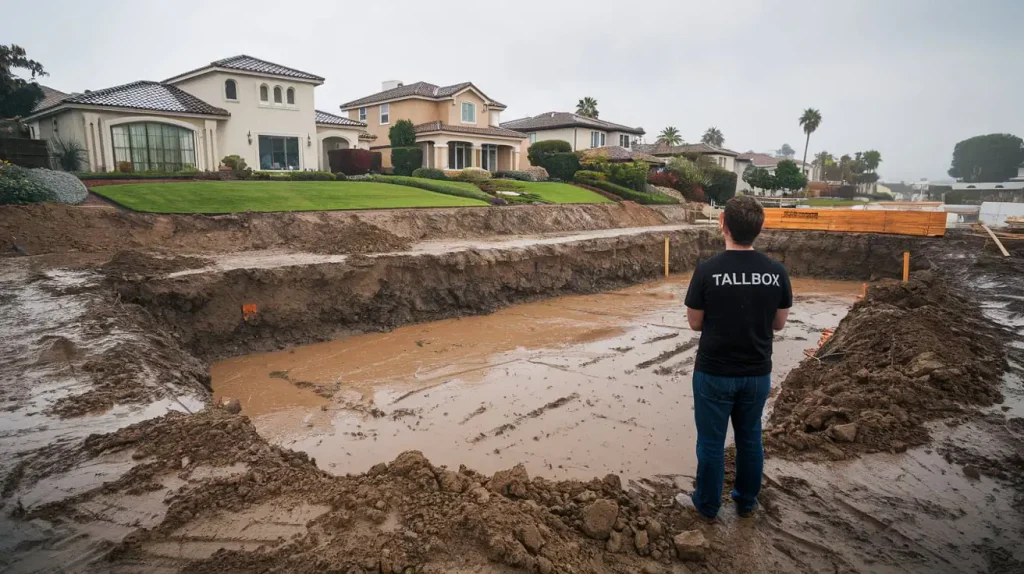
A common concern regarding off-plan properties is the risk associated with delayed construction or unforeseen financial difficulties for the developer, as it happened in the example below.
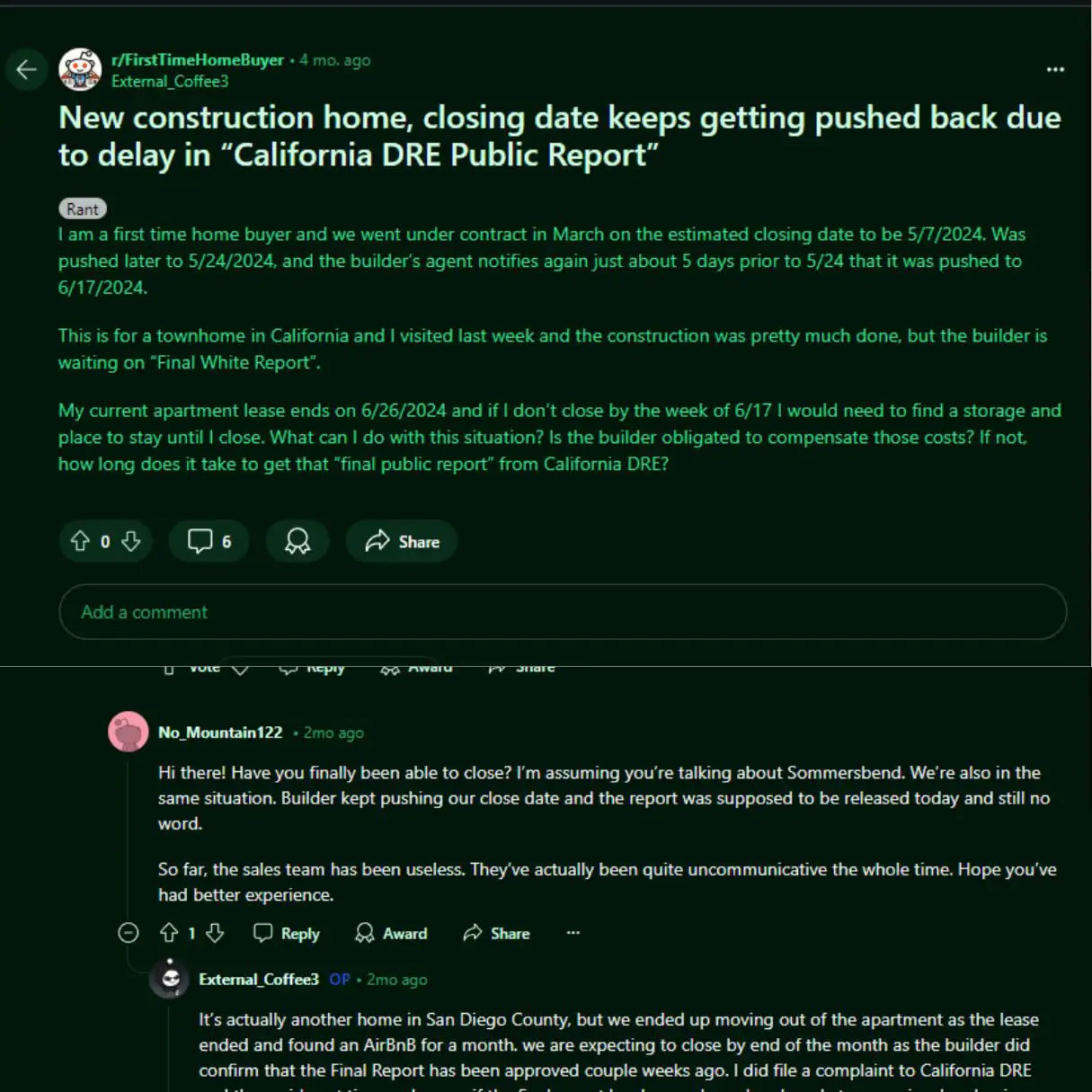
To mitigate this risk, it is essential to thoroughly research the developer’s track record, reputation, and financial standing before making a commitment. Engaging a solicitor experienced in off-plan transactions can also provide valuable insights and guidance.
The potential for capital appreciation is another significant factor to consider when evaluating the worth of off-plan investments. In many cases, if the property is located in an area with high demand, there is the possibility of a substantial increase in value upon completion. This potential for growth is an attractive aspect for investors looking for capital gains.
If there is a concern about the property market’s stability or the potential for reduced property values in the chosen location, it may be beneficial to reconsider the investment. Accurate market research and informed decision-making are crucial in this regard.
Purchasing off-plan properties can be a valuable investment opportunity, provided that potential risks are identified and minimized. Factors such as the developer’s reputation, location, potential for customization, and capital appreciation should be carefully considered rbefore committing to an off-plan investment.
How to Budget for Hidden Costs and Fees for new construction?
Purchasing off-plan properties can be a valuable investment opportunity, provided that potential risks are identified and minimized. Factors such as the developer’s reputation, location, potential for customization, and capital appreciation should be carefully considered rbefore committing to an off-plan investment.
Step-by-step guide when buying off-Plan
- Financial Preparation: Get pre-approved for a mortgage from a lender experienced with new construction financing. Have a personal financial advisor to help you prepare for potentially higher down payment requirements and interest rates compared to existing homes.
- Thorough Research: Investigate the developer’s track record, reviewing past projects and financial stability. Scrutinize the project’s details, including location, amenities, homeowner association rules, and any potential assessments.
- Contract Scrutiny: Engage a real estate attorney specializing in new construction to thoroughly review the purchase agreement. Pay close attention to contingencies, timelines, warranties, and any provisions for potential delays or changes.
For instance, new build homes in Nashville are sold with complete warranty packages, implying that all structural parts, including household appliances, are covered. This ensures that buyers who opt for new construction in growing communities are not just buying new homes but also getting security regarding their investment if anything goes wrong further down the road.
- Reservation Agreement: Secure the property with a reservation agreement and deposit. Understand the terms for refundability, particularly if construction doesn’t proceed as planned or you encounter financing issues.
- Regular Communication: Maintain consistent communication with the developer throughout the construction process. Request regular updates, attend site visits (if allowed), and promptly address any concerns or questions.
- Progress payments: Pay additional installments based on construction milestones, typically at 25%, 50%, and 75% completion stages.
- Monitor construction progres: Schedule a final inspection with a qualified inspector before closing to identify any construction defects or incomplete work. Use this opportunity to thoroughly review the property and ensure it aligns with your expectations.
- Conduct due diligence: Ensure the developer has completed all legal requirements, such as permits and zoning approvals.
- Final payment and completion: Pay the remaining balance and collect the keys to your new off-plan home.
- Completion and Handover: Finalize the purchase, receive the keys to your new home, and familiarize yourself with any builder warranties and homeowner association guidelines.
The Cost Premium for New Build Homes: Is It Worth It?
Typical new house in US is purchased on average for $355,000 while the average purchase of an aging home is close to $241,000 (average median house price).
This means when budgeting for a new build home, consider that for every $100,000 you might spend on an old home, you’d spend about $147,770 on a new home. A new home costs near $115,000 more than an old home on average, this means that the median price of a new home is approximately 47.77% higher than the median price of an old home.
While new homes have a higher upfront cost, they may offer long-term savings through:
- Improved energy efficiency, potentially leading to lower utility bills.
- Less frequent need for repairs and maintenance, which can be costly for older homes.
The “new build premium” is real. Weigh the allure of a pristine home against the potential for extra costs. With thorough research, realistic budgeting, and professional guidance, you can make an informed decision and determine if the premium aligns with your priorities.
New construction homes in some parts of US are cheaper per square foot than existing homes. New homes were priced at $3.50 less per square foot compared to existing homes, which is the largest reduction seen in at least six years.
Regional Variations: Certain metropolitan regions exhibit even greater disparities. For example, in San Diego, the discount for new homes is as high as $57.10 per square foot; in Salt Lake City, it stands at $53; and in Los Angeles, it’s $52.40. However, there are areas where new homes are significantly more expensive per square foot, such as San Jose, where the premium reaches $216.60
Lot Sizes and Home Sizes: The lot sizes for new construction homes have decreased, while the lot sizes for existing homes have grown. The average lot size for new builds is now 460 feet smaller than in 2018, while lots of existing homes shrank by just 94 square feet. New homes sold in Q2 2024 were 185 square feet smaller than in 2018, compared to a 24-foot drop for existing homes.
- Regions where new builds are more expensive (positive price difference):
- Southeast: Orlando, FL (+$2.60/sq ft)
- Southeast: Charlotte, NC (+$2.00/sq ft)
- South: San Antonio, TX (+$1.30/sq ft)
These are the only three cities where new homes are more expensive per square foot than existing homes.
- Regions where new builds are cheaper (negative price difference):
- Northeast: Boston, MA (largest discount at -$64.00/sq ft)
- Midwest: Kansas City, MO (-$57.90/sq ft)
- Southeast: Miami, FL (-$55.60/sq ft)
- Midwest: St. Louis, MO (-$53.70/sq ft)
- Midwest: Detroit, MI (-$50.90/sq ft)
These cities show the largest discounts for new builds compared to existing homes.
- Middle ground (moderate discounts):
- Southeast: Louisville, KY (-$0.80/sq ft)
- Southeast: Atlanta, GA (-$2.20/sq ft)
- South: Houston, TX (-$8.60/sq ft)
- West: Las Vegas, NV (-$9.10/sq ft)
- Southeast: Virginia Beach, VA (-$10.00/sq ft)
These cities show smaller discounts, representing a middle ground between the extremes.
Key observations:
- The Southeast region shows the most variability, with both premiums and discounts for new builds.
- Midwest cities tend to have larger discounts for new builds.
- The Northeast (represented by Boston) shows the largest discount for new builds.
- Texas cities (San Antonio and Houston) show different trends, with San Antonio having a premium and Houston a discount.
- Florida cities also vary, with Orlando showing a premium and Miami a large discount.
What You Can Expect For your Price range?
When considering a new home, several features are commonly sought after by buyers. Here are some key features to expect, categorized and including some price considerations:
Economy or budget products
These products typically offer standard features at a lower price point. They may not include the latest technology or high-end materials but provide basic functionality for cost-conscious consumers.
Essential Features
Central Heating: A must-have for many buyers, providing warmth and comfort. The average cost for installing a central heating system ranges from $2,600 to $20,500, with an average cost of $8,200.
Double Glazing: Important for energy efficiency and reducing noise pollution.
Secure Doors and Windows: Essential for safety and security.
Good Energy Efficiency Rating: Important for reducing energy bills and environmental impact.
Design and Layout
Open Floor Plans: Popular for enhancing connectivity and natural light.
Extra Storage Space: Highly valued for practicality and organization.
Taller Ceilings: Options like vaulted or tray ceilings can add a sense of spaciousness.
Vaulted Ceilings: Can cost between $1,400 to $2,000 depending on height and trim.
Master Suites: Larger bedrooms with more windows and private bathrooms are sought after.
Smart and Sustainable Features
Solar Panels: Increasingly popular for energy efficiency and sustainability.
Smart Home Technologies: Integration of smart systems for lighting, temperature, and security control.
Energy-Efficient Appliances: Standard in many new homes to reduce energy consumption.
Mid-range products
These products offer a balance between price and features, often including a mix of standard and upgraded features. They may provide additional durability, performance, or aesthetics compared to budget options, while still maintaining an affordable price range.
Premium or luxury products
These products offer the most upgraded features and materials, often incorporating the latest technology, advanced performance, and high-end design. They typically come with a higher price tag but may offer increased longevity, improved user experience, and exclusive brand value.
Luxurious Bathrooms: Features like freestanding tubs, rainfall showers, and heated floors are in demand.
High-End Finishes: Custom cabinetry, natural wood finishes, and high-quality materials are popular.
Outdoor Living Spaces: Outdoor kitchens, fire pits, and comfortable seating areas are sought after.
Customization and Flexibility
Flexible Multi-Use Spaces: Rooms that can be used for various purposes, such as home offices or workout rooms.
Customization Options: Buyers often look for homes that can be personalized to their needs and preferences.
Additional Considerations
Warranties: New homes typically come with warranties on systems and materials, offering peace of mind.
Lower Maintenance: New homes require less maintenance and repair compared to older homes.
Modern Layouts: New homes often feature modern layouts with spacious living spaces and ample windows.
These features are commonly found in new homes and are considered essential or desirable by many buyers. The prices for these features can vary widely depending on the location, builder, and specific options chosen. For example, custom features like vaulted ceilings can add between $1,400 to $2,000 to the cost.
What type Financing Is needed for a New Construction?
Check your credit score.
Ensure your credit score is in good shape to secure favorable loan terms.
2. Get pre-approved.
Obtain a mortgage pre-approval to understand your borrowing capacity and demonstrate your seriousness to sellers.
3. Compare lenders.
Shop around for the best mortgage rates and terms.
4. Understand loan terms.
Make sure you fully comprehend the terms, interest rates, and potential penalties associated with the mortgage.
5. Factor in additional costs.
Include property taxes, homeowner’s insurance, and any applicable HOA fees in your budget.
6. Work with professionals.
Consult with real estate agents, mortgage brokers, and financial advisors to navigate the financing process effectively.
Conventional Loans
Conventional loans offer two main types of mortgages: fixed-rate and adjustable-rate. Fixed-rate mortgages provide a consistent interest rate and stable monthly payments over the loan term, typically 15 or 30 years. Adjustable-rate mortgages (ARM) start with a lower initial interest rate that adjusts periodically after a fixed-rate period.
Advantages:
- Fixed-rate mortgages offer predictable payments.
- Adjustable-rate mortgages start with lower rates.
Challenges:
- ARMs may experience rate increases.
- Conventional loans have stringent credit requirements.
Federal Housing Administration (FHA) Loans
The FHA insures loans, making them accessible to low-to-moderate-income buyers. FHA loans require a lower down payment, starting at 3.5%, and have more lenient credit score requirements.
Advantages:
- Lower down payments.
- Easier qualification criteria.
Challenges:
- Requires a mortgage insurance premium (MIP).
- Loan limits apply depending on the area.
VA Loans
VA loans are available to veterans, active-duty service members, and eligible military spouses. The Department of Veterans Affairs backs these loans, often requiring no down payment.
Advantages:
- No down payment required.
- Competitive interest rates.
- No need for mortgage insurance.
Challenges:
- Only available to eligible veterans and service members.
- A funding fee may apply.
USDA Loans
USDA loans cater to rural and suburban homebuyers. These loans offer no down payment and low-interest rates, as they are backed by the U.S. Department of Agriculture.
Advantages:
- No down payment needed.
- Low-interest rates.
Challenges:
- Geographic and income restrictions apply.
- Mortgage insurance is required.
State and Local Programs
Many states and municipalities offer first-time homebuyer programs and incentives for purchasing a new build. These programs can include down payment assistance, tax credits, or reduced interest rates.
Examples:
- The California Dream For All Shared Appreciation Loan.
- Various county-specific programs.
Construction-to-Permanent (C2P) Loans
Construction-to-permanent loans cover both the construction phase and convert into a standard mortgage upon home completion. This type of loan has a single closing process.
Advantages:
- Single closing reduces costs.
- Locks in the interest rate ahead of time.
Challenges:
- Higher initial interest rates compared to standard mortgages.
- Requires good credit and a down payment.
Builder Financing
Builders sometimes provide financing options through partnerships with specific lenders. These arrangements might come with incentives like reduced closing costs or home upgrades.
Advantages:
- Streamlined process.
- Financial incentives.
Challenges:
- Interest rates or terms may not be as competitive as other lenders.
- Limited to specific builders.
RED FLAGS: Dealing with Developers' Mortgage Brokers
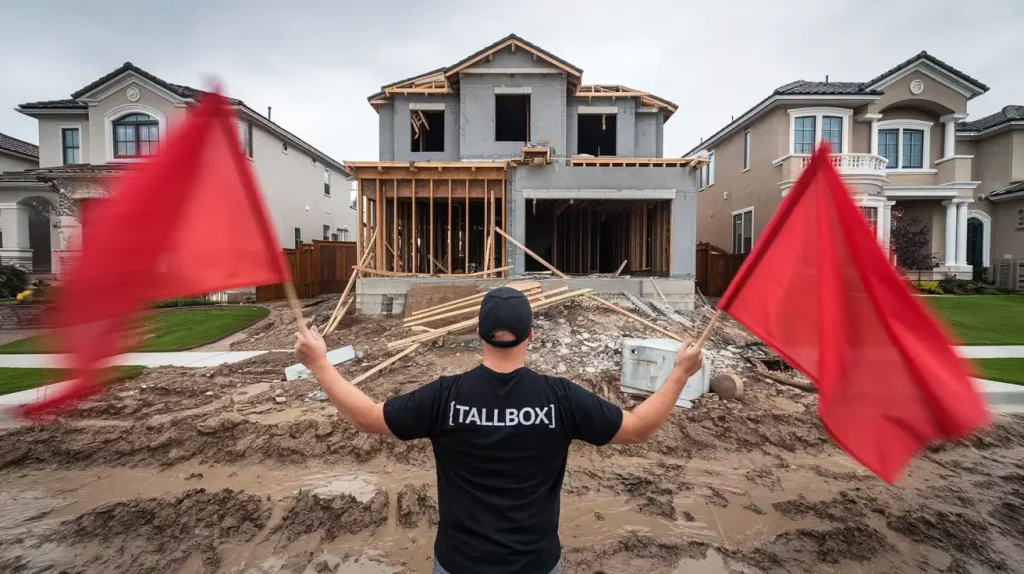
When buying a new build, dealing with the developer’s mortgage broker can feel a bit like walking into a candy store: enticing offers and sweet promises abound. But remember, their ultimate goal is to seal the deal for the developer, not necessarily find you the best possible loan.
Here’s where a healthy dose of skepticism comes in handy. Don’t hesitate to shop around and compare offers from other lenders. You might be surprised to uncover better rates or terms elsewhere. Remember, knowledge is power. Arm yourself with information about current mortgage rates and different loan options before engaging with the developer’s broker.
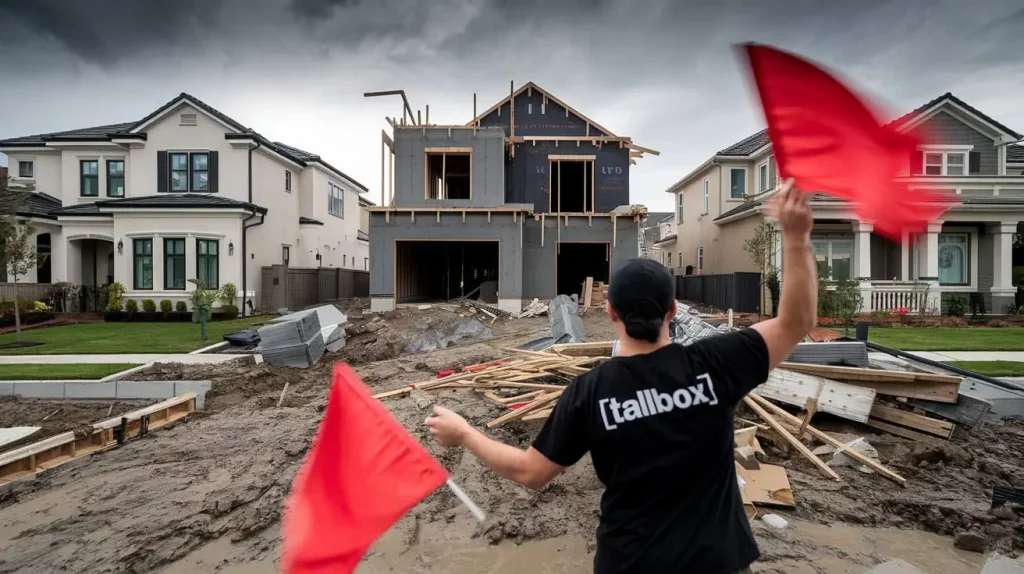
Be prepared for a potential sales pitch. The broker might highlight “exclusive” offers or incentives to entice you to use their services. It’s okay to politely decline and explain you’re exploring all options.
Don’t feel pressured to make a quick decision. Take your time to review any loan documents carefully and seek advice from an independent financial advisor if needed. Remember, it’s your money and your future home – you deserve to feel confident and comfortable with your mortgage choice.
Maintain clear and open communication with the developer’s broker throughout the process. Ask questions, express any concerns, and don’t sign anything you don’t fully understand. By being proactive and informed, you can navigate this aspect of the new build purchase with ease and ensure you’re securing the best possible financial arrangement for your dream home.
Should You Hire an Interior Designer Before or After Buying a House?
Hire a Designer Before Purchasing a House
Hiring an interior designer before purchasing a house can help you visualize the potential of various properties. Companies like TALLBOX offer 3D interior design services that provide realistic renders of potential homes. This allows you to see different layout options, furniture arrangements, and color schemes, helping you to make better-informed decisions. Visualizing your potential home in detail can reveal whether the space aligns with your vision and needs, and identify any prospective renovation costs or limitations.
Hire a Designer After Purchasing a House
Hiring an interior designer after buying a house allows you to work directly with the actual space. The designer can assess the precise layout, lighting, and unique features of the home to create a tailored design plan. This approach ensures that the design is cohesive and works harmoniously with the home’s existing structure. Bringing in a designer at this stage helps you to focus on personalizing your new space to suit your tastes and lifestyle, creating a more customized living environment.
Both options have their advantages:
- Before Purchase: Ideal if you need help visualizing spaces and making informed decisions about whether a potential home fits your needs.
- After Purchase: Best if you want a design that is specifically tailored to the unique features of your new home.
How to do Inspections and Quality Control Before Completion?
Inspections and quality control are crucial for a successful new construction home. By understanding the inspection process, engaging professionals, and ensuring code compliance, you safeguard your investment and guarantee a home that meets your expectations and safety standards.

Inspections throughout construction ensure your new home meets building codes, safety standards, and your expectations. Regular inspections catch potential issues early, preventing costly problems later.
Key Inspection Stages:
Inspect the foundation, framing, plumbing, electrical systems, HVAC, insulation, drywall, and final finishes at different construction phases. Each stage focuses on specific aspects of your home to ensure quality and compliance.
Work with professional inspectors, engineers, and contractors specializing in new construction inspections. These experts have the knowledge and experience to identify potential problems and ensure adherence to building codes and safety standards.
Contractual Obligations:
Before construction begins, ensure your contract with the builder outlines the number and type of required inspections. This guarantees proper quality control and accountability.
Code Compliance:
Verify your new construction home adheres to local building codes and safety regulations. This may involve collaborating with local building officials and professional inspectors to confirm compliance at each construction stage.
Why Hire an Independent Inspector When Buying New Construction?
Hiring an independent inspector for your new construction home offers a multitude of advantages, ensuring quality, safety, and compliance. Their expertise, unbiased assessments, and comprehensive inspections provide peace of mind and protect your investment.
Why Inspections Matter?
Inspections throughout construction ensure your new home meets building codes, safety standards, and your expectations. Regular inspections catch potential issues early, preventing costly problems later.
Key Inspection Stages?
Inspect the foundation, framing, plumbing, electrical systems, HVAC, insulation, drywall, and final finishes at different construction phases. Each stage focuses on specific aspects of your home to ensure quality and compliance.
Work with professional inspectors, engineers, and contractors specializing in new construction inspections. These experts have the knowledge and experience to identify potential problems and ensure adherence to building codes and safety standards.
Has construction not started (off-plan purchase)?
Before construction begins, ensure your contract with the builder outlines the number and type of required inspections. This guarantees proper quality control and accountability.
Verify your new construction home adheres to local building codes and safety regulations. This may involve collaborating with local building officials and professional inspectors to confirm compliance at each construction stage.
Proper inspections and quality control are essential for a successful new construction home. By hiring professionals, understanding the inspection process, and ensuring code compliance, you can rest assured that your new home meets your expectations and safety standards.
What are the Key Areas to Inspect for punch list in a new home?
In the U.S., a “snagging list” is often referred to as a “punch list.” This term is commonly used in construction and real estate to describe a document that outlines tasks, repairs, or issues that need to be addressed before a project is considered complete.
Here are some key points about a punch list:
Purpose: It identifies items that do not meet the contract specifications or are incomplete, allowing contractors to address these issues before final payment is made.
Common Items: A punch list may include minor repairs, painting touch-ups, installation issues, and other final adjustments.
Process: After the construction is completed, the project manager or homeowner typically reviews the property and creates the punch list. The contractor is then responsible for resolving the items listed.
Final Inspection: Once all items on the punch list are completed, a final inspection may be conducted to ensure everything meets the required standards.
Inspecting your new construction home with a punch list (snagging) for structural or even a minor issues is vital to ensure its quality and longevity. Scrutinize key areas to identify potential problems and safeguard your investment.
1. Masonry: The Building Blocks of Your Home
Inspect: Exterior and interior walls for:
- Defects: Cracks, gaps, misaligned bricks or blocks
- Moisture Intrusion: Signs of dampness, efflorescence, or water stains, which may indicate foundation settlement or inadequate waterproofing
2. Windows and Doors: Portals to the World
Examine: Windows and doors for:
- Proper Installation: Levelness, plumbness, secure fastening, and operational smoothness
- Sealing: Check for gaps, cracks, or inadequate weatherstripping that can compromise energy efficiency and comfort
3. Roofing: Your Home’s Shield
Assess: The roof for:
- Damage: Missing, cracked, or curled shingles; improperly sealed flashing around chimneys, vents, or skylights, damaged roofing materials
- Ventilation: Ensure adequate attic ventilation to prevent moisture buildup and premature deterioration
4. Insulation: The Thermal Envelope
Verify: Proper insulation installation in walls, floors, and ceilings, paying attention to:
- Coverage: Gaps, voids, or compression that can reduce thermal performance
- Moisture Barriers: Presence and integrity of vapor barriers to prevent condensation and mold growth.
5. Plumbing: The Lifeline of Your Home
Inspect: Plumbing systems for:
- Leaks: Visible signs of water damage, dripping faucets, pipe leaks, fixture leaks, or running toilets
- Functionality: Adequate water pressure, proper drainage, and operational fixtures and appliances.
6. Electrical Systems: Powering Your Life
Review: Electrical systems for:
- Safety: Proper grounding, GFCI protection in wet areas, and adherence to electrical codes, highly unsafe if not addressed
- Functionality: Test outlets, switches, and fixtures to ensure they work correctly.
7. HVAC: Climate Control
Ensure: HVAC systems are:
- Properly Installed: Levelness, secure mounting, and correct ductwork connections.
- Sized Appropriately: Adequate heating and cooling capacity for the home’s square footage and climate.
8. Flooring: The Foundation of Your Interior
Inspect: Flooring materials for:
- Damage: Scratches, dents, or stains, blemishes, imperfections, marks
- Levelness: Check for unevenness, squeaks, or gaps between boards
What to Do if Problems Arise After Inspection?
If problems surface after your inspection, meticulously document all identified issues with photos and precise descriptions, noting the date and time of both the inspection and subsequent observations.
Promptly communicate these concerns to the builder in writing, clearly outlining your expectations for resolution and a reasonable timeline. Regularly monitor their progress and schedule a follow-up inspection to verify satisfactory completion.
Should the builder prove unresponsive or inadequate, file a warranty claim or consult a legal professional for further action.
Maintaining a professional relationship, knowing your rights, and seeking expert advice when needed are all crucial steps in resolving any post-inspection issues effectively.
What Warranties Are Offered on New Builds?
New builds typically come with several types of warranties to protect homeowners from defects and issues – Builder, Structural, Systems, Manufacturer’s and Extended Warranty
1. Builder’s Warranty
The builder often provides a warranty covering specific aspects of the home for a defined period.
- Coverage: Includes workmanship, materials, and certain structural components.
- Duration: Typically 1-2 years for workmanship and materials; structural components may be covered for up to 10 years.
- Example: If you discover a problem with the roof or plumbing within the warranty period, the builder will repair it at no cost.
2. Structural Warranty
A structural warranty protects against major structural defects.
- Coverage: Includes the foundation, load-bearing walls, beams, and roof framing.
- Duration: Commonly 10 years.
- Example: If the foundation begins to crack or settles unevenly within 10 years, the warranty would cover the necessary repairs.
3. Manufacturer’s Warranties
New builds include appliances and fixtures that come with their manufacturer’s warranties.
- Coverage: Covers defects in the manufacture of appliances like ovens, HVAC systems, water heaters, and other installed equipment.
- Duration: Varies by manufacturer, usually between 1-5 years.
- Example: If your new home’s dishwasher breaks down within the warranty period, the manufacturer will repair or replace it.
4. Workmanship Warranty
Some builders offer specific warranties covering the quality of workmanship in the home.
- Coverage: Ensures the quality of installation for items such as paint, trim, doors, and windows.
- Duration: Typically 1-2 years.
- Example: If you notice improper paint application or poorly installed doors within the warranty period, the builder will fix these issues.
5. Systems Warranty
Covers major systems in the home, such as electrical, plumbing, and HVAC.
- Coverage: Includes installation and functionality of the home’s electrical wiring, plumbing, heating, ventilation, and air conditioning systems.
- Duration: Usually 2-5 years.
- Example: If an issue arises with the air conditioning system, the builder or warranty provider will repair or replace it.
Understanding Warranty Details:
- Coverage Limits: Each warranty will have specific limits and exclusions. Read the fine print to understand what’s covered and what’s not.
- Claim Process: Learn about the process for making a claim. It often requires written notification and may include an inspection.
- Maintenance Requirements: Some warranties require you to maintain the property according to specific guidelines to keep the warranty valid.
- Warranty Insurer: In some cases, a third-party warranty company issues and backs the warranty, providing an additional layer of security.
Review Warranty Documents
Carefully read all warranty documents provided by the builder and manufacturers. Understand the specific coverage and exclusions.
Keep Records
Maintain a file with all warranty documents, receipts, and records of maintenance and repairs.
Submit Claims Promptly
If a problem arises, submit your warranty claim as soon as possible. Delaying can sometimes void your coverage.
Follow Maintenance Guidelines
Adhere to any required maintenance procedures outlined in your warranty to ensure coverage remains valid.
Ask Questions
If any part of the warranty is unclear, ask the builder or warranty provider for clarification.
What to Expect from Developers after the sale?
After the sale and completion of your new construction home, expect a final walkthrough with the developer to pinpoint any remaining issues or unfinished work.
During this walkthrough, create a punch list of items needing attention before you move in.
The developer is responsible for addressing these items and providing you with warranty information, as-built documentation, and a homeowner orientation.
Expect ongoing customer service and routine follow-ups to address any concerns.
For communities with HOAs, receive information about rules and fees. If new problems arise, promptly report them to the developer for resolution under your warranty.
Once you move in, continue to inspect your home for new issues and document your findings.
Keep all warranties, punch lists, and as-built documentation organized for easy reference.
Maintain open communication with the developer for ongoing support and community engagement. Follow the provided maintenance guidelines to keep your home in top shape and preserve warranty coverage.
Will a new construction house lose value if sold within 5 years of completion?
The value of a new construction home sold within five years of completion is influenced by various factors, including market conditions, location, quality of construction, maintenance, trends, and comparable sales.
To maximize the value, focus on diligent maintenance, stay informed about local market conditions, and consider making strategic upgrades. By managing these aspects effectively, you are more likely to either retain or increase the value of your new construction home.
Short overview answer:
Market Conditions (Buyer or Seller): If the housing market is strong, your home is more likely to appreciate. Conversely, a weak market could lead to depreciation.
Location: Homes in desirable areas with good schools, amenities, and low crime rates tend to appreciate faster.
Quality of Construction: High-quality construction and modern features can help maintain or even increase the home’s value.
Supply and Demand: If there are many new homes being built in your area, the increased supply could drive prices down4.
Economic Factors: Interest rates, inflation, and overall economic health can impact home values.
The 5-Year Rule:
Real estate experts often mention the “5-year rule,” which suggests that homeowners should ideally live in their home for at least five years before selling to avoid potential losses2. This is because the costs associated with buying and selling (like closing costs, agent fees, and moving expenses) can be significant, and it usually takes a few years for the home’s value to appreciate enough to cover these costs.
Long answer:
1. Market Conditions
Economic Trends:
General economic conditions, such as inflation rates, employment levels, and GDP growth, significantly affect property values. A booming economy can lead to increased property values, whereas an economic downturn may result in depreciation.
Local Real Estate Market:
The supply and demand dynamics in the local real estate market play a crucial role. High demand and limited supply typically drive up property values, whereas an oversupply of homes can lead to depreciation.
Example: In a rapidly developing area with good employment opportunities, property values are likely to rise.
2. Location
Neighborhood Development:
If the neighborhood continues to develop positively, with new amenities, schools, and businesses, it increases the property’s appeal and value.
Proximity to Amenities:
Proximity to parks, schools, shopping centers, and public transport can enhance property value. Properties in prime locations generally retain or even increase their value.
Example: A home near a new commercial hub or enhanced public transportation routes may appreciate in value.
3. Builder Reputation and Property Quality
Workmanship:
High-quality construction and finishes generally retain value better than poorly built properties. The reputation of the builder can influence the home’s resale value.
Example: Homes built by renowned builders with a reputation for quality are likely to hold their value better.
4. Maintenance and Upkeep
Property Condition:
Ongoing maintenance and timely repairs maintain the home in good condition, positively affecting its value.
Upgrades and Improvements:
Strategic upgrades and improvements, such as modernizing the kitchen or adding energy-efficient features, can increase property value.
Example: Regular maintenance of the HVAC system and updates to kitchen appliances can boost the home’s appeal to buyers.
5. Trends and External Factors
Interest Rates:
Changes in interest rates affect the affordability of mortgages, influencing buyer demand and property values. Lower interest rates generally increase demand, boosting property values.
Policy and Regulation:
Local and federal housing policies, such as tax incentives or zoning laws, can impact property values.
Example: Introduction of new zoning laws that limit future home construction in the area can increase the value of existing homes.
6. Comparable Sales (Comps)
Recent Sales:
The sale prices of comparable homes in your area will influence your home’s value. If nearby homes have sold for higher prices, this can benefit your home’s valuation.
Example: If similar properties in your community have appreciated due to high demand, your home is likely to retain or increase in value.
Potential Scenarios:
Scenario 1: Appreciation
In a growing economy with high demand and good neighborhood development, your new construction home could appreciate. Regular maintenance and strategic improvements further enhance this value.
Scenario 2: Depreciation
If the local market experiences an oversupply of homes, or the wider economy faces a downturn, your home’s value might decrease. Poor maintenance could exacerbate this depreciation.
Scenario 3: Stability
If the local market remains stable, with steady demand and no significant economic changes, your home might retain its value. Regular upkeep will help maintain this stability.
How to Keep Your New Build Value High Over Time?
Maintaining and increasing your new build’s value requires consistent upkeep, smart upgrades, and staying informed about market trends.
Regularly maintain your home to prevent minor issues from escalating. Schedule routine inspections of major systems like HVAC, plumbing, and electrical, and address any problems promptly.
Keep the exterior in top shape by cleaning gutters, maintaining landscaping, and refreshing paint or siding as needed.
Upgrade Strategically
Invest in high-quality upgrades that boost both functionality and appeal. Modernize the kitchen and bathrooms, or add energy-efficient features like solar panels or improved insulation. These improvements can significantly increase your home’s value and attract potential buyers.
Enhance Curb Appeal
First impressions matter. Maintain a well-manicured lawn, plant seasonal flowers, and keep the exterior clean and inviting. Consider upgrading your front door or adding fresh paint for a more attractive facade.
Embrace Energy Efficiency
Energy-efficient homes are in high demand. Upgrade to energy-efficient appliances, install double-pane windows with low-E coatings, or add insulation to your attic and walls.
Stay Ahead of Trends
Keep up with current home design and renovation trends. Integrate open-concept designs where possible, or opt for neutral color palettes in decor and finishes.
Document Everything
Maintain thorough records of all maintenance, upgrades, and repairs. This documentation reassures potential buyers about the home’s upkeep.
Monitor the Market
Stay informed about local real estate trends and market conditions. Consult real estate agents or study local housing reports to make informed decisions about when to sell or what improvements to prioritize.
Stay Informed about Local Developments
Keep an eye on local developments, such as new schools, shopping centers, or public transportation improvements. These additions can significantly boost your property’s value.
Make Smart Financial Choices
Make sound financial decisions to avoid negatively impacting your home’s value. Refinance at lower interest rates to add value without increasing debt, and use home equity loans for value-adding improvements, not discretionary spending.
By proactively maintaining your new build, making strategic upgrades, and staying informed about the market, you can ensure your home retains and even increases its value over time.
How to Choose The Development with Strong Resale Prospect?
Focus on locations with good schools and amenities to boost resale value. Choose areas with limited new construction to reduce competition.
Select developments with convenient access to major commuting routes. Shorter commute times to employment centers increase the property’s desirability.
Examples:
- Easy access to main highways, public transportation, or major employment hubs.
- Short commute times to business districts or tech parks.
Evaluate the ratings of nearby schools. High-performing schools are a significant attraction for families, enhancing the property’s resale prospects.
Examples:
- Proximity to top-rated public and private schools.
- Consider development zones within well-regarded school districts.
Opt for developments by reputable builders known for quality work. Consider neighborhoods showing signs of growth and improvement.
Inspect the quality of construction and materials used. High-quality construction ensures durability and reduces maintenance costs, which appeals to future buyers.
Examples:
- Solid foundations, quality roofing, and high-grade windows and doors.
- Reputable brands for appliances and fixtures.
Investigate the track record of the developer. Established developers with a history of successful projects are more likely to build properties with high resale values.
Examples:
- Contact previous buyers for their experiences.
- Look up reviews and ratings online.
Look for unique features or amenities that will appeal to future buyers. Research local economic trends and job market stability.
Research local real estate market trends to identify areas with appreciating property values. Focus on neighborhoods with steady or growing demand.
Examples:
- Consult local real estate market reports.
- Talk to local real estate agents for insights into up-and-coming areas.
Evaluate the development’s overall design and how well it may age. Check zoning laws and future development plans in the surrounding area.
Choose properties with functional, modern layouts and designs that appeal to a broad range of buyers. Avoid overly-customized homes that may not attract future buyers.
Examples:
- Open floor plans, ample storage space, and energy-efficient designs.
- Quality finishes and neutral color schemes that appeal to many potential buyers.
Select developments with high-quality amenities. Features like parks, pools, fitness centers, and event spaces can attract future buyers.
Examples:
- Gated communities with security.
- Developments with recreational facilities, such as tennis courts or walking trails.
Look into future development plans for the area. Planned infrastructure projects, commercial developments, and public facilities can significantly impact resale value.
Examples:
- New shopping centers, entertainment venues, or business parks planned nearby.
- Upcoming public transport expansions or road improvements.
Prioritize energy-efficient homes with modern technologies. Assess the developer’s track record for maintaining property values in past projects.
What steps to take to research a Good Development?
Gather Information:
Compile data on developers, market trends, amenities, future plans, and school ratings. Use online resources, real estate professionals, and community insights.
2. Visit Developments:
Physically visit potential developments to assess their appeal, quality of construction, and surrounding area.
3. Engage Experts:
Consult real estate agents, local planners, and inspectors to gain professional insights on the development’s prospects.
4. Review HOA Documents:
Request and review homeowners association (HOA) documents for regulations, fees, and financial health before making a decision.
5. Plan for the Future:
Consider your long-term plans and how they align with the potential resale prospects of the property.
6. Demographics and Target Market: Consider the target market for the development. For example, developments aimed at families or retirees may have different resale prospects based on demographic trends