Buying a house without guarantee risks hidden structural problems, high repair costs, title issues, no legal recourse, and decreased market value. Houses without a guarantee typically include foreclosures, as-is sales, auctioned properties, and older homes sold by private sellers without warranties or disclosures.
Purchasing a property without a guarantee is not illegal. It is a legal transaction, but it comes with increased risk for the buyer, as the property is sold “as-is” or defined by law as caveat emptor (buyers beware) – meaning without any warranties or promises regarding its condition. It’s all up to the buyer to uncover. In no-warranty real estate transactions, it’s down to buyers’ due diligence to establish a property inspection with a good home inspection checklist if the risk outweighs the costs.
Want to get 3D rendering for your house as-is investment project?

George is a seasoned interior designer and property marketing strategist with over 13 years of experience. He specializes in transforming properties into visually stunning spaces, helping clients recognize the potential and beauty in each property. With an impressive international client base of exciting projects throughout Europe and America.
George Nicola (Expert Interior Designer from TALLBOX) shares:
Purchasing a home represents one of the most significant financial decisions individuals will undertake; however, not all properties offer the same level of assurances. The term “no guarantee house” may evoke both interest and caution among prospective buyers. This article examines the concept of a no guarantee house, its implications for buyers, and the associated risks and rewards of such transactions. It addresses essential factors to consider, locations where these properties can be found, and effective strategies for selling them. Whether potential buyers are drawn by the prospect of savings or cautious of possible hidden pitfalls, this overview aims to provide the necessary insight to navigate this distinct segment of the real estate market.

What Is a No Guarantee House?
A no-guarantee house refers to a type of residential property sold without the customary legal warranties typically provided by the seller, specifically concerning the quality and condition of the property. When buyers acquire such a property, they do so at their own risk, which may expose them to issues such as hidden defects or undisclosed ownership complications.
The absence of a guarantee can transfer considerable responsibility to the buyer regarding property assessments, inspections, and any potential legal actions that may arise if defects are discovered after the transaction is completed.
How Does a No Guarantee House Affect Buyers?
Acquiring a no-guarantee property can profoundly impact buyers by presenting various financial risks and legal challenges that require careful consideration prior to finalizing a transaction.
In the absence of a legal warranty, buyers may encounter unforeseen expenses stemming from concealed defects or title dispute issues that the seller has not disclosed. Consequently, it is essential for buyers to conduct thorough property inspections, including pre-purchase assessments, to mitigate potential liabilities and facilitate knowledge-based decision making throughout the sales process. This type of purchase may also result in lower property value and challenges in future resale or refinancing due to unaddressed defects.
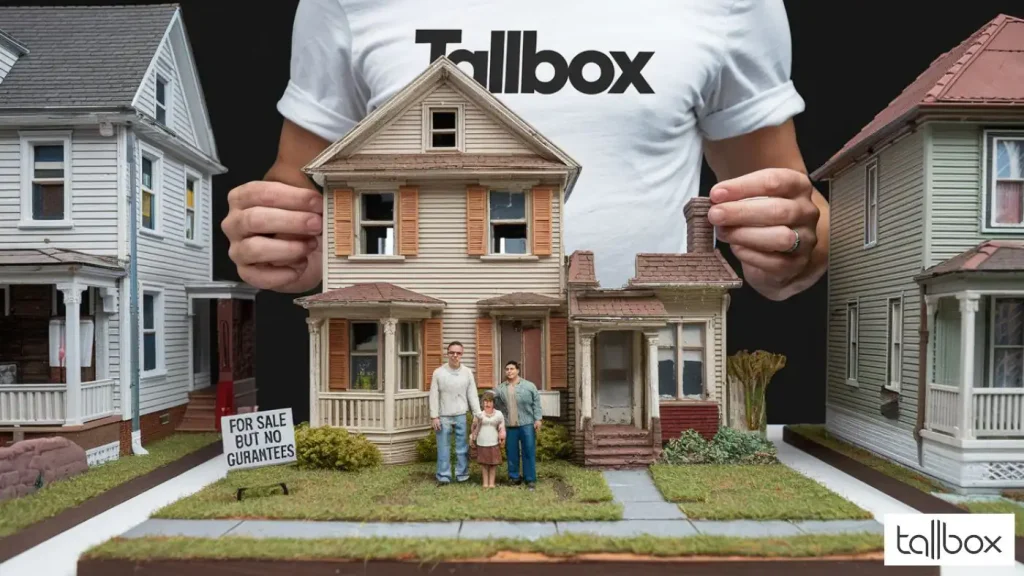
What Are the Risks of Buying a No Guarantee House?
The risks associated with purchasing a property without a guarantee are substantial, as buyers may encounter hidden defects that can result in costly repairs and potential legal ramifications if not adequately addressed.
In the absence of a warranty or seller’s disclosure, buyers are left exposed to issues that may not be immediately evident during property inspections. Many individuals underestimate the significance of comprehensive evaluations, which can reveal problems such as structural deficiencies, plumbing failures, or electrical malfunctions. This lack of protection can impose considerable financial burdens, particularly if there are defects that the seller was aware of but failed to disclose, thereby complicating the rights and responsibilities of the buyers post-sale.
Generally investing in a property without a guarantee may lead to liability issues related to the legal implications of unaddressed defects. It is essential for prospective buyers to contemplate the following considerations:
- The potential for significant renovation costs that may surpass initial budget estimates.
- The emotional distress that unresolved issues can cause, resulting in stress and dissatisfaction with the property.
- The risks associated with warranty exclusions, which may adversely affect future resale opportunities.
This highlights the importance of conducting thorough inspections, as they serve as a vital safeguard against unforeseen challenges in the long term.
What Are the Advantages of Buying a No Guarantee House?
Buying a no guarantee house can offer advantages such as a lower purchase price, investment potential through renovations, less competition for the property, customization opportunities, and a faster purchase process due to fewer contingencies.

Despite the inherent risks, purchasing a no-guarantee house presents several advantages that may appeal to specific buyers, particularly in favorable market conditions where the potential for property value appreciation exists.
These properties typically feature lower selling prices compared to their guaranteed counterparts, providing an opportunity for buyers who wish to invest in real estate at a more accessible entry point. Knowledgeable buyers can utilize effective negotiation strategies to secure favorable deals while remaining cognizant of their obligations and the associated investment risks.
For individuals contemplating this option, it is crucial to recognize several key factors:
- Price Advantage: Lower prices result in a reduced barrier to entry, facilitating access for first-time investors or those with limited budgets.
- Market Timing: Identifying favorable market conditions, such as buyer’s markets or neighborhoods with growth potential, can significantly enhance value appreciation.
- Effective Negotiation: Developing a strategy that incorporates thorough research and flexibility can yield improved terms during negotiations.
- Risk Awareness: Buyers must acknowledge the investment risks, including potential declines in property value or unexpected repair costs.
Individuals must weigh the attractiveness of lower costs against a realistic understanding of their long-term commitments and the dynamics of the market before proceeding with a purchase.
Who buys no guarantee houses?

Individuals such as real estate investors, “we buy houses” companies, property flippers, adventurous cash buyers, or opportunistic speculators that purchase houses without guarantees, often referred to as “as-is” properties. The potential for quick transactions and lower prices, despite the absence of warranties or assurances, which contrasts with traditional buyers who seek properties with guarantees and assurances for security and peace of mind.
What Factors Should Be Considered Before Buying a No Guarantee House?
Ahead of committing to a no-guarantee property, it is essential to thoroughly consider several critical factors to safeguard buyers from potential pitfalls and ensure a sound investment.
Conducting real due diligence is paramount, and it encompasses comprehensive property assessments to identify any hidden defects and reviewing the property’s history for past issues or repairs. The current market value and its potential impact on future resale opportunities are crucial.
It is important to recognize the implications of the transaction as well as the specific obligations that buyers may face in the absence of a guarantee.
Location and Neighborhood
The location and neighborhood of a property without guarantees are pivotal in determining its market value and future investment potential, making these factors essential considerations for prospective buyers.
When navigating the real estate market, evaluating key neighborhood characteristics can give the power to potential buyers to make informed decisions. A location characterized by robust infrastructure, reputable schools, and low crime rates typically correlates with higher property values and attracts quality buyers. These elements not only enhance the living experience but also indicate strong appreciation potential.
- Proximity to amenities, such as parks and shopping centers, can significantly enhance a property’s appeal.
- Understanding local market trends—whether it is a buyer’s or seller’s market—can greatly influence investment risks.
Generally thorough research on the intended neighborhood is essential; a well-situated home can evolve into a lucrative investment over time, providing a safety net against unforeseen challenges.
Age and Condition of the House
The age and condition of a property without guarantees are critical factors that significantly influence a buyer’s decision-making process, particularly concerning potential hidden defects and maintenance requirements. Purchasing a run-down property requires a documented history of issues that necessitate thorough property inspections to identify any concealed problems that could result in substantial repair costs in the future.
Understanding the condition of the property is essential not only for immediate living arrangements but also for fulfilling the buyer’s obligations regarding future maintenance and property evaluations.
As a prospective buyer navigates this complex landscape, it is imperative to consider various aspects related to both age and condition. For example, property inspections serve as a foundation for identifying issues such as outdated plumbing or electrical systems to which older houses are often prone.
Conducting a comprehensive inspection can reveal concerns such as:
- Roof deterioration
- Structural weaknesses
- Insulation effectiveness
- Water damage
By comprehending these critical factors, buyers can make informed decisions that help mitigate the risk of encountering unexpected repairs. Therefore, investing in a professional inspection not only aligns with a buyer’s due diligence but also enhances their ability to negotiate more favorable terms during the purchasing process.
Market Value and Potential for Appreciation

Assessing the market value and potential for appreciation of a property without guarantees is essential for buyers aiming to make informed investment decisions in the real estate market. Recognizing how current market trends and the property’s historical performance can impact future value is crucial, as fluctuations in property value can significantly affect the overall investment outcome. Buyers must carefully evaluate the risks associated with properties lacking guarantees against the potential for future appreciation when formulating their financial plans.
Understanding the real estate landscape necessitates the evaluation of various factors that interact with market value. Investors should consider the following elements to make well-informed decisions, ensuring they are aware of the transaction risks involved:
- Property history: Analyzing past sales and value trends provides insights into how properties have performed over time, which is crucial for understanding ownership issues and defects declaration.
- Market dynamics: Assessing supply and demand factors aids in determining the property’s current position in the market.
- Appreciation potential: Identifying neighborhoods with growth prospects can inform expectations regarding future value.
A defects declaration, also known as a seller’s disclosure statement, is a document provided by the seller outlining any known defects or issues with the property. In the context of a house purchase with no guarantee—often referred to as an “as-is” sale—the defects declaration plays a crucial role in informing the buyer about the property’s condition.
Purpose of a Defects Declaration
- Transparency: It promotes honesty between the seller and buyer by explicitly stating known problems with the property.
- Legal Compliance: In many jurisdictions, sellers are legally required to disclose certain defects to avoid future litigation.
- Risk Assessment: It allows buyers to assess the potential risks and costs associated with purchasing the property.
Key Aspects in No Guarantee Sales
Seller’s Obligation to Disclose
- Known Defects Must Be Declared: Even in “as-is” sales, sellers are typically required to disclose known material defects that could affect the property’s value or safety.
- Types of Defects: This can include structural issues, water damage, pest infestations, environmental hazards, or legal encumbrances like liens or easements.
Limitations of the Defects Declaration
- Unknown Defects: Sellers are not responsible for defects they are unaware of. The declaration only covers known issues.
- No Warranties: The defects declaration does not serve as a warranty. It informs but does not guarantee the property’s condition beyond what is disclosed.
Buyer’s Due Diligence
- Importance of Inspections: Buyers should conduct independent inspections to identify any defects not disclosed.
- Negotiation Leverage: Information from the defects declaration can be used to negotiate the price or request repairs, although the seller in an “as-is” sale may be unwilling to make concessions.
Legal Implications
- Failure to Disclose: If a seller intentionally withholds known defects, they may be liable for fraud or misrepresentation.
- Buyer’s Recourse: Legal action may be possible if it’s proven that the seller knowingly failed to disclose critical information that significantly affects the property’s value or safety.
Investment risk is inherently linked to these factors; properties without guarantees often require a more comprehensive analysis, such as a pre-purchase inspection, to uncover potential challenges. By employing effective evaluation strategies and considering buyers obligations, buyers can navigate the complexities of market trends and assess how these elements may influence both the short-term viability and long-term appreciation of their investments.
Why Should Buyers Be Cautious About Purchasing a No Guarantee House?
Buyers are advised to exercise caution when contemplating the purchase of a property without a guarantee, as various hidden issues and costs may emerge after the transaction, potentially affecting their financial stability and buyers rights.
In the absence of a quality warranty or legal warranty, buyers may encounter unforeseen expenses related to essential repairs or legal actions arising from undisclosed defects and hidden problems. Furthermore, properties of this nature often come with limited financing options, which may hinder buyers’ ability to secure funding.
This situation can complicate the purchasing process and pose challenges for reselling the property in the future, highlighting the need for comprehensive risk management strategies.
Possible Hidden Issues and Costs
One of the most concerning aspects of purchasing a home without guarantees is the potential for hidden issues and the associated repair costs that can significantly affect the buyer’s financial situation. In the absence of a seller disclosure or warranty, buyers face the risk of encountering problems that may be concealed, resulting in unforeseen expenses for repairs or legal liabilities if these issues are not disclosed prior to the sale. It is imperative for buyers to be cognizant of these risks and to prepare for comprehensive property inspections and home inspections to mitigate such issues.
Buyers may often encounter problems such as plumbing issues, electrical system failures, or even structural damage that are not immediately apparent.
- Plumbing repairs can vary widely, from minor leaks costing a few hundred dollars to more extensive issues requiring thousands to rectify.
- Electrical repairs may also incur substantial costs, particularly if outdated wiring needs to be replaced.
- Structural problems, such as foundation issues, can escalate into significant financial burdens, often exceeding tens of thousands of dollars.
Sellers may choose to avoid full disclosure, thereby leaving buyers vulnerable to these potential liabilities. Therefore, it is crucial for buyers to invest in professional inspections and consult experts to identify hidden defects prior to making a purchase.
Addressing these liability issues early can considerably reduce risks for the buyer in the long run.
Limited Financing Options
Limited financing options frequently accompany the purchase of a no-guarantee property, presenting a challenge for many buyers seeking a mortgage to fund their investment. Lenders may exhibit hesitance in approving loans for properties lacking warranties due to the heightened perceived risk, which can result in buyers confronting higher interest rates or more stringent lending requirements. It is essential for buyers to comprehend these financing limitations, as they may have obligations that influence their investment strategy and overall property value.
Many inexpensive homes especially those listed under $50,000, are sold “as-is” without warranties or guarantees regarding their condition. These homes may require significant repairs or have legal complications like unpaid debts attached to them.
It’s a complex task to obtain a mortgage for a no-guarantee property, and it extends beyond the approval process. Buyers should consider several factors that can significantly impact their financial commitment:
- Higher Down Payments: Lenders often require larger down payments to offset the increased risk, resulting in a more substantial upfront expenditure.
- Increased Maintenance Costs: In the absence of warranties, buyers may encounter unforeseen repair expenses that can accumulate rapidly.
- Limited Resale Value: The absence of a guarantee may deter prospective future buyers, affecting the long-term investment potential.
Generally it is vital for any prospective buyer to understand these intricacies, including buyers risk, in order to navigate their obligations effectively and mitigate potential investment risks.
Difficulty in Reselling
Reselling a house without guarantees can often prove to be more challenging than selling a traditional property, largely due to the perceived risks and diminished buyer protections associated with such homes.
In many instances, potential buyers exhibit considerable hesitance, primarily driven by concerns regarding the lack of essential legal assurances. This reluctance frequently results in a stagnant market, where properties remain unsold for prolonged periods, thereby creating undue stress for sellers. Fluctuating market conditions—such as rising interest rates or economic uncertainties—can exacerbate these issues, contributing to the perception that houses without guarantees are less desirable investments.
- Buyers may view these properties as speculative risks, which can further suppress demand.
- Consequently, understanding local market dynamics is imperative, as these factors can influence not only the speed of the sale but also the final selling price.
For individuals seeking to resell a house without guarantees, implementing proactive strategies to emphasize the property’s strengths and address buyer concerns, including providing a sellers declaration, can be invaluable in overcoming these challenges.
Where Can One Find No Guarantee Houses?
Acquiring guaranteed houses can be achieved through multiple channels, including foreclosure auctions, real estate listings, and properties sold directly by owners without broker representation. These avenues frequently offer access to homes at reduced prices, making them attractive to budget-conscious buyers seeking investment opportunities. Consulting a real estate broker can also help in navigating these options.
However, it is essential for prospective buyers to comprehend market trends and property transactions within these contexts, as each method presents distinct challenges and considerations when navigating the real estate market.
Foreclosure Auctions
Foreclosure auctions present a distinct opportunity for buyers seeking properties without guarantees, as these homes are frequently sold at prices significantly lower than their market value. Buying a foreclosed property is a good idea if you have either a stable financial fund, skills in renovating homes, or buying with a friend who has the experience and you the money.
While these auctions may offer appealing bargains, potential buyers must approach them with careful consideration. It is essential to recognize the potential for reduced prices; however, this should not overshadow the critical due diligence required to navigate this intricate process. Buyers should take into account the following:
- Property Condition: Properties at foreclosure auctions may require substantial repairs or may have unforeseen issues, given the absence of standard guarantees. A thorough home inspection is crucial.
- Market Research: Conducting an analysis of recent sales and property trends is vital for developing an informed bidding strategy.
- Local Regulations: Being well-versed in state and local laws pertaining to foreclosure can safeguard buyers from costly errors, ensuring adherence to legal requirements.
By thoughtfully evaluating these factors, prospective bidders can mitigate their risks while capitalizing on the opportunity to invest in undervalued real estate.
Real Estate Listings
Real estate listings serve as a valuable resource for buyers seeking properties without guarantees, as they typically provide comprehensive information regarding available homes, including details about their conditions and pricing.
This enables buyers to explore a variety of options that are tailored to their specific preferences and budgetary constraints. Understanding the intricacies of market dynamics is essential, as it gives potential investors the power to identify opportune moments for purchasing.
While reviewing listings, it is important to monitor the following factors:
- Current property values
- Neighborhood trends
- Future development plans
These elements not only impact pricing but also determine potential resale value. Collaborating with real estate professionals who possess expertise in negotiation and understanding real estate laws can significantly assist buyers in securing favorable terms while protecting their interests.
Through diligent research and strategic analysis, buyers can improve their prospects for successful acquisitions in an unpredictable market environment.
Real estate listings serve as a valuable resource for buyers seeking properties without guarantees, as they typically provide comprehensive information regarding available homes, including details about their conditions and pricing.
This enables buyers to explore a variety of options that are tailored to their specific preferences and budgetary constraints. Understanding the intricacies of market dynamics is essential, as it gives potential investors the power to identify opportune moments for purchasing.
While reviewing listings, it is important to monitor the following factors:
- Current property values
- Neighborhood trends
- Future development plans
These elements not only impact pricing but also determine potential resale value. Collaborating with real estate professionals who possess expertise in negotiation and understanding real estate laws can significantly assist buyers in securing favorable terms while protecting their interests.
Through diligent research and strategic analysis, buyers can improve their prospects for successful acquisitions in an unpredictable market environment.
For Sale By Owner
Purchasing a no guarantee house listed as ‘for sale by owner’ (FSBO) enables buyers to engage directly with sellers, which can potentially result in improved negotiation outcomes and savings on commission fees. However, this approach necessitates a heightened level of diligence from buyers to fully grasp the implications of the transaction, including their responsibilities related to inspections and property assessments. FSBO transactions can introduce unique investment risks; therefore, it is crucial for buyers to conduct comprehensive research and remain informed throughout the purchasing process, understanding their buyers obligations and transaction implications.
When contemplating a no guarantee house purchase, buyers should carefully consider both the advantages and challenges associated with this type of transaction. Direct engagement with the seller can foster open discussions regarding the property’s condition and pricing, often leading to beneficial outcomes. Buyers should also be aware of their contractual obligations under the sales agreement. Several significant factors warrant attention:
- Buyers may need to navigate the complexities of the paperwork and purchase agreement without the assistance of a traditional real estate agent.
- A thorough understanding of local real estate laws, property rights, and market conditions is imperative, as this knowledge can enhance negotiation strategies and mitigate risks.
- The responsibility for conducting due diligence lies entirely with the buyer, encompassing the securing of home inspections and the assessment of property values.
The success of an FSBO transaction relies on clear communication, knowledge-based decision making, and a proactive approach to addressing potential property concerns.
Want to get 3D rendering for your renovation project?
Are No Guarantee Houses Cheaper Than Regular Houses?
No guarantee houses are frequently regarded as more affordable than conventional houses, primarily due to the lack of legal warranty and warranty of ownership, and the inherent risks that accompany them. These properties generally have lower selling prices, making them appealing to buyers seeking advantageous investment opportunities.
It is essential for buyers to carefully consider the potential cost savings in relation to the investment risks associated with hidden defects and future repair expenses, particularly in the context of fluctuating market trends. Consulting a building inspector could provide further insights into potential risks.
How Can Someone Sell a No Guarantee House?
Selling a house without guarantees necessitates careful consideration of various factors, including the establishment of an appropriate selling price, thorough disclosure of the property’s condition, and the implementation of effective marketing strategies to attract prospective buyers. Sellers must recognize their contractual obligations and sellers responsibilities to provide accurate information.
Sellers are obligated to provide all pertinent documentation related to the property, including any known defects and maintenance history, in order to fulfill their responsibilities.
By maintaining transparency regarding the property’s status, sellers can mitigate risks and foster trust with buyers, while also educating potential buyers about their obligations in a transaction without guarantees. This includes awareness of any warranty implications and lack of consumer protection.
How to Properly Disclose and Document?
Proper disclosure and documentation are essential when selling a property without guarantees, as they ensure that all known defects are communicated to potential buyers, thereby protecting the rights of both sellers and buyers. This level of transparency is crucial, as it not only safeguards the interests of both parties but also establishes a solid foundation for a smoother transaction.
Sellers have a critical role in this process by fulfilling their responsibilities to provide accurate information regarding the property’s condition. This includes a comprehensive overview of any significant repairs, maintenance history, or notable defects that could influence buyer decisions.
Buyers, in turn, have the right to receive this information without reservation, enabling them to make informed choices prior to finalizing their purchase.
- Effective documentation can serve as proof to mitigate future claims.
- Clarity in the selling process fosters trust and promotes a fair exchange.
Marketing Strategies for No Guarantee Houses
Effective marketing strategies are essential for selling a no-guarantee house, as they can significantly impact the selling price and attract the appropriate buyer demographics to the property. By employing these strategies, sellers can strategically position their homes within a competitive market.
To maximize exposure, sellers should consider a combination of the following approaches:
- Targeted online advertisements
- Engaging social media posts
- Interactive virtual tours
These methods should highlight the property’s key attributes. Setting the selling price necessitates a thorough analysis of comparable properties in the area and an understanding of current market conditions to determine a value that resonates with potential buyers.
Identifying key demographic segments, such as first-time homebuyers or investors, allows for the effective tailoring of marketing efforts. By addressing buyer motivations—whether they prioritize affordability or unique investment opportunities—and employing robust negotiation strategies, sellers can facilitate smoother transactions that benefit all parties involved.
How to make a no gurantee house work (as investment)?
To make a no-guarantee house work as an investment, first, find a good location with demand for short or long-term rentals, then identify the properties for sale without guarantees, after conducting thorough inspections to identify repair needs, budget for renovations that increase property value, negotiate a lower purchase price to account for potential risks, and focus on strategic upgrades that yield high returns. Your goal must be to calculate the cost and ROI in advance, as much as possible, conduct all checks and balances, and make sure to do title verification. It’s advisable to work with real estate experts to accurately assess the property’s potential.
Investing in a house sold with no guarantees—often referred to as purchasing a property “as-is”—can present a high-risk, high-reward opportunity. While these properties may come with uncertainties, strategic planning and careful execution can turn them into profitable investments.
Here’s how you can make a no guarantee house work as an investment:
1. Conduct Thorough Due Diligence
Professional Inspections: Hire licensed home inspectors to assess the property’s structural integrity, electrical systems, plumbing, roofing, and other critical components. This can uncover hidden issues and help estimate repair costs.
Environmental Assessments: Check for environmental hazards such as asbestos, lead paint, mold, or radon gas, which can be costly to remediate.
Pest Inspections: Look for signs of termite damage or other pest infestations that could compromise the property’s value.
2. Perform a Detailed Financial Analysis
Acquisition Costs: Calculate the total cost of purchasing the property, including closing costs, taxes, and fees.
Renovation Budget: Estimate the costs for necessary repairs and desired renovations. Obtain quotes from reputable contractors to ensure accuracy.
Contingency Fund: Set aside extra funds (typically 10-20% of the renovation budget) for unexpected expenses that may arise during the renovation process.
Projected Profit: Analyze comparable property sales in the area to estimate the potential resale value after renovations.
3. Secure Appropriate Financing
Renovation Loans: Consider financing options designed for properties in need of repair, such as FHA 203(k) loans or Fannie Mae’s HomeStyle Renovation loans.
Private Investors: Partnering with private investors or hard money lenders can provide the capital needed for acquisition and renovations.
Cash Reserves: Ensure you have sufficient cash flow to cover ongoing expenses, including mortgage payments, utilities, insurance, and property taxes during the renovation period.
4. Develop a Strategic Renovation Plan
Prioritize High-Value Improvements: Focus on renovations that add the most value, such as updating kitchens and bathrooms, improving energy efficiency, or enhancing curb appeal.
Compliance with Codes: Ensure all work complies with local building codes and zoning regulations to avoid legal issues and fines.
Quality Over Speed: Opt for quality workmanship over quick fixes to maximize the property’s value and appeal to potential buyers or tenants.
5. Leverage Professional Expertise
Real Estate Agents: Work with agents who specialize in investment properties and understand the local market dynamics.
Contractors and Tradespeople: Hire experienced professionals for renovations to ensure work is completed efficiently and to a high standard.
Legal Counsel: Consult a real estate attorney to navigate any legal complexities, especially with properties sold without guarantees.
6. Mitigate Risks
Title Insurance: Purchase title insurance to protect against potential title defects, liens, or ownership disputes.
Insurance Coverage: Obtain adequate property insurance to cover the home during renovation, including builder’s risk insurance if necessary.
Monitor Expenses: Keep a close eye on the budget to prevent cost overruns that can erode profits.
7. Understand the Market
Market Research: Analyze current market conditions, including supply and demand, local economic factors, and buyer preferences.
Target Audience: Identify whether the renovated property will be more appealing to families, young professionals, or investors, and tailor renovations accordingly.
Timing the Sale: Plan the sale or rental listing to coincide with peak market periods for maximum exposure and price.
8. Maximize Sales Potential
Staging and Presentation: Professionally stage the property to highlight its best features and make a strong impression on potential buyers.
Marketing Strategy: Utilize a comprehensive marketing plan, including online listings, professional photography, open houses, and social media promotion.
Competitive Pricing: Set a realistic and competitive price based on market analysis and the property’s improved condition.
9. Consider Long-Term Investment Strategies
Rental Income: If the market conditions favor renting, consider holding the property to generate steady rental income and benefit from property appreciation over time.
Property Management: If opting to rent, decide whether to manage the property yourself or hire a professional property management company.
Tax Benefits: Explore tax deductions available for investment properties, such as depreciation, repairs, and maintenance expenses.
10. Learn and Adapt
Build Experience: Each investment provides learning opportunities. Analyze what worked well and what could be improved for future projects.
Networking: Connect with other real estate investors to share insights, strategies, and potential joint venture opportunities.
Stay Informed: Keep abreast of changes in real estate laws, market trends, and economic indicators that could impact your investment.