Hiring a qualified remodeling contractor is preferred when the project is complex or involves structural changes. Tasks like removing load-bearing walls, altering plumbing or electrical systems, or significant layout changes require specialized knowledge and experience to ensure safety and code compliance.
You lack the time, skills, or tools: Remodeling can be time-consuming and demanding. If you don’t have the necessary expertise or equipment, a professional can efficiently manage the project from start to finish.
You need permits and inspections: Qualified contractors are familiar with local building codes and permit processes, ensuring your project meets all legal requirements.
You want to avoid costly mistakes: DIY projects can lead to errors that are expensive to fix. A contractor’s experience helps prevent mistakes and minimizes potential issues.
You desire a professional finish and quality workmanship: Experienced contractors deliver high-quality results with attention to detail, enhancing the aesthetic appeal and value of your home.
You need project management and coordination: Contractors handle scheduling subcontractors, procuring materials, and overseeing the entire remodel, streamlining the process and reducing stress.
You want warranties and guarantees: Reputable contractors offer warranties on their workmanship and often facilitate manufacturer warranties on materials, providing peace of mind.
You’re dealing with insurance claims: For insurance-related repairs, a qualified contractor ensures accurate assessments, documentation, and adherence to insurance requirements.
You prioritize safety: Remodeling can involve hazardous work. Contractors follow safety protocols and have the necessary insurance to protect you and their workers.
You’re seeking professional design advice: Many contractors work with designers or architects, offering valuable insights and helping you achieve your desired aesthetic.
Want to get 3D rendering for your new house project?
Table of Contents

George is a seasoned interior designer and property marketing strategist with over 13 years of experience. He specializes in transforming properties into visually stunning spaces, helping clients recognize the potential and beauty in each property. With an impressive international client base of exciting projects throughout Europe and America.

George Nicola (Expert Interior Designer from TALLBOX) shares: Engage a qualified remodel contractor if a project is more than a cosmetic update and a partial or full gut remodel that involves structural modifications or the remodel budget is over $25,000.
Cosmetic updates (Paint, flooring, fixtures) are significantly faster and often can be completed DIY, while parietal remodels (kitchen, bathrooms, one or two rooms) or layout changes impacting load-bearing walls, rooflines, or foundations require specialized knowledge of building codes and engineering principles.
The square footage age of the house and the complexity of the layout impact the time, contractors have the experience to navigate these complexities, ensuring safety and compliance, avoiding potential structural failures that impact 15% of DIY renovations, are lacking professional oversight. Older homes often have unexpected issues that require more time to address (e.g., outdated plumbing, electrical, structural issues). This expertise extends to more complex electrical and plumbing work, which is vital for preventing hazards like fires or water damage, risks elevated by 20% in amateur installations.
For full GUT projects, a larger crew can complete the work faster, but this also increases labor costs.
Why Hire a Remodel Contractor?

Hiring a qualified remodeling contractor offers several benefits, including efficient completion of work, enhanced safety, proper adherence to regulations, and the ability to meet homeowners’ individual needs. It is crucial to check contractor qualifications and ensure they meet industry standards.
According to TALLBOX, a DIY cosmetic update could take a few weeks to a few months (assuming a team of one works half days steadily), think 400-800 hours, very roughly, for a partial remodel (e.g., Kitchen and two bathrooms). It can take several months to a year or, time-wise, perhaps 800-1500+ hours. The designers at TALLBOX estimated that a full Gut renovation can easily take 6-12 months or more, depending on scale, complexity, and budget. That is 1500-3000+ hours potentially. With the remodeling crew hired, cosmetic updates can take from 40 to 80 hours, partial remodeling from 80 to 125 hours, and full gut makeover has estimated time with a crew of 4: 125-300 hours (or roughly 3-7.5 weeks, assuming 40-hour work weeks).
Remodeling can be inherently complex and time-consuming, and contractors assist homeowners in navigating this complexity by providing expertise, experience, and access to reliable resources, ranging from materials to subcontractors. They also possess the legal knowledge necessary to ensure compliance with local building codes and regulations. It is important to conduct phone interviews to vet potential contractors thoroughly.
Working with a remodeling contractor enables homeowners to effectively manage the complexities of project planning, legalities, and consumer protection, ultimately leading to higher quality outcomes and greater satisfaction for clients. Contractors play an essential role in meeting project milestones and ensuring clear communication throughout the renovation process.
What is the minimum budget to Hire a Remodeling Crew?
If a project is over a project budget of more than $25,000, getting a qualified remodeling contractor is essential because they can expedite the process, reduce stress, and help you avoid costly mistakes. If a home is under 1,000 sq.ft. $20,000 – $50,000 or over 2,000 sq.ft.: $50,000 – $200,000+ indicates hiring a professional firm. Costs per square foot typically range between $15 to $60, potentially reaching $150 for premium finishes.
General Contractor are not cheap to hire, but they offer access to superior materials and technology and bring specialized knowledge and experience to your project.
Standard Rate: $50 – $150 per hour or a Daily Rate: $300 – $500. If they have a building manager there might be a project fee of 10% – 20% of total construction costs.
This guide outlines the benefits of hiring a remodeling contractor, as well as the steps to take before and during the hiring process and potential red flags to watch for. It discusses the costs associated with remodeling projects in the USA for 2024-2025. Embarking on a remodeling project can be both exciting and mundane. Whether your goal is to enhance the aesthetics of your home or to make it more functional, hiring a remodeling contractor can make a significant difference.
What Are the Benefits of Hiring a Remodel Contractor?
Hiring a remodeling contractor offers numerous benefits, including expert project management, access to quality materials, and superior craftsmanship, all of which contribute to a successful home renovation. Their experience in the construction industry ensures adherence to safety standards.
The expertise of a remodeling contractor is invaluable for homeowners considering a renovation. Their project management skills ensure that timelines are adhered to, costs are controlled, and the entire renovation process runs smoothly. These professionals manage scheduling and the procurement of materials, and they work with subcontractors to ensure that every aspect meets high standards.
Access to quality materials is another advantage of hiring a contractor. Homeowners can leverage the contractor’s network of suppliers, gaining access to premium materials that may not be available at retail stores. Additionally, a qualified remodeling contractor brings years of experience, ensuring the workmanship is of the highest quality, which ultimately enhances the overall value of the home.
These professionals excel at effective problem-solving. They can anticipate and prevent potential issues, addressing them swiftly to minimize delays. Therefore, choosing to hire a qualified professional not only facilitates a smoother renovation process but also leads to results that exceed expectations.
When Should You Consider Hiring a Remodel Contractor?
Homeowners should consider hiring a remodel contractor when undertaking major renovations that require specialized skills, extensive project planning, or adherence to realistic timelines. In many cases, attempting complex tasks without professional assistance can lead to costly mistakes, extended timelines, and subpar workmanship. Understanding the nuances of a renovation can be challenging, but a skilled remodel contractor can navigate these complexities effectively.
Here are several reasons to hire a remodel contractor:
- Major Renovations: Major renovations may include a complete kitchen remodel or a bathroom expansion. There are numerous building codes that must be adhered to, and expert remodel contractors know how to obtain the necessary permits and ensure that the project complies with these regulations.
- Structural Changes: Many remodeling projects involve altering existing layouts, such as removing walls or adding new windows. If the appropriate structural components are not in place, the home could become structurally unsound, potentially leading to issues like mold growth.
- Project Management: Large remodeling projects require significant time and effort to complete. Homeowners may lack the time or expertise needed to manage a remodel effectively. A remodel contractor oversees timelines, budgets, and subcontractors, allowing homeowners to focus on other aspects of their daily lives.
Steps to Take Before Hiring a Remodel Contractor
Before hiring a remodel contractor, homeowners should take several essential steps.
- Determine their budget.
- Investigate the contractor’s background, including their work history, license verification, and insurance coverage.
This information can be checked through reliable sources, such as the Better Business Bureau.r
Determine Your Budget
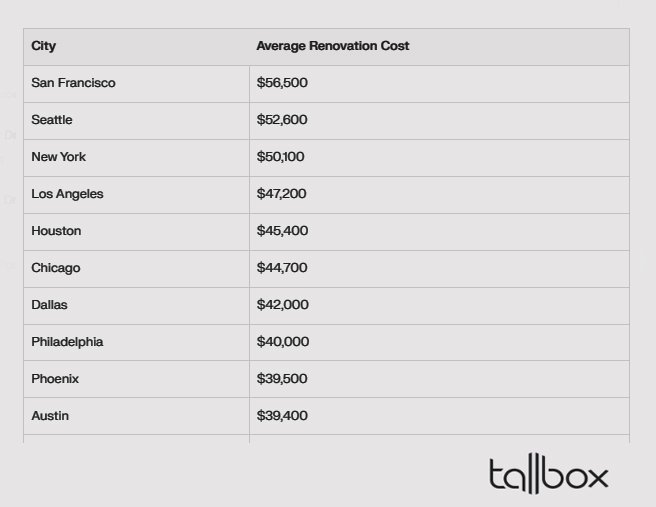
Determining your budget is the first and one of the most important steps in hiring a remodeling contractor, as it dictates all future actions and helps ensure that the project has a detailed cost breakdown. A practical budget is established by reflecting on both what you want the remodeling project to achieve and the financial limits within which you must operate.
The average whole-home renovation ranges from $18,500 to close to $90,500, with a typical cost of $53,000 that makes per square foot a range between $14 to $62, potentially reaching $155 for premium finishes and materials.
To do this, assess the full scope of the project, including the costs of materials, labor, permits, and any unexpected expenses. The following tips can assist you in establishing your budget:
- Research Average Costs: Investigate national and local averages for similar projects and verify contractor red flags during the hiring process. For example, the average range for kitchen reno is $14,000 to $41,000, with contractor markup for labor and installation ranging from $1,300 – $4,300.
- Scope of Work: Create a detailed scope of work that includes all major components such as fixtures, finishes, and appliances.
- Contingency for Unforeseen Expenses: Allocate an additional 10-15% of your budget to cover any unexpected costs.
By anchoring your plans to a specific financial framework, you will not only remain better organized but also lay the groundwork for smoother project execution.
Research and Gather Ideas for Your Project

Researching and gathering ideas for your home renovation project is essential for establishing a clear project scope and ensuring alignment with your vision. It is important to utilize reliable sources and insights from professional associations throughout this process. To effectively navigate the multitude of possibilities and options, consider several avenues for inspiration.
Start by exploring online platforms such as design blogs and DIY websites, where countless homeowners share their renovation stories and ideas. Social media can also unveil trending styles and techniques that are popular among renovation enthusiasts. Generally, visiting reputable home improvement stores can be beneficial, as they often offer free workshops or seminars to help inform your decisions.
Consider subscribing to home design magazines or journals for expert opinions and visual inspiration. Joining local home renovation groups or online forums can connect you with professionals and fellow homeowners who can provide valuable insights and recommendations. Consulting professional associations, such as the National Association of Home Builders, can guide you to credible resources and standards that contribute to successful projects.
By integrating these strategies, you can significantly enhance your renovation plans, ensuring they reflect your personal style while remaining practical.
Get Recommendations from Friends and Family
The most effective way to find a reliable remodeling contractor is through recommendations from friends and family. Their direct experiences can guide you to trustworthy sources and ensure personal compatibility, providing a solid foundation for your decision-making process.
To effectively utilize personal recommendations, consider the following steps:
- Assess Compatibility: Evaluate not only the contractor’s skills and reliability but also whether their approach aligns with your vision and preferences.
- Ask for Specifics: Inquire about aspects such as professionalism, punctuality, and communication style to better gauge their reliability.
- Follow Up: Don’t hesitate to reach out to past clients recommended by your friends and family to gain further insights.
By actively engaging with these personal recommendations, you can create a list of contractors who are more likely to be high-quality and reliable, ultimately leading to a more successful remodeling experience. It is also advisable to get contractor references to ensure personal compatibility.
Check for Proper Licensing and Insurance
The first step in hiring a remodeling contractor is to verify their licensing and insurance coverage. This ensures that the contractor complies with the regulations set by the local licensing board and possesses adequate contractor insurance. Checking a contractor’s credentials can help homeowners avoid potential headaches and financial losses in the future. Consider asking about lien releases and negotiating payment terms during contract finalization.
Conducting this due diligence is straightforward and involves a few simple steps, such as contacting local licensing boards to confirm whether the contractor is in good standing. Homeowners should also request to see the contractor’s insurance certificates to ensure they have both liability and workers’ compensation insurance. Liability insurance protects the homeowner in the event of an accident, while workers’ compensation covers any employees injured on the job.
A systematic approach to verifying a contractor’s credentials includes the following steps:
- Contact the local licensing board, as requirements can vary by state;
- Request proof of insurance and verify the coverage limits;
- Check for any complaints against the contractor;
- Consider reviewing online ratings and feedback.
By following these steps, homeowners can gain peace of mind and feel confident in their decision.
Steps to Take During the Hiring Process
Homeowners should follow these steps during the hiring process:
- Obtain a bidding breakdown from multiple contractors,
- Negotiate the payment terms, and
- Sign a detailed written contract that outlines clear communication and expectations.
Want to get 3D rendering for your new house project?
Get Multiple Quotes and Compare
Obtaining multiple quotes from different remodeling contractors is essential for homeowners, as it allows them to compare bidding breakdowns and evaluate contractor qualifications. When embarking on a home renovation project, seeking multiple quotes serves as both a protective measure and an opportunity for valuable analysis.
By examining the bidding breakdowns provided by contractors, homeowners can understand what services are included, which materials are specified, and how labor costs will be calculated. Comparing these factors is crucial for making informed decisions.
Homeowners should also assess each contractor’s qualifications by reviewing their previous work, checking references, and verifying certifications. It is advisable to prioritize contractors who not only offer competitive prices but also have a proven track record of professionalism.
By carefully analyzing these important aspects, homeowners can ultimately select a contractor who meets their expectations and fits within their budget.
Ask for References and Check Their Work
Requesting references and checking a contractor’s work history is one of the most important steps when hiring a contractor. This process reveals how satisfied previous clients have been with the contractor’s work and the overall quality of their projects.
If time permits, reviewing references can provide valuable insights into the contractor’s reliability, professionalism, and ability to meet deadlines. Whenever possible, visiting past project sites is advisable, as it allows you to assess the quality of the work firsthand and determine if the contractor’s style aligns with your vision. Additionally, speaking with former clients can offer further perspective on their satisfaction with the completed work.
At a minimum, references and work history should include a comprehensive list of references that have been contacted. It is essential to ask specific questions regarding timelines, budgets, and follow-up services after the project is completed. By considering these factors, prospective clients can significantly enhance their chances of a successful project.
Discuss the Project Timeline and Communication
Discussing the project timeline and establishing effective communication with your remodel contractor are essential for ensuring transparency and alignment with your renovation goals. At the outset of the renovation process, it’s important not only to outline the specific milestones you wish to achieve but also to foster a two-way communication channel. Schedule regular check-ins, whether weekly or bi-weekly, to share updates on progress and timelines, and to promptly identify any issues that may arise.
The following two-way communication strategies can help improve your relationship with the contractor and ensure clear expectations moving forward:
- Define Expectations: Clearly articulate what you expect from the remodel contractor in terms of both the timeline and the quality of work.
- Ask Questions: Encourage the remodel contractor to bring up any issues or challenges they may encounter. Regularly check in with them to address their concerns and difficulties as they arise.
Generally, keeping a record of discussions is crucial for establishing a clear timeline and managing any issues that may come up later. Ultimately, maintaining regular communication with your remodel contractor ensures that both parties remain aligned and helps facilitate the successful completion of the project.
Get a Written Contract
Finalizing a written contract with your remodeling contractor is the most critical step in the remodeling process. A well-drafted contract clearly outlines the project scope, payment terms, and legal considerations, which may include lien releases and dispute resolution procedures.
This ensures that both parties have a clear understanding of their responsibilities and protects their interests throughout the project.
Red Flags and Mistakes to Avoid When Hiring a Remodel Contractor
The most common red flags and mistakes to avoid when hiring a remodeling contractor include unrealistic estimates and poor communication. These issues can result in the failure of your home renovation project and may violate consumer protection standards.
Check the remodeler's reviews
Contractor’s reviews can, on their own, signal issues with their workmanship; if you read about frequent unexplained delays and disappearances, poor communication, or unresponsiveness, failure to follow contract terms or not providing timeline updates are all immediate signals something is not right.
Unrealistic Estimates
Unrealistic estimates are a significant warning sign when hiring a remodeling contractor, as they may indicate a lack of understanding of project expectations or poor negotiation skills. An estimate that is excessively low or clearly unrealistic suggests that the contractor does not fully grasp the actual details of the project. Major red flags are demands for large upfront deposits (over 10-15% of total cost) and lack of detailed cost breakdowns.
Misleading estimates often lead to budget overruns and time delays, spiraling into frustration and mistrust among all parties involved. Understanding effective negotiation techniques is crucial because experienced contractors recognize that the best estimates are based on accurate assessments of materials, labor, and time.
Budget constraints can pressure clients to compromise on essential aspects of a project if unrealistic estimates dominate the negotiations, leading to substandard workmanship and incomplete or abandoned projects. Proper evaluations are vital for keeping any project on track and within budget.
Engaging in open discussions about costs can greatly contribute to the success and satisfaction of everyone involved in the remodeling process.
Lack of Communication
Effective communication skills are essential for client satisfaction, as a lack of communication between homeowners and remodel contractors can lead to misunderstandings, dissatisfaction, and ultimately project delays. Establishing clear communication channels is vital to avoid confusion and foster a positive working relationship. Active communication allows both homeowners and remodel contractors to share their expectations, needs, and concerns.
Several methods can be employed to quickly identify potential communication issues. Regular progress meetings can be held to provide updates and solicit feedback. Project management tools can facilitate transparent tracking of tasks and assignments, ensuring accountability for their completion. Additionally, an open dialogue should be encouraged, where questions and clarifications are welcomed.
By utilizing these methods, both contractors and homeowners can ensure they remain aligned on project goals, thereby enhancing client satisfaction and creating a more productive work environment.
No Written Contract
The absence of a written contract when hiring a remodel contractor poses several risks, including misunderstandings, legal disputes, and a lack of consumer protections. Without a written agreement, clients are more likely to experience confusion regarding project timelines, costs, and specific job details. This can result in unexpected expenses and delays.
Contracts serve as the foundation for the relationship between contractors and clients, ensuring that the project will be completed according to the agreed-upon specifications. Therefore, it is crucial to clearly define the scope of work, payment schedules, and completion timelines in a manner that minimizes legal risks and outlines expectations. A contract protects both the consumer and the contractor from potential misunderstandings and disputes.
When fundamental terms of the business arrangement are not clearly defined and documented in writing, several risks increase:
- Ambiguity: Verbal agreements can easily lead to differing memories and interpretations of the parties involved at a later date.
- Liability: In case of damages or accidents, a contracting party may face significant challenges in proving that the circumstances were not as expected.
- Change Orders: Given that most projects are dynamic in nature, a written contract provides a formalized process for managing and agreeing to changes.
Taking the time to create a comprehensive contract is an essential step that ensures legal considerations are adequately addressed, mitigating the myriad issues that can arise during any remodeling project.
How to Prepare for a Remodel Project
When preparing for a remodeling project, it is essential to consider several key elements. First, develop a detailed plan that outlines your vision and goals for the renovation.
Next, establish a contingency budget to account for any unexpected expenses that may arise during the process. Finally, maintain clear communication with your contractor throughout the renovation to ensure that everything runs smoothly.
Create a Detailed Plan and Timeline
The significance of a remodeling project plan and timeline lies in its ability to outline project milestones and ensure that renovations are completed within a realistic timeframe. It is essential to recognize that a remodeling project plan is more than just a checklist; it also establishes deadlines that align with the available resources. Setting milestones enables progress tracking, which is crucial for maintaining momentum throughout the project. Additionally, milestones foster accountability and make it easier to identify when and where issues arise.
Project timelines should be established with the following components, taking into consideration building permits and inspections:
- Identify Major Tasks: Every remodeling project can be broken down into a manageable number of components, which may vary depending on the specific project. For instance, a kitchen remodel could include tasks such as design, demolition, framing, electrical work, plumbing, drywall installation, flooring, cabinet installation, countertop placement, backsplash installation, appliance setup, and painting.
- Establish Clear Deadlines: Each major task should be further divided into smaller steps, each with assigned deadlines. It is important to include time for decision-making and selection of materials and finishes.
- Review Regularly: The timeline should be reviewed and updated throughout the project. As decisions are made and unexpected challenges arise, it is vital to revisit the timeline and make necessary adjustments.
Set Aside a Contingency Budget
Contingency budgets for remodeling projects are essential in project planning, as they protect against unexpected costs and facilitate smoother project execution. These budgets provide a buffer for flexibility in decision-making and help safeguard against unforeseen expenses.
Renovations often reveal unanticipated issues, such as structural problems or increases in material prices, making it crucial to set aside a reasonable amount for contingencies. A good rule of thumb is to allocate an additional 10-15 or 20% on top of the total budget for this fund.
When determining the percentage for a contingency budget, several factors should be considered:
- reviewing data from past similar projects, as the percentage can be informed by the scope and complexity of those projects;
- evaluating the planned scope and complexity of the current project, as more complex remodels may require a larger fund.
Generally, having a well-planned contingency budget ensures that remodeling projects are completed on time, within budget, and to a high standard of quality. It is also advisable to investigate the background of contractors by reviewing the Better Business Bureau and consumer protection agency reports.
Prepare Your Home for Construction
Preparing your home for construction involves ensuring that safety standards are upheld and that the area being remodeled is properly set up for the upcoming renovations. Homeowners must take the necessary precautions to protect both their property and the individuals working on the project. Here are a few practical ways to achieve this:
- Clear the Area: Relocate furniture and personal belongings from the areas being remodeled to safeguard them from potential damage during construction.
- Establish a Safety Perimeter: Set up barriers and signage to create a designated construction area, preventing children and pets from entering and minimizing the risk of injury.
- Communicate with Contractors: Discuss safety practices and project schedules with the workers to ensure that everyone is informed about the necessary safety measures.
- Maintain Ventilation: If materials that require ventilation, such as paint or adhesives, are being used, keep windows open to allow for adequate airflow.
DIY vs Hiring a Designer for Remodel Projects
Homeowners must choose between undertaking a remodeling project themselves or hiring a designer. Each option comes with its own advantages and disadvantages, which can significantly influence the overall scope and success of the project.
Pros and Cons of DIY Remodeling
DIY remodeling offers the potential for significant financial savings and a sense of personal achievement; however, it requires effective project management and a realistic assessment of one’s abilities and resources. In the current economic climate, many individuals are increasingly inclined to undertake remodeling projects themselves, primarily to save money and personalize their spaces.
While the advantages and disadvantages of DIY remodeling are clear, several other factors must be considered when deciding whether to pursue these projects.
Cost savings can be substantial when labor costs are eliminated, and the ability to customize each aspect of the project to one’s specific tastes and needs is a notable benefit. On the downside, the time required to learn new skills must be taken into account, along with the risk of making mistakes that could turn a straightforward task into an expensive endeavor requiring repairs.
A thorough understanding of project management principles, as well as an honest appraisal of one’s skill set, is crucial for the successful completion of a remodel.
Pros and Cons of Hiring a Designer
Hiring a designer for your remodeling project offers valuable expertise and creative vision, ensuring that the project is executed correctly while maintaining the desired quality and aesthetics. Professional designers possess knowledge about materials, layouts, and styles that contribute to a harmonious living environment. Their experience allows them to navigate potential challenges that may arise during remodeling, such as zoning regulations and budget constraints, ultimately saving homeowners time and reducing stress.
While there are numerous benefits to hiring a designer, including expanded creative options and more professional execution, there are also some drawbacks to consider, such as the additional costs and the need for effective communication to align both parties’ visions. Before finalizing contract agreements with designers or contractors, it is crucial to verify their license and insurance details, including workers’ compensation.
To ensure that the advantages outweigh the disadvantages, it is important to assess your budget to determine if hiring a designer is feasible. Additionally, meeting with a contractor and discussing contractor recommendations can help align project expectations and outcomes.
Additionally, research and meet with potential designers to review their portfolios and discuss your goals. Establishing clear communication protocols from the outset can help ensure that expectations are understood.
Utilizing a designer’s expertise can transform a basic remodel into a stunning space that you will enjoy, all while maintaining a professional touch.
Costs of Remodeling Projects in the USA (2024-2025)
Understanding the average costs of remodeling projects in the USA for 2024-2025 is crucial for homeowners, as these costs can vary significantly depending on the scope of the project, the materials used, and labor expenses.
Therefore, a detailed breakdown is essential for effective budgeting.
Average Costs for Common Remodel Projects with Insights from Experts
The average costs for common remodeling projects can vary significantly, with kitchen and bathroom renovations typically representing the largest expenses. Homeowners considering renovation must understand how these projects can impact their overall finances. Industry experts, such as Tom Silva from This Old House, and organizations like the National Association of the Remodeling Industry and the National Association of Home Builders provide valuable insights into cost management and project execution.
For instance, an average kitchen remodel can cost between $15,000 and $50,000, depending on factors such as materials, size, and custom features. Similarly, bathroom remodels can range from $10,000 to $30,000, influenced by the choice of fixtures and layouts.
Costs by Room Type
Kitchen
- Average range: $14,000 – $41,000
- Contractor markup: $1,300 – $4,300
Bathroom
- Full remodel: $6,000 – $29,000
- Small bathroom: $2,800 – $11,000
- Bathroom addition: $17,000 – $49,000
Other Rooms
- Living room: $5,500 – $12,000
- Bedroom: $1,800 – $6,000
- Basement: $12,000 – $35,000
- Attic: $4,900 – $17,000
- Garage: $2,000 – $55,000
When planning a budget for a remodeling project, it is essential to consider more than just labor and materials. Depending on your location, you may need to account for permit costs and plan for contingencies, such as hidden issues that could arise during the renovation. Costs can escalate in kitchen renovations due to high-end appliances, granite or quartz countertops, and custom cabinetry.
In bathroom remodels, prices can vary widely based on luxury tile choices, wet area alterations, and high-efficiency plumbing fixtures.
With careful planning and thorough research, homeowners can make informed decisions while minimizing the risk of unexpected expenses.
Factors that Affect the Cost of a Remodel Project
Several factors influence the costs of a remodeling project, including project scope, materials, and labor, all of which must be carefully considered during the planning stages. A clear understanding of these components can significantly impact budgeting decisions, and consulting financial references can further assist in managing expenses.
For instance, the project scope directly influences costs; a large project, such as a complete kitchen remodel, will differ greatly in expense from a smaller project, like adding a fresh coat of paint.
The types of materials chosen also play a crucial role in determining overall costs, ranging from budget-friendly options to luxurious finishes. Additionally, labor costs vary as well; while more experienced contractors may charge higher rates, their expertise can ensure a higher quality outcome, potentially saving money in the long run. Communicating with contractor teams regularly can help mitigate unforeseen costs and align expectations.
It is also important to account for unforeseen costs. Fluctuations in material prices or changes in labor availability can further affect remodeling budgets. Navigating this intricate interplay of factors is essential for homeowners aiming to achieve their desired results within their financial means.
What are common mistakes to avoid when hiring Remodel contractors?
One common mistake to avoid when hiring Remodel contractors is not researching and comparing multiple contractors. It is also important to not solely rely on price when making a decision, as a low price may mean lower quality work. Another mistake to avoid is not clearly communicating your expectations and budget to the contractor, which can lead to misunderstandings and delays.
How can 3D renderings be useful when hiring Remodel contractors?
3D renderings can be extremely helpful when hiring Remodel contractors because they provide a visual representation of the project and allow you to see the potential outcome. Experts like Tom Silva from “This Old House” often recommend 3D visualizations to ensure clarity. This can help ensure that you and the contractor are on the same page and can also aid in decision-making for design elements. 3D renderings can help prevent miscommunications and misunderstandings during the project.
Should I hire a designer to help with my Remodel project?
Hiring a designer to assist with your Remodel project can be beneficial, especially if you have a larger or more complex project. Designers have the expertise and knowledge to help bring your vision to life and can also assist with project management and communication with the contractor.
If you have a smaller or simpler project, you may be able to handle it on your own with research and planning. If you have any concerns about consumer protection, consider reaching out to a consumer protection agency for advice.