Moving house can be kids’ play or a complex process with various factors impacting the overall timeline. The one of the other depends on how prepared you are, if a moving company is involved and if you followed your moving day checklist. Typically, the average time to move house ranges from 12-22 weeks, but this can extend up to 6 months depending on circumstances; in some instances this time is money.
Generally after offer acceptance, the average time to completion is 8-12 weeks, but this can also extend to 11-21 weeks. Factors affecting the timeline include property chain complexity, mortgage approval process, survey and valuation delays, volume of belongings, distance of move, access issues at properties, and time of year. The physical moving time also varies depending on the size of the house, with a single-bedroom apartment taking 4-8 hours and a three-bedroom house taking 1-3 days. It’s worth noting that professional movers can significantly reduce the time required to complete a standard three-bedroom house move. When considering the cost of moving a 1-bedroom apartment over a 10-mile distance, the most significant factor is the hourly rate charged by movers. For example, if three movers are hired and supplies cost $150, the total expense amounts to $750, assuming an average time of four hours.
Want to get 3D rendering for your house as-is investment project?

George is a seasoned interior designer and property marketing strategist with over 13 years of experience. He specializes in transforming properties into visually stunning spaces, helping clients recognize the potential and beauty in each property. With an impressive international client base of exciting projects throughout Europe and America.
George Nicola (Expert Interior Designer from TALLBOX) shares:
By equipping yourself with the 12 essential tools our team at TALLBOX identified, you’re setting the stage for a more efficient and less stressful moving experience. Not only will these tools help protect your belongings, but they’ll also make the process safer and quicker, potentially shaving days off your moving timeline. Remember, thorough preparation and the right equipment are key components to make your house move a kid’s play and as smooth as possible.

Еssential tools you'll need for moving a house
First Aid Kit
Important to have on hand for any minor injuries that might occur during the moving process.
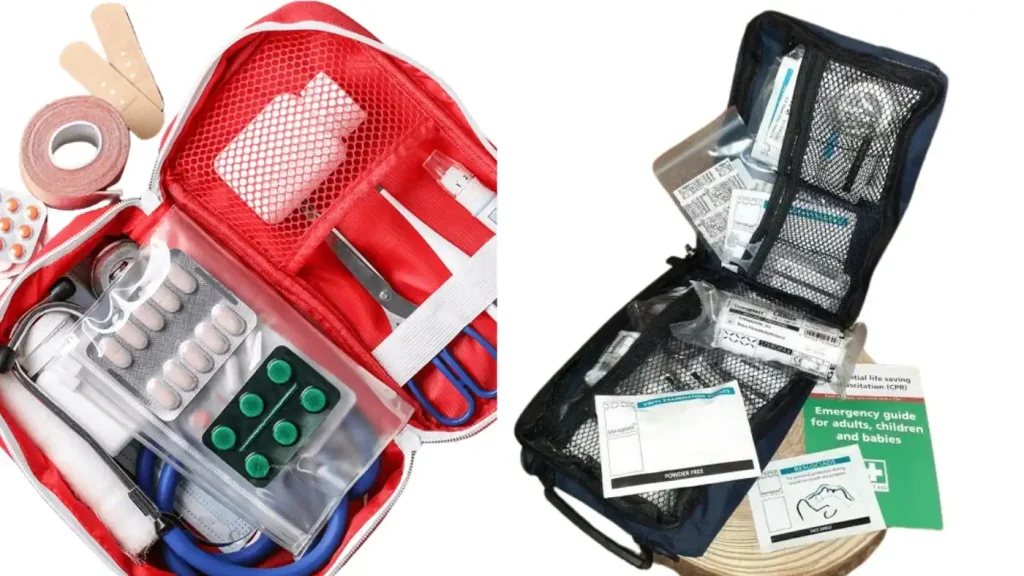
Imagine you accidentally cut your finger while unpacking boxes. Your first aid kit provides the necessary supplies to clean the wound with antiseptic wipes, stop the bleeding with a bandage, and protect it from infection. It also includes essentials like pain relievers for minor aches and tweezers for removing splinters.
Essential contents:
A well-stocked first aid kit should include:
Bandages: A variety of sizes and types, including adhesive bandages, gauze pads, and roller bandages.
Antiseptics: Antiseptic wipes or solutions to clean wounds and prevent infection.
Pain relievers: Over-the-counter pain medications like ibuprofen or acetaminophen.
Tweezers: For removing splinters or other foreign objects.
Scissors: For cutting bandages or tape.
Gloves: To protect yourself from infection when treating someone else’s injuries.
Furniture Dolly and Hand Truck
Furniture Dolly: A flat platform on wheels, ideal for moving heavy furniture like sofas, dressers, and stacked boxes without straining your back.
Hand Truck (Appliance Dolly): An upright tool with two wheels and handles, perfect for transporting heavy appliances such as refrigerators and washing machines.
Imagine you need to move a hefty antique armoire. Instead of risking injury by carrying it, you can use a furniture dolly. Place the armoire on the dolly’s flat platform, secure it with straps, and effortlessly wheel it to the moving truck.
Your washing machine is a bulky appliance. Trying to lift and carry it could lead to back strain or damage to the machine. A hand truck is designed for this task. Position the washing machine on the hand truck’s toe plate, tilt it back, and use the handles to wheel it safely to the truck.
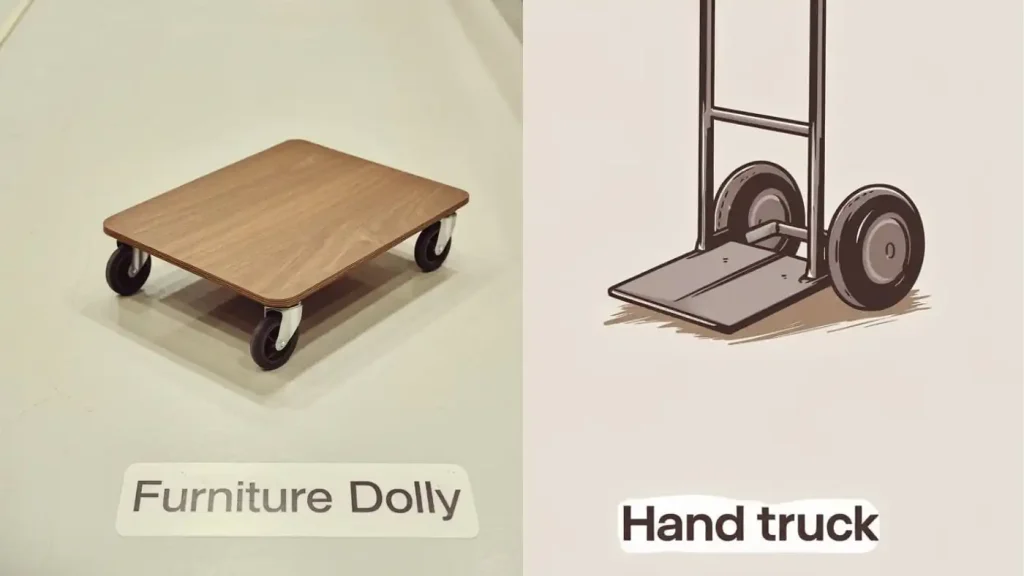
Both dollies aid in moving heavy items, but their designs cater to different needs. The main difference lies in their structure:
- Furniture Dolly: A flat platform ideal for wide or bulky items like furniture and stacked boxes.
- Hand Truck: An upright L-shaped structure with a toe plate, better suited for tall, heavy appliances like refrigerators and washing machines.
Other differences include maneuverability and weight capacity. Furniture dollies offer more maneuverability in tight spaces due to their four-swiveling wheels. However, hand trucks generally have a higher weight capacity, making them suitable for extremely heavy appliances.
Moving Straps and Ropes
Lifting Straps: These help you leverage heavy items more effectively, reducing the risk of injury.
Ropes and Bungee Cords: Essential for securing items in the moving truck to prevent shifting and damage during transit.
Imagine you and a friend need to move a heavy dresser up a flight of stairs. Lifting straps can help distribute the weight evenly, reducing strain on your back and increasing your lifting power. Each person wears a strap, securing it under the dresser, and the straps help leverage the weight, making the lift safer and more manageable.
After loading furniture and boxes into the moving truck, you’ll want to prevent them from shifting and getting damaged during the journey. Ropes and bungee cords are essential for this. You can use ropes to tie down larger items like appliances and furniture, while bungee cords are great for securing smaller boxes and preventing them from toppling over.
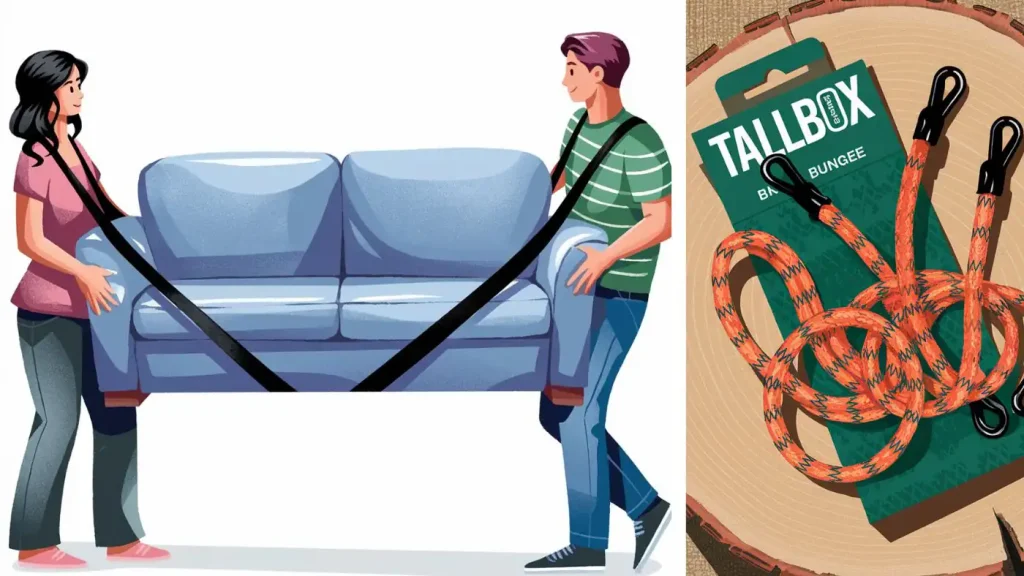
The main difference lies in their material and intended use. Ropes are typically made of strong fibers like nylon or polypropylene and are best for heavy-duty securing. Bungee cords, made of elastic strands with hooks, are better for lighter items and offer some flexibility.
Tool Kit
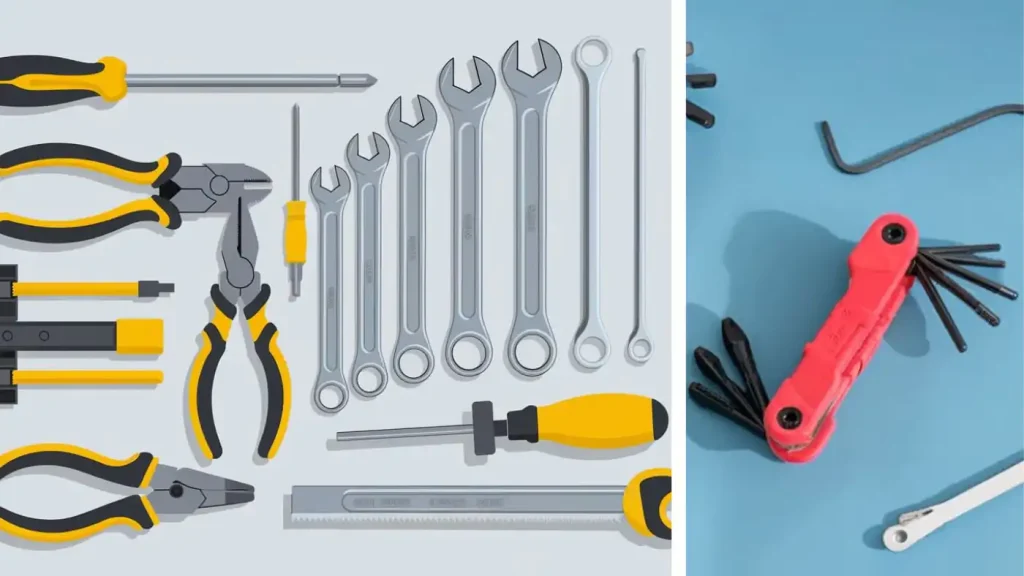
Basic Tools: Include screwdrivers, wrenches, pliers, and a hammer for disassembling and reassembling furniture and fixtures.
Allen Wrenches: Many furniture items require these for assembly and disassembly.
Imagine you need to disassemble your bed frame for easier transport. You’ll likely need a screwdriver to remove screws, a wrench to loosen nuts and bolts, and possibly pliers to grip and manipulate certain parts. A hammer might be needed to tap components into place during reassembly.
Many ready-to-assemble furniture pieces, like bookshelves or desks, use Allen bolts. An Allen wrench, with its hexagonal head, is specifically designed to fit these bolts, making it essential for assembling and disassembling such furniture.
With the tools for disassembly and reassembly covered, let’s move on to protecting your belongings during the move. This is where furniture pads and moving blankets come in
Furniture Pads and Moving Blankets
Protect your furniture and large appliances from scratches, dents, and other damages.
Also useful for protecting walls and floors during the move.
Before moving your beautiful dining table, you’ll want to wrap it securely in furniture pads. These thick, padded blankets protect the table’s surface from scratches and dings during transit. They also cushion impacts if the table is accidentally bumped.
If you pack smart, your local or international move will be much smoother. Start by minimizing possessions and prioritizing essential items. Next, organize belongings by category, using high-quality packing materials. Strategic packing, like using vacuum-sealed bags and rolling clothes, saves space. Don’t forget to back up your electronic data and keep valuables with you.
How they protect walls and floors:
Furniture pads are also great for protecting your home itself. For example, you can use them to:
- Cover walls: In narrow hallways, furniture pads can be temporarily attached to walls to prevent scratches and scuffs as you move furniture through.
- Protect floors: Laying down furniture pads on hardwood or tile floors creates a protective layer, allowing you to slide heavy items without causing damage.
Furniture pads are versatile tools that offer essential protection for both your belongings and your home during a move.
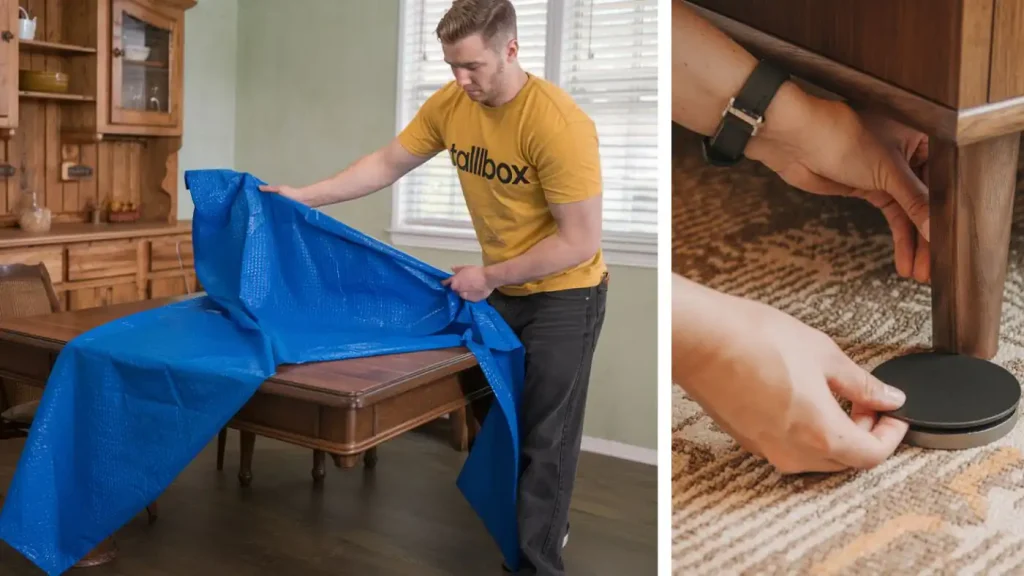
With the tools for disassembly and reassembly covered, let’s move on to protecting your belongings during the move. This is where furniture pads and moving blankets come in
Sliders and Gliders
Place these under heavy furniture to easily slide them across floors without causing damage to flooring surfaces.
Imagine you want to rearrange your living room furniture before they are loaded to the truck. Instead of lifting and dragging heavy pieces, which can scratch your hardwood floor, you can place sliders under the legs of your sofa or armchair. These allow you to effortlessly glide the furniture across the floor without causing damage.
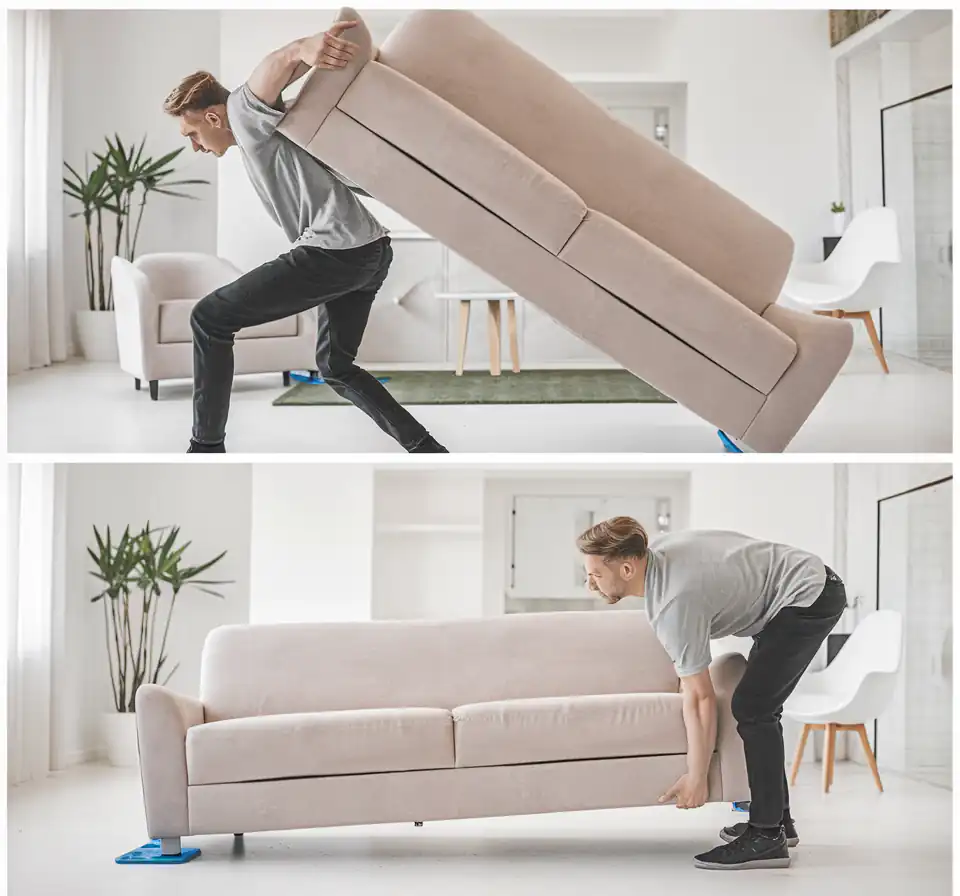
Types and materials:
Sliders and gliders come in various materials to suit different floor types:
- Felt sliders: Ideal for hardwood floors, offering smooth gliding and protection against scratches.
- Plastic sliders: Suitable for carpets and rugs, as they reduce friction and prevent snags.
- Rubber sliders: Offer a strong grip and are suitable for both hard floors and carpets.
- Gliders with a rigid base: These often have a hard plastic or wooden base with a felt or Teflon bottom, providing extra durability and support for very heavy furniture.
Сliders and gliders are essential for protecting your floors and making furniture moving a breeze. Choose the right type based on your floor type and the weight of the furniture.
Ramp or Loading Dock
If renting a moving truck without a built-in ramp, a portable loading ramp can make loading heavy items much easier.
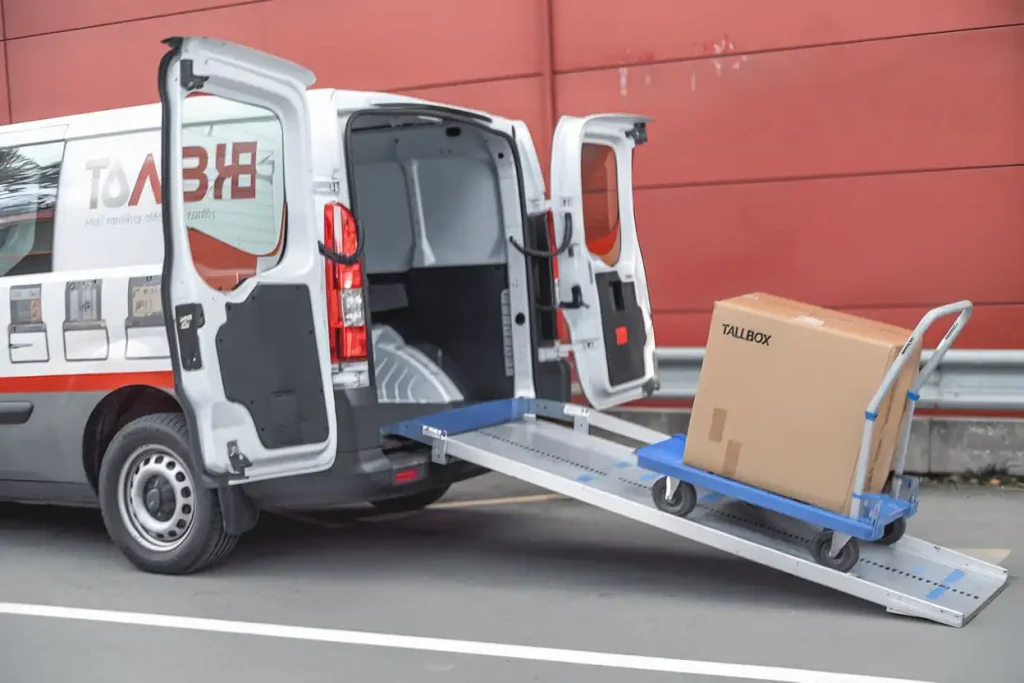
A ramp or loading dock can be incredibly helpful when moving heavy items, especially appliances and furniture.
Imagine you need to load a heavy refrigerator into a moving truck. Lifting it directly into the truck bed would be extremely difficult and risky. A ramp bridges the gap between the ground and the truck, allowing you to use a dolly or hand truck to smoothly wheel the refrigerator into the truck.
Types of ramps:
Portable ramps: These are freestanding ramps that can be easily moved and positioned as needed. They are commonly used for moving furniture and appliances.
Loading docks: These are permanent platforms built into the structure of a building, often found in warehouses and loading bays. They provide a level surface for loading and unloading trucks.
Benefits of using a ramp or loading dock:
Reduced strain: Ramps significantly reduce the physical effort required to load heavy items.
Safety: They minimize the risk of injuries associated with lifting heavy objects.
Efficiency: Ramps streamline the loading and unloading process, saving time and effort.
Versatility: They can be used for various items, including furniture, appliances, boxes, and even motorcycles.
A ramp or loading dock is a valuable asset when moving heavy items. If your moving truck doesn’t have a built-in ramp, consider renting a portable ramp to make the loading process easier and safer.
Protective Gear
Work Gloves: Protect your hands from cuts, blisters, and splinters.
Safety Glasses: Shield your eyes when disassembling items or when debris might be present.
Support Belts: Provide back support when lifting heavy items.
When unpacking boxes, you might encounter sharp objects like staples, nails, or broken glass. Work gloves provide a protective barrier, preventing cuts and scrapes. They also improve your grip, especially when handling heavy or awkwardly shaped items.
When disassembling furniture, small parts or debris can fly off unexpectedly, potentially causing eye injuries. Safety glasses shield your eyes from such hazards. They are also important when working in dusty environments like attics or basements.
Lifting heavy boxes or furniture repeatedly can strain your back muscles. A support belt provides extra support to your lower back, reducing the risk of injury. It helps maintain proper posture and stabilizes your core during lifting activities.
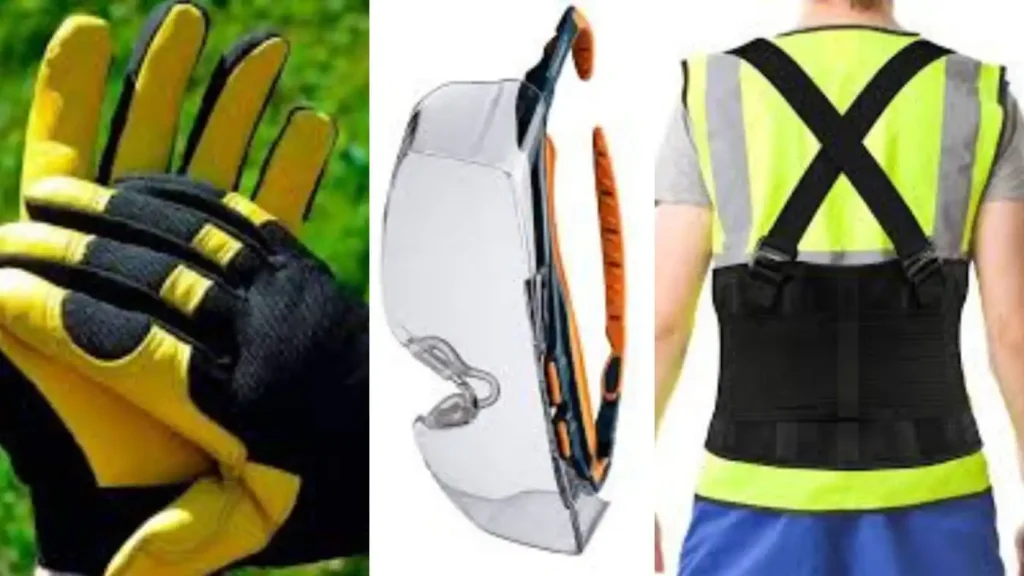
Investing in protective gear like work gloves, safety glasses, and support belts is crucial for preventing injuries during a move. They safeguard your hands, eyes, and back, allowing you to focus on the task at hand.
Ladder or Step Stool
Step Stools: Are ideal for reaching slightly higher areas, offering a stable platform with one or two steps. They are lightweight and easy to move around.
Ladders: Provide greater reach for higher tasks. They come in various heights and styles, including stepladders, extension ladders, and multi-purpose ladders. Choose the appropriate ladder based on the height you need to reach and the task at hand.
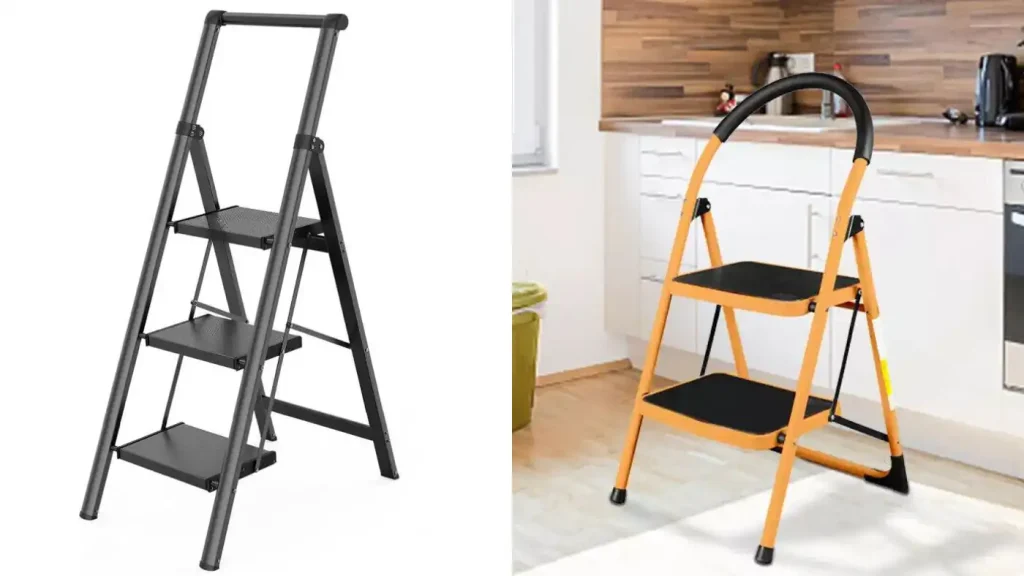
When packing away for a house move, stuff hidden in high cabinets or retrieving items from the top shelf of your pantry, a ladder or step stool provides a safe and stable platform to reach those elevated areas. It also comes in handy for tasks like taking down curtains, removing light fixtures, or cleaning ceiling fans.
Safety first:
Always prioritize safety when using ladders or step stools:
- Ensure stability: Place the ladder or step stool on a firm, level surface.
- Avoid overreaching: Keep your body centered between the rails and avoid leaning too far to either side.
- Use caution on stairs: If using a ladder on stairs, make sure it is properly secured and extends beyond the step.
A ladder or step stool is indispensable for safely accessing high places during a move. Choose the right tool for the task and always prioritize safety when using them.
Packing Knife or Box Cutter
For efficiently opening boxes and cutting packing materials during both packing and unpacking.
Imagine you have dozens of boxes to unpack. A packing knife allows you to quickly and safely slice through packing tape, open boxes, and break down cardboard for recycling. It’s also handy for cutting bubble wrap, foam, and other packing materials.

Choosing the right tool:
- Packing knives: Typically have a longer, more robust blade, suitable for heavy-duty cutting tasks.
- Box cutters: Often feature a smaller, retractable blade, offering more convenience and safety for everyday use.
Safety tips:
- Retract the blade: When not in use, always retract the blade to prevent accidental cuts.
- Cut away from yourself: Always direct the blade away from your body and hands when cutting.
- Keep fingers clear: Be mindful of your finger placement to avoid cuts.
- Use a sharp blade: A dull blade requires more force, increasing the risk of slipping and injury. Replace blades regularly.
If you have children at home, sharp objects should be kept out of their reach. Use a moving checklist to avoid last-minute rush that can lead to overlooking such safety measures.
A packing knife or box cutter is an indispensable tool for efficiently managing packing materials during a move. Choose the right tool for your needs and always prioritize safety when using it.
Markers and Labels
Permanent Markers: For labeling boxes clearly.
Color-Coded Labels or Tape: Helps identify boxes belonging to specific rooms at a glance.
Imagine you’ve packed all your kitchenware into boxes. Using a permanent marker, you can clearly label each box with its contents (“Dishes,” “Pots and Pans,” “Cutlery”). This makes it much easier to find what you need when unpacking in your new home.
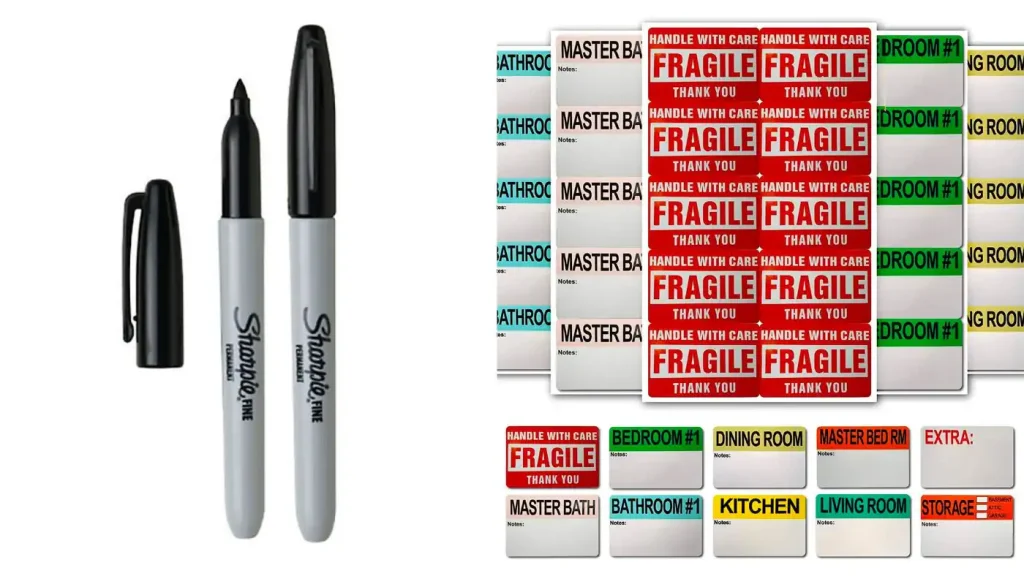
Color-coding for efficiency:
Color-coded labels or tape take organization a step further. By assigning a specific color to each room (e.g., blue for the bedroom, green for the living room), you can quickly identify where each box belongs. This visual system is especially helpful for movers, allowing them to efficiently place boxes in the correct rooms without having to read labels individually.
Benefits of using markers and labels:
- Organization: Clearly labeled boxes make it easy to find what you need during unpacking.
- Efficiency: Color-coding speeds up the unpacking process and helps movers place boxes correctly.
- Reduced stress: Knowing where everything is reduces anxiety and makes unpacking less overwhelming.
- Protection: Labels can indicate fragile items, ensuring they are handled with care.
Markers and labels are simple yet powerful tools for staying organized during a move. Use permanent markers for clear labeling and consider color-coding to further streamline the unpacking process.
Cleaning Supplies
Broom, Dustpan, Vacuum: For cleaning up after everything is packed.
Trash Bags: Dispose of unwanted items and packing debris.

Cleaning supplies are essential for tidying up after the packing chaos.
After all the boxes and furniture are out, you’ll likely be left with dust, debris, and maybe even a few forgotten items. This is where your cleaning supplies come in. Use the broom and dustpan to sweep up loose dirt and debris, and the vacuum cleaner to tackle dust bunnies and crumbs hiding in corners. Trash bags are essential for collecting unwanted items, packing materials, and general waste.
Leaving a good impression:
Cleaning your old home thoroughly is not only courteous to the new occupants but can also be a requirement of your lease agreement or sale contract. A clean and tidy space makes a positive final impression and ensures a smooth handover.
Cleaning supplies are essential for leaving your old home in good condition. Don’t forget to pack these tools last so they’re easily accessible for a final clean-up before you hand over the keys.
How much does it cost to pay a moving company?
To determine the cost of hiring a moving company, consider the type of move first. Local moves are calculated hourly, with an average cost of $40 to $80 per mover per hour. You can use a moving calculator to calculate your moving expenses.
Conversely, long-distance moves are priced based on the weight of your belongings and the total distance, typically ranging from $2,700 to $10,000. Factors like the size of your home, additional services (packing, storage, etc.), and insurance can all influence the final cost.
If you intend to hire a moving company, be aware that something bad moving companies don’t do is provide transparent and accurate pricing. They often lure customers with lowball estimates and then tack on hidden fees or inflate the price on moving day. They also may not clearly disclose their licensing and insurance information, which is essential for protecting the customer’s belongings. Additionally, bad moving companies may fail to provide adequate training to their employees, resulting in damaged or lost items. They may also engage in deceptive practices, such as providing false online reviews or using fake business names. Finally, bad moving companies may fail to respond to customer complaints or inquiries, leaving customers feeling frustrated and helpless.
Want to get 3D rendering for your new house project?