A well-maintained garage door means reliable operation, better safety and extends its lifespan. Neglecting maintenance can lead to costly repairs and potential safety hazards. This guide provides five essential tips for proper garage door upkeep, covering lubrication, spring adjustment, hardware tightening, safety checks, and weatherproofing.
By implementing these proactive maintenance measures, homeowners can prevent operational failures, improve energy efficiency, and ensure optimal performance of their garage door system.
Want to get 3D rendering for your interior design project?

George is a seasoned interior designer and property marketing strategist with over 13 years of experience. He specializes in transforming properties into visually stunning spaces, helping clients recognize the potential and beauty in each property. With an impressive international client base of exciting projects throughout Europe and America.
TALLBOX provides information for educational purposes only and does not offer financial advice; users should consult with qualified professionals before making any investment decisions. TALLBOX and George Nicola are not liable for any losses or damages incurred as a result of relying on the information provided.
Tighten Garage Door Hardware to Prevent Misalignment
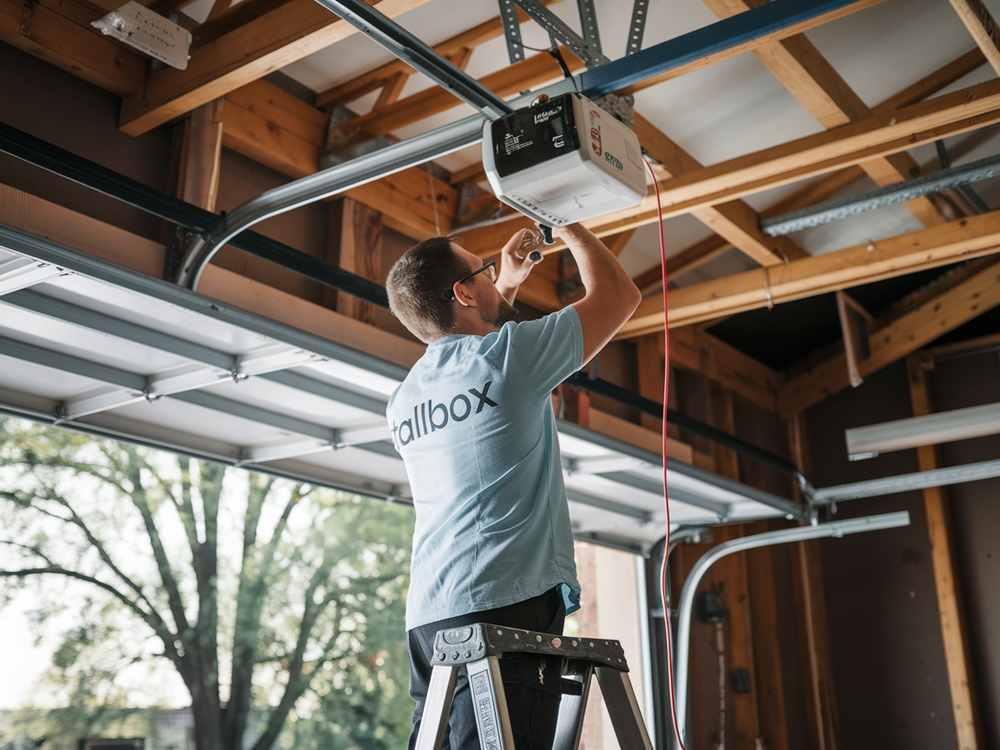
Daily use can cause bolts, brackets, and tracks to loosen, leading to operational issues and potential misalignment. Regular tightening of garage door hardware ensures structural stability and prevents excessive vibrations.
Why Hardware Tightening is Necessary?
✔ Prevents track misalignment that can hinder movement.
✔ Secures critical components to avoid operational failures.
✔ Reduces vibrations that lead to long-term wear.
How to Secure Garage Door Hardware?
1️⃣ Inspect Key Hardware Components
- Brackets and hinges hold the door sections together.
- Roller tracks guide the movement of the door.
- Bolts and screws secure the overall framework.
2️⃣ Tighten Loose Hardware
- Use a socket wrench to tighten loose bolts and brackets.
- Check the tracks for alignment and ensure they are fastened properly.
- Inspect the hinges for signs of cracks or wear.
3️⃣ Hardware Maintenance Schedule
- Check for loose hardware every three months.
- Replace worn brackets or hinges if damage is visible.
Inspect and Adjust Spring Tension for Balance
The garage door springs are responsible for counterbalancing the door’s weight, ensuring even movement and preventing strain on the opener. When spring tension is incorrect, the door may slam shut, feel too heavy, or get stuck during operation.
Why Spring Tension Adjustment is Critical?
✔ Ensures Even Movement – Keeps the door balanced to prevent excessive strain on one side.
✔ Reduces Strain on the Motor – Helps the garage door opener function efficiently.
✔ Prevents Door Misalignment – Ensures smooth lifting and closing.
How to Check & Adjust Spring Tension?
1️⃣ Perform a Balance Test
Disconnect the garage door opener by pulling the emergency release handle.
Manually lift the door halfway and release it.
✅ If the door stays in place, the springs are balanced.
❌ If the door slams shut or moves upward, spring tension needs adjustment.
2️⃣ Visually Inspect the Springs
✔ Look for signs of wear, rust, or gaps in the torsion springs.
✔ Check if the springs are stretched out or loose, which indicates loss of tension.
3️⃣ Adjusting the Springs (Professional Assistance Recommended)
🚫 Torsion spring adjustment is dangerous! These springs are under high tension and can cause serious injury if handled incorrectly.
✔ Seek a professional garage door technician if:
- The door feels too heavy to lift manually.
- The door shuts abruptly instead of closing smoothly.
- You notice gaps in the torsion spring coils.
📌 Pro Tip: If your garage door moves unevenly or creates excessive noise, the springs might need professional tuning or replacement.
Lubricate Moving Parts for Smooth Operation
Regular garage door lubrication minimizes friction, prevents rust buildup, and ensures quiet and efficient movement. Neglecting lubrication can lead to stiff rollers, noisy hinges, and increased strain on the motor, which may shorten the lifespan of your garage door system.
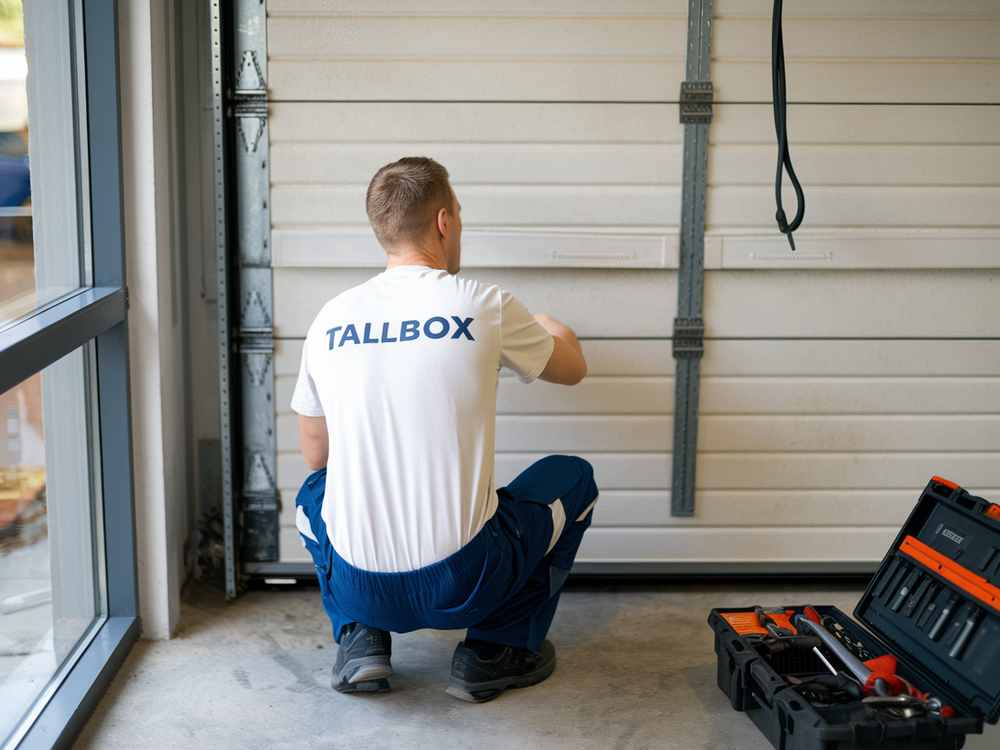
An adequately aligned door will operate smoothly and put less stress on the opener. To check the balance, turn off the automatic opener and raise the door to the middle by hand. If the door remains stable, the door is well-balanced. If it drops or goes up, the springs need to be adjusted.
Balancing the garage door is a delicate art best left to the experts. If you are in the Dayton area, they will fix incorrect adjustments that can pose dangerous conditions. Look for the best garage door repair to ensure your door operates smoothly and safely.
Why Lubrication is Essential?
Reduces Friction & Noise – Prevents metal parts from grinding against each other.
Extends Lifespan of Moving Parts – Reduces mechanical stress and premature wear.
Prevents Rust & Corrosion – Protects components from environmental damage.
How to Lubricate Your Garage Door Components?
1️⃣ Identify Key Components That Require Lubrication
🔹 Garage door rollers – Allow smooth vertical movement.
🔹 Hinges – Enable seamless bending at the door sections.
🔹 Springs – Balance the door’s weight for proper lifting.
🔹 Tracks & bearings – Guide the rollers for stable operation.
2️⃣ Choose the Right Lubricant
✔ Use a silicone-based spray lubricant – Ideal for long-lasting performance.
✔ Avoid WD-40 – It attracts dust and can degrade rubber components.
3️⃣ Application Process
- Clean the components – Wipe away dust and old lubricant.
- Apply a thin, even coat of lubricant to rollers, hinges, and torsion springs.
- Operate the garage door multiple times to distribute the lubricant evenly.
4️⃣ Lubrication Frequency
🔹 Apply every 6 months for optimal performance.
🔹 If squeaking or grinding noises occur, reapply as needed.
📌 Pro Tip: Never over-lubricate! Excess lubricant can attract dirt, causing buildup that hinders performance.
Test Auto-Reverse Safety Features to Prevent Accidents
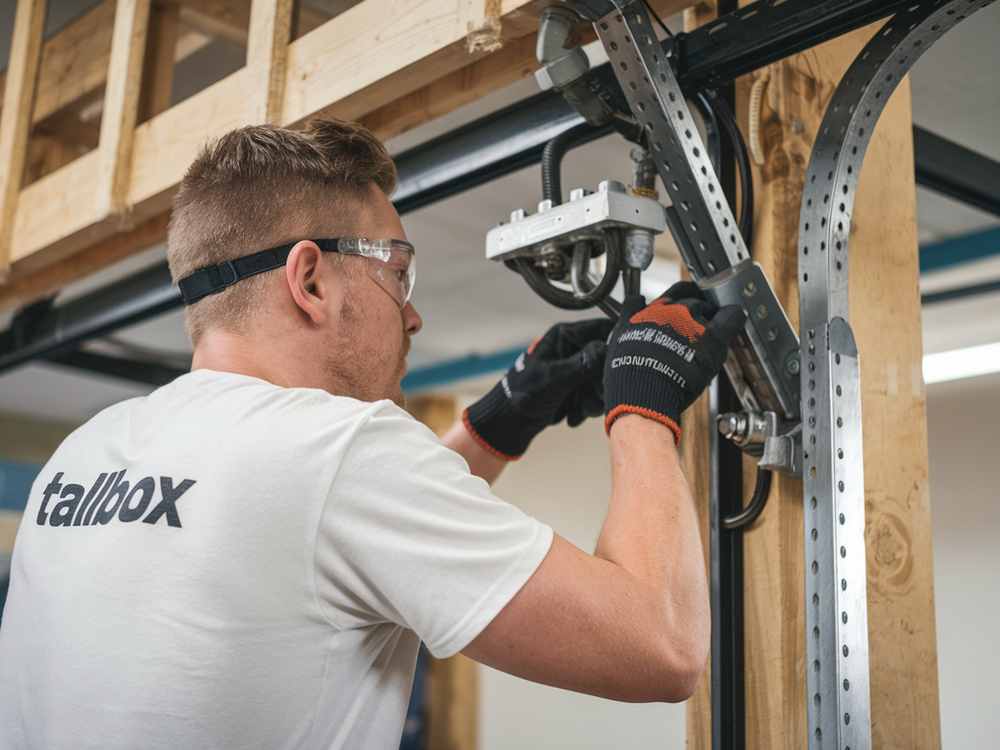
The auto-reverse system is a crucial safety feature designed to prevent injuries and damage. If the sensors fail, the garage door may not stop closing, posing a serious risk. Regular testing ensures compliance with safety standards and proper functionality.
Why Safety Feature Testing is Essential?
✔ Protects against accidental entrapment.
✔ Ensures compliance with modern garage door safety regulations.
✔ Detects sensor misalignment that could prevent proper operation.
How to Test Your Garage Door Safety Features?
1️⃣ Conduct an Object Detection Test
- Place a solid object (such as a wooden block) in the path of the closing garage door.
- Activate the garage door opener to close the door.
- If functioning correctly, the door should automatically reverse upon contact with the object.
2️⃣ Check the Photo-Eye Sensors
- Visually inspect the sensors on either side of the garage door frame.
- Wipe the sensor lenses to remove dust, dirt, or obstructions.
- Ensure proper alignment—the sensors should face each other without interference.
3️⃣ Adjust Sensor Alignment if Needed
- If the sensor lights are blinking, gently adjust their position until the indicators remain solid.
- Ensure that both sensors are at the same height and securely mounted.
- Retest the auto-reverse function to confirm that adjustments are effective.
4️⃣ Safety Testing Frequency
- Test the auto-reverse feature monthly to ensure continued functionality.
- Inspect and clean sensors every three months to prevent obstructions.
- Schedule professional recalibration if the door does not reverse as expected.
A properly functioning auto-reverse safety system is essential for protecting people, pets, and property, ensuring safe and compliant garage door operation.
Weatherproof Your Garage Door for Energy Efficiency
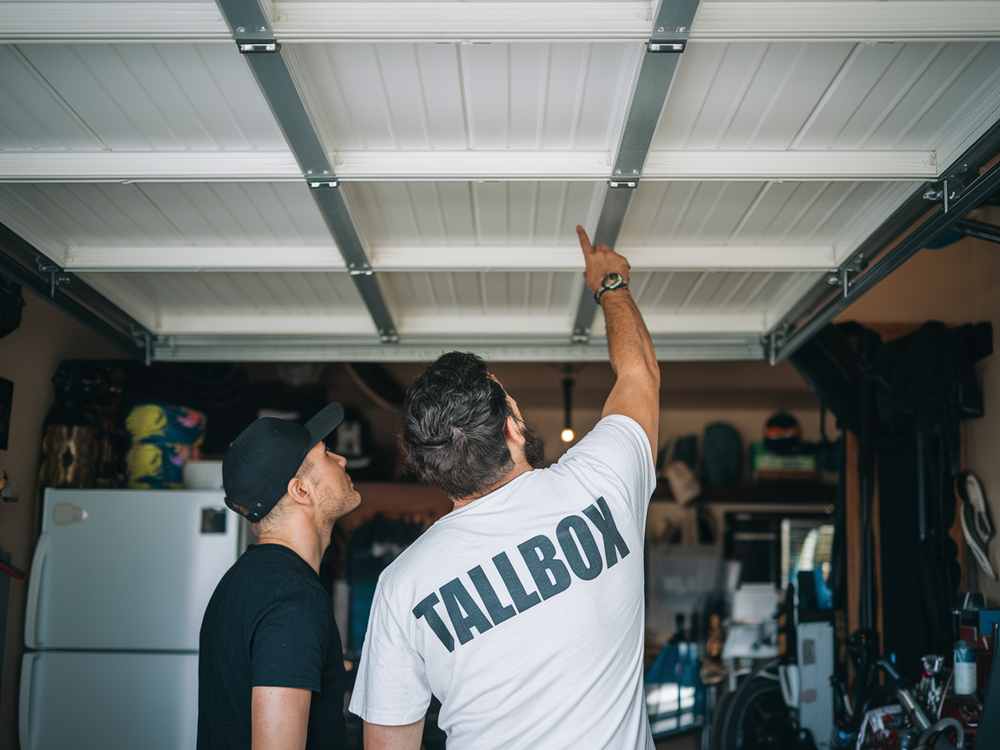
Proper weatherproofing enhances garage door insulation, prevents moisture damage, and reduces energy loss. A well-sealed garage door protects against temperature fluctuations, drafts, and water infiltration, improving overall efficiency and durability. Regular inspection and replacement of weather seals ensure optimal protection from environmental elements.
Why Weatherproofing is Important?
✔ Prevents air leaks that increase heating and cooling costs.
✔ Protects against rain, snow, and debris intrusion.
✔ Reduces noise levels by sealing gaps that allow sound transmission.
How to Weatherproof Your Garage Door?
1️⃣ Inspect Existing Weather Seals
- Examine the bottom seal for cracks, gaps, or brittleness.
- Check the side and top weatherstripping for peeling or looseness.
- Look for light or drafts coming through the edges when the door is closed.
2️⃣ Replace Damaged Weather Seals
- Remove old or worn weatherstripping using a flat tool.
- Measure and cut new weather seals to match the door dimensions.
- Secure the replacement seals firmly along the door’s edges, ensuring a snug fit.
3️⃣ Add Garage Door Insulation for Maximum Efficiency
- Use foam board, reflective panels, or fiberglass insulation kits to improve temperature regulation.
- Install insulated panels for doors exposed to extreme climates.
- Ensure insulation does not interfere with door movement or safety mechanisms.
4️⃣ Weatherproofing Maintenance Schedule
- Inspect weather seals and insulation every six months for wear.
- Replace damaged or compressed seals to maintain effectiveness.
- Test for air leaks or drafts and reinforce weak points as needed.
Regular garage door weatherproofing prevents heat loss, enhances energy efficiency, and extends the lifespan of door components, ensuring optimal protection against harsh weather conditions.
Does a More Expensive Garage Door Guarantee a Higher Home Value?
Upgrading to a high-end garage door can enhance curb appeal, energy efficiency, and security, but does it directly increase home resale value? While premium garage doors offer superior durability, insulation, and modern aesthetics, their impact on property value depends on factors such as neighborhood standards, real estate market trends, and return on investment (ROI).
How a Garage Door Upgrade Influences Property Value?
A garage door replacement is one of the most cost-effective home improvements, influencing both visual appeal and functional efficiency.
✔ Enhances curb appeal, making a strong first impression on buyers.
✔ Improves insulation, reducing energy costs and increasing home comfort.
✔ Increases security, adding reinforced construction and smart access features.
✔ Elevates perceived home quality, making the property more competitive in the market.
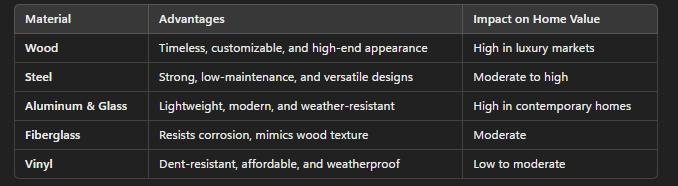
The Role of Garage Door Materials in Value Retention?
The material and design of a garage door directly impact its durability, aesthetics, and overall contribution to home value.
Is an Expensive Garage Door a Smart Investment?
Garage door replacement consistently ranks among the top home improvements for ROI, with an average return of 93-97%.
Mid-range garage doors often provide better value compared to luxury custom doors, which may have diminishing returns unless they align with overall home upgrades.
Over-improving compared to neighborhood standards may not yield additional value, as buyers typically assess homes based on local market expectations.

When Does a High-End Garage Door Increase Home Value?
✔ In high-value real estate markets where luxury materials and finishes are expected.
✔ When combined with exterior home improvements, such as modernized siding, upgraded landscaping, and a new driveway.
✔ If equipped with smart technology, such as automated openers, security monitoring, and energy-efficient insulation.
Alternatives to Full Garage Door Replacement for Added Value
If a high-cost garage door upgrade isn’t the best financial decision, homeowners can explore cost-effective enhancements:
✔ Repainting or refinishing an existing door to refresh its appearance.
✔ Installing smart garage door openers and security features to enhance functionality.
✔ Improving insulation with weatherproofing materials for better energy efficiency.
A premium garage door can positively influence home resale value, but the return on investment depends on market trends, functional benefits, and neighborhood alignment. Homeowners should consider practical upgrades, insulation improvements, and smart technology features to maximize both aesthetic appeal and financial returns.