George is a seasoned interior designer and property marketing strategist with over 13 years of experience. He specializes in transforming properties into visually stunning spaces, helping clients recognize the potential and beauty in each property. With an impressive international client base of exciting projects throughout Europe and America.

Designing an outdoor space is about more than just visual appeal—it’s about creating a functional and harmonious environment that adapts to your needs and enhances your connection to nature. Two foundational elements in this process are portable furniture and natural dividers. Portable furniture offers flexibility, enabling you to reconfigure your space effortlessly for different occasions or moods. Natural dividers, on the other hand, provide structure, helping to define zones within your landscape while maintaining an organic and cohesive aesthetic. Together, these elements set the stage for a landscape that is both practical and inviting.
Let’s explore how these principles can shape your outdoor space with ease and intention.
01
of 04
Outdoor Living Space: Design for Moments, Not Just Features

Portable furniture is one of the most versatile tools in landscape design, allowing you to adapt your outdoor space as your needs evolve. Lightweight chairs and modular tables can be repositioned for intimate gatherings or transformed into workspaces for outdoor projects.
For example, budget-friendly plastic patio sets range from $100–$800, while mid-range metal sets like aluminum or wrought iron cost $200–$1,500. Premium sectional sofas or modular seating options can go up to $5,000+, offering luxury configurations for larger spaces. This adaptability ensures that your outdoor area remains dynamic and functional throughout the year.
Foldable chairs, stackable tables, or collapsible loungers can be tucked away during inclement weather or seasonal changes, protecting them from wear and tear while freeing up space. These options are ideal for homeowners seeking low-maintenance solutions without sacrificing style or comfort.
Common Questions Solved
-
How do I choose the right set? Measure your space carefully to ensure proper fit and traffic flow. Consider whether you’ll use the area primarily for dining, lounging, or entertaining guests.
-
What’s the best material for durability? Metal options like aluminum are weather-resistant and long-lasting, while treated wood (e.g., teak) offers a natural aesthetic with excellent resilience.
While portable furniture provides flexibility for creating dynamic spaces, adding natural dividers introduces structure that grounds the design and organizes the flow of your garden.
02
of 04
Tiered Flower Beds: Play With Height and Texture

Natural dividers like logs, stones, or bamboo screens provide essential structure to tiered flower beds without requiring complex construction methods. Smooth river stones can create elegant edges for a modern look (costing $50–$200 per batch), while rough-hewn logs lend rustic charm that complements natural landscapes. These materials help define planting zones for vibrant flowers, hardy shrubs, or cascading vines, ensuring the garden feels visually organized yet effortlessly beautiful. For premium options like stone partitions, costs may range from $500–$1,500 depending on materials and installation needs.
Dividers simplify planting and maintenance tasks by creating clear boundaries between zones. They can also act as stepping points or seating areas within the garden, allowing you to interact with plants more closely while maintaining functionality.
Common Questions Solved
What’s the best material for garden dividers? Bamboo is lightweight and eco-friendly; stone offers permanence; metal panels add sophistication depending on your design goals.
How do I create versatile spaces? Use movable dividers like folding screens or large potted plants to adapt your garden layout seasonally or for specific events.
- What about low-maintenance options? Artificial grass dividers provide consistent greenery without watering, fertilizing, or seasonal replanting, making them ideal for busy gardeners or water-conscious landscapes.
By defining zones with natural dividers in tiered flower beds, you create a sense of order in your garden—an order that pairs beautifully with the calming presence of water features.
Low-Maintenance Solutions
Artificial grass dividers represent an innovative approach to garden organization, particularly valuable in areas with water restrictions or challenging growing conditions. These synthetic options maintain their vibrant appearance year-round, require minimal upkeep, and can be easily relocated as garden needs evolve. When combined with natural elements like stone or wood frames, artificial grass creates a balanced aesthetic that offers the visual appeal of living dividers without ongoing care requirements.
03
of 04
Water Features: Think Small and Serene

Miniature fountains are perfect for small spaces like patios or balconies. Their compact size ensures they fit seamlessly into narrow areas while offering the soothing presence of water. Entry-level tabletop fountains start at $230, while premium compact fountains with unique designs range from $900–$1,500 depending on materials like fiberglass or stone finishes. These fountains are ideal for creating ambiance without overwhelming the space.
Despite their size, miniature fountains produce calming sounds that mimic larger water features. The gentle bubbling noise masks urban distractions and fosters relaxation, making them ideal near seating areas or pathways where their presence can be fully appreciated.
Common Questions Solved
-
How much maintenance do small fountains require? Regular cleaning takes about 10–15 minutes weekly; monthly deep cleaning ensures longevity of pumps and surfaces.
-
Can small fountains attract wildlife? Yes! Models with shallow water areas attract birds and butterflies, enhancing biodiversity in your garden.
While miniature fountains offer serenity through sound and movement, native plant gardens bring life and vibrancy to your outdoor space by connecting it directly to the local ecosystem.
04
of 04
Native Plant Garden: Celebrate Local Beauty

Butterfly-friendly flowers like milkweed ($10–$30 per plant) or coneflowers provide nectar-rich blooms that attract pollinators throughout their lifecycle while supporting local ecosystems. These plants create a lively garden environment by fostering biodiversity among butterflies, bees, and other beneficial insects—all with minimal maintenance requirements due to their adaptation to local climates.
Beyond their ecological value, these flowers add bursts of color and movement to your garden throughout spring, summer, and fall by staggering flowering periods across species like Echinacea or Verbena. Watching butterflies flit from bloom to bloom offers a dynamic visual experience that enhances the beauty of your outdoor space.
Common Questions Solved
-
How do I make my garden butterfly-friendly? Avoid pesticides; instead use organic compost to maintain plant health while supporting pollinators like butterflies and bees.
-
What’s the best layout for butterfly plants? Plant in blocks rather than scattered arrangements to make it easier for butterflies to locate nectar sources.
By combining butterfly-friendly flowers with other native plants tailored to your region’s climate, you create a landscape that is as sustainable as it is visually engaging—a perfect complement to the thoughtful design principles explored earlier.
Key Takeaway: Simplicity Meets Meaning

Focusing on these specific entities—portable furniture ($100–$5,000), natural dividers ($50–$1,500), miniature fountains ($230–$1,500), and butterfly-friendly flowers ($10–$30)—allows you to design an outdoor space that is both practical and meaningful. Each element contributes not only to the functionality of your landscape but also solves common challenges homeowners face when designing gardens—from adaptability in furniture placement to fostering biodiversity through native plants—all while enhancing emotional resonance with nature.
Conclusion
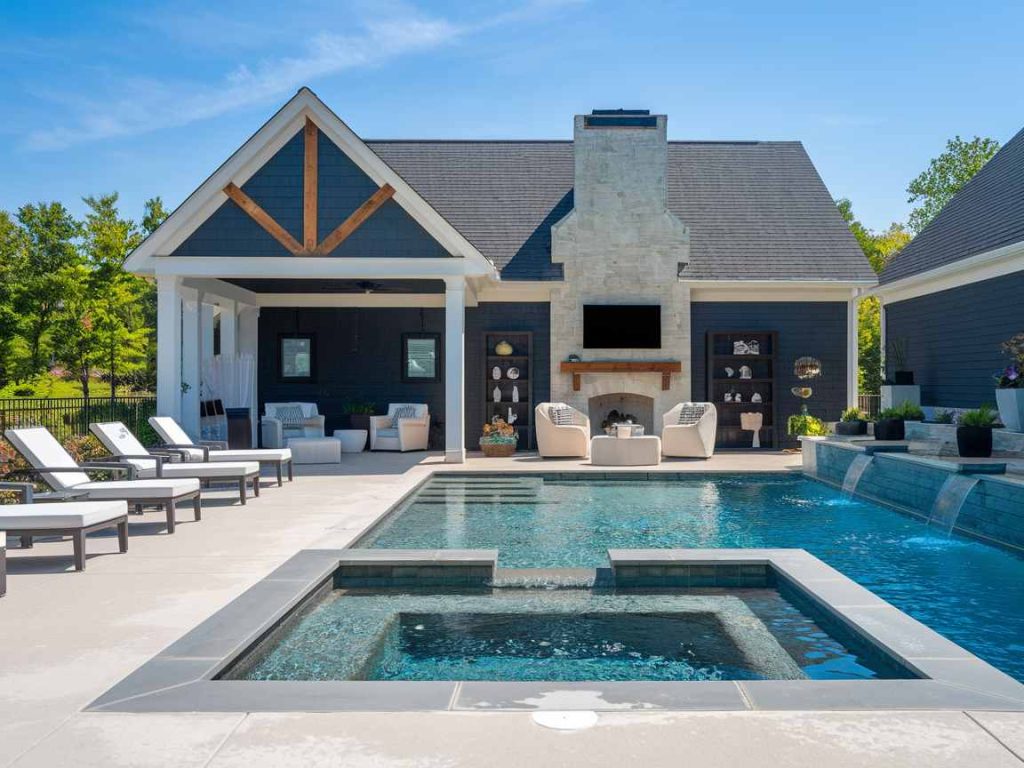
Designing an outdoor space that balances simplicity and purpose revolves around two key attributes: flexibility and structure. Flexibility, embodied by portable furniture, miniature fountains, and butterfly-friendly flowers, allows your landscape to adapt effortlessly to changing needs, moods, and seasons.
Whether it’s repositioning lightweight chairs, incorporating compact water features, or planting nectar-rich blooms that attract pollinators year-round, flexibility ensures your outdoor space remains dynamic and functional.
On the other hand, structure—represented by natural dividers, tiered flower beds, and thoughtful garden layouts—provides organization and definition to your landscape. Natural dividers like stones or bamboo screens create clear zones for planting or privacy, tiered flower beds add visual depth through height and texture, and native plant arrangements offer ecological harmony while enhancing aesthetic appeal. Together, these attributes form the foundation of a landscape that is not only practical but also deeply connected to nature and your lifestyle.