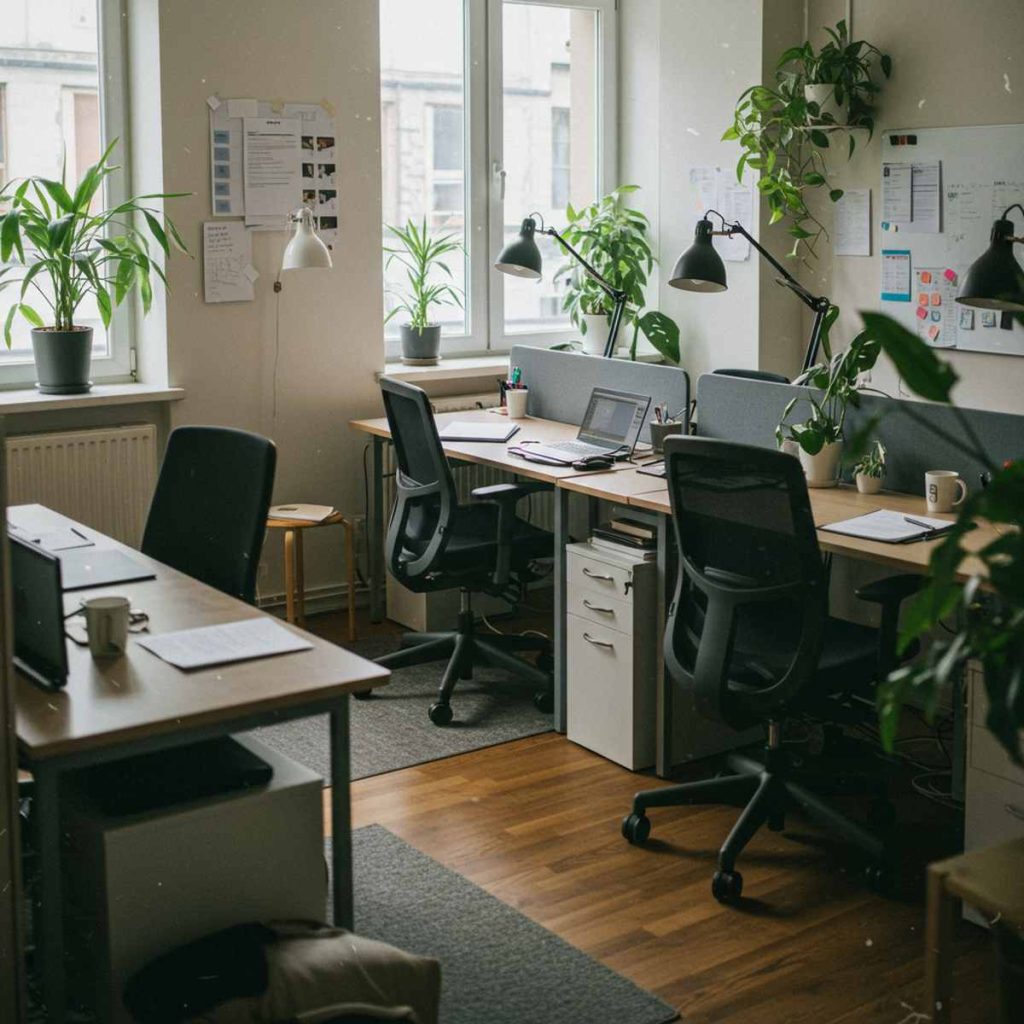
Creating an office space that balances aesthetics and functionality requires planning beyond basic furniture selection. It’s not enough to buy the latest chair, desk and fancy table lamp. A good office space is a combination of ergonomic furniture and natural elements that enhance productivity, support comfort, and create a professional, welcoming atmosphere. A well-designed workspace encourages efficiency and supports employee well-being through ergonomic and biophilic design. Choosing furniture that follows design principles and adding living plants creates a stylish, practical environment that improves air quality and employee satisfaction.

George is a seasoned interior designer and property marketing strategist with over 13 years of experience. He specializes in transforming properties into visually stunning spaces, helping clients recognize the potential and beauty in each property. With an impressive international client base of exciting projects throughout Europe and America.
Disclaimer: If you click on any of the links, we may earn a small commission. Consider supporting us, if you like what we do. Thank you.
Understanding Space Planning for Optimal Layout
Assessing the office layout and available space helps determine the most functional furniture arrangement. Open offices benefit from modular furniture that supports collaboration, while private offices function better with structured desks and storage units. Using multi-purpose items, such as storage-integrated desks and convertible seating, improves efficiency without overcrowding.
Integrating Natural Elements
When planning the office layout, reserve wall space for vertical plant installations. A 3×3 foot plant wall can significantly improve a room’s atmosphere with minimal floor space. Place these installations near collaborative areas, where employees tend to gather, as exposure to greenery enhances mood and well-being over time.
Prioritizing Ergonomics for Comfort and Productivity
Ergonomic furniture reduces strain and enhances productivity, making it a critical component of office design. Adjustable chairs with lumbar support and breathable materials provide long-term comfort. Sit-stand desks promote movement, reducing the effects of prolonged sitting. Positioning monitors at eye level prevents neck strain, while keyboard trays improve hand positioning.
The Air Quality Connection: Beyond physical comfort, consider the air quality in your workspace. Research has demonstrated that certain plants actively filter common air pollutants like formaldehyde, benzene, and trichloroethylene—substances typically found in office environments. Golden pothos and other air-purifying plants work as natural air filters, with their root systems and soil microorganisms breaking down toxins and converting them into plant nutrients. This biological air purification system operates continuously, creating a healthier work environment that complements ergonomic furniture in supporting employee wellness.
Selecting Stylish Yet Functional Desk
Office desks should complement the workspace while meeting daily functional needs. Executive desks provide expansive surfaces, ideal for managerial roles, while compact desks optimize space efficiency for small offices. Standing desks encourage mobility and posture improvement, enhancing workplace wellness. Choosing desks with built-in storage eliminates clutter and maintains organization without sacrificing style.
desk placement and living green walls
🟢Natural Light Integration: When selecting desk placement, consider how natural and artificial lighting will work together. Full-spectrum LED lighting (5000K or higher) not only benefits any nearby plants but also provides employees with energizing light that can improve focus and reduce eye strain. The interplay between proper lighting, functional furniture, and living plants creates an environment that supports both productivity and well-being.
Office desks should complement the workspace while meeting daily functional needs. Executive desks provide expansive surfaces, ideal for managerial roles, while compact desks optimize space efficiency for small offices. Standing desks encourage mobility and posture improvement, enhancing workplace wellness. Choosing desks with built-in storage eliminates clutter and maintains organization without sacrificing style.
🔴 Ready to take your office transformation to the next level? While we started with a standard 3×3 foot plant wall consisting of four boxes, many businesses find that once they experience the benefits, they want to expand their green infrastructure throughout their workspace.
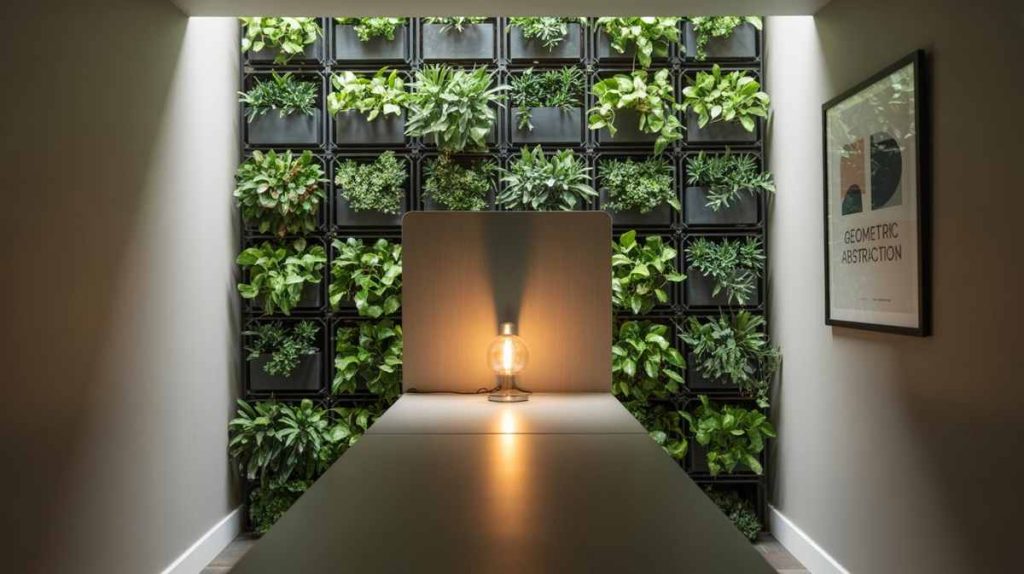
Modular plant walls typically use 10-square-foot units that can be mounted beside, above, or below one another. This scalable design supports the creation of large living walls in spaces such as reception areas, conference rooms, or office corridors. When expanding the installation, ensure adequate light coverage for all modules.
For small additions, mounting an extra LED lamp for each new module is usually sufficient. As the installation increases in size, managing multiple lights can become inefficient. In such cases, a single high-intensity LED lighting system is a more practical solution for covering the entire wall.
These high-intensity plant lights can be quite bright for regular office use, so they should be paired with programmable timers that automatically adjust lighting schedules. The ideal setup provides an uninterrupted eight-hour period of intense light during times when the office areas are less frequently used—perhaps early morning or evening hours.
During regular business hours, your plant walls can be enjoyed under standard office lighting, creating a beautiful green backdrop that enhances the work environment without overwhelming visual comfort.

This dual-lighting approach allows you to maintain the biological air purification benefits continuously while ensuring employee comfort throughout the workday.
Many companies find that larger plant installations become signature design elements that reinforce their commitment to sustainability and employee wellness—powerful statements for both staff and visiting clients.
Creating Circadian-Friendly Lighting Systems
Building on the natural light integration concept, forward-thinking office design now incorporates circadian lighting systems that work in harmony with both plant requirements and human biological rhythms. These intelligent lighting solutions automatically adjust color temperature and intensity throughout the day, supporting both your green infrastructure and employee wellbeing.
🟢Morning Activation: Starting around 7 AM, full-spectrum lighting (5000K-6500K) energizes both plants and people, signaling the beginning of the productive day. This bright, blue-rich light supports photosynthesis while helping employees feel alert and focused.
Midday Optimization: During peak work hours, lighting maintains strong intensity for plant health while providing optimal task illumination. Strategic placement ensures that light reflection from plant leaves creates soft, natural ambient lighting that reduces screen glare and eye strain.
Evening Transition: As the day progresses, smart systems gradually shift to warmer tones (3000K-4000K) that support employee circadian rhythms while maintaining adequate light for plant metabolism. This transition helps create a more relaxed atmosphere for end-of-day collaboration and planning.
Integration with Space Planning
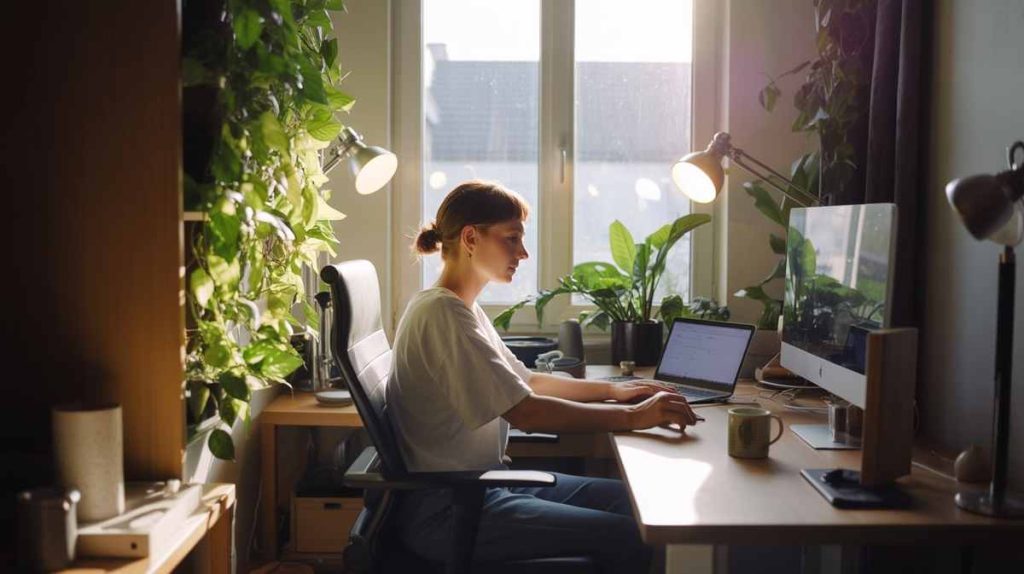
Circadian lighting systems are most effective when aligned with furniture layout and plant placement. Workstations that receive both natural light and reflected light from nearby plants support comfort and productivity. Conference rooms that include living walls and adjustable lighting can transition from bright settings for morning meetings to softer lighting for afternoon discussions.
This approach uses lighting to support plant growth, enhance employee focus, and promote a balanced workspace. It creates an office environment that stays comfortable throughout the day and maintains the air-purifying benefits of healthy indoor plants.
For offices without windows, incorporating faux plants and dedicated artificial lighting designed to mimic natural daylight can achieve similar benefits. This ensures consistent circadian rhythm support and fosters a lively, healthy atmosphere even in windowless spaces.
Investing in Comfortable Seating Solutions
Ergonomic office chairs play a key role in supporting productivity and physical well-being. Mesh-backed designs promote airflow for comfort during long hours, while cushioned executive models offer structured support in formal settings. In collaborative zones, lounge seating encourages informal interaction and idea-sharing.
Creating Restorative Spaces
Place seating near natural elements whenever possible. Research shows that exposure to greenery helps employees feel more relaxed and focused. This response reflects an innate connection to nature, which can reduce stress and improve mental clarity when incorporated into the work environment.
Incorporating Storage for Organization and Natural Elements
Effective storage solutions prevent clutter while improving accessibility. Filing cabinets secure documents, ensuring organized record-keeping.
Open shelving units display reference materials while adding visual appeal. Mobile storage units enable flexibility, allowing employees to adjust configurations based on workflow needs. Concealed storage compartments within desks preserve office aesthetics while maintaining functionality.
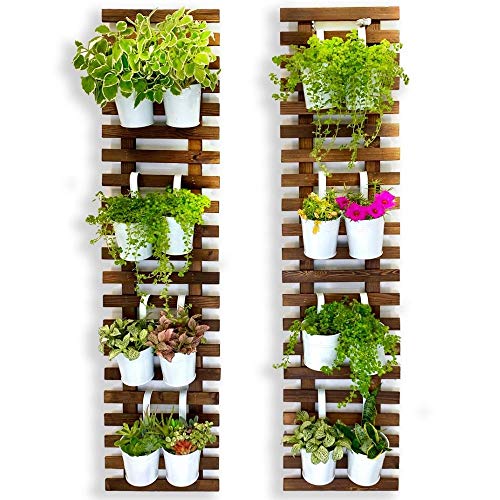
Vertical Plant Systems: Modern plant wall systems can be integrated into your storage planning. Frame-based vertical gardens require minimal maintenance—watering only every three weeks—and can be mounted on walls or incorporated into shelving units. These systems don’t require complex plumbing or electrical work, making them practical additions to any office environment.
Enhancing Collaboration with Adaptive Furniture and Biophilic Design
Team-oriented office spaces benefit from flexible furniture that supports changing needs. Modular conference tables can be rearranged for presentations, group discussions, or breakout sessions, and often include built-in power and wireless features. Portable dividers create adaptable zones for privacy without sacrificing openness. In brainstorming areas, cushioned seating helps participants stay comfortable and focused during extended creative sessions.
Leaves appear green because plants reflect the light wavelengths they do not use for photosynthesis. This reflected green light tends to have a calming effect, likely due to our evolutionary history with natural environments. Applying this knowledge in design can help create spaces that promote relaxation and a sense of well-being.
Implementing Sustainable Furniture and Natural Solutions
Eco-friendly modern office furniture Dallas contributes to sustainability while maintaining quality. Reclaimed wood desks offer durability with reduced environmental impact.
Bamboo materials provide lightweight, stylish alternatives for workspace furnishings. Non-toxic finishes ensure indoor air quality remains safe for employees. Choosing furniture made from sustainable sources supports responsible business practices while maintaining functionality.
Living Air Purification
In addition to using sustainable materials, consider incorporating plant-based systems to improve indoor air. Plants naturally filter pollutants without using electricity and become more effective over time as they adapt to the space. This approach offers a low-maintenance, environmentally friendly alternative to mechanical purifiers.
Endnote

An effective office design balances style and function by choosing furniture that supports both people and environmental goals. Ergonomic seating, adaptable desks, and clear storage layouts help maintain productivity. Adding natural elements, such as indoor plants, improves the workspace in ways that mechanical systems alone cannot. When furniture is arranged with care and combined with greenery, the result is an environment that promotes well-being by supporting clean air, positive mood, and lower stress levels.
Adaptable furniture supports collaboration by allowing teams to reconfigure spaces without sacrificing design consistency. Choosing sustainable materials—such as reclaimed wood or bamboo—and using plant-based air purifiers reflects environmentally responsible practices. A thoughtfully designed office that includes ergonomic furniture and natural features helps boost productivity and demonstrates a commitment to both employee well-being and environmental stewardship.