First-time landlords face unique challenges in rental property construction that can affect investment success. Unlike single-home renovations, this process requires knowledge of tenant safety, habitability standards, and durable, cost-effective materials suited for multiple occupants. Inexperience with contractors, building codes, or spotting poor workmanship can lead to expensive repairs, legal issues, or tenant dissatisfaction.
Choosing a construction company involves more than comparing quotes. Landlords must verify licensing, insurance coverage, and experience with rental-specific needs like multi-unit plumbing, safe electrical systems, and durable materials. They should also consider how timelines affect tenants, how to reduce renovation disruptions, and how to form long-term maintenance partnerships.
Want to get 3D rendering for your interior design project?

George is a seasoned interior designer and property marketing strategist with over 13 years of experience. He specializes in transforming properties into visually stunning spaces, helping clients recognize the potential and beauty in each property. With an impressive international client base of exciting projects throughout Europe and America.
George Nicola shares:
The Certificate of Insurance (COI) is key for verifying contractor coverage, but landlords should confirm its validity by contacting the insurer directly. The COI must list the landlord as an additional insured to cover claims related to the contractor’s work.
For multi-unit properties, commercial auto insurance is important due to potential risks from contractor vehicles or equipment. All policies must cover the full construction period, including warranty phases.
TALLBOX provides information for educational purposes only and does not offer financial or law advice; users should consult with qualified professionals before making any investment decisions. TALLBOX and George Nicola are not liable for any losses or damages incurred as a result of relying on the information provided.
Good Contractors Are Licensed and Insured for Legal Compliance

A successful rental property construction project starts with hiring a contractor who meets all legal requirements. Licensing rules vary by state—California uses the CSLB for strict oversight, while states like Texas rely on city-level regulations. First-time landlords must understand these rules, as hiring unlicensed contractors can lead to poor workmanship, legal issues, and insurance problems.
To verify licensing, landlords should use official databases like California’s CSLB License Check or Ohio’s portal for commercial contractors. In states without statewide residential licensing, local registration becomes essential. Because rules differ by property type and location, new landlords should consult local housing authorities or real estate attorneys to ensure compliance.
In addition to licensing, contractors should have specialized qualifications for rental property work. Many states require journeyman cards or apprenticeship completion for trades like plumbing and electrical. These credentials are crucial for rental projects, where electrical systems must support multiple meters, GFCI outlets, and grounded appliances, and plumbing systems must handle stacked units and high usage.
Insurance is equally important. Contractors should carry general liability insurance with at least $1 million per occurrence, though higher limits are often needed to cover tenant displacement or lost rent. Workers’ compensation must also be in place, including coverage for any subcontractors involved.
Surety bonds offer extra protection for first-time landlords. Performance bonds ensure the project is completed as agreed, while payment bonds protect against subcontractor liens. The U.S. Treasury’s T-Listing confirms approved surety companies, and tools like Washington’s Verify a Contractor platform help identify past legal or safety issues.
Good Contractors Have Experience with Rental Property Projects
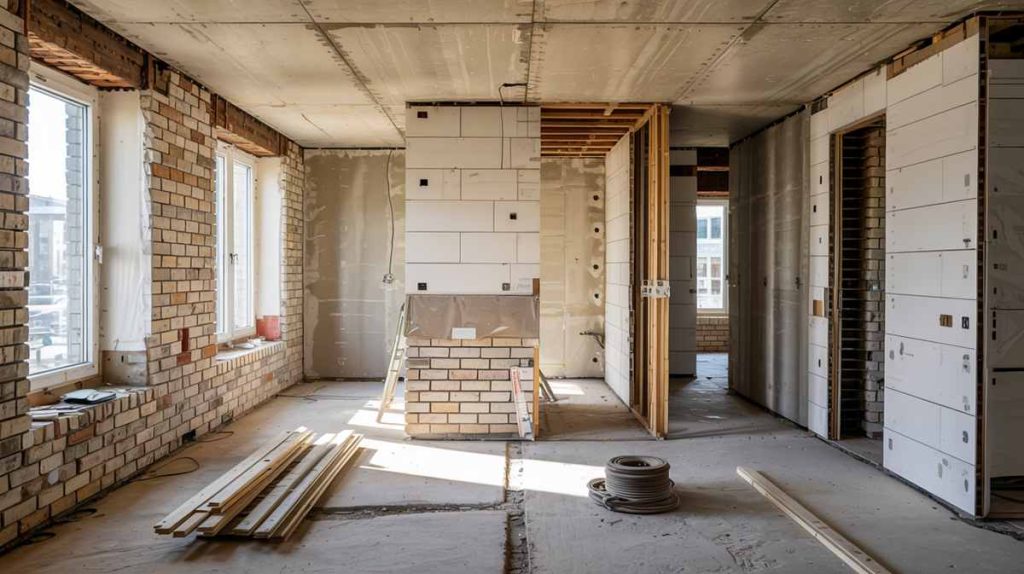
Experience in rental property construction involves challenges that general residential or commercial contractors may not fully understand. These include tenant rights during renovations, maintaining habitability, and using durable yet cost-effective materials. First-time landlords should work with contractors who have handled similar projects to avoid costly errors, reduce tenant disruption, and meet rental-specific regulations.
When assessing experience, ask for portfolios featuring rental projects similar to yours. Renovating a single-family rental differs from building a multi-unit property. For example, converting a home into a duplex requires knowledge of egress codes, separate utility meters, and soundproofing. Multi-unit work demands skill with shared HVAC systems, common area lighting, and centralized waste systems.
Portfolios should include before-and-after photos, project timelines, and detailed descriptions of work completed.
Focus on how contractors manage tenant-occupied renovations, which require phased construction plans that keep some units livable while others are under renovation. This approach helps maintain habitability, reduces vacancy costs, and ensures compliance with housing codes.
When checking references, prioritize past landlord clients. Ask about the contractor’s ability to suggest durable, cost-effective materials, their familiarity with code compliance and local inspectors, and how they handled budgets impacted by rental income loss. References can also reveal how the contractor communicated with tenants, maintained cleanliness, and met deadlines to minimize vacancy.
Local experience adds value. Contractors familiar with area-specific codes, inspectors, and permits can speed up approvals. They may also have supplier relationships for bulk materials and access to subcontractors skilled in rental property systems like multi-unit HVAC or electrical setups that meet tenant safety standards.
When reviewing contractor experience, check their knowledge of rental property regulations that impact construction. They should understand lead paint rules for pre-1978 homes, ADA requirements for multi-unit buildings, and local standards for room size, lighting, and safety features. Contractors should also have experience working with housing authorities on inspections and know how renovations affect property taxes and rental licensing.
Honest Contractors Have Clear Communication Pattern
Clear communication is essential in rental property construction, especially for first-time landlords unfamiliar with permits, construction terms, and complex decisions.
-> Unlike personal renovations, rental projects involve tenant needs, compliance issues, and tight investment timelines—making regular, transparent updates critical.
-> Skilled contractors show strong communication from the start. They arrive on time, come prepared to assess the property, and explain technical details in simple terms.
They ask about your rental goals, tenant types, and offer early suggestions that reflect an understanding of rental economics. Their questions should show awareness of turnover rates, maintenance access, and the need for durable materials in tenant-occupied spaces.
The proposal stage reveals much about a contractor’s communication and professionalism. Strong proposals include a clear scope of work, specific materials, realistic timelines that factor in permits and inspections, and payment terms tied to milestones. They should also address rental-specific issues like tenant notices, noise limits, and maintaining habitability during construction. Vague or overly optimistic proposals often signal inexperience with rental properties.
During construction, professional contractors give regular updates, respond quickly to questions, and alert you to any problems. They provide photo records of hidden systems for future reference and communicate clearly with tenants—sharing schedules, safety measures, and potential disruptions in respectful, easy-to-understand language.
Written contracts are essential for setting clear expectations in rental property construction. They should define responsibilities, timelines, change order processes, and dispute resolution. For rentals, contracts must also cover tenant-related issues like notice requirements, access schedules, and liability for delays caused by tenant complications.
Professional contracts are the pride of rental property construction professionals, they use them to include extended warranties, reflecting the higher wear and tear in rental units, a sign of high craftsmanship. They also outline how to handle common surprises, such as outdated wiring, plumbing that serves multiple units, or structural issues. Contingency budgets and change order protocols help manage these without major delays or cost spikes. Contracts should also clarify who handles permits, inspections, and final approvals to ensure the property is ready for tenants.
Professional contractors recognize that rental property construction impacts both the building and the landlord’s business. They manage job sites respectfully, interact appropriately with tenants and neighbors, and stick to schedules that help avoid rental income loss. They also oversee subcontractors to ensure proper licensing, insurance, and professional behavior, maintaining standards that reflect positively on the landlord’s management practices.
Assess Cost Estimates and Budget Alignment
Cost estimation for rental property construction must consider both upfront expenses and long-term impacts on rental income, property value, and maintenance. First-time landlords should assess not just the total cost but the long-term value—factoring in material durability, maintenance needs, and features that attract and retain tenants.
Best practices call for at least three detailed bids from qualified contractors. Rental property estimates should go beyond standard residential scope, accounting for heavier use, tenant wear, and ease of maintenance. Professional estimates must clearly break down materials, labor, permits, and contingencies, and explain how each choice meets durability standards and local habitability codes.
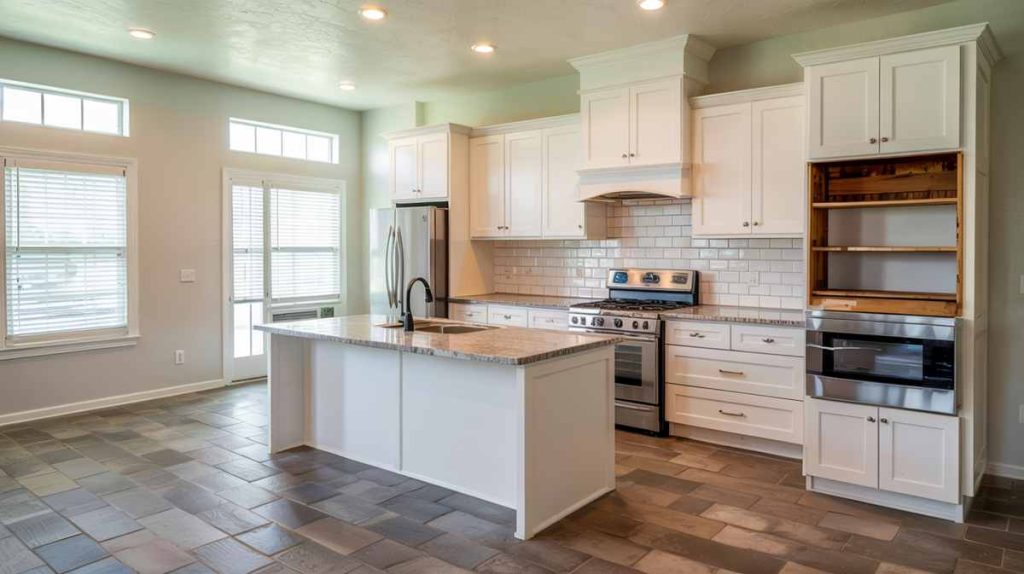
Material choices in rental property estimates require close attention, as cheaper options often lead to higher long-term costs. For instance, builder-grade paint may save money upfront but needs frequent repainting, unlike more durable satin or semi-gloss finishes. Vinyl composite tile may be inexpensive initially, but it typically needs replacement every 5–7 years, while ceramic tile can last for decades with proper care.
Labor costs should reflect the added challenges of rental work, such as coordinating with tenants, maintaining habitability, and meeting inspection requirements. Professional contractors include these factors in their estimates, while inexperienced ones may underbid by overlooking them. Estimates should also include specialized labor for tasks like multi-unit electrical systems, shared HVAC setups, and complex plumbing in stacked units.
Permit and inspection costs are often higher for rental property projects, especially when multiple units or occupancy changes are involved. Professional estimates should include accurate permit fees, inspection costs, and possible re-inspection charges. They must also cover required certifications like lead-safe practices for pre-1978 buildings or asbestos removal during demolition.
Contingency allowances are essential due to the unpredictable nature of older rental properties. Professional contractors typically include a 10–20% contingency to address hidden issues such as outdated wiring, multi-unit plumbing updates, or structural reinforcements. These allowances help avoid delays and protect rental income from unexpected cost overruns.
First-time landlords should evaluate estimates based on total cost of ownership, not just initial costs. Investing in higher-quality materials and skilled installation may raise upfront expenses but reduces long-term maintenance, extends replacement cycles, and improves tenant satisfaction—supporting steady occupancy.
Timelines also impact rental income and must be realistic. Short timelines may signal a contractor’s inexperience with rental property challenges, while overly long ones can lead to lost rent. Professional estimates reflect accurate timelines, factoring in permits, inspections, and potential delays like weather or supply issues.
Check Compatibility with Tenant Rights and Safety Standards
Rental property construction must comply with strict regulations that protect tenant rights and ensure habitability—standards that differ from owner-occupied housing. Contractors must integrate these rules into their practices, as violations can cause legal issues, delays, and costly fixes that reduce returns.
The implied warranty of habitability requires landlords to maintain livable conditions, including safe heating, plumbing, electrical systems, structural integrity, and protection from hazards. Contractors must ensure their work supports these conditions and avoids compromising tenant safety or comfort.
For occupied properties, contractors must respect tenant rights to quiet enjoyment. They should schedule disruptive work during normal hours, follow local noise rules, and avoid early morning or late evening activity. Professional contractors also coordinate with landlords to notify tenants about schedules, expected disruptions, and any temporary utility shutoffs.
-> Safety standards in rental property construction are stricter than for owner-occupied homes, especially when tenants remain on-site. Professional contractors use barriers, secure tool storage, and hazard signage to protect both workers and residents. They should hold current safety certifications and ensure subcontractors follow the same protocols to maintain tenant safety.
-> -> Electrical work must meet higher safety standards, as tenants may not recognize risks. Contractors must install GFCI outlets in kitchens and bathrooms, ensure proper system grounding, and provide enough electrical capacity for typical appliances. In multi-unit buildings, they must also install separate meters, balance electrical loads, and ensure safe, code-compliant lighting in shared spaces.
-> Plumbing systems in rental properties face higher usage demands and must be designed for reliability and easy maintenance access. Professional contractors understand these requirements and specify appropriate pipe materials, joint configurations, and shutoff valve placement that facilitate future repairs without disrupting adjacent units.
They should also understand water pressure requirements for multi-unit buildings and ensure adequate capacity for simultaneous usage across units during peak demand periods.
-> -> Building code compliance represents a non-negotiable requirement for rental property construction, with violations potentially resulting in occupancy restrictions that eliminate rental income until corrections are completed.
Professional contractors maintain current knowledge of local building codes and work proactively with building inspectors to ensure all work meets or exceeds minimum requirements. They should understand how code requirements differ for rental properties versus owner-occupied buildings and incorporate these differences into their construction practices.
Older rental properties may contain lead paint or asbestos, requiring certified contractors. Professionals should hold EPA RRP certification and know when testing and abatement are needed, as tenant exposure can lead to serious liability and high remediation costs.
Fire safety rules for rentals are stricter than for single-family homes and may require interconnected smoke detectors, egress windows, and fire-rated barriers. Contractors must install and test all safety systems and ensure any changes meet fire code and egress requirements.
Look for Long-Term Maintenance and Emergency Support
A strong contractor-landlord relationship should continue beyond the initial project, offering support for maintenance, repairs, and future upgrades. For first-time landlords, this ongoing partnership ensures consistent quality and system familiarity, making repairs more efficient.
Rental properties need more frequent maintenance than owner-occupied homes. Contractors with maintenance services can handle HVAC checks, plumbing upkeep, electrical inspections, and preventive work—helping landlords avoid costly emergencies.
24/7 emergency response is also key. Reliable contractors can quickly address urgent issues like heating failures, major plumbing leaks, or electrical hazards, using their knowledge of the property to make fast, effective repairs.

Professional contractors bring added value through their network of licensed subcontractors—electricians, plumbers, and HVAC techs—who understand rental property needs and respond quickly. This ensures better pricing, faster service, and reliable quality, saving first-time landlords time and guesswork.
Contractors also provide essential documentation, including warranties, maintenance schedules, and system instructions, which help landlords manage upkeep and plan repairs. Detailed records support troubleshooting and future maintenance planning.
Preventive maintenance programs reduce long-term costs and emergency calls. Regular inspections and early issue detection keep systems running smoothly, help meet habitability standards, and improve tenant satisfaction.
Endnote
The selection process for rental property construction contractors requires careful evaluation of multiple factors that extend well beyond basic construction capabilities.
First-time landlords who invest time in thorough contractor evaluation, emphasizing licensing compliance, insurance verification, rental property experience, professional communication, appropriate cost analysis, regulatory knowledge, and long-term support capabilities, position themselves for successful projects that enhance property value while supporting efficient rental business operations.
These relationships, when properly established and maintained, provide ongoing value that extends throughout the property ownership period, supporting both immediate construction goals and long-term investment success.