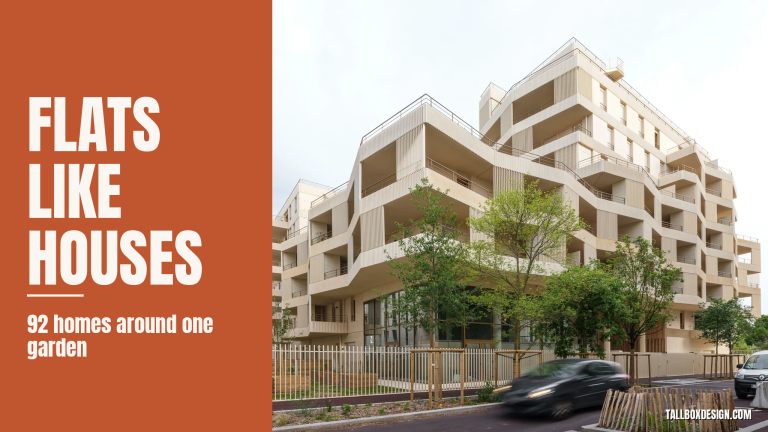
Architectural rules exist for a reason—but they aren’t absolute. Many architects challenge traditional design principles to create spaces that are more functional, expressive, and aligned with real-life needs.
Whether you’re renovating, building new, or rethinking a single room, questioning the rulebook can lead to smarter, more personalized design choices. Here’s a look at common design rules architects break—and why you might consider doing the same.

George is a seasoned interior designer and property marketing strategist with over 13 years of experience. He specializes in transforming properties into visually stunning spaces, helping clients recognize the potential and beauty in each property. With an impressive international client base of exciting projects throughout Europe and America.
Perfect Symmetry Isn’t the Goal
Symmetry has its place. It can create a clean, classic look—but it may also feel rigid or predictable. Many architects break symmetry to introduce visual tension or highlight specific features.
This might involve offsetting built-in shelving from a fireplace or designing windows to favor views over balance.
In homes where character matters more than perfection, controlled asymmetry often results in a more engaging and memorable space.
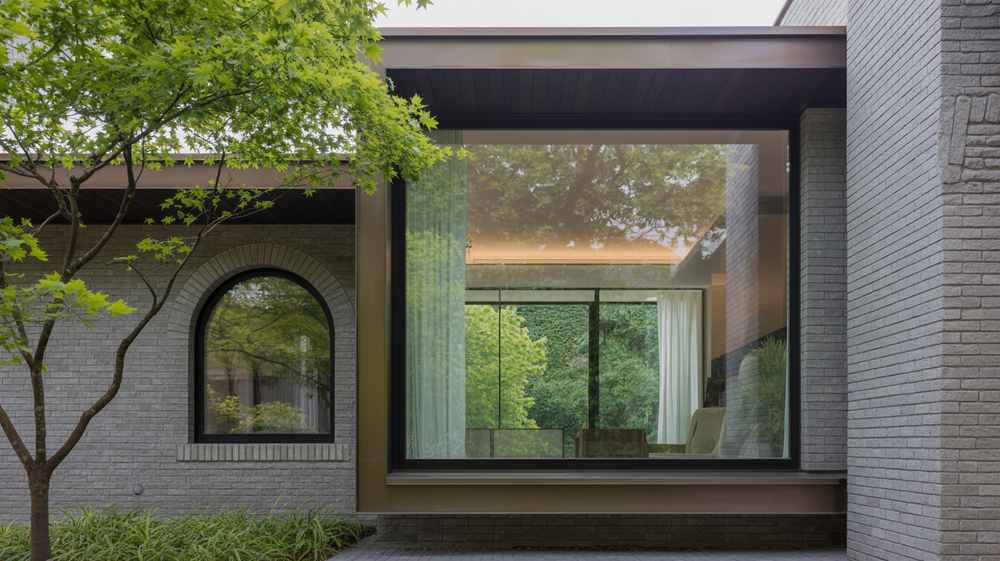
Famous architects who are about asymmetry & breaking symmetry
Frank Gehry – Guggenheim Museum Bilbao (intentionally asymmetrical, chaotic forms)
Zaha Hadid – Heydar Aliyev Center (fluid, non-symmetrical curves)
Bjarke Ingels – VIA 57 West (pyramid-shaped residential building breaking traditional apartment layouts
Design Rules Don’t Stop at the Back Door
Outdoor areas are often treated as afterthoughts in residential design, following standard templates like a concrete pad, basic furniture, and narrow planting strips. However, architects increasingly view these spaces as opportunities to extend usable square footage without adding to the building.
Offset layouts, integrated seating, and smooth transitions between hardscape and greenery help outdoor areas serve multiple functions—without relying on conventional designs.
Famous architects who are about mixed styles
David Chipperfield – Known for mixing minimalist modern with classical proportions
Peter Zumthor – Therme Vals (mixing brutalist concrete with spa luxury)
Tadao Ando – Church of the Light (combining minimalist concrete with spiritual architecture
Open Floor Plans Come with Trade-Offs
It’s easy to assume that removing walls will improve a space, but open floor plans aren’t always the best solution.
Openness can lead to noise, reduced privacy, and awkward furniture placement.
Instead of defaulting to a fully open layout, architects often use smart transitions—such as glass partitions, built-in shelving, or partial-height walls—to define zones while maintaining light and airflow. A bit of separation can significantly improve comfort and livability.
Famous architects who are about open floor plan alternatives
Sou Fujimoto – House N (multiple nested spaces instead of traditional open plan)
Ryue Nishizawa – Garden & House (partial walls creating defined zones)
Mixing Styles Creates Depth
Matching everything is one of the quickest ways to make a space feel flat. While sticking to one design style may seem safe, the most dynamic interiors often layer different aesthetics.
Architects might pair a mid-century sofa with industrial lighting or contrast a minimalist kitchen with rustic reclaimed wood.
When done thoughtfully, mixing styles gives a room a sense of evolution—as if it developed over time rather than being locked into a single trend.
Famous architects who are about mixed styles
David Chipperfield – Known for mixing minimalist modern with classical proportions
Peter Zumthor – Therme Vals (mixing brutalist concrete with spa luxury)
Tadao Ando – Church of the Light (combining minimalist concrete with spiritual architecture)
Regional Rules Don’t Always Apply
Designs that closely follow local conventions can often feel generic. In suburban areas with strict architectural norms, homeowners may default to bland outdoor layouts or underused yards just to fit in.
But when space is treated as a creative opportunity, even traditional neighborhoods can support bold, original ideas. The most compelling homes don’t just follow local expectations—they redefine them.
Famous architects who are about regional rule breaking
Hassan Fathy – New Gourna Village (modern interpretation of traditional Egyptian architecture)
Wang Shu – Xiangshan Campus (mixing traditional Chinese elements with contemporary design)
Curb Appeal Doesn’t Require Conformity
Curb appeal matters, but it doesn’t have to follow conventional rules. Symmetrical hedges and standard landscaping may look neat, but they rarely make a lasting impression. Breaking the mold—by placing garden beds off-center, using native plants in unexpected ways, or mixing hardscapes with unconventional materials—can create more distinctive results.
And it’s not just about looks. Well-designed landscaping, even when it’s nontraditional, can increase a home’s value.
Empty Walls Are a Design Tool
There’s a tendency to treat blank space like a problem, but architects often leave walls intentionally bare. It’s not laziness—it’s balance.
A room packed with artwork, furniture, and décor can feel overwhelming. Leaving some surfaces empty allows the eye to rest and gives more weight to what’s actually there. In well-designed homes, negative space works as a visual pause, creating rhythm and flow that cluttered interiors can’t achieve.
Outdoor Design Can Follow Its Own Rules
The outdoors doesn’t have to copy what’s happening inside. Architects often encourage clients to treat outdoor spaces as a playground for design experimentation.
That might mean skipping symmetry, mixing rustic and modern elements, or layering materials in unconventional ways. In places like Berwyn, Pennsylvania, where older homes dominate, this freedom is especially valuable. Typing something like “ deck builder near me” into a search engine often leads to examples of how outdoor spaces are being reimagined—not just for function, but for style that matches the rest of the home.
End note
Architecture is full of “rules” that were never meant to be permanent. The best designers know how to honor tradition without being restricted by it. Whether you’re tweaking a floor plan or rethinking your backyard, breaking the right rule at the right time can lead to spaces that feel more personal, more useful, and more alive.