The two most definitive trending entrance door colors in 2025 are deep navy blue and sage green. The top two types are aluminium composite and heritage-inspired timber/composite designs.
-
Deep navy blue: Universally stylish and calming, ideal for modern and traditional facades.
-
Sage green: A soft, nature-inspired shade that feels welcoming and suits country or suburban homes.
The most popular entrance doors in 2025 combine modern minimalist styling, heritage influences, and advanced materials such as aluminium and composite. Trending colours include deep blues, earthy neutrals, bold statements, and striking black, with glass and metal accents and smart technology growing in mainstream appeal.
If you are after making a bold statement with your facade, use greens, pinks, yellows, or reds for a front door if you are confident with your exterior decor.
Black and monochrome greys remain the easiest to match, as these colors are versatile and constant, often paired with contrasting frames.
Most Popular Types of front doors for 2025 are aluminium composite, which is a highly durable, energy-efficient, and increasingly preferred for both contemporary and classic properties. The heritage-inspired timber/composite front doors are trendy as well; they blend period detail and natural textures with modern performance, fitting for traditional and characterful homes.

George is a seasoned interior designer and property marketing strategist with over 13 years of experience. He specializes in transforming properties into visually stunning spaces, helping clients recognize the potential and beauty in each property. With an impressive international client base of exciting projects throughout Europe and America.
Leading Front Door styles and what style houses they fit?
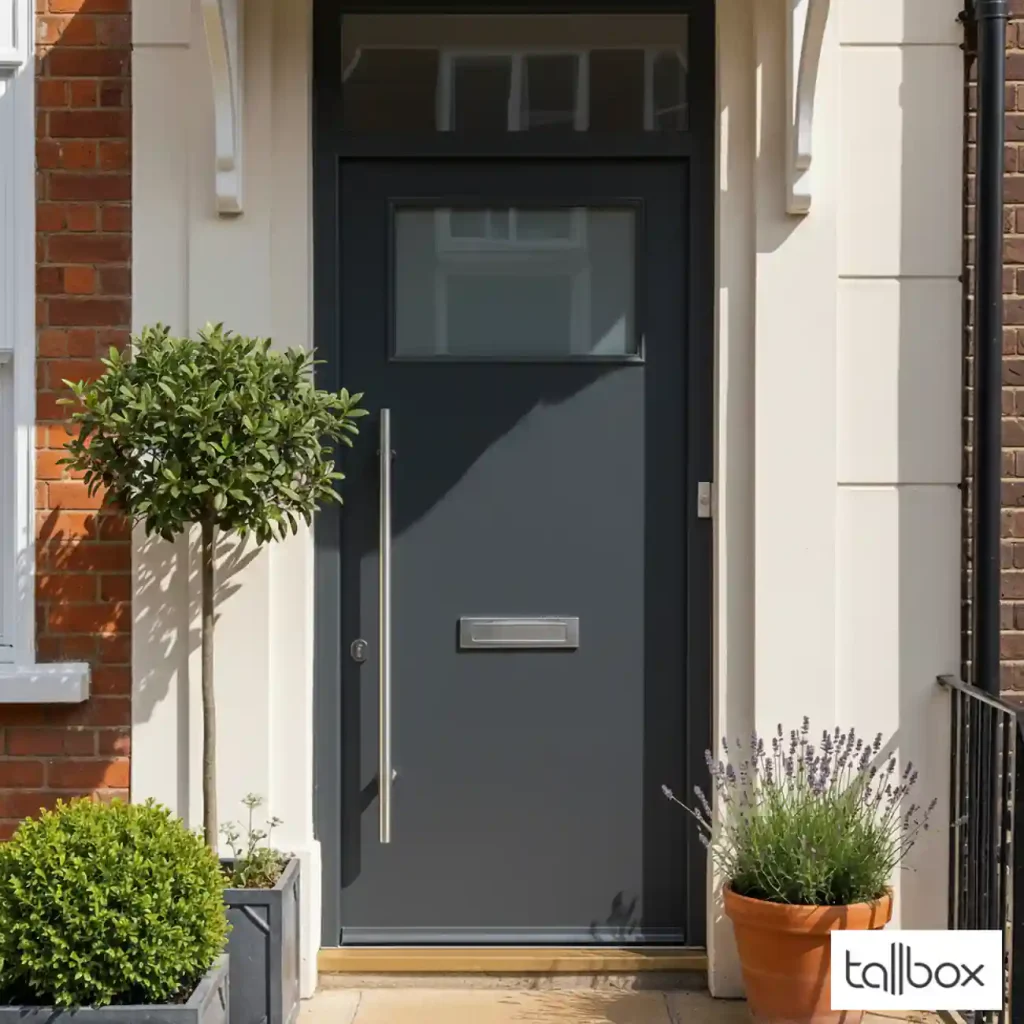
The modern minimalist front doors are ideal for contemporary new-builds, rendered or timber-clad extensions, mid-century refurbs (1950s to 1970s), and warehouse or loft conversions where clean lines and dark frames match the architecture.
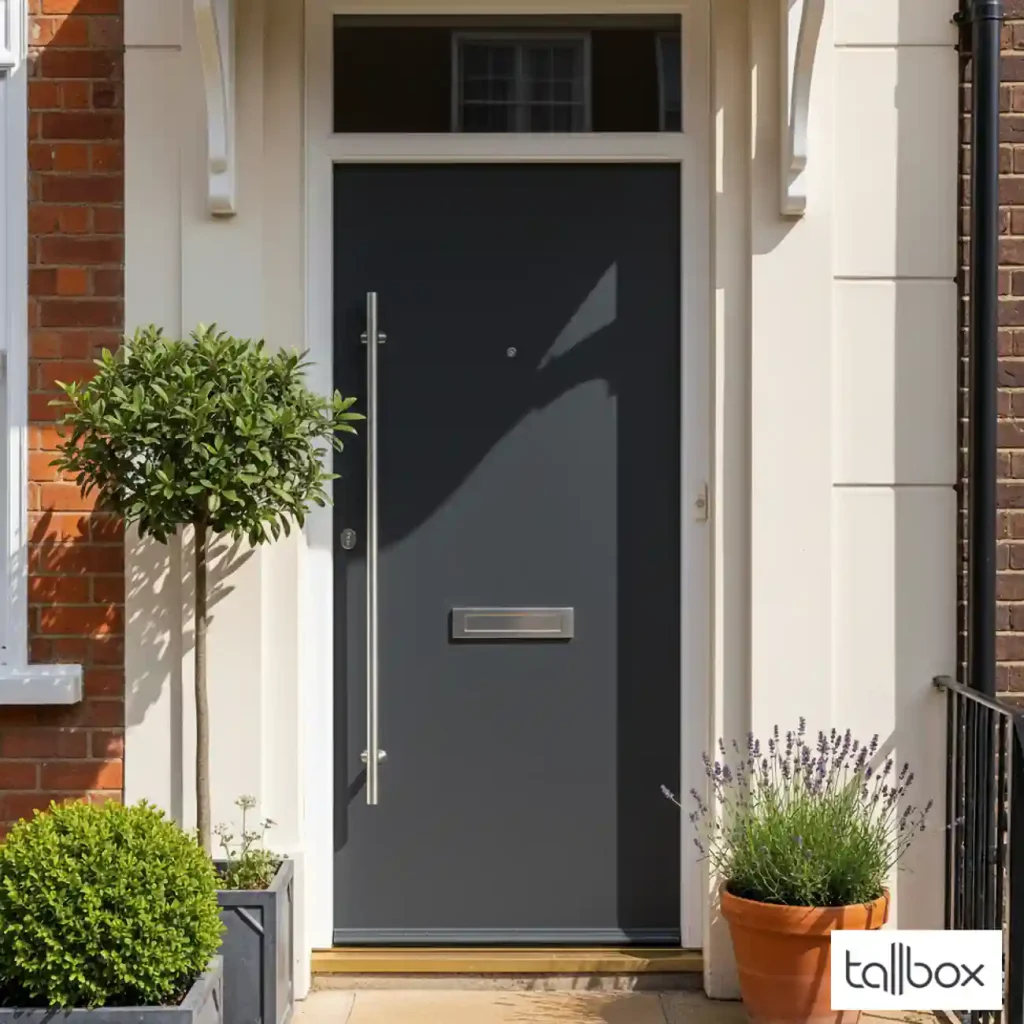
The heritage-inspired front doors are ideal for Victorian and Edwardian terraces and semis, Georgian townhouses, and cottages or farmhouses, preserving period character while discreetly upgrading security and performance.
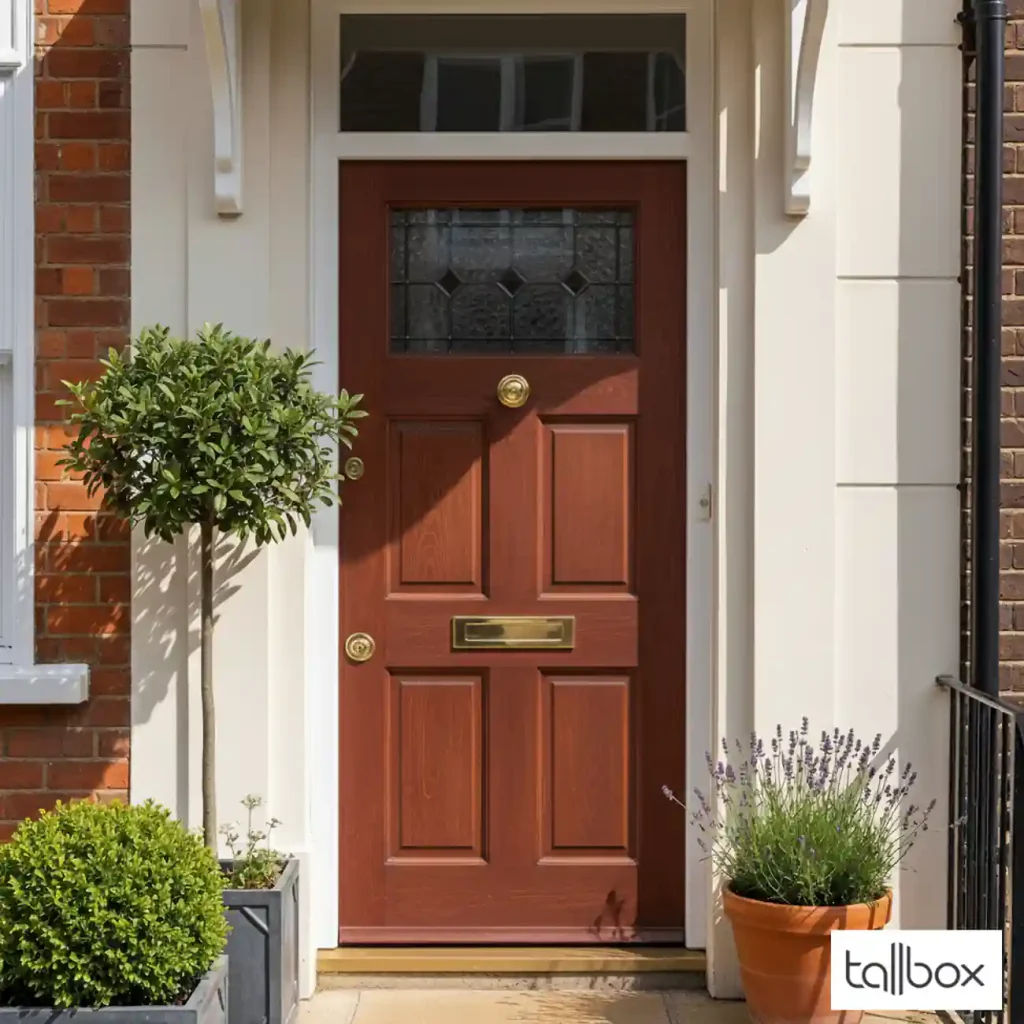
The aluminium and composite front doors are ideal for modernist new-builds, coastal properties, urban infill with large openings, and 1930s bay-fronted semis where slim profiles, durability, and low maintenance are priorities.
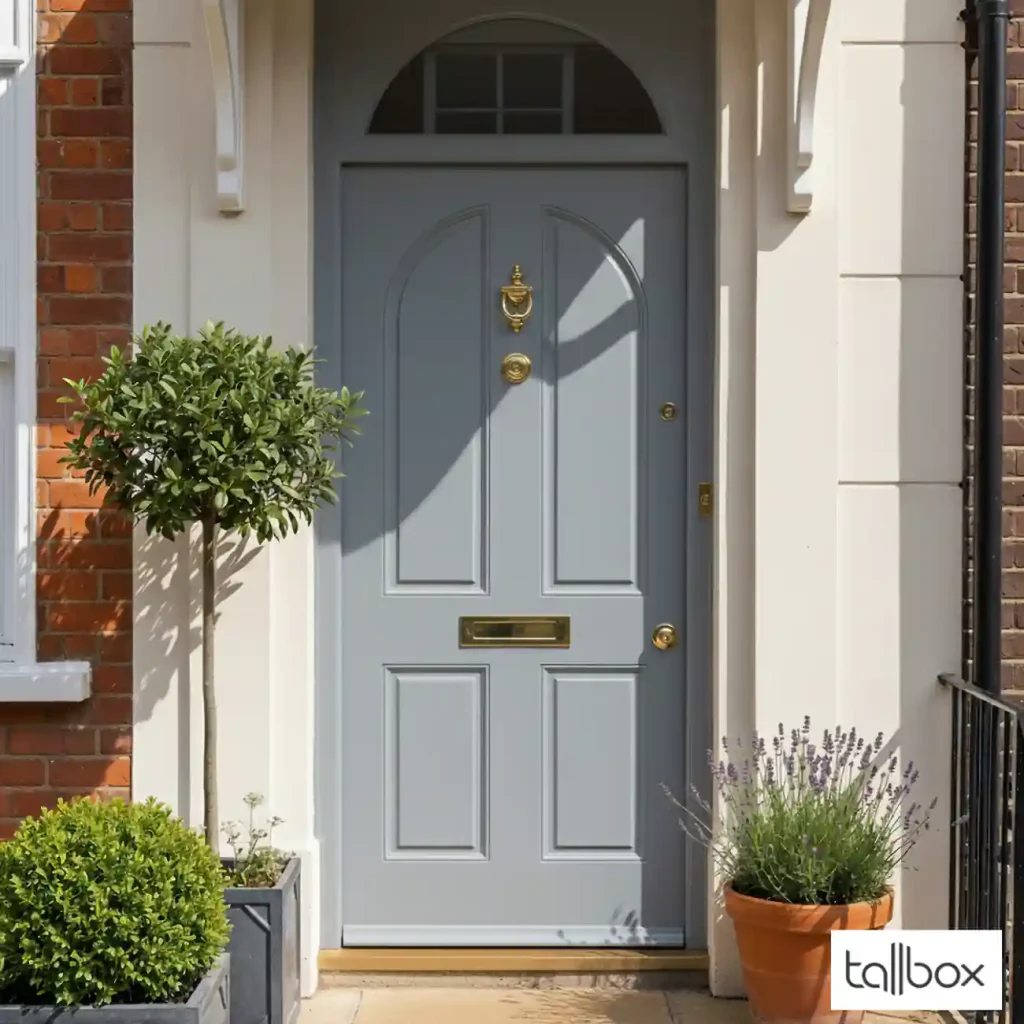
The panelled and arched front doors are ideal for Neo-Georgian and Arts and Crafts homes, Regency and Edwardian revivals, and streets with brick arches, fanlights, or porticos, softening strong elevations while keeping them authentic.
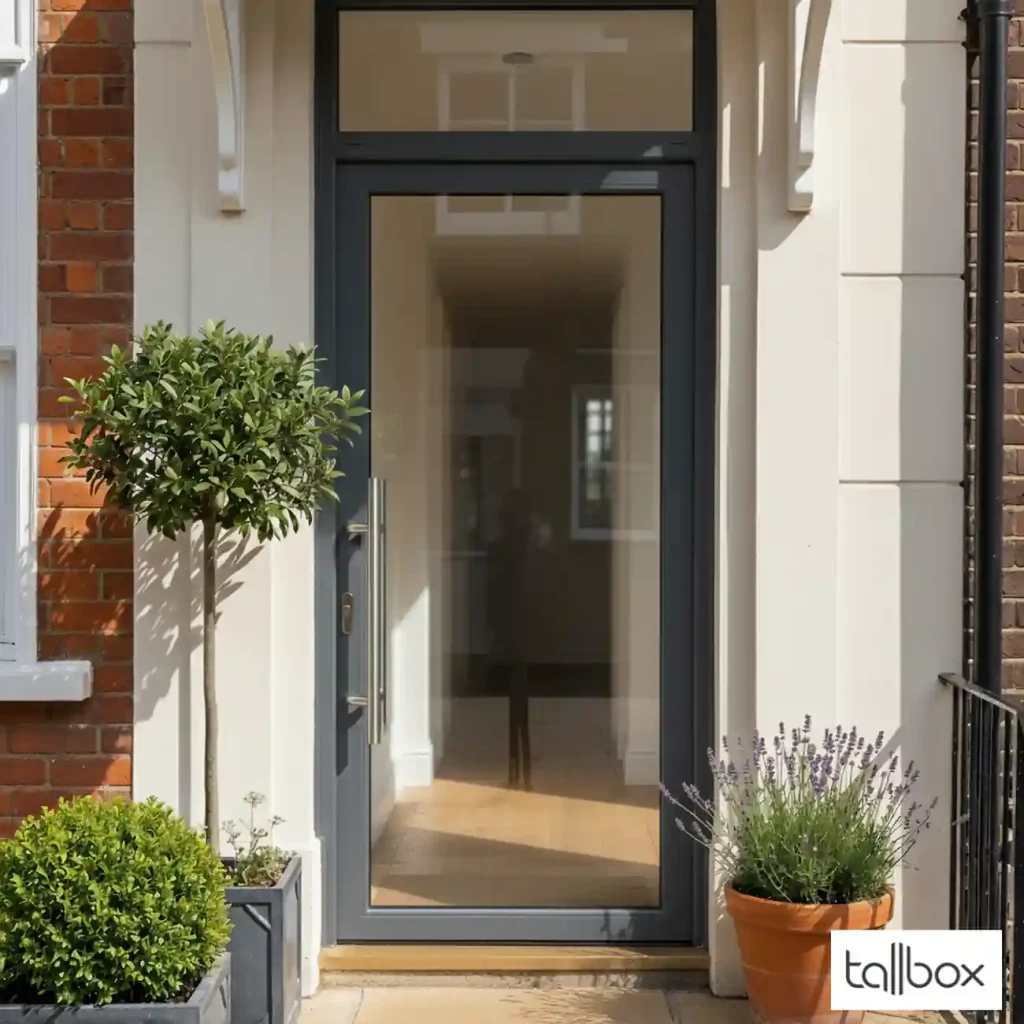
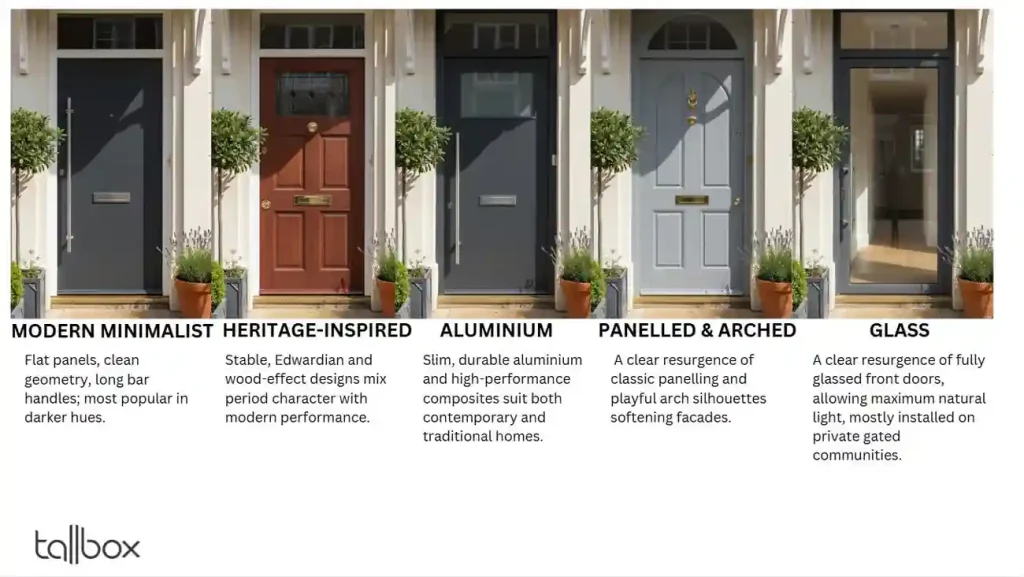
A full-glass front door with reinforced glass delivers maximum daylight without compromising security. The leaf is built around a laminated, toughened safety-glass unit that resists impact; if fractured, shards adhere to the interlayer for continued protection. A slim, thermally broken aluminium or composite frame, multi-point locking, and security hinges complete the package, with optional PAS 24 / Secured by Design specifications.
Modern minimalist: Flat panels, clean geometry, long bar handles; most popular in darker hues.
Heritage-inspired: Stable, Edwardian and wood-effect designs mix period character with modern performance.
Aluminium & composite: Slim, durable aluminium and high-performance composites suit both contemporary and traditional homes.
Panelled & arched: A clear resurgence of classic panelling and playful arch silhouettes softening facades.
What is the best material for a front door?
When you want the lowest maintenance and long life, choose the aluminium or GRP-skin composite. at aluminium costs approximately £2,000 to £4,000+, composite approximately £1,200 to £1,800 (standard), £2,000 to £3,500 with side panels/premium.
When you live in a conservation area or want period authenticity, choose factory-finished hardwood timber at approximately £1,800 to £3,500+ installed (brand and bespoke detailing push higher).
When budget is tight, choose uPVC at approximately £900 to £1,800 installed for a standard replacement (higher with extras or premium installers).
When top energy efficiency is the priority, choose insulated-core composite or well-sealed timber with low-E glazing at composite approximately £1,200 to £1,800; timber commonly £2,000+.
When you are coastal or wind-exposed, choose powder-coated aluminium (marine-grade hardware) at approximately £2,000 to £4,000+ installed depending on spec/brand.
When you want oversized panels and slim sightlines, choose aluminium at approximately £2,000 to £4,000+ installed (premium designer ranges run higher).
When maximum security is the goal, choose a PAS 24 / Secured by Design composite or a steel doorset with laminated glass at composite apprframesl00 to £1,800+; steel doorsets from approximately £600 supply-only, approximately £1,200 to £2,000+ installed (frames and hardware vary).
When you want easy colour changes over time, choose timber (repaints well) and expect approximately £1,800 to £3,500+ installed for quality engineered hardwood.
When you need better sound reduction, choose solid-core composite or dense hardwood at composite approximately £1,200 to £1,800; timber commonly £2,000+.
When sustainability and repairability matter, choose FSC timber or recycled-content aluminium at pricing as above (timber approximately £1,800 to £3,500+; aluminium approximately £2,000 to £4,000+).
When you worry about warping in strong sun, choose aluminium or composite at aluminium approximately £2,000 to £4,000+; composite approximately £1,200 to £1,800+.
When you want more daylight, choose part/full-glazed aluminium or composite with laminated safety glass where fully glazed aluminium starts approximately £800 supply-only; fitted totals typically approximately £2,000 to £3,500+ depending on brand, glass and extras.
Notes on variance: installation labour, glazing options, sidelights/fanlights, security upgrades, and region (e.g., London vs regional) can move totals up or down; typical installation alone adds approximately £500 to £2,000 to supply prices. Always get like-for-like quotes from FENSA/Cert.
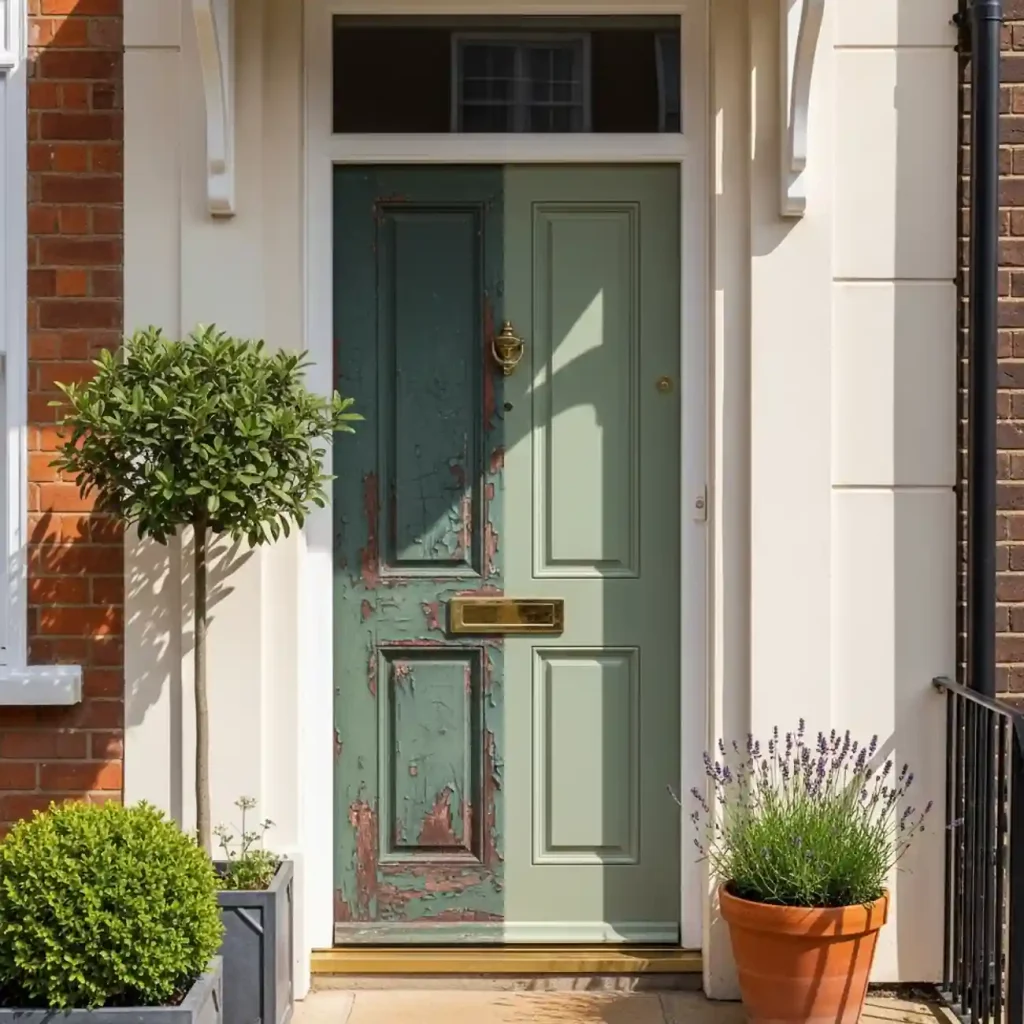
Why Entryway Matters After the Front Door?
The entryway quietly sets expectations for a home. It is the first element visitors notice. Beyond visual appeal, the front door adds security and comfort, and can also impact the home’s energy performance.
When these factors work together, the result is an entry that feels welcoming and purposeful. In many design traditions, the front door is even considered symbolic, representing prosperity, hospitality, or protection. Whether homeowners are aware of it or not, the entryway often sets the emotional tone for the spaces beyond it.
The front door’s scale, proportions, and details establish the home’s character before a guest even enters. A well-chosen design can frame views, emphasize symmetry, or create deliberate contrast with the façade. Materials such as wood, steel, or glass each carry their own architectural language, shaping how the property appears from the street.
Color plays a strong role in establishing visual impact. A bold red or deep blue can convey confidence, while softer tones like sage or natural wood suggest calmness and warmth. Strategic lighting from sidelights to overhead fixtures enhances the first impression by drawing attention to design details that might otherwise be missed.
Why it's a bad idea to attempt DIY installation for a front door?
Attention to detail during entry door installation ensures that security features, insulation, and proportions function as intended.
Even the best entryway design will underperform when the door is not installed correctly. Poor alignment can cause gaps that compromise insulation, while inadequate framing may weaken security.
Professional installation ensures that locks, hinges, and seals work as intended, supporting both safety and efficiency. Professional installation also preserves the visual integrity of the design, maintaining consistent proportions and finishes in line with the architectural vision. A precise installation turns the chosen design from concept into a reliable, lasting feature of the home.
Some homeowners may be tempted to approach installation as a do-it-yourself project, but the risks of misalignment, warping, or reduced energy efficiency often outweigh the savings. Professional installers bring expertise that helps extend the life of the door and ensures warranties remain valid.
Entryway design checklist
To help ensure a well-planned entryway, consider this quick self-audit checklist before making a purchase, particularly when you’re considering a DIY installation:
-
Is the door proportionate to the façade? A mismatched size can disrupt the balance of the entire structure. Use accurate measurements to ensure a good fit.
-
Do the finishes complement the home’s style? Clashing materials or colors can interrupt visual cohesion. Pay attention to texture and color samples.
-
Are the chosen materials suited to the local climate? Unsuitable choices may lead to warping or excessive maintenance. Consider climate-related wear and impact.
-
Have you considered existing frame conditions? Check for any frame damage or misalignment that could affect the new door installation.
-
Have you considered the lighting scheme? Insufficient illumination can make a beautiful design feel uninviting at night.
-
Is the amount of decoration balanced? Over-decorating can overwhelm the door’s clean lines, detracting from its role as a focal point.