Basement waterproofing is a crucial consideration for homeowners. The area’s weather patterns, including heavy rainfall and occasional snowmelt, can lead to basement flooding if it is not properly addressed. Ensuring a dry and safe basement protects the home from water damage and maintains its structural integrity. Residents can benefit from local professional services that specialize in various waterproofing techniques to keep their homes secure.
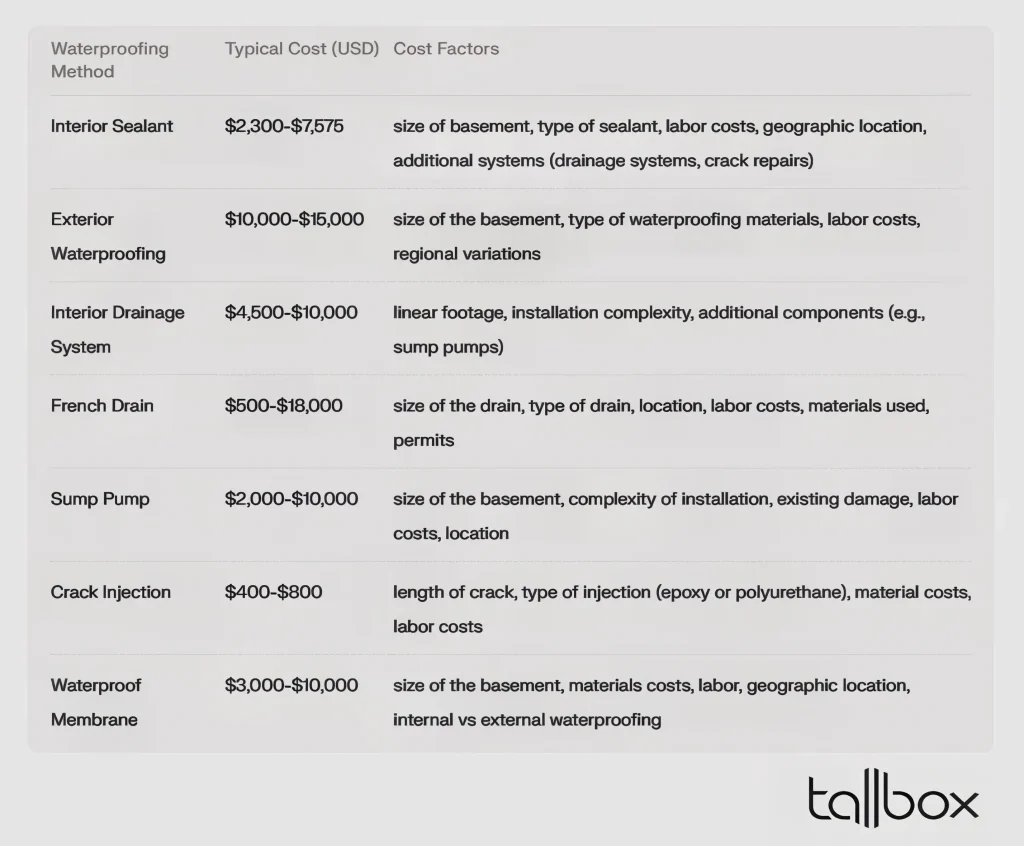
If the wet patches are spotted early, the damage from groundwater or moisture infiltrating to the lowest level of the home, resolving the water-ingress problem can cost an average of $2,200 – $8,500, and unpleasant odors and mold growth would be limited and resolved on time. Common pricing mistakes by companies include underestimating the cost due to factors like the size of the basement, method of waterproofing, and additional repairs that may be needed, and this is something we’ll address in this article.
Failing to identify the source of the water problem, leading to ineffective solutions; neglecting to consider the condition of the basement before waterproofing; and relying solely on less effective inexpensive solutions instead of addressing all necessary factors for comprehensive waterproofing, escalating the prices from $5,000 to $10,000 or $6 – $15 per square foot.
In the worst case scenario resolving a completely flooded basement and then water-tanking can cost at least $20,000 to $35,000, including proper drainage, re-do of the soil condition, landscaping levels, water runoff, sealing cold joints improperly,
Some companies advise only to use waterproofing paint. Relying solely on paint for waterproofing and skipping proper drainage solutions when addressing basement waterproofing, foundation cracks, poor ventilation, and dehumidification.
It is important to choose a reputable service with positive reviews and proven results. This ensures not only that the job is done right but also that future problems are less likely. With many homeowners turning to experts waterproofing firms, the demand for quality waterproofing services continues to grow.
Want to get 3D rendering for your basement project?

George is a seasoned interior designer and property marketing strategist with over 13 years of experience. He specializes in transforming properties into visually stunning spaces, helping clients recognize the potential and beauty in each property. With an impressive international client base of exciting projects throughout Europe and America.

George Nicola (Expert Interior Designer from TALLBOX) shares:
Homeowners have several options when it comes to basement waterproofing. These might include installing interior drains or sump pumps, which are essential in areas prone to water buildup. Vapor barriers and dehumidifiers are also common tools used to prevent moisture-related issues.
Upgrading a rental property can increase its appeal to tenants and allow you to charge higher rent. The best upgrades are those that enhance the property’s functionality, aesthetics, and value while offering a good return on investment (ROI).
Moisture Challenges
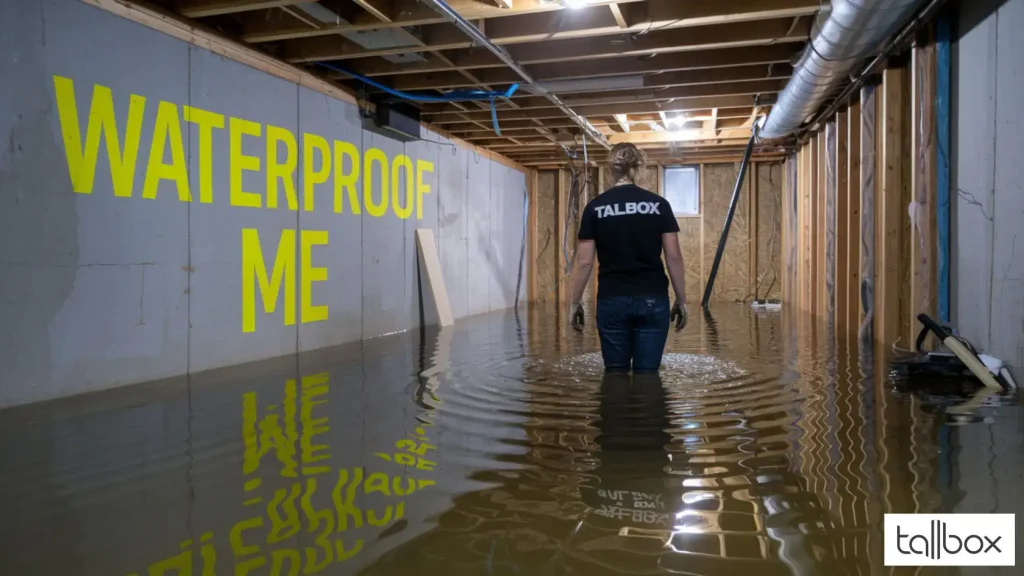
When converting an unfinished basement into a livable space or for to rent out, ensuring the area remains dry and free from moisture is crucial. Basement waterproofing is essential to prevent water damage, mold growth, and structural issues. Implementing a comprehensive waterproofing plan involves installing a state-of-the-art drainage system, such as a sump pump and French drains, to direct water away from the foundation.
Using vapor barriers and dehumidifiers can help control humidity and prevent moisture-related problems. Regular inspections and maintenance of these systems are vital to keep the basement dry and comfortable. By addressing water management and dampness, you can create a safe, healthy, and inviting living space that enhances both functionality and property value.
Wet and humid regions experience unique moisture challenges due to its climate and geography. For example Scranton’s PA location in the northeastern part of the United States exposes it to varying weather patterns, including increased precipitation and humidity.
These environmental factors often pose challenges for homeowners, who frequently find themselves grappling with the impact of heavy rainfall and common indoor water issues. As a result, it’s important for residents to be proactive in addressing these moisture-related concerns to maintain the integrity and safety of their homes.
Increased Rainfall and Cold Temperatures in Fall
Scranton is no stranger to heavy rainfall, especially during the fall months, same applies to any other place with similar geographic characteristics. Rainfall increases as the season progresses, contributing to higher water levels around homes.
Cold temperatures during fall can complicate matters further. When rain and cold air combine, it creates an environment where water can seep more easily into basements and crawl spaces. This situation worsens when leaves and debris block gutters, preventing proper drainage.
Homeowners often find their properties more vulnerable during these months. Proper gutter maintenance and drainage systems are essential to manage excess water.
Common Moisture Problems
High humidity is a frequent complaint among homeowners. Moist, damp air can lead to mold growth, which impacts indoor air quality and personal health. Mold thrives in wet conditions, making homes with basement moisture issues particularly susceptible.
Water seepage is a concern. It can cause structural damage over time if not addressed promptly. Cracks in foundations and basement walls are common entry points for water.
Effective waterproofing systems are necessary to combat these challenges. Solutions can include sealing cracks, improving ventilation, and installing sump pumps. These measures help keep basements dry and protect homes’ structural integrity.
If you’ve spend hours into designing and planing your basement man-cave lighting but noticed a corrosion or rust on light fixtures, this is a sure sign of moisture problem and your has a water problem.
- Corrosion or Rust on Fixtures: Moisture in the air can cause metal light fixtures to rust or corrode over time, particularly in damp environments like basements. Regularly inspecting and cleaning fixtures can help prevent this.
- Flickering or Dim Lights: Excess moisture can affect electrical connections, leading to flickering or dimming of lights. Ensuring proper insulation and ventilation can help mitigate this issue.
- Condensation on Light Bulbs or Covers: If you notice condensation forming on light bulbs or their covers, it’s a sign of high humidity levels in the basement. Installing dehumidifiers and improving ventilation can prevent this problem.
How Basement Waterproofing Prevents Water Damage?
Basement waterproofing is crucial for keeping homes safe from water issues. It helps to stop water from getting into basements, which can damage structures and grow mold.

Key Solutions: Sump Pumps, Vapor Barriers, and Drainage Systems
Sump pumps play a vital role in keeping basements dry. They help by pumping water out before it rises and enters the basement. Positioned in a sump pit, they activate automatically when water reaches a certain level, effectively preventing flooding.
Vapor barriers are essential in stopping moisture. Made from strong materials like plastic or foil, they are installed on walls and floors to keep water vapor from seeping through. This stops mold growth and keeps the basement air dry.
A well-planned drainage system collects water around the foundation and directs it away from the home. French drains (or soakaway), which are trench drains filled with gravel and a perforated pipe, efficiently channel water away from the house. This method reduces pressure against the foundation, minimizing leaks.
Protecting Against Mold and Structural Damage

Mold can cause serious problems in basements. It grows in damp environments and can spread quickly. By keeping basements dry, waterproofing prevents mold, thereby protecting health and reducing unpleasant odors.
Water can also compromise the safety of a home. When water seeps into foundation walls, it can lead to cracks and weaken the structure. Waterproofing measures reinforce walls and floors, ensuring the foundation remains strong.
In areas where rainfall can be heavy, timely waterproofing safeguards the home’s investment. Effective waterproofing stops costly repairs by keeping the basement dry and safe from damage.
Long-Lasting Benefits of Basement Waterproofing
Basement waterproofing offers significant benefits, including increased property value and enhanced home safety. By choosing tailored solutions, homeowners can protect their homes for the long term.
Higher Property Value and Better Safety

Waterproofing a basement helps boost a property’s market value. A dry basement implies that the home is well-maintained, reducing worries about water damage. Prospective buyers are more likely to invest in a waterproofed home because they won’t face the costs and hassles of water issues.
Moreover, safety is a critical concern. Excess moisture in basements can lead to mold growth, which poses health risks. Waterproofing keeps mold at bay, creating a safer living environment. It also prevents structural damage to foundations, which can be costly to repair.
How Basement by Burke Delivers Customized Waterproofing Solutions?
Customized waterproofing solutions ensure basements meet the specific needs of each home. Basements by Burke provides top-of-the-line services in Northeastern Pennsylvania, helping residents regain peace of mind. They assess individual basements for existing water issues and propose tailored solutions.
Standard systems involve installing drainage and sealing cracks to manage moisture. Each solution focuses on long-term effectiveness and minimal disruption for homeowners. By employing specialized techniques, these solutions are reliable and durable. They address unique concerns, whether they’re related to local soil types or specific building designs.

What are the most effective methods for waterproofing a basement?
There are several effective techniques for waterproofing a basement. Interior sealants can help with minor leaks, while exterior waterproofing involves adding protective barriers. Drainage solutions like installing sump pumps or French drains work by redirecting water away from the foundation to keep basements dry.
How does the cost of basement waterproofing vary by method?
The cost varies based on the method chosen. Interior sealants are usually cheaper than exterior waterproofing. Adding drainage systems like French drains may also increase costs. Homeowners should consider their specific needs and consult professionals for accurate estimates to plan their budget accordingly.
Most Effective vs. Least Effective Methods:
- Most Effective: Exterior waterproofing with a foundation membrane is considered the most effective method, as it prevents water from entering the basement entirely. However, it is also the most expensive, costing between $10,000 and $30,000 or more depending on the size of the home
Least Effective: Interior sealants are often considered the least effective method because they only provide a temporary solution by addressing moisture after it has already entered the basement. They are more affordable, costing around $1 to $8 per square foot
Cheapest vs. Most Expensive Methods:
Cheapest: Waterproofing paint or interior sealants are the most affordable options, costing as little as $1 to $8 per square foot.
Most Expensive: Full exterior waterproofing methods like installing a foundation membrane can cost upwards of $15,000 to $30,000 or more.
How does one determine if basement waterproofing is a necessary investment for one's home?
Homeowners should consider waterproofing if they experience frequent water intrusion, mold, or notice structural issues. Examining existing water damage and consulting with a professional can help determine if waterproofing is needed. This can prevent future damage and maintain the structural integrity of the home.
What are the typical signs that a basement requires waterproofing?
Signs include recurring water leaks, mold or mildew presence, damp or musty odors, and visible cracks in walls or floors. If any of these are present, it may indicate the need for waterproofing. Paying attention to these indicators can help in making timely repairs and avoiding bigger problems later.
Are there any long-term maintenance requirements after basement waterproofing is performed?
Yes, there are long-term maintenance requirements after basement waterproofing is performed in the U.S. Regular inspections and upkeep are crucial to ensure the system’s effectiveness over time. Common maintenance tasks include:
Annual Inspections: A yearly check for cracks, leaks, and signs of water damage is recommended.
Sump Pump Maintenance: The sump pump should be serviced annually to ensure it functions properly during heavy rainfall or water intrusion.
Sealing and Resealing: Depending on the waterproofing method, resealing may be required every 3-5 years to maintain the integrity of the system.
What are the most common signs that basement waterproofing isn't working?
The most common signs that basement waterproofing isn’t working include:
Water Intrusion: Puddles, leaks, or damp spots on the basement floor or walls are clear indicators that water is entering despite the waterproofing system.
Mold and Musty Odors: The presence of mold, mildew, or a persistent musty smell suggests moisture buildup, which is a sign of waterproofing failure.
Peeling Paint and Efflorescence: Blistering or peeling paint and white, chalky residue (efflorescence) on walls indicate that water is seeping through the foundation.
What are the most common signs that basement waterproofing needs maintenance?
The most common signs that basement waterproofing needs maintenance include:
- Visible water issues such as puddles, leaks, or flooding in the basement, which are clear indicators that the waterproofing system is failing to keep water out.
- Mold growth, musty odors, or high humidity levels suggest moisture is entering the basement, creating a damp environment that can lead to structural damage and health risks.
- Cracks in walls or floors, bowing walls, or efflorescence (chalky white residue) indicate water pressure is affecting the foundation and may require immediate attention to prevent further damage.
What are the early signs of basement condensation?
The early signs of basement condensation include:
- Water Droplets on Walls or Floors: Condensation often appears as tiny water droplets on cool surfaces like basement walls or floors when warm, moist air meets these cooler areas.
- Foggy or Condensed Windows: Excess moisture can cause condensation to form on the interior of basement windows, indicating poor insulation or high humidity.
- Musty Odors: A persistent musty smell can signal excess moisture in the air, which is a common result of condensation in basements.
What causes wet or chalky walls in a basement?
Wet or chalky walls in a basement are typically caused by water intrusion and moisture buildup. The most common causes include:
- Hydrostatic Pressure: When the soil around the foundation becomes saturated with water (due to rain, snowmelt, or poor drainage), it exerts pressure on the basement walls, forcing water through cracks or porous materials like concrete.
- Efflorescence: This is a white, chalky residue left behind when water evaporates from the surface of basement walls. It occurs as water seeps through the walls and leaves behind mineral deposits, indicating moisture problems.
- Condensation and High Humidity: Moisture from interior sources (like condensation) can also lead to damp walls and peeling paint, especially if the basement has poor ventilation or insulation.
Want to get 3D rendering for your basemenet project?
What steps to take before call waterproofing company?
Before calling a basement waterproofing company, it’s important to take several steps to ensure you get the best service and value for your money:
Identify the Problem: Determine the specific issues you’re facing, such as dampness, leaks, or mold. Take note of where and when these problems occur.
Research Solutions: Understand the different waterproofing methods available, such as interior sealants, exterior waterproofing, and drainage systems. This will help you discuss options with the contractor.
Measure the Area: Measure the size of the area that needs waterproofing. This will help you get more accurate quotes from contractors.
Check Reviews and References: Look for reviews and testimonials online. Ask friends, family, or neighbors for recommendations. A reputable company should also be able to provide references from past clients.
Verify Credentials: Ensure the company is licensed, bonded, and insured. This protects you in case of accidents or damage during the project.
Get Multiple Quotes: Contact at least three different companies to get quotes. Compare their prices, services, and warranties to make an informed decision.
Ask Questions: Prepare a list of questions to ask potential contractors. This can include their experience, the types of waterproofing solutions they offer, and details about their warranties and guarantees.
Understand the Costs: Be aware of all potential costs, including any additional repairs that may be needed. Make sure the quotes you receive are detailed and itemized.
Common pricing mistakes by waterproofing company?
Common pricing mistakes by companies often stem from several key factors:
Ignoring Market Research: Companies sometimes set prices based solely on internal costs or desired profit margins without considering the broader market landscape. This can lead to prices that are out of sync with customer expectations and competitor pricing.
Overlooking Customer Value: Focusing only on costs rather than the perceived value to customers can result in prices that are either too high or too low. It’s crucial to consider the value your product or service provides to customers and use value-based pricing strategies.
Setting Prices Too Low: While low prices can attract customers, they can also undermine the perceived value of the product and harm profitability. It’s important to highlight the unique value and benefits of your offering.
Failing to Test Prices: Launching a product without testing different price points can result in missed opportunities for optimization. Implementing price testing strategies, such as A/B testing or market experiments, can help identify the optimal price point.
Underestimating Costs: This includes not fully accounting for factors like the size of the basement, method of waterproofing, and additional repairs that may be needed. These overlooked costs can lead to underpricing and reduced profitability.
Inconsistent Pricing Strategies: Having inconsistent pricing strategies across different products or services can confuse customers and erode trust. Consistency in pricing helps maintain a clear value proposition.
Can AC unit in basement help with drying it out?
Yes, an AC unit in the basement can help with drying it out. The cold air from the AC unit will lower the temperature in the basement, causing the relative humidity to decrease. However, it’s important to ensure that the AC unit isn’t too large for the space, as an oversized unit will cool the room quickly but won’t run long enough to remove moisture from the air.
It’s recommended to use an appropriately sized dehumidifier along with the AC unit for optimal humidity control. It’s also important to address any air leaks or sources of moisture, such as exposed ducts or condensation from the AC unit, to prevent humidity from rising.
However, there are some limitations to consider:
- AC units are primarily designed to cool, not specifically to dehumidify. They may not be as efficient at removing moisture as a dedicated dehumidifier, especially if the basement is not significantly warm.
- If the basement is already cool, the AC unit might not run frequently enough to effectively dehumidify the space. Short run cycles may not allow the coil to get fully cold, reducing its dehumidifying capacity.
Air conditioning systems inherently dehumidify the air as they cool it. This process involves removing moisture from the air, which can help lower the humidity levels in the basement.
Additional Tips to Dry Out Your Basement:
Improve Ventilation: Use fans or install ventilation systems to increase air circulation, helping to reduce humidity levels.
Seal Leaks: Inspect your basement for any cracks or openings where moisture may be entering and seal them appropriately.
Check Gutters and Downspouts: Ensure that gutters and downspouts direct water away from your home’s foundation to prevent seepage into the basement.
Use Moisture-Absorbing Materials: Place moisture-absorbing substances like silica gel packs or moisture-absorbing beads in areas prone to dampness.
Monitor Humidity Levels: Use a hygrometer to keep track of the humidity in your basement. Aim to keep humidity levels between 30% and 50% to prevent mold growth and structural damage.