If you’re having heating and air issues after a recent installation, don’t panic! First, double-check that the system has power and the circuit breaker hasn’t tripped. It’s a simple fix that often gets overlooked. Next, take a look at your thermostat. Make sure it’s set to the right mode (heating or cooling) and the temperature is adjusted correctly. Sometimes a simple setting change is all it takes.
If you’re still having problems, it’s a good idea to check the wiring on the thermostat for any loose connections. While you’re at it, see if the sensors near the indoor unit are dusty and need a gentle cleaning. If these DIY steps don’t solve the issue, it’s time to call the installer for professional help.
Dealing with a bad contractor can be challenging, but taking organized and informed steps can help you resolve the issue. Start by documenting everything and attempting to communicate your concerns formally. If that doesn’t lead to a solution, involve third parties like manufacturers, regulatory agencies, or legal professionals. Protecting your rights and property is paramount, and there are resources available to assist you.
Want to get 3D rendering for your house renovation?

George is a seasoned interior designer and property marketing strategist with over 13 years of experience. He specializes in transforming properties into visually stunning spaces, helping clients recognize the potential and beauty in each property. With an impressive international client base of exciting projects throughout Europe and America.
George Nicola (Expert Interior Designer from TALLBOX) shares: There are a few signs your HVAC contractor has not done a good job and this is a list of most common mistakes HVAC contractor do.
Poor Ventilation Even After Repairs: This could indicate that the contractor didn’t properly diagnose or fix the issue.
Skipping Measurements: If the contractor doesn’t take precise measurements of your home or the HVAC unit, they may not install or repair it correctly.
Poor Customer Service: A contractor who is unresponsive, dismissive, or unprofessional may not provide high-quality work.
Ignoring the Root Issue: If the contractor only addresses the symptoms of a problem rather than its cause, it could lead to recurring issues that may become more costly over time.
Legal Jargon: If your contract is filled with complex legal language, it might be an attempt to protect the business more than the consumer. Always ask for clear clarification before signing or paying a construction lawyer to decode the contract.
Ridiculous Pricing: If the price seems too good to be true, it probably is. Cheap service contracts might not cover much, so be sure to compare prices around town.
One-Page Contract: A single-page service contract may be a red flag, as it might not provide a detailed account of what is covered and what is not.
Small Font: Be wary if a contract is written in a very small font, as this could be a tactic used to discourage consumers from reading the full contract.
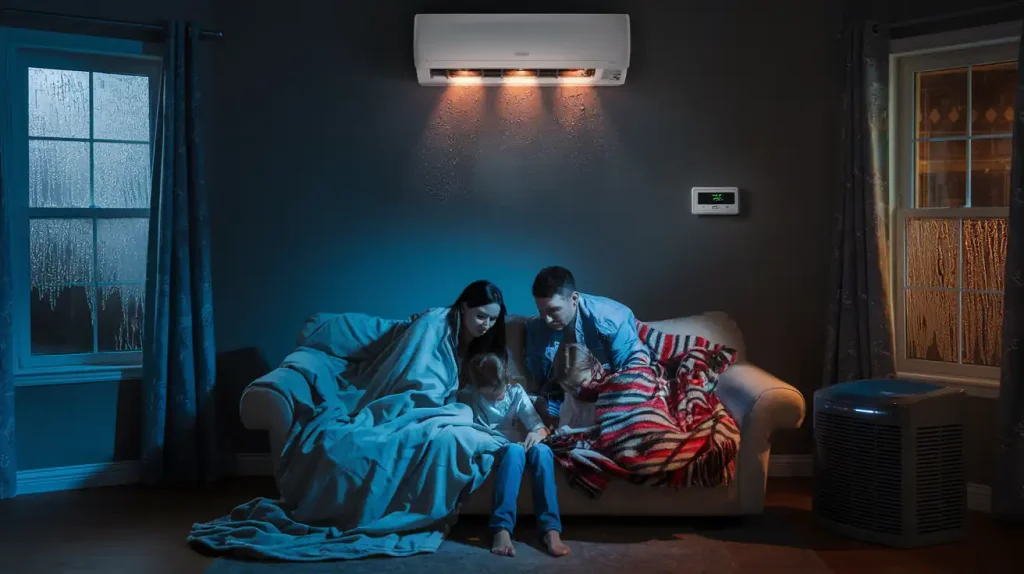
7 Signs Your Air Conditioner / HVAC Needs a Service after installation
Regular servicing is one thing, but if your HVAC is brand new and it doesn’t work efficiently, then what do you do?
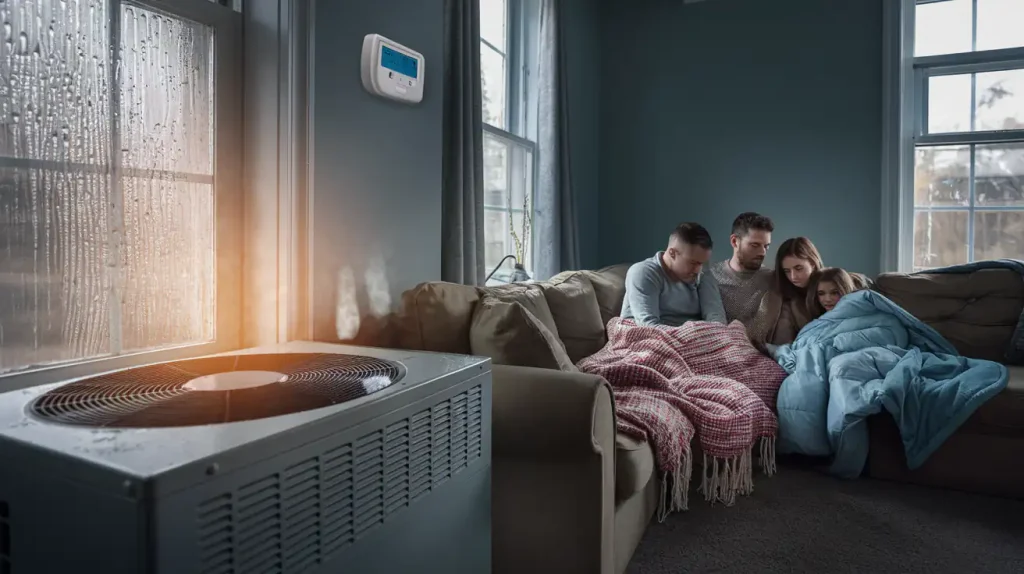
#1 – Unusual Noises
If you have an air conditioner making strange noises it can be a sign that something is wrong. Rattling, grinding, or buzzing sounds often indicate loose or worn-out components, such as a fan blade or motor bearings.
These noises may seem minor at first but can quickly lead to bigger problems if left unchecked. Addressing the issue early can prevent more costly repairs down the line.
In addition to mechanical issues, hissing or whistling sounds may point to refrigerant leaks or ductwork problems.
These issues can affect the efficiency of your system and even pose safety risks.
If you hear any strange sounds coming from your air conditioner, it’s best to have a professional inspect it to prevent further damage and ensure smooth operation.
Want to get 3D rendering for your resi project?
#2 – Warm Air from Vents
If your air conditioner is blowing warm air instead of cool, it’s a clear indication that something is wrong.
This issue could stem from a variety of causes, such as low refrigerant levels, which prevent the system from cooling properly.
Another common culprit is a malfunctioning compressor, which is responsible for circulating the refrigerant needed for cooling.
When these components fail, the system struggles to maintain the desired temperature.
Warm air from the vents may also be a sign of more minor issues, like a dirty air filter or a thermostat that’s not set correctly.
If adjusting the thermostat doesn’t help, it’s time to schedule a service. Ignoring this sign could lead to more serious problems and discomfort during the hot months
#3 – Weak Airflow
Weak airflow is another sign that your air conditioner needs attention. If you notice that the air coming from your vents is not as strong as it should be, it could indicate a blockage in the system.
Dirty or clogged air filters are often to blame, as they restrict airflow and reduce the overall efficiency of the unit.
Another possible cause is a failing fan, which may struggle to circulate air properly throughout your home.
Addressing weak airflow early is important because it not only reduces your air conditioner’s ability to cool your home but also puts additional strain on the system.
This can lead to more severe issues over time, such as overheating or component failure.
Scheduling a professional service can help diagnose the exact problem and restore your air conditioner’s performance.

#4 – Foul Odours
Foul odours coming from your air conditioner are a clear indication that it needs servicing. Musty smells often signal the presence of mould or mildew in the unit or ductwork.
This can happen if moisture accumulates within the system, creating the perfect environment for mould growth.
If left unaddressed, it can lead to poor indoor air quality, which may affect your health and exacerbate respiratory issues.
Burning or smoky odours, on the other hand, could indicate an electrical problem, such as overheating wires or a malfunctioning motor.
These issues pose a potential fire hazard and should be dealt with immediately. If you notice any unusual smells coming from your air conditioner, scheduling a professional service is essential to address the root cause and restore a safe, fresh environment.
#5 – Increased Energy Bills
This step doesn’t aim at freshly installed units but it’s quite relevant. A sudden spike in your energy bills without a clear explanation could be a sign that your air conditioner is struggling and in need of servicing.
As components wear out or become clogged, the system has to work harder to cool your home, consuming more electricity in the process. Issues such as a dirty filter, refrigerant leaks, or a failing compressor can all reduce efficiency and drive up energy usage.
Ignoring this sign can lead to further inefficiencies and potentially more expensive repairs down the line. Regular servicing can help identify and resolve the root cause, ensuring your air conditioner runs efficiently.
By maintaining your system, you’ll not only reduce your energy bills but also prolong the lifespan of the unit, saving money in the long run.
#6 – Frequent Cycling On and Off
Frequent cycling, where your air conditioner turns on and off more often than usual, is a sign that something may be wrong with the system.
This issue, known as short cycling, can be caused by various factors, such as a malfunctioning thermostat or a unit that is improperly sized for your home.
When the system cycles too frequently, it fails to complete a full cooling cycle, leading to inefficient performance and increased energy consumption.
In addition to wasting energy, short cycling places added stress on the components of your air conditioner, particularly the compressor.
This can result in premature wear and tear, leading to costly repairs or even the need for a complete system replacement.
If you notice frequent cycling, it’s crucial to have a professional service your air conditioner to resolve the issue promptly.
#7 – Moisture or Leaks Around the Unit
Moisture or leaks around your air conditioning unit are clear signs that it needs servicing. These leaks could result from a blocked or damaged condensate drain, which prevents the system from properly managing excess moisture.
This not only reduces the efficiency of the unit but can also lead to water damage in your home if left unresolved.
In more serious cases, refrigerant leaks may be the culprit, which can affect your air conditioner’s cooling performance and pose health risks.
If you notice any water pooling around the unit or unusual moisture, it’s important to address the issue quickly.
A professional service will help diagnose the problem and prevent further damage to both your system and your property.
What can go wrong with HVAC contractor?
When you invest in a new heating and air system, the expectation is for it to function seamlessly. However, issues can arise shortly after installation, leading to frustration and concern. These problems might stem from the system itself or from the contractor responsible for the installation. Addressing these issues promptly is crucial to ensure comfort and efficiency in your home.
In this section, we will explore common problems that can occur with newly installed heating and air systems and emphasize the importance of timely intervention. Additionally, we will touch upon potential legal recourse and protection measures available to homeowners.
- Improper Installation: Incorrect installation can lead to system inefficiency, frequent breakdowns, or even safety hazards like gas leaks.
- Inadequate Sizing: Installing a system that’s too large or too small for your space can cause comfort issues and increased energy costs.
- Neglecting Ductwork: Failing to properly seal or insulate ductwork can result in energy loss and uneven heating or cooling.
- Low-Quality Parts: Using inferior or incompatible components can reduce system lifespan and efficiency.
- Second-Hand Equipment: Installing used or refurbished units without disclosure can lead to unexpected failures.
Unlicensed Work: Contractors operating without the required licenses may not adhere to industry standards or local codes.
Inadequate Training: Technicians without proper certification might lack the necessary skills to perform the job correctly.
No Liability Insurance: Without insurance, you might be liable for accidents or damages that occur during the project.
Workers’ Compensation Issues: If a worker is injured on your property and the contractor lacks proper coverage, you may be held responsible.
- Code Violations: Failing to comply with local building codes can result in fines, legal issues, or the need for costly modifications.
- Permitting Issues: Not obtaining the necessary permits can cause problems during future property sales or inspections.
- Inflated Estimates: Charging more than the fair market value for services or parts.
- Unexplained Add-Ons: Adding extra fees without clear justification or prior agreement.
- High-Pressure Sales Tactics: Pressuring you into unnecessary upgrades or services.
- Missed Deadlines: Failing to complete work within the agreed-upon timeframe.
- No-Shows or Cancellations: Frequent rescheduling or not showing up without notice.
Verbal Agreements Only: Relying solely on verbal agreements can lead to misunderstandings or disputes.
Incomplete Contracts: Missing key details such as scope of work, costs, timelines, and warranties.
- Unresponsiveness: Difficulty reaching the contractor to discuss issues or concerns.
- Poor Documentation: Failing to provide written estimates, contracts, or receipts.
- No Warranty Provided: Not offering a warranty on labor or honoring manufacturer warranties.
- Failure to Register Warranties: Not completing necessary paperwork to validate equipment warranties.
Ignoring Safety Protocols: Not following safety guidelines can lead to accidents or damage to your property.
Improper Handling of Refrigerants: Mishandling refrigerants can be harmful to the environment and health.
Damage to Property:
- Mess and Debris: Leaving behind a mess or not protecting your home during installation.
- Accidental Damage: Causing unintended harm to walls, flooring, or existing HVAC components.
Rudeness or Disrespect: Unprofessional conduct can make the experience unpleasant.
Untrustworthy Staff: Allowing unvetted personnel into your home could pose security risks.
Lack of Instruction: Not educating you on how to maintain your new system can lead to premature failures.
No Follow-Up Services: Failing to offer or inform you about maintenance plans or necessary future services.
Demanding Full Payment Upfront: Requesting total payment before work begins can be a red flag.
Refusal to Accept Responsibility: Not rectifying issues unless additional payment is made.
Misrepresenting Qualifications: Claiming certifications or affiliations they do not have.
Bait and Switch: Promoting one product or service and then delivering another.
Improper Disposal: Not correctly disposing of old equipment or refrigerants, leading to environmental harm.
Ignoring Efficiency Standards: Installing systems that do not meet energy efficiency regulations.
Lack of Resolution: Not addressing your concerns or rectifying problems after they are brought to attention.
Negative Reviews Handling: Responding poorly to reviews or complaints, indicating a lack of professionalism.
How to avoid Issues with HVAC contractor?
Hiring an HVAC contractor is a significant decision that impacts your home’s comfort, safety, and energy efficiency. By being aware of potential pitfalls and taking proactive steps, you can minimize risks and ensure a successful installation or repair. Always prioritize contractors who demonstrate professionalism, transparency, and a commitment to quality workmanship.
Research and Vet Contractors:
Check Credentials: Verify licenses, certifications, and insurance.
Read Reviews: Look up customer feedback on multiple platforms.
Ask for References: Speak with previous clients about their experiences.
Get Multiple Quotes:
Compare Estimates: Obtain at least three quotes to gauge fair pricing.
Assess Professionalism: Evaluate how each contractor communicates and presents their proposal.
Use Detailed Written Contracts:
Include All Details: Ensure the contract covers scope of work, materials, timelines, costs, and warranty information.
Read Carefully: Understand all terms before signing.
Avoid Paying Full Amount Upfront:
Agree on a Payment Schedule: Typically, a deposit is made with subsequent payments tied to project milestones.
Hold Final Payment: Retain a portion until work is satisfactorily completed.
Monitor the Work:
Stay Informed: Regularly check on progress and quality.
Communicate Promptly: Address any concerns immediately with the contractor.
Verify Permits and Inspections:
Ensure Compliance: Confirm that all necessary permits are obtained and inspections are scheduled.
Final Inspection: Do not consider the project complete until it passes any required inspections.
Know Your Rights:
Understand Consumer Protection Laws: Familiarize yourself with laws that protect you from fraudulent or unethical practices.
Cooling-Off Periods: Some jurisdictions allow a period during which you can cancel a contract without penalty.
Document Everything:
Keep Records: Save all communications, receipts, contracts, and warranties.
Take Photos: Document any issues with detailed images.
Communicate Issues in Writing:
Formal Notices: Send letters or emails outlining concerns and desired resolutions.
Seek Mediation or Legal Advice:
Professional Help: If disputes cannot be resolved, consider mediation or consult an attorney for legal options.
Report to Authorities:
Licensing Boards: File complaints with state contractor licensing boards.
Consumer Agencies: Notify consumer protection agencies or the Better Business Bureau.
What does an HVAC contract should include?
A good HVAC contract should clearly specify the scope of work, detailing all services, materials, and equipment included in the project. Secondly, it must outline a transparent payment schedule with agreed-upon milestones, ensuring both parties understand the financial obligations. The HVAC contract needs to address warranties and potential contingencies, establishing clear expectations for project completion and post-installation support.
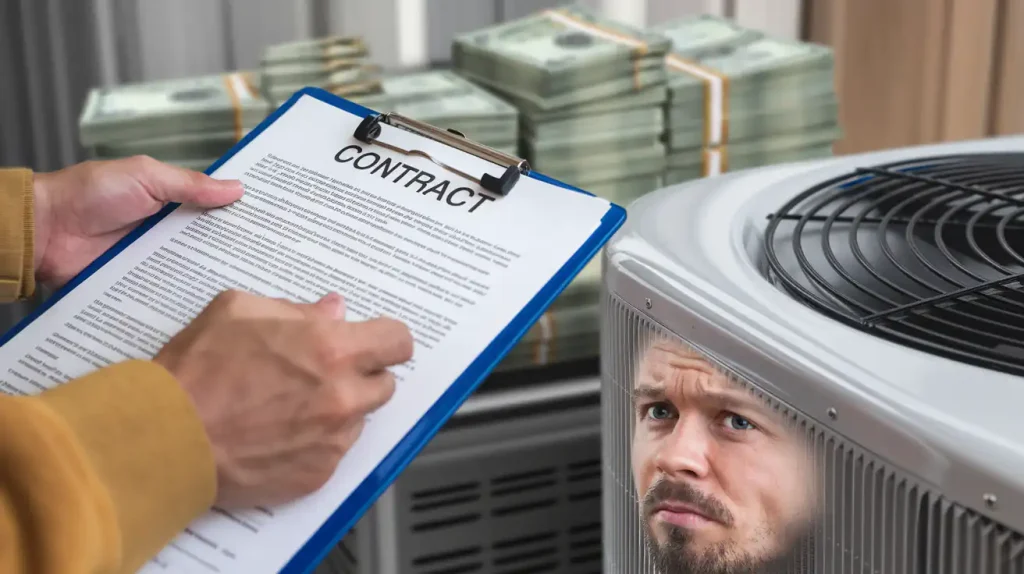
Having a contract in place is a good thing for a couple reasons.
Contracts play a crucial role when installing a heating and air system. They serve as a written record of what both parties have agreed upon, ensuring clarity and accountability. However, it’s important to note that not everything may be included in the contract. Some aspects might be documented, while others might not be, which can significantly impact the agreement.
A well-drafted contract should clearly outline the responsibilities and expectations of both the contractor and the homeowner. This includes details about the installation process, warranties, and any other relevant terms. By having these elements in writing, both parties are protected, reducing the risk of misunderstandings or disputes.
For homeowners, understanding the contract is essential. It not only protects the contractor but also safeguards the homeowner’s interests. Knowing what the contract states can be vital in addressing any issues that may arise with the heating and air system.
How to deal with HVAC contractors?
When facing issues with your heating and air system, your first step should be to approach your contractor. A good contractor is often highly motivated to resolve any problems, as they want to ensure customer satisfaction and maintain their reputation.
In many cases, contractors may go above and beyond to help, even if the issue isn’t directly their fault. For instance, they might absorb repair costs to keep you satisfied, especially if they recommended the system initially.
Contractors can also leverage their relationships with manufacturers to seek solutions. They might be able to negotiate labor warranties, rebates, or other forms of compensation on your behalf. Since contractors regularly purchase products from manufacturers, they may have more influence than individual customers.
If the contractor is unresponsive or unwilling to assist, it might be time to consider other options, such as approaching the manufacturer directly or seeking legal advice.
Want to get 3D rendering for your residential project?
Preventive Measures
To prevent these issues, thoroughly research and select companies with strong reputations, regardless of their size. Avoid opting for the cheapest bid, as it might lead to more problems in the long run.
If you’ve experienced any of these challenges, sharing your story can help others make informed decisions.
Navigating issues with heating and air systems requires careful consideration and proactive measures. It’s crucial to choose reputable contractors to avoid potential pitfalls such as contractors taking money without completing work or manufacturers not honoring warranties.
Legal Considerations and Recourse when HVAC contractor goes bad
When dealing with issues related to heating and air systems, there may come a time when legal action becomes a consideration. This step is often seen as a last resort, taken when all other options have been exhausted. If you believe there is a valid reason for compensation, involving legal professionals might be necessary.
When to Consider Legal Action
Legal action should be considered when you have exhausted all other avenues for resolution. This might include situations where there is a clear breach of contract or failure to meet agreed-upon standards.
Understanding the Role of Damages in Legal Cases
In legal cases, understanding the role of damages is crucial. Determining who is responsible—whether it be the contractor, manufacturer, or another party—is a key step in pursuing compensation.
Importance of Consulting with a Lawyer
Consulting with a lawyer can provide clarity on your legal standing and help you decide the best course of action. They can assist in identifying the responsible party and guide you through the legal process.
Call Manufacturers for Resolution
When dealing with issues related to heating and air systems, involving the manufacturer can be a crucial step. Even if your contractor is actively addressing the problem, reaching out to the manufacturer can provide additional support.

Manufacturers may have representatives who can conduct site visits to assess and resolve issues, aiming to ensure customer satisfaction. However, the availability of such support varies depending on the manufacturer’s setup and their supplier arrangements.
In some cases, manufacturers might offer significant resolutions, such as replacing a faulty component or even an entire unit, especially if there have been repeated issues. While some manufacturers have warranty programs that facilitate such actions, others may require more effort and documentation from the homeowner to justify these measures.
Involving the manufacturer can lead to favorable outcomes, but it often requires persistence and clear communication of the issues at hand.