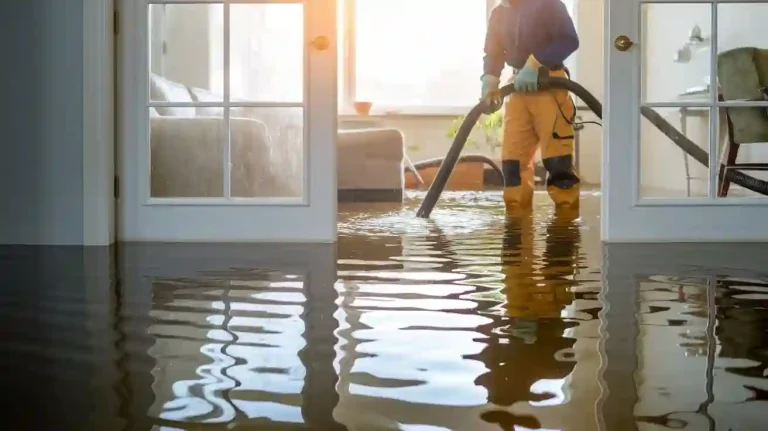
Developing a well-structured safety plan is essential for construction sites. It meets legal requirements, proactively safeguards your workers, and keeps things running smoothly on-site.
The role of a safety plan is to mitigate, prevent, ensure, promote and establish health and safety procedures. The key components of the plan are Hazard Identification, Safety Policies, Roles and Responsibilities, Regulatory Compliance, Personal Protective Equipment (PPE), Ongoing Training, Emergency Preparedness, and Regular Audits.
This article explores the components needed to create a robust construction site safety plan. These include identifying potential hazards, establishing safety policies, defining roles and responsibilities, and ensuring compliance with regulations.
Risk assessment: Begin by identifying potential hazards at the construction site. This can include hazardous materials, dangerous equipment, overhead power lines, excavations, or poor air quality. Consider the nature of the work and specific tasks that may involve additional risks.
Safety policies and procedures: Establish safety policies and procedures that address the identified risks. This should include emergency response plans, accident reporting procedures, and guidelines for using personal protective equipment (PPE). Clearly communicate these policies and procedures to all workers and stakeholders.
Site access and security: Control site access to prevent unauthorized personnel from entering the construction site. This can include installing fencing, signage, and security personnel. Make sure the site is well-lit and that emergency exits are clearly marked.
Training and supervision: Ensure that all workers are adequately trained to perform their tasks safely. This can include providing training on specific equipment, hazard communication, and safe work practices. Provide ongoing supervision to ensure workers are following the established safety procedures.
Personal protective equipment (PPE): Provide workers with appropriate PPE, such as hard hats, safety glasses, gloves, and steel-toed boots. Ensure that workers wear this equipment at all times while on the construction site.
Incident investigation and reporting: Establish a process for reporting and investigating accidents or near misses. This can help identify trends and prevent future incidents. Ensure that all incidents are documented and that corrective actions are taken to address any identified issues.
Regular inspections and maintenance: Regularly inspect the construction site and equipment to ensure they are in good working order. Address any identified hazards or equipment damage promptly.
Emergency preparedness: Develop an emergency response plan that includes procedures for responding to fires, chemical spills, and other emergencies. Ensure that all workers are familiar with the plan and know how to respond appropriately.
Communication and signage: Post signage around the construction site to communicate important safety information to workers and visitors. Regularly communicate safety information to workers, such as updates to safety policies and procedures or emergency response plans.
Record keeping: Maintain accurate records of all safety-related activities, such as training, inspections, and incident investigations. This can help identify trends and ensure compliance with safety regulations.

George is a seasoned interior designer and property marketing strategist with over 13 years of experience. He specializes in transforming properties into visually stunning spaces, helping clients recognize the potential and beauty in each property. With an impressive international client base of exciting projects throughout Europe and America.
A safe and healthy construction site doesn’t happen by accident. It requires a robust safety plan tailored to your specific project starting from the pre-construction phase. Safety planning has a specific order, and some of the strategies must be implemented immediately, while others can be implemented concurrently with the work.
This prioritization ensures that the most critical safety elements are in place from the outset, while allowing for a dynamic approach to address evolving site conditions and project specifics.
1. For optimal lighting in dimly lit properties, scheduling a photo shoot early in the morning or late in the afternoon instead of at dusk is recommended.
2. Professional photographers suggest taking pictures of properties during the “golden hour,” which is an hour after sunrise or an hour before sunset. The lighting at this time is perfect for producing beautiful images.
3. Choosing the right time of day, such as early morning or late evening, also known as the golden hour, depending on the property’s direction, can help capture softer light and improve the overall quality of the photograph.
4. To ensure high-quality exterior and interior property photos, it’s best to avoid shooting too early in the day or after sunset, as the lighting conditions may be poor.
5. To capture a cozy atmosphere, it’s best to take photos late afternoon when the sun is lower in the sky.
Detailed Control Measures per Task: As specific work activities begin, refine control measures according to the task-based risk assessment.
- Consequence of Neglect: Increased risk of accidents and injuries related to specific tasks, potential for long-term health hazards (e.g., exposure to hazardous materials).
Communication and Training: Conduct site-specific orientation and initial safety training before workers begin their tasks.
- Consequence of Neglect: Workers are unprepared, leading to confusion, errors, and a higher likelihood of accidents.
Subcontractor Safety Integration: Ensure subcontractors have aligned plans and are included in safety processes from the start.
- Consequence of Neglect: Inconsistent safety practices, gaps in communication, increased likelihood of incidents involving subcontractor personnel.
Regular Inspections, Monitoring, and Record Keeping: This ensures safety measures remain effective and helps identify areas for improvement.
- Consequence of Neglect: Undiscovered hazards, deteriorating conditions, difficulty proving compliance, inability to track safety performance.
Incident Reporting and Investigation: Establish a system for reporting and thoroughly investigating all incidents, even near-misses.
- Consequence of Neglect: Missed opportunities to learn from incidents, recurring accidents, inability to identify underlying safety issues.
Continuous Improvement and Safety Culture: This is an ongoing effort to maintain and enhance safety performance.
- Consequence of Neglect: Stagnant safety culture, reduced worker engagement, higher likelihood of complacency and accidents over time.
What does it mean a Safety Plan?
A safety plan on a construction site, is a formal, written document outlining the hazards present at a specific site and the procedures and protocols designed to mitigate those hazards, protect workers, and ensure a safe working environment.
Think of it as a roadmap to prevent accidents, injuries, and illnesses. It’s not just a checklist – it’s a dynamic tool that guides everyone on the project towards safe work practices.
The main purpose of a safety plan is to prevent accidents by proactively identifying and controlling hazards before they cause harm. Safety plans must comply with regulations, protect workers meeting legal requirements set by OSHA and other regulatory bodies. Minimizing the risk of legal action and financial losses due to accidents is the second most important aspect of a safety plan.
Other types of Safety plans:
Mental Health Safety Plans: These are often used to help individuals cope with suicidal thoughts or self-harm urges. They include strategies to manage these thoughts and identify people to contact for support.
Workplace Safety Plans: These are formal procedures to follow in case of emergencies at work. They include rules, regulations, and site maps to ensure safety in the workplace.
Personal Safety Plans: These are tailored to help individuals stay safe from harm, such as in cases of domestic violence. They include specific actions to take to increase safety at home, school, or other places.
15 most common injuries caused by poor safety plan
Here are 15 common injuries caused by poor safety plans in the construction industry costing the US construction companies close to $9 billion every 12 months.
The top 5 injury causes in the construction industry account for $8.83 billion in annual costs, representing 83.8% of all injuries; reports show the job sites where the injuries occurred did not implement the maximum 3%. Falls to a lower level are the most expensive at $3.56 billion (33.8% of costs), followed by overexertion at $2.21 billion (21%), while falls on the same level are the least costly among the top 5 at $0.99 billion (9.4%).
How much does it cost health and safety construction plan?
The cost of implementing a health and safety plan in a construction project typically ranges from 0.5% to 3% of the total project costs. This percentage can vary based on the complexity and scale of the project. For example, costs for road construction projects might be around 0.8%, while building construction projects can go up to 1.7%. For example, every dollar invested in prevention saves $2 in accident consequences.
Studies have shown that when companies invest just 2.5% of project costs into safety training and procedures, accident rates decrease, and profits increase by 4-7% per project.
Health and Safety Plan Cost Example for Construction Projects with budget under $2m
Example 1: $1.9 Million Project
Total Project Cost: $1,900,000
Potential Health and Safety Plan Costs:
- Minimum (0.5%): $9,500
- Average (1.7%): $32,300
- Maximum (3%): $57,000
For a project of this size, which could be a medium-sized commercial building or a small infrastructure project, the health and safety plan costs might fall around the average of 1.7%, resulting in a budget of approximately $32,300 and if you compare with the the average cost of one lost-time injury on a job site is approximately $35,000, though many injuries cost much more due to litigation, medical expenses, and compensation, it’s alway advisable to implrment the maximum health.
This budget could cover:
- Personal Protective Equipment (PPE) for workers
- Safety training programs
- On-site safety personnel (part-time)
- First aid facilities
- Safety signage and barriers
- Regular safety inspections and audits

Example 2: $12 Million Project
Total Project Cost: $12,000,000
Potential Health and Safety Plan Costs:
- Minimum (0.5%): $60,000
- Average (1.7%): $204,000
- Maximum (3%): $360,000
For a larger project like this, which could be a significant commercial development or a substantial infrastructure project, the health and safety costs might be closer to 2% due to increased complexity, resulting in a budget of approximately $240,000.
This larger budget could cover all the items in the smaller project, plus:
- Full-time on-site safety manager
- More comprehensive safety training programs
- Advanced safety equipment (e.g., fall protection systems, trench boxes)
- Environmental monitoring equipment
- Emergency response team training
- Safety incentive programs
- Technology for safety management (e.g., safety management software)
What is not part of a construction safety plan?

While there are many components that can be included in a construction safety plan, there are some things that are not typically included in such a plan such as Project Schedule, Budget and Cost estimates, Quality Control, HR policies, Construction Methods, Dispute resolution: and others.
Here are other examples of what is not part of a construction safety plan:
- Financial Budgets: While important for project management, financial details and business operations are not part of the safety plan.
- Marketing Strategies: Any plans or strategies related to marketing the construction project are irrelevant to safety.
- Design Aesthetics: Details about the visual or aesthetic aspects of the project do not belong in the safety plan.
- Client Contracts: Legal agreements and contracts with clients are separate from safety protocols.
- Project Schedules: While timelines are crucial for project management, the detailed project schedule is not part of the safety plan, although some timelines related to safety inspections might be included.
- Personal Information of Workers: Sensitive personal information about workers, such as their home addresses or personal contact details, should not be included in the safety plan.
- Non-Safety Related Policies: Company policies that do not pertain to safety, such as dress codes (unless they are related to PPE) or office behavior guidelines, are not part of the safety plan.
Who Creates the Safety Plan?
The person responsible for creating a safety plan for a construction site is typically the project manager or safety coordinator. Depending on the size and complexity of the construction project, a team of safety professionals, including safety engineers, safety officers, and industrial hygienists, may be involved in developing the safety plan.
- Ultimately Responsible: The general contractor or construction manager holds primary responsibility for developing and implementing the overall safety plan for the project.
The safety plan is known as a “safety program” or “safety management plan.” Mostly, it is created by GC or CM, in a 3rd party construction planning and management company that is not hired, and outlines the strategies and procedures for ensuring the safety of workers, visitors, and the general public on the construction site.
Key Contributors: While the GC/CM leads the process, input and collaboration are essential from:
- Project Owners: They set the overall safety culture expectations for the project.
- Architects and Engineers: They design with safety in mind and provide information about potential hazards related to the building’s structure and systems.
- Safety Managers/Officers: They provide expertise, guidance, and oversight throughout the development and implementation of the plan.
- Subcontractors: They develop task-specific safety plans that align with the master plan.
- Workers: Their feedback on hazards and work practices is invaluable.
Any person involved in the construction project, including contractors, subcontractors, and workers, can contribute to the development of the safety plan. However, the final approval and implementation of the safety plan rests with the project manager or safety coordinator.
It’s important to note that a safety plan is not something that can be created and implemented by just one person or department. It requires input and collaboration from various stakeholders, including workers, managers, and safety professionals, to ensure that it addresses all potential hazards and risks on the construction site. The safety plan should be reviewed and updated regularly to ensure that it remains effective and relevant to the changing needs of the construction site and project.
Who is liable for construction safety plan?

The liability for a construction safety plan typically rests with the employer or contractor who is responsible for ensuring the safety of workers and visitors on the construction site. This may include the general contractor, subcontractors, and other parties involved in the construction project.
In some cases, individual workers may be held liable for their own actions on the construction site, particularly if they willfully disregard safety protocols or engage in dangerous behavior. However, the primary responsibility for ensuring a safe construction site lies with the employer or contractor.
In the event of an accident or injury on the construction site, liability may be determined based on a variety of factors, including the cause of the accident, the actions of the employer or contractor, and any applicable laws or regulations. It’s important to note that the safety plan is only one component of a comprehensive safety program, and employers and contractors must also ensure that workers are properly trained, equipment is maintained and inspected regularly, and safety protocols are enforced on the construction site.
What happens if a safety plan is not followed?

If a construction safety plan is not followed, there can be serious consequences for workers, the employer or contractor, and the construction project as a whole.
Here are some potential consequences of not following a construction safety plan:
- Injuries and fatalities: The most serious consequence of not following a construction safety plan is the risk of injuries or fatalities to workers and visitors on the construction site. Without proper safety procedures in place, workers may be exposed to hazardous conditions or equipment, leading to accidents and injuries.
- Legal liability: Employers and contractors have a legal responsibility to provide a safe working environment for their workers. If they fail to do so, they may be held liable for any injuries or accidents that occur on the construction site. This can result in fines, lawsuits, or other legal penalties.
- Project delays and cost overruns: Accidents and injuries on the construction site can lead to project delays and cost overruns. Work may need to be halted while investigations are conducted, and equipment may need to be repaired or replaced. In some cases, the construction project may need to be redesigned or rebuilt to accommodate safety concerns.
- Damage to reputation: Failure to follow a construction safety plan can damage the reputation of the employer or contractor and the construction industry as a whole. This can make it more difficult to win future contracts and harm the company’s bottom line.
- Poor morale: When workers perceive that their safety is not a priority, it can lead to poor morale and decreased productivity. This can have ripple effects that extend beyond the construction site, impacting the company culture and overall job satisfaction of employees.
Best Practices For Developing Safety Plan
Safety is not an add-on; it’s an integral part of every aspect of construction; thus, safety management companies recommend these best practices and steps. By implementing these best practices and fostering a culture of continuous improvement, you can create a safer and more productive work environment for everyone.
Hazard Assessment and Control:
Go Beyond the Checklist, don’t just rely on generic templates. Conduct thorough walk-throughs at various project stages, involving workers in hazard identification.
Use 3D Visuals and incorporate construction site graphics, photos, and visual aids in the plan to clearly communicate hazards and control measures, especially for multilingual workforces.
Prioritize Controls: Remember the hierarchy of controls: Elimination > Substitution > Engineering Controls > Administrative Controls > PPE. Don’t just jump to PPE as the first line of defense
Focus on Task-Specific Risks: Break down work into individual tasks and analyze hazards at that granular level for example; excavation, concrete pouring, scaffolding work, roofing. Generic controls are often insufficient.
Examples of Task-Specific Risk Analysis in Construction
Concrete Pouring
General task: Pouring concrete Specific tasks and risks:
a) Mixing concrete:
- Risk: Inhalation of cement dust
- Control: Proper respiratory protection, wet mixing methods
b) Transporting mixed concrete:
- Risk: Spills causing slips or burns
- Control: Designated pathways, proper PPE including gloves and boots
c) Pouring concrete:
- Risk: Strain from repetitive motions
- Control: Rotation of workers, ergonomic training
d) Vibrating concrete:
- Risk: Hand-arm vibration syndrome
- Control: Anti-vibration gloves, limited exposure time
Scaffolding Work
General task: Working on scaffolding Specific tasks and risks:
a) Erecting scaffolding:
- Risk: Falls from height
- Control: Use of fall arrest systems, proper training
b) Accessing scaffolding:
- Risk: Slips on ladder rungs
- Control: Non-slip ladder rungs, 3-point contact rule
c) Working on scaffold platforms:
- Risk: Falling objects
- Control: Toe boards, tool lanyards, restricted access below
d) Dismantling scaffolding:
- Risk: Structural collapse
- Control: Systematic dismantling procedure, engineering oversight

Emergency Preparedness: Tailor emergency procedures to the layout of the site, including evacuation routes, assembly points, and the availability of first aid equipment.
For example, if a forklift operator without an OSHA approved forklift certification were to mishandle the equipment, the risk of an accident increases significantly. A forklift could easily tip over or lose control in a public space, injuring nearby pedestrians or damaging property. One serious incident involving the general public could severely damage your reputation, making it harder to secure future contracts or attract investors.
Communication Systems: Establish reliable communication methods for emergencies, including alarms, two-way radios, and designated runners in case of power outages.
Communication & Training: Provide safety training and materials in languages understood by all workers. Consider visual aids and on-site interpreters.
Toolbox Talks: Short, Focused, Regular: Keep toolbox talks brief and focused on specific hazards relevant to current tasks. Aim for frequent, consistent sessions.
Encourage Worker Feedback: Create a culture where workers feel comfortable reporting hazards, near misses, and suggesting safety improvements without fear of retribution.
START WITH Pre-Construction Safety Plan

Hazard Identification and Risk Assessment:
- Walk-through Survey: Conduct a thorough site inspection with experienced personnel, identifying potential hazards at each work phase.
- Task Analysis: Break down each construction activity into smaller tasks and analyze potential risks associated with each.
- Legal and Regulatory Compliance: Identify and understand all applicable local, state, and federal safety regulations (OSHA, EPA, etc.).
- Document Everything: Maintain a detailed record of hazards, assessments, and control measures.
Developing Control Measures:
- Elimination: Where feasible, remove hazards entirely (e.g., substituting hazardous materials).
- Substitution: Replace hazardous materials, equipment, or processes with safer alternatives.
- Engineering Controls: Implement physical changes to the workplace to minimize hazards (e.g., machine guards, ventilation systems, fall protection system).
- Administrative Controls: Implement safe work procedures, training programs, signage, and supervision to minimize risk.
- Personal Protective Equipment (PPE): Provide appropriate PPE (helmets, safety glasses, gloves, etc.) and ensure proper use and maintenance.
Emergency Response Planning:
- Develop Emergency Procedures: Outline clear procedures for common emergencies (fire, medical, chemical spills, natural disasters).
- Communication Plan: Establish communication protocols, including emergency contact lists and alarm systems.
- First Aid and CPR Training: Ensure a sufficient number of workers are trained in first aid and CPR.
- Emergency Drills: Conduct regular drills to practice emergency procedures and ensure worker preparedness.
Communication and Training:
- Site-Specific Orientation: All workers must receive comprehensive safety orientation before starting work.
- Regular Toolbox Talks: Conduct frequent, short meetings focusing on specific hazards and safety procedures relevant to current tasks.
- Safety Training Programs: Provide ongoing training on hazard recognition, safe work practices, PPE use, and emergency procedures.
- Multilingual Resources: Ensure safety information is readily available and understandable for all workers, considering language barriers.
Implementation and Monitoring
Safety Committee: Establish a safety committee comprising workers and management to address safety concerns, review incidents, and promote safety culture.
Regular Inspections: Conduct frequent site inspections to identify and address potential hazards, unsafe practices, and compliance issues.
Incident Reporting and Investigation: Implement a clear process for reporting and investigating all incidents, near misses, and accidents. Analyze root causes and implement corrective actions to prevent recurrence.
Record Keeping: Maintain accurate records of training, inspections, incident reports, and safety data sheets (SDS).

Continuous Improvement
Regular Review and Update: Regularly review and update the safety plan based on evolving site conditions, new hazards, regulatory changes, and lessons learned from incidents.
Promote a Positive Safety Culture: Encourage worker participation, feedback, and reporting of hazards. Recognize and reward safe work practices.
Additional Considerations
Subcontractor Management: Ensure subcontractors have their own safety plans that align with the overall project plan. Include them in safety meetings and communications.
Site Security: Implement measures to secure the site after hours, preventing unauthorized access and potential hazards.
Environmental Protection: Address environmental concerns like waste disposal, dust control, and spill prevention.
Weather Conditions: Adapt the plan to address weather-related hazards like extreme temperatures, storms, and slippery surfaces.
Risk management software
Risk management software helps organizations identify, assess, and mitigate potential risks.
Risk management software is a type of tool used by businesses to identify, assess, and manage potential risks. Here are some popular options:
- ServiceNow: Known for its IT risk management capabilities.
- Qualys: Focuses on vulnerability management.
- Riskonnect: Offers a comprehensive risk management solution.
- LogicManager: Provides enterprise risk management tools.
- Resolver: Specializes in operational risk management.
- OneTrust: A leading tool for privacy risk management.
- Synergi Life: Focuses on safety risk management.
- Project Risk Manager: Tailored for project-specific risk management.
- SAS: Advanced analytics for risk management.
- Safesite: Environmental risk management solution.
The for managing risk on construction sites often features such as automation, templates, and integration with other systems, and are designed to help businesses track and analyze various types of risks, such as financial, operational, and compliance risks. Some risk management software options are specifically designed for enterprise risk management and offer features such as asset and liability management, credit risk assessment, and stress testing.