What are other main types of ground cover available besides turf?
Investing 10 to 15% of your property’s worth in landscaping can increase its resale value by 15-25% on average. For a house valued at $750,000, investing between $75,000 and $120,000 in landscaping (10% to 15% of the property’s value) can potentially increase its resale value by $112,500 to $150,000 or even more, depending on location and type of property.
A well-designed landscape adds significant value to a house by enhancing its overall appeal, increasing functionality, and creating a stronger first impression in buyers. Potential buyers are more likely to be attracted to a property with a beautiful landscape, leading to faster sales and potentially higher offers. This value stems from several key factors:
Agood-looking landscape improves the property’s overall aesthetic appeal, making it a more enjoyable and inviting place to live. Homeowners can experience increased ownership pride and greater satisfaction in their living environment. A manicured front yard with colorful flowers and neatly trimmed shrubs can instantly catch the eye. This initial positive reaction often translates into higher perceived value.
Outdoor living spaces extend the usable area of the home, effectively increasing its functional square footage. A beautifully landscaped backyard with a patio and ground cover, deck, or well-designed garden creates additional room for relaxation and entertainment. These areas become extensions of the indoor living space, adding both practical and aesthetic value.
Landscaping can also provide tangible financial advantages. Mature trees, well-placed shrubs, and other landscaping elements can provide shade, reducing energy costs and increasing the home’s energy efficiency.
George is a seasoned interior designer and property marketing strategist with over 13 years of experience. He specializes in transforming properties into visually stunning spaces, helping clients recognize the potential and beauty in each property. With an impressive international client base of exciting projects throughout Europe and America.
What landscaping ideas to use to add value?
To increase home value, focus on landscaping projects that enhance curb appeal, expand usable living space, and create an inviting atmosphere, prioritize the garden project based on your budget:
Low-budget: Paint your front door a vibrant color, if it’s looking faded. Add colorful annuals and fresh mulch to garden beds, if they appear lackluster. Regularly mow the lawn and trim shrubs for a well-maintained appearance.
Mid-range: Install a paver patio or walkway to create a defined outdoor space, if your backyard is mostly lawn. Plant low-maintenance evergreen shrubs for year-round greenery.
High-end: Design and install a custom landscape plan with outdoor lighting, if your budget allows. Add an outdoor kitchen or fireplace for entertaining, if you have ample space.
Landscaping Checklist for Maximum Value
Assess current landscaping and identify areas for improvement
Prioritize projects based on budget and potential ROI
Implement a regular maintenance schedule
Consider local climate and water restrictions in plant selection
Incorporate energy-efficient outdoor lighting
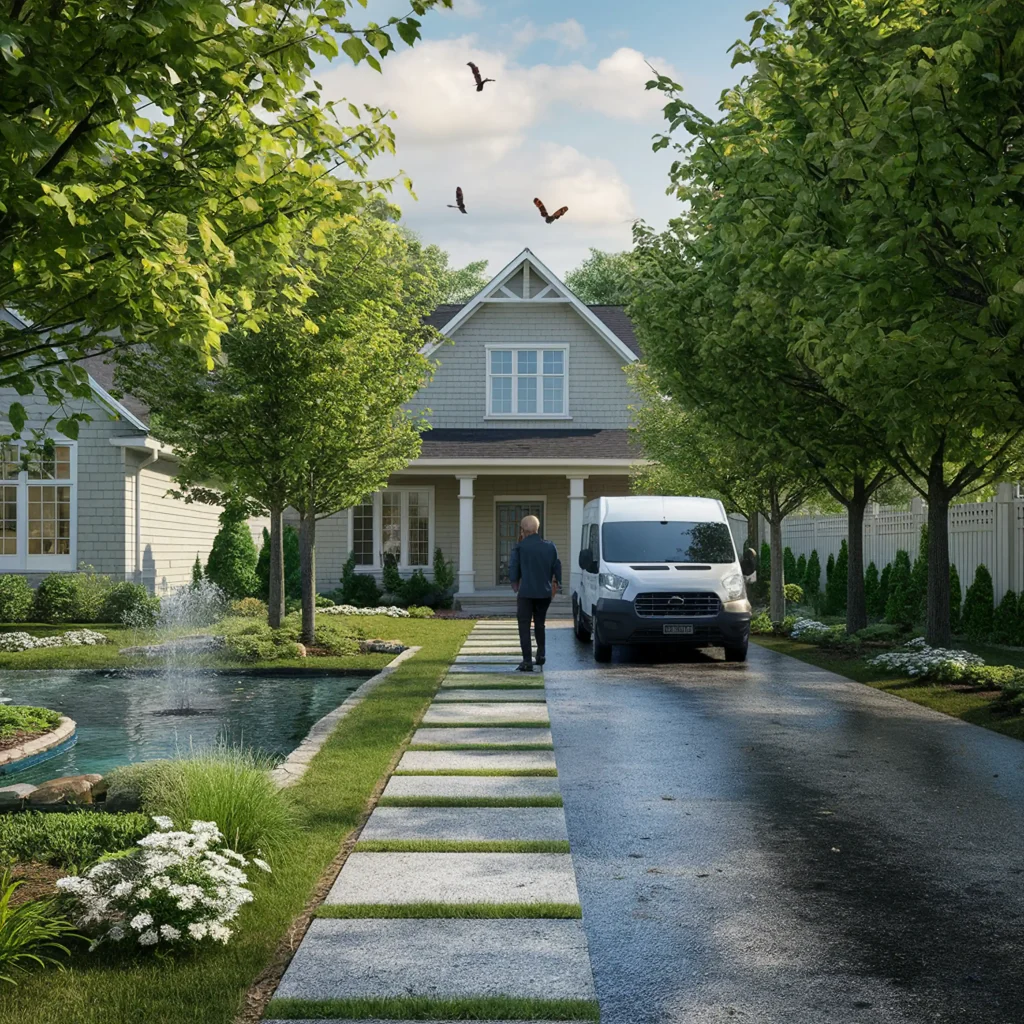
A person walks towards a house with a van parked on the driveway, surrounded by lush ground cover and trees, with a small pond on the left.
Here are some landscaping ideas to add value to your home, considering various budget levels:
Low-cost improvements
Boost curb appeal with fresh mulch, edging, and colorful flowers: Simple touches like fresh mulch, defined edging, and vibrant annuals can significantly enhance your home’s first impression.
Power wash walkways, patios, and siding: Cleaning exterior surfaces removes dirt and grime, making your home look brighter and more well-maintained.
Trim trees and shrubs: Improve sight lines and create a tidy appearance by trimming overgrown vegetation.
Add a pop of color with a painted front door: A fresh coat of paint on your front door can create a welcoming focal point.
Mid-range improvements: Hardscaping elements like walkways and patios are important for middle class properties. They create structure and usable outdoor areas that families can use as extended indoors. Well-designed paths can guide movement through the yard to different areas for leisure, play area, work or social gathering.
Install a low-maintenance patio or deck for outdoor entertaining: A dedicated outdoor space for relaxation and socializing is highly desirable to potential buyers.
Create a defined walkway with pavers or stepping stones: A well-defined pathway adds charm and guides visitors through your landscape.
Add a water feature like a small pond or fountain: The sound of water creates a tranquil atmosphere and can attract birds and other wildlife.
Plant low-maintenance evergreen shrubs: Evergreens provide year-round color and structure, minimizing upkeep.
High-end improvements: Functional areas add value especially in luxury properties. Outdoor living spaces, play areas, or vegetable gardens. These make the yard more useful and appealing. Water features can be attractive focal points. A small fountain or pond adds interest and a soothing atmosphere.
Design and install a custom landscape plan with lighting: A professional landscape design creates a cohesive and visually appealing outdoor space, while lighting enhances safety and ambiance.
Build an outdoor kitchen or fireplace: These features extend your living space and provide opportunities for entertaining and relaxation.
Install a swimming pool or spa: While a significant investment, a pool or spa can be a major selling point in certain climates and markets.
Create a multi-level deck with seating and shade areas: A multi-level deck adds dimension and functionality to your outdoor living area.
Should and how to hire landscape design firm?
To spruce up a typical 4,000 sq. ft yard in the US, expect a cost range between $18,000 to $72,000 or more. This estimate considers the average landscaping cost per square foot, which varies based on project complexity and materials used.
For a budget-friendly refresh, consider basic services like pruning, weeding, mulching, and adding new plants, that would cost you under $2,000 if the yard is not out of control. If you desire a more extensive transformation, expect higher costs for redesigning the layout, installing hardscaping features like patios or walkways, or incorporating significant new plantings.
The cost to spruce up a typical 500 sq ft yard by a landscape firm in the US can vary significantly depending on the scope of work, materials used, and the firm’s expertise you can expect to pay anywhere from $2,250 to $3,750 or more.
Person standing in front of a house with a large question mark looming above it under a cloudy sky, contemplating the best garden ground cover to use.
To hire a landscaping firm: The most important step is to obtain quotes from multiple landscape firms to compare their services and pricing before making a decision. Clearly communicate your budget and expectations to ensure you receive the best value for your investment.
Assess Your Needs and Budget: Determine the scope of your project, desired features, and a realistic budget that encompasses both design and installation costs. If needed, get help from a 3D visualization company such as TALLBOX to visualize your ideas.
Research and Identify Potential Firms: Look for reputable landscape firms in your area. Utilize online resources, read customer reviews, and explore their portfolios to find those that resonate with your style and budget.
Request and Compare Quotes: Reach out to your chosen firms, discuss your project in detail, and ask for comprehensive quotes. Evaluate their proposals, considering their expertise, communication style, and how well they align with your vision and budget.
Many landscape design firms now offer 3D renderings of proposed designs. These digital models let you visualize the final result before any work begins. You can see how new plants, hardscaping, and structures will look from different angles.
3D renderings help spot potential issues early. They allow you to make changes easily during the planning stage. This saves time and money compared to making changes once construction starts.
Ask firms if they provide 3D renderings as part of their design process. Some may charge extra for this service. Compare the quality of renderings between different firms. Look for realistic details and lighting.
3D models can also show how the landscape will change over time as plants grow. This helps you plan for the long-term look of your outdoor space.
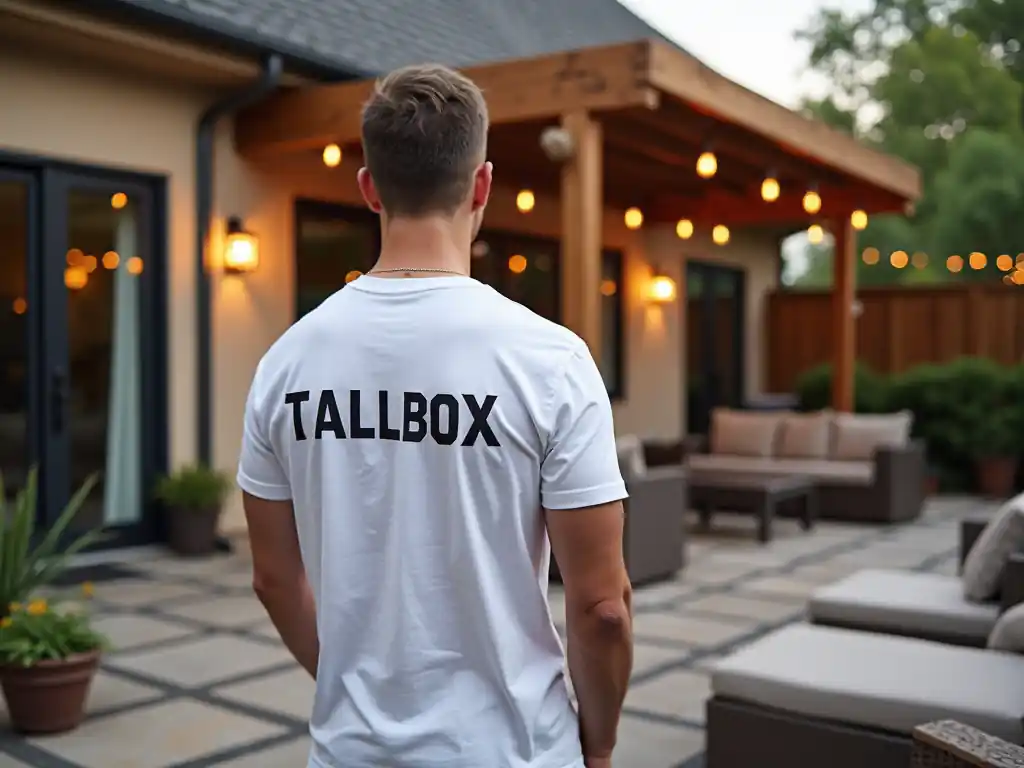
3D designer from "TALLBOX" standing on a patio with outdoor furniture and string lights hanging from a wooden pergola, surrounded by lush garden ground cover.
2 Easy Ways to Maximize Curb Appeal
A well-designed front yard can boost a home’s value and create a great first impression. Key elements include eye-catching focal points and a welcoming entrance area.
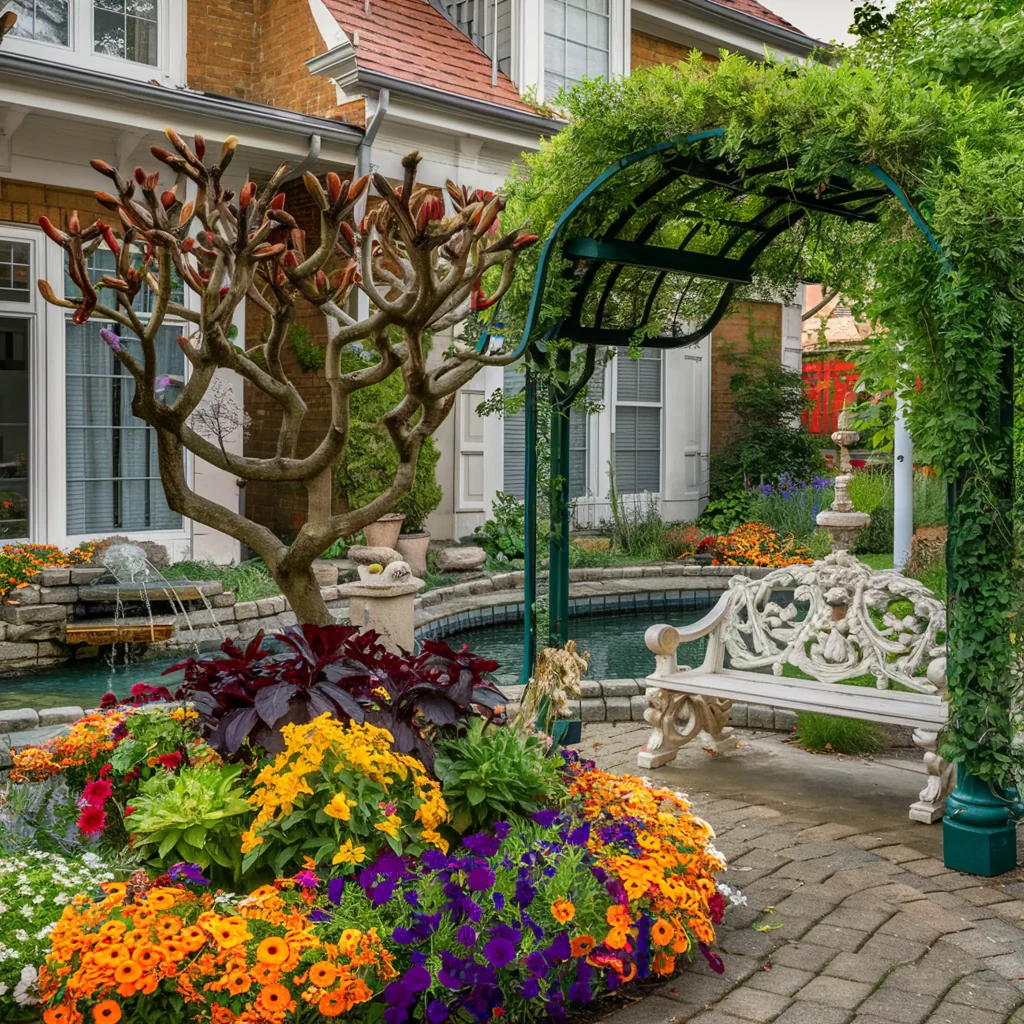
A lush garden with vibrant flowers, the best ground cover greenery, a decorative bench, an arched trellis, and a calm pond in the background.
Front Yard Focal Points
Striking focal points draw attention and add visual interest to a front yard. A large ornamental tree or colorful flower bed can serve as a central feature. Water features like fountains or small ponds also make great focal points.
A charming house entrance with symmetrical landscaping, blooming flowers, trees, and a stone path lined with the best ground cover leading to the front door.
Sculptural elements or garden art pieces can add personality. Consider placing a decorative bench, arbor, or trellis as a focal point. These items combine form and function.
Strategic lighting can highlight focal points at night. Use spotlights to illuminate trees or architectural features. Path lights can guide the eye to key areas.
Inviting Entryways
An inviting entryway sets the tone for the whole home. Start with a clear, well-maintained path to the front door. Use pavers, bricks, or stamped concrete to create an attractive walkway.
Frame the entrance with symmetrical plantings on either side of the door. Matching planters or topiaries add a polished look. A colorful wreath or stylish house numbers personalize the space.
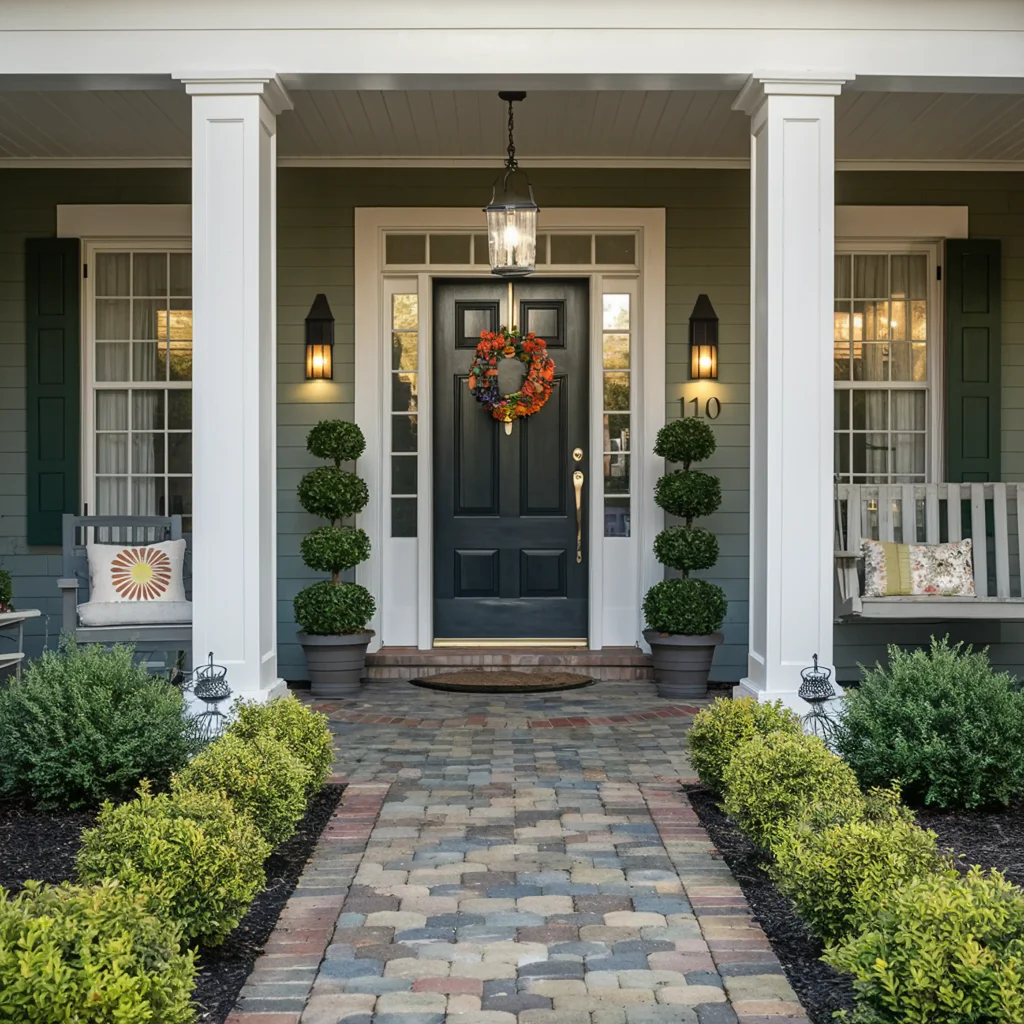
A neatly landscaped front porch with a green door, topiary plants, a wreath, white columns, and a brick pathway featuring the best ground cover to complete the charming garden look.
Add seating near the entrance if space allows. A porch swing or rocking chairs create a welcoming vibe. Ensure the area is well-lit with wall sconces or overhead lighting for safety and ambiance.
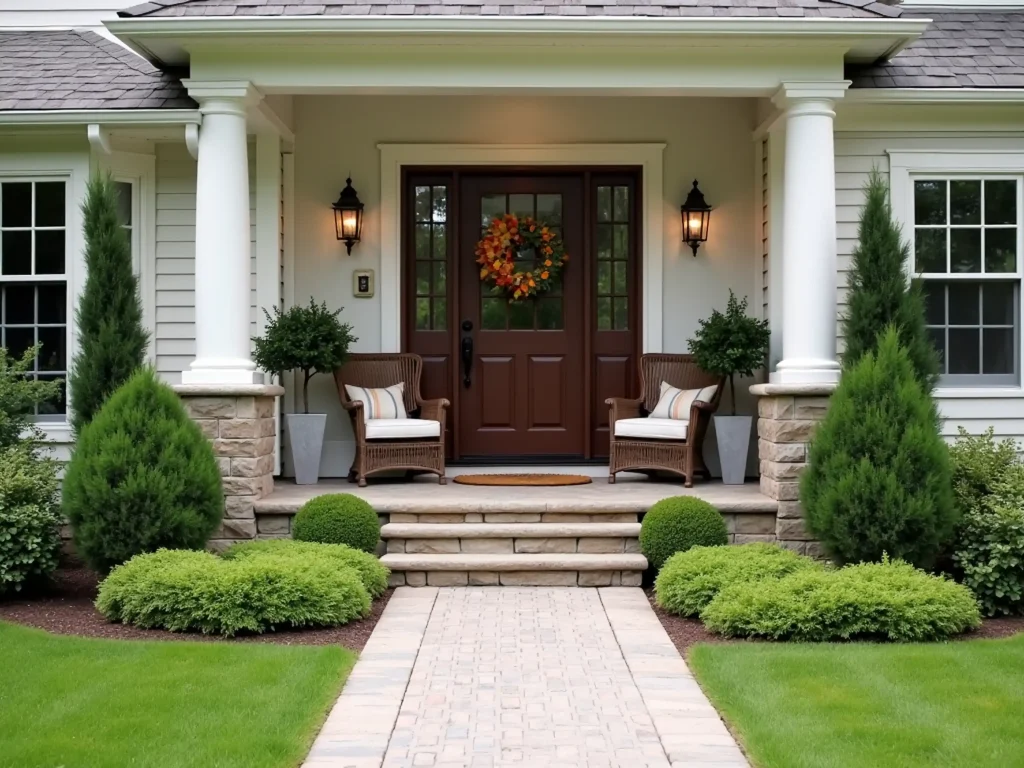
Front porch with two chairs, autumn wreath on the door, stone steps, and well-manicured greenery with the best ground cover in the front yard.
ADD EXTRA FUNCTIONAL SPACE IN THE YARD
Functional outdoor spaces add value to a home by creating usable areas that extend living space beyond the walls. They blend beauty with practicality to enhance daily life and boost property appeal.
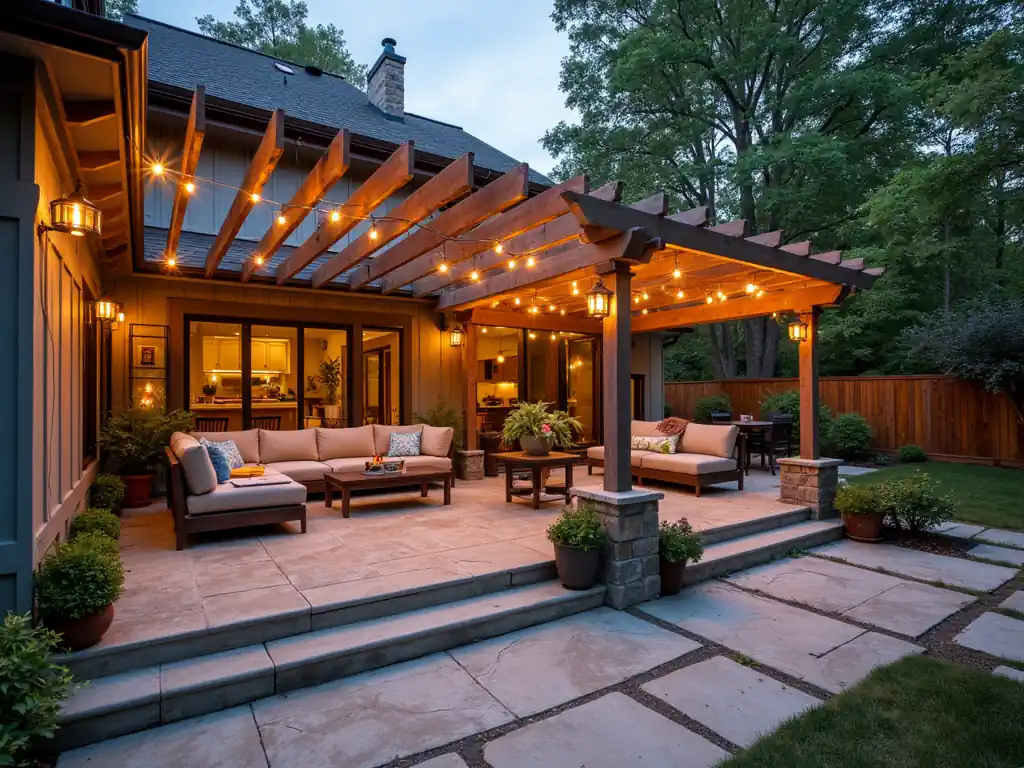
A cozy patio with string lights, outdoor furniture, and a pergola, set against a house with large windows and lush garden greenery.
Entertainment Areas
Patios and decks serve as key entertainment zones. A well-designed patio offers a spot for hosting gatherings or relaxing outdoors. Durable materials like stamped concrete or pavers work well for patios.
Decks expand living space and provide elevated views. Wood and composite are popular deck materials. Both need regular upkeep to stay in good shape.
Seating areas are crucial in entertainment spaces. Built-in benches save space and add style. Comfy outdoor furniture invites people to linger.
Shade features like pergolas or awnings make spaces usable on hot days. Lighting extends use into evening hours. String lights create a fun vibe for parties.
Backyard view of a house with a lit patio, seating area, string lights, fireplace, and a landscaped garden featuring the best ground cover at sunset.
Outdoor Kitchens
Outdoor kitchens let homeowners cook and dine al fresco. A basic setup might include a grill, counter space, and a small fridge. Fancy versions add pizza ovens, sinks, and bar areas.
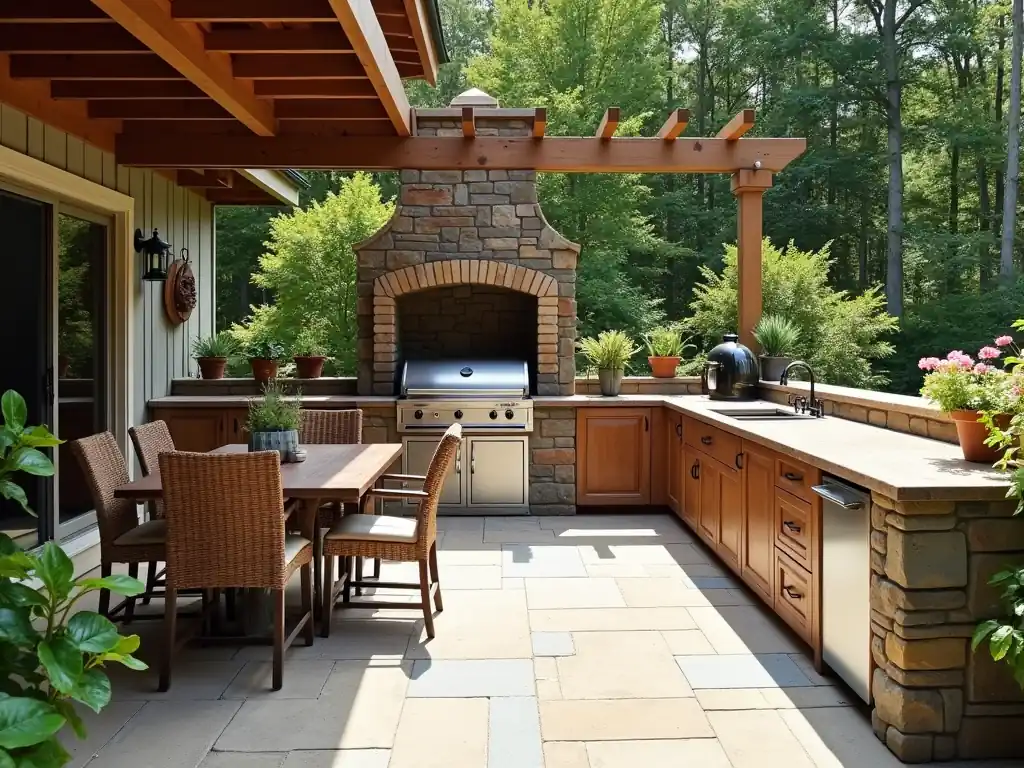
Outdoor kitchen with a stainless steel grill, wooden cabinets, and a dining table set on a stone patio under a pergola, perfect for those who love gardening and want the best ground cover for their garden.
Weather-resistant cabinets provide storage for cooking tools and dishes. Granite or concrete countertops stand up well to outdoor use.
Good ventilation is key for comfort and safety. A pergola or partial roof can offer some protection from sun and rain.
Proximity to the indoor kitchen helps with prep and cleanup. But the outdoor kitchen should feel like its own space.
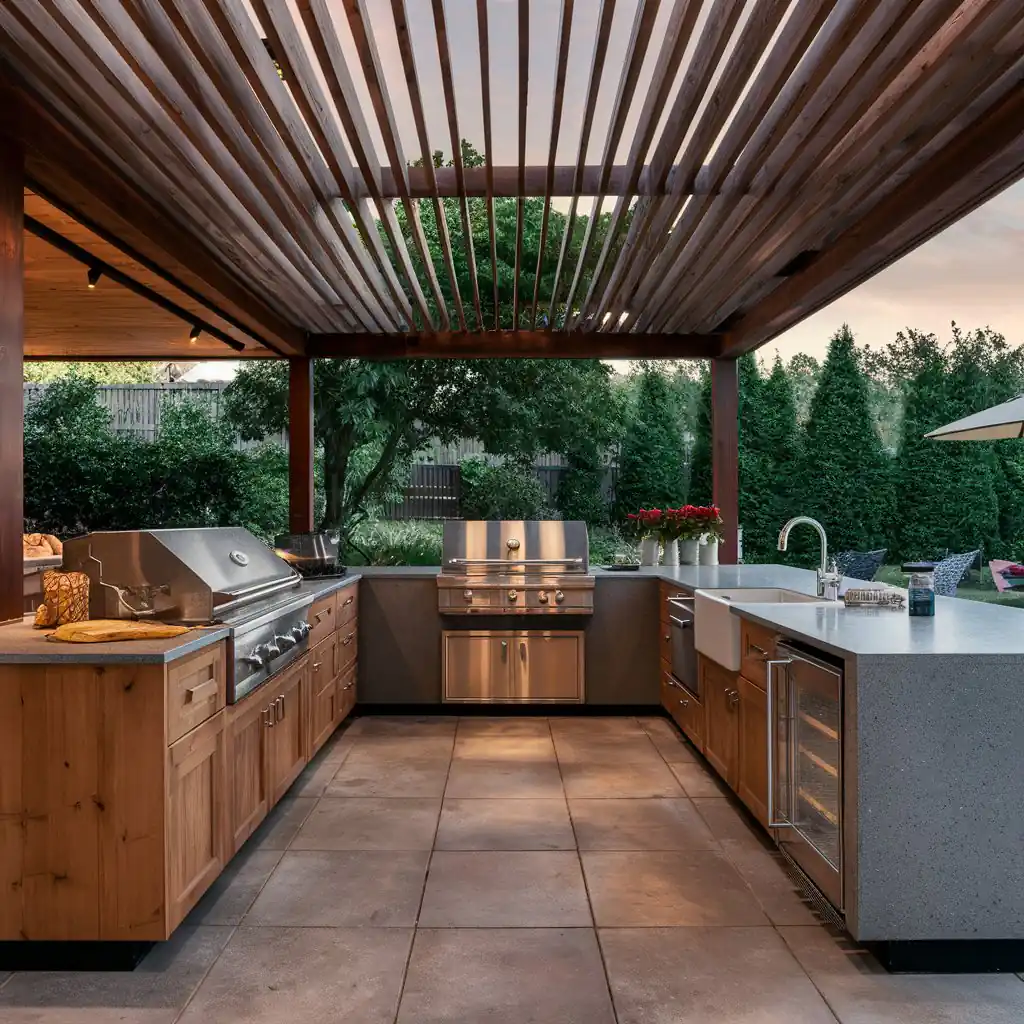
Outdoor kitchen with modern stainless steel appliances, a wooden pergola, and stone countertops nestled in a beautifully landscaped backyard perfect for gardening.
Recreational Features
Pools are a classic recreational feature. They offer exercise, fun, and a focal point for the yard. In-ground pools add more value than above-ground options.
Hot tubs provide year-round relaxation. They need less space and upkeep than full pools.
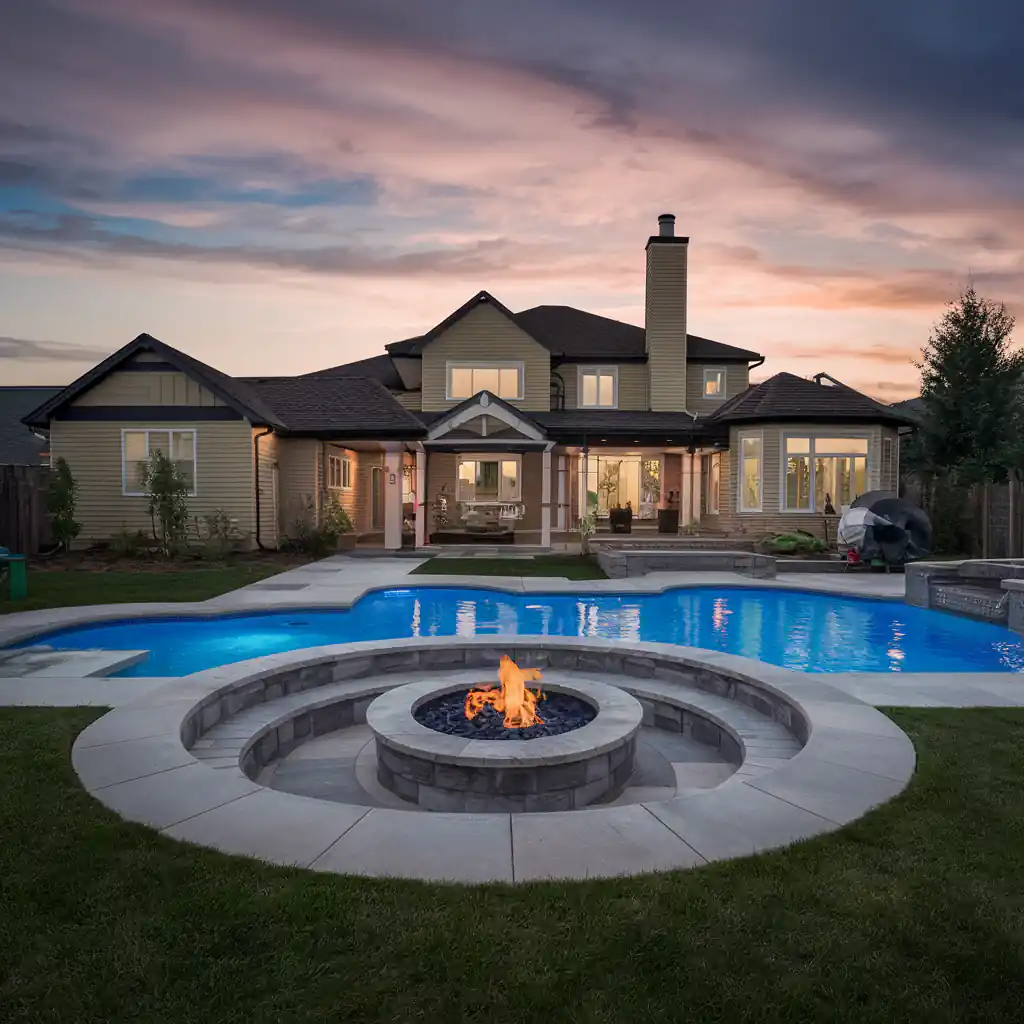
Backyard at sunset featuring a pool, fire pit, patio furniture, and a two-story house with large windows in the background. Best ground cover plants line the patio, adding a lush touch to the elegant setting.
Sport courts like basketball or tennis appeal to active families. A flat, paved area can serve multiple purposes.
Play areas for kids might include swing sets, sandboxes, or climbing structures. Safe surfacing is important to prevent injuries.
Fire pits create cozy gathering spots. They can be simple or elaborate, depending on budget and style preferences.
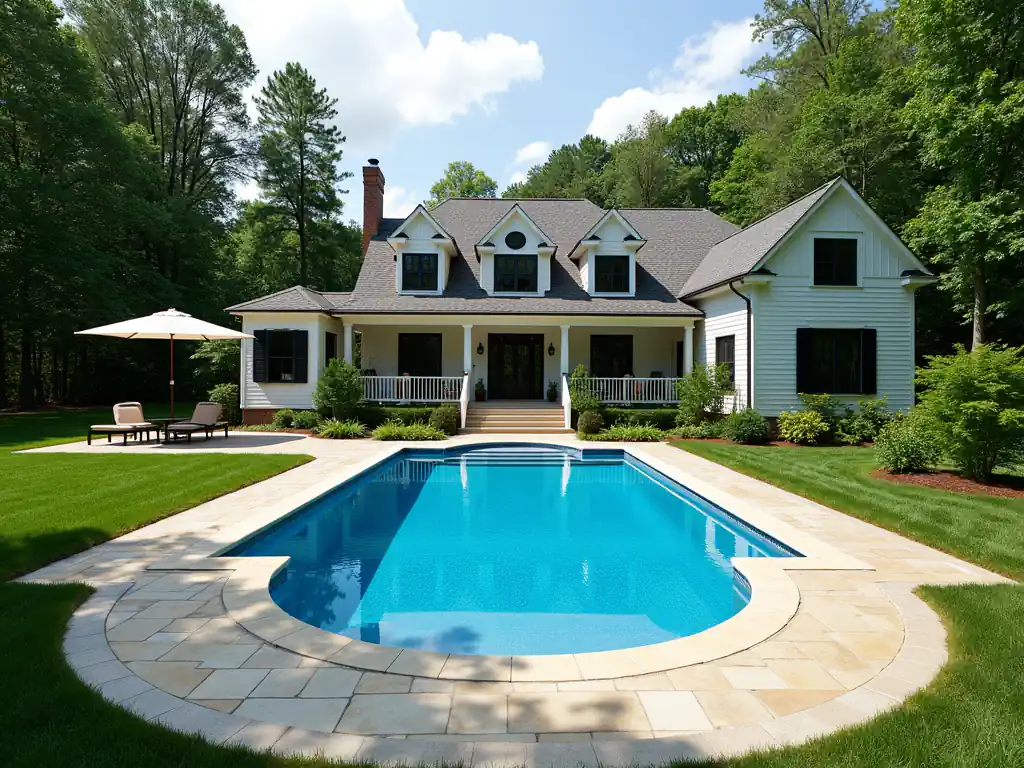
A beautiful white house with a large front porch and a swimming pool in the backyard, surrounded by lush greenery and the best ground cover for avid gardening enthusiasts.
Green Landscaping Strategies
Sustainable landscaping adds value to homes while helping the environment. It cuts costs, boosts curb appeal, and creates a healthy outdoor space.
Native Plant Selection
Native plants are key to sustainable landscapes. They’re adapted to local conditions and need less care. This means lower water bills and less work for homeowners.
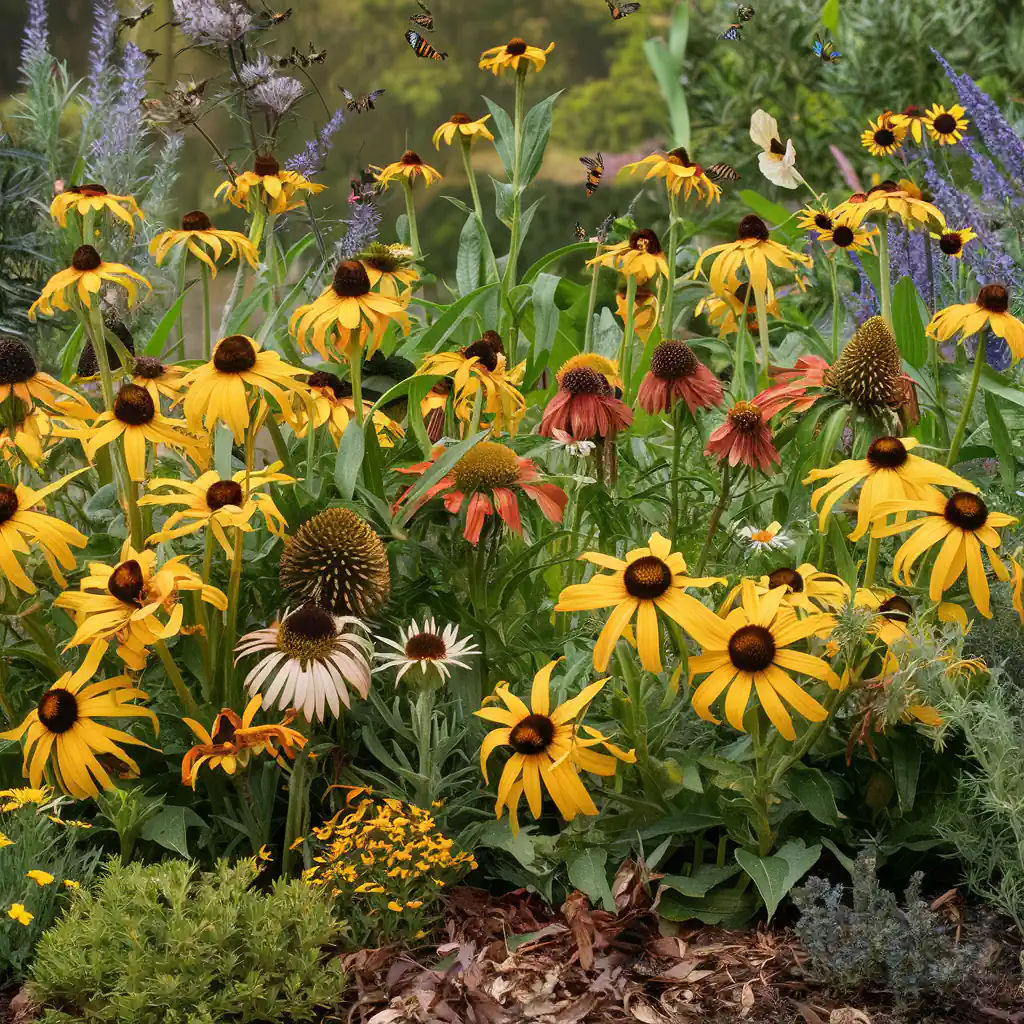
A vibrant garden with yellow sunflowers, purple flowers, and butterflies flying around showcases some of the best ground cover options for avid gardening enthusiasts.
Native plants support local wildlife too. They provide food and shelter for birds, bees, and butterflies. This creates a lively backyard ecosystem.
Some popular native plants include:
Black-eyed Susans
Coneflowers
Butterfly weed
Milkweed
These plants are tough and beautiful. They bloom for months and add color to any yard.
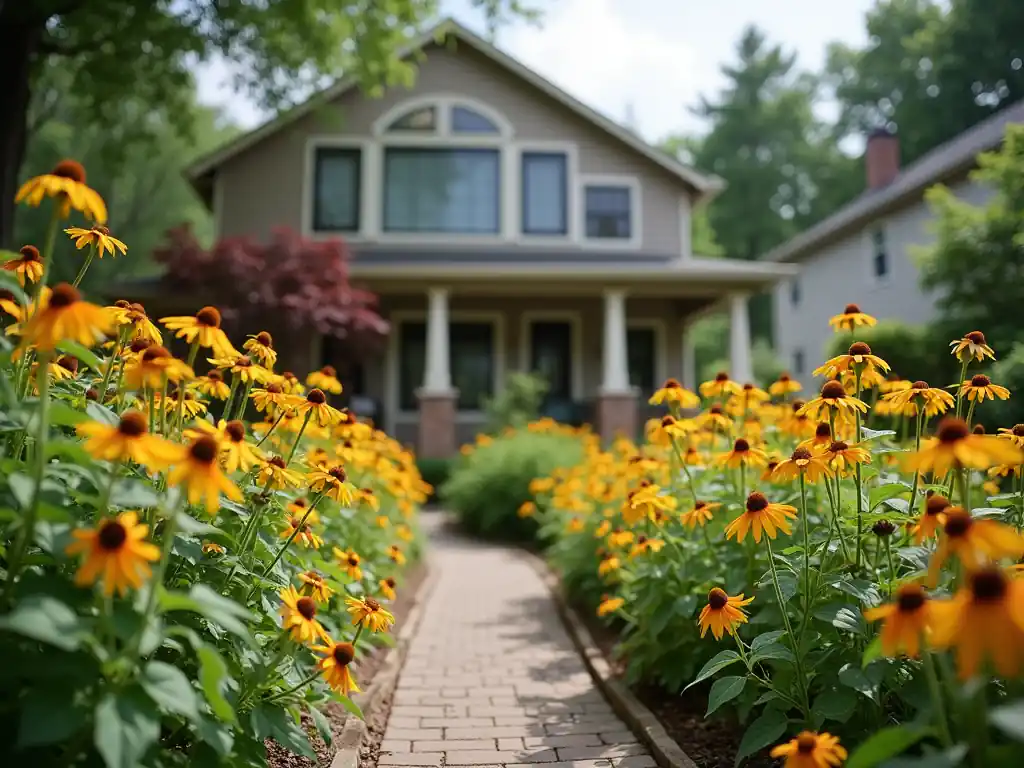
A quaint house with a front porch and manicured lawn, surrounded by lush gardens featuring the best ground cover and blooming yellow flowers on a sunny day.
Water-Efficient Landscape
Water-smart designs save money and help the planet. They use less water but still look great.
Drip irrigation is a smart choice. It delivers water right to plant roots. This cuts waste and keeps plants healthy.
Yellow flowers line a brick pathway, enhancing the garden's charm, leading to a two-story house with a front porch on a bright summer day. This could be your best ground cover choice for an inviting touch.
Eco-Friendly Materials
Choosing green materials boosts a home’s eco-value. Recycled or local products are best.
Permeable paving is a top pick. It lets water soak into the ground instead of running off. This helps prevent flooding and water pollution.
Some eco-friendly material options:
Recycled plastic lumber for decks
Salvaged stone for walls
Local wood for fences
These choices cut transport costs and support local businesses. They also give landscapes a unique, natural look.
Using mulch from tree trimmings is smart too. It’s free, cuts waste, and helps soil health.
Year-Round Interest
Evergreen trees and shrubs form the backbone of a four-season landscape. They provide color and structure even in winter. Deciduous trees with interesting bark or branches add visual appeal when bare. Hardscaping elements like stone walls, paths, and water features remain constant throughout the year.
Ornamental grasses offer texture in summer and fall. Their dried plumes can create winter interest. Perennials with long-lasting seed heads, like coneflowers or black-eyed susans, provide food for birds and winter beauty.
Seasonal Planting Strategies
Spring-flowering bulbs like tulips and daffodils bring early color. Summer perennials and annuals offer a mix of blooms and foliage textures. Fall-blooming plants like asters and chrysanthemums extend the flowering season.
A garden pathway lined with vibrant green shrubs and plants, complemented by the best ground cover that enhances the beauty of this serene space.
Choose trees and shrubs with multiple seasons of interest. Dogwoods have spring flowers, summer berries, and fall color. Witch hazel blooms in late winter. Berry-producing plants attract birds and add color to the winter landscape.
Group plants with similar needs for easy care. Use native plants adapted to local conditions for a low-maintenance yard that supports wildlife.
Use Low-Maintenance Landscaping
Low-maintenance landscaping can boost a home’s value while reducing time and effort spent on upkeep. Homeowners can create an attractive yard that’s easy to care for with smart design choices.
Concrete pavers are a popular option for patios, walkways, and driveways. They require little maintenance and add visual appeal to outdoor spaces.
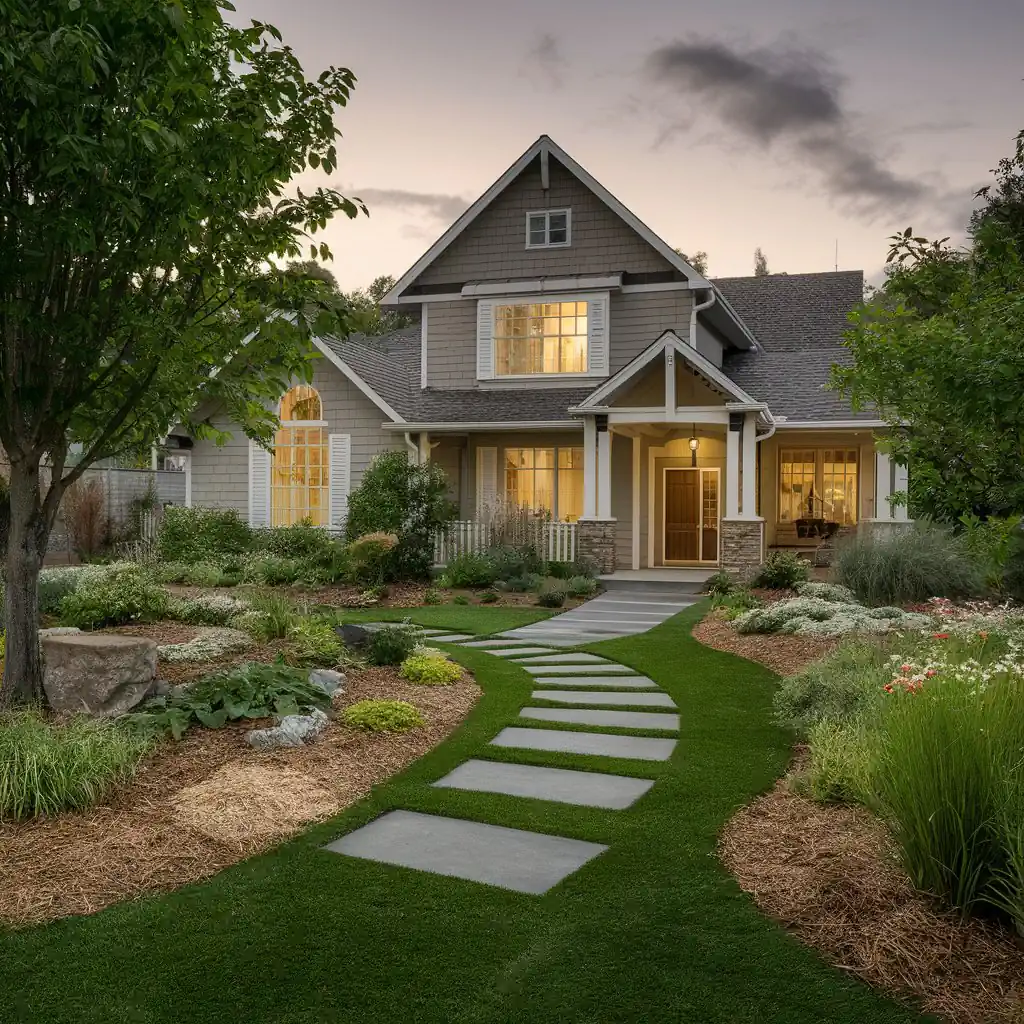
A charming two-story house with a well-lit interior, landscaped yard, stone path, and the best garden ground cover enhancing the greenery at dusk.
Artificial turf is another low-maintenance choice. It stays green year-round without watering, mowing, or fertilizing. In addition to being low-maintenance, artificial turf is also durable and can withstand heavy foot traffic without becoming worn or muddy. This makes it a great option for high-traffic areas like playgrounds or sports fields. In comparison to natural grass, artificial turf also reduces the need for pesticides and herbicides, making it an environmentally-friendly choice. When considering ground cover options, artificial turf is a practical and cost-effective solution for areas where traditional grass may not thrive.
Native plants adapted to the local climate need less care than non-native species. They often thrive with minimal watering and fertilizer.
Mulch helps retain moisture and suppress weeds in garden beds. It also gives a neat, finished look to landscaped areas.
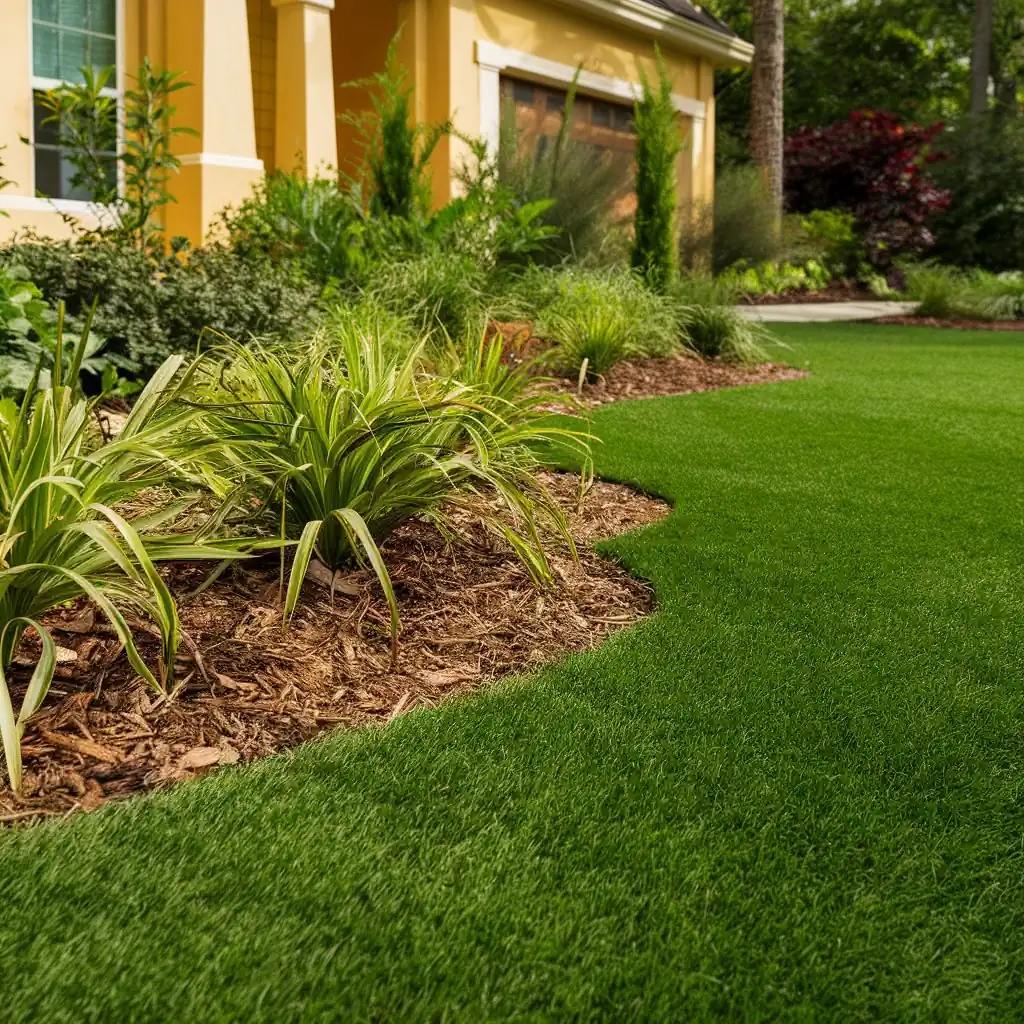
A well-maintained garden with lush grass, ornamental plants, and mulch in front of a yellow house with shrubs and trees.
Clumping monkey grass makes an excellent low-maintenance border plant. It’s easy to grow and requires little attention.
Shrubs that don’t need frequent pruning are ideal for fuss-free yards. Slow-growing varieties maintain their shape with less trimming.
Automatic irrigation systems save time and ensure plants get the right amount of water. Drip systems are efficient and reduce water waste.
Ornamental grasses with tall, feathery, wheat-like plumes line a well-maintained green lawn beside a red house, providing the best ground cover for this charming garden.
Rock gardens with drought-tolerant plants create visual interest without demanding much care. They work well in dry climates.
By focusing on these low-maintenance elements, homeowners can create an attractive landscape that adds value without constant work.
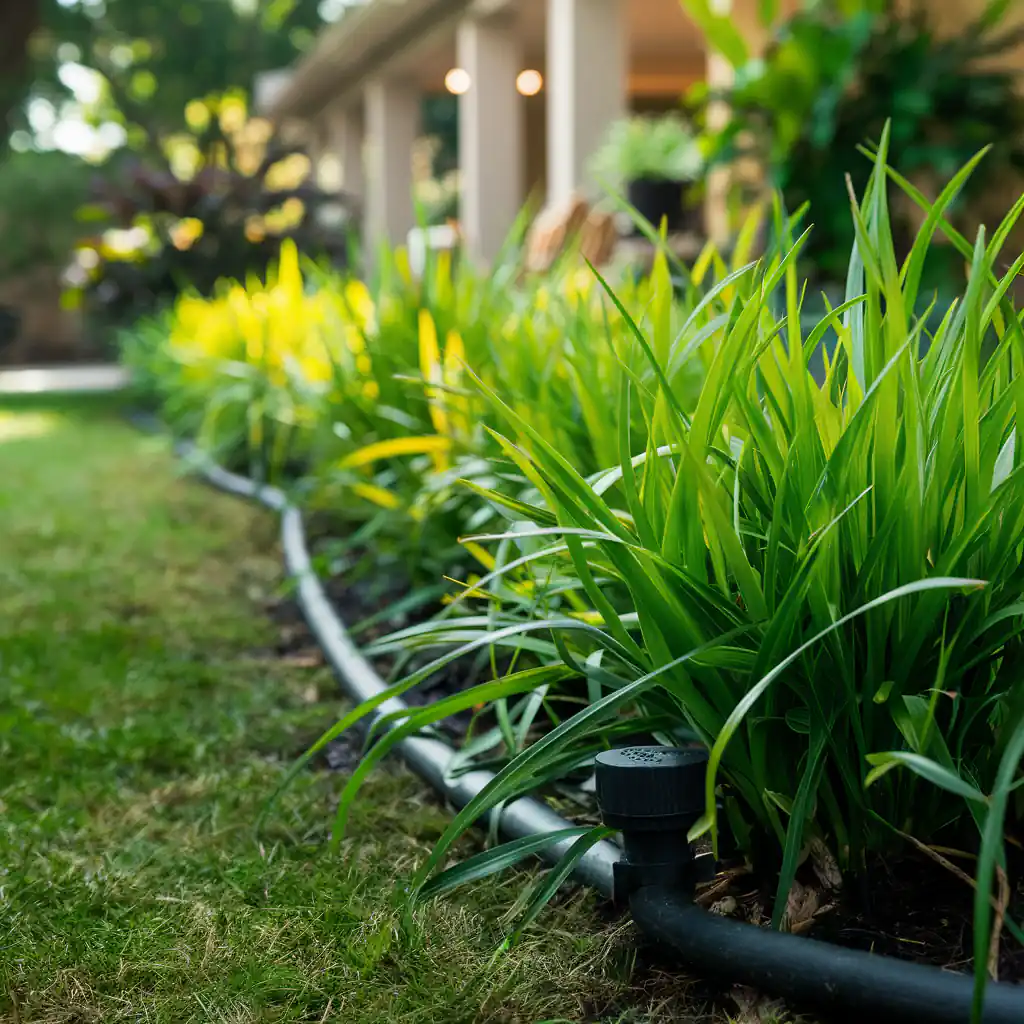
Close-up of lush green plants lining a garden path with a black sprinkler system on the edge, house in the background. Discover the best ground cover for your garden oasis.
Enhance Privacy and Security with Landscaping
Strategic landscape design can significantly boost a home’s privacy and security. Well-planned outdoor spaces create natural barriers and use lighting to deter intruders while adding value and beauty.
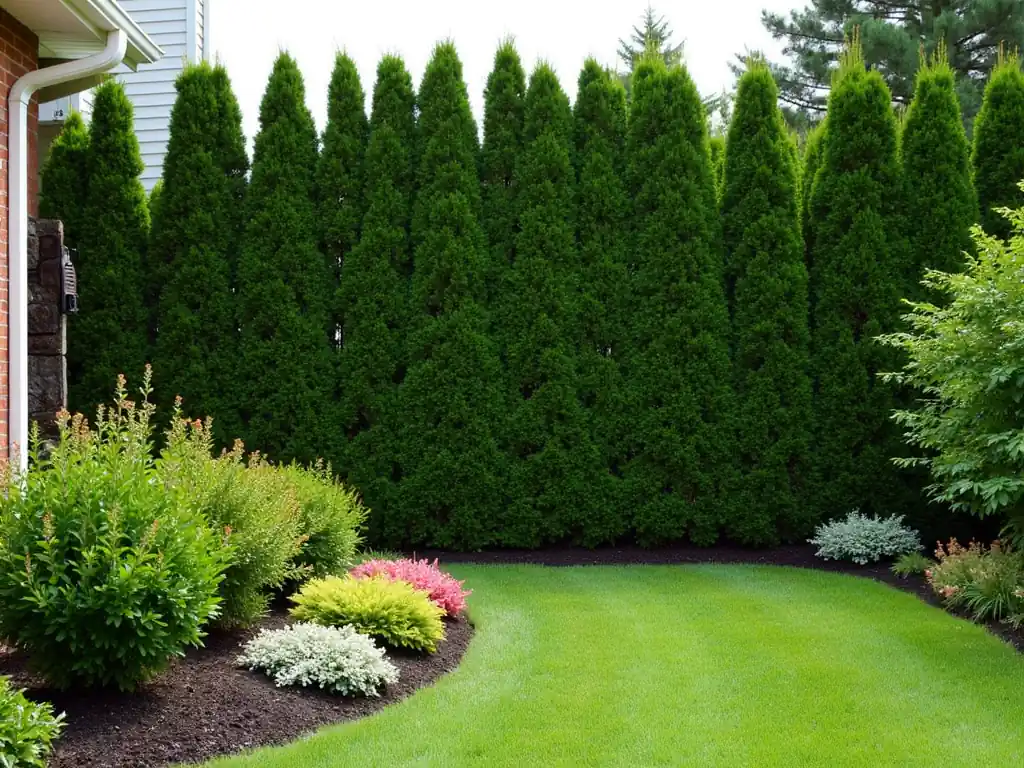
A backyard with a well-manicured lawn, various shrubs, and a tall evergreen hedge along the back boundary creates a stunning garden.
Natural Barriers
Plants make great privacy screens and security features. Tall evergreen trees like arborvitae or cypress form dense living walls. Fast-growing bamboo creates quick coverage. Thorny shrubs like barberry deter trespassers.
Pathway surrounded by lush greenery and plants, featuring the best ground cover, leads to a wooden gate in a tranquil garden.
Mix different plants for a natural look. Layer smaller shrubs in front of taller trees. Use climbing vines on fences or trellises for vertical greenery. Choose native species when possible for easier care.
Place plants strategically around property lines and windows. Create winding paths through gardens to slow foot traffic. Use hedges to block sightlines from the street or neighbors.
Lighting for Security
Good outdoor lighting deters criminals and creates a welcoming ambiance. Install motion-sensor lights near entry points and dark corners. Use low-voltage landscape lighting to illuminate walkways and gardens.
Uplighting on trees and architectural features adds drama while improving visibility. Solar-powered lights offer eco-friendly options for remote areas. Timers and smart controls let you manage lighting remotely.
Mix different light types and intensities. Bright flood lights for security pair well with softer accent lights. Avoid harsh glare or light pollution that bothers neighbors. Well-lit outdoor spaces extend living areas and boost property value.
What landscaping would affect most the value?
When dealing with a property that has a poorly maintained or unattractive landscape, real estate agents typically recommend the following steps to improve its appeal and marketability. Depending on the type of market, location, price bracket of house, and condition, the basic clean-up of the yard and front patio is a must; everything else, as upgrades (new fence, new plants, facade cleanup, or landscaping projects) depends on the budget for marketing.
Focus on Basic Clean-Up: Start with a clean slate by removing weeds, dead plants, and debris. Mowing the lawn, trimming overgrown bushes, and edging the walkways are simple steps that can quickly improve the property’s appearance. Even minor clean-up efforts can make a significant difference.
Invest in Simple, Cost-Effective Upgrades: If the budget is limited, agents often suggest affordable upgrades like adding fresh mulch, planting a few hardy, low-maintenance plants, or placing potted flowers near the entrance. These small touches can create a more welcoming and polished look without a large investment.
Prioritize Curb Appeal: The front yard is crucial because it’s the first thing potential buyers see. Agents might recommend focusing efforts here, ensuring that the lawn is green and trimmed, the driveway is clear, and the entryway is inviting. Simple enhancements like a new welcome mat or a few decorative plants by the front door can create a positive first impression.
Highlight Potential, Not Problems: If the landscape is beyond a quick fix, agents will often advise highlighting the property’s potential. This can be done by providing buyers with ideas for easy improvements or even offering a landscaping allowance as part of the sale. Agents might suggest staging the backyard with a few pieces of outdoor furniture to show how the space could be used.
Consult a Landscaping Professional: For properties in need of more extensive work, agents might recommend consulting a professional landscaper for advice or a quick makeover. A well-designed landscape can transform a property’s look and appeal, making it easier to sell. Even getting a professional plan that buyers can execute later can be valuable.
Agent's Advice for a Property with Poor Landscaping?
Improvement
Average Cost
Potential Value Increase
Mature Tree Planting
$300-$5000 per tree
3-15%
Professional Landscape Design
$2000-$7000
Up to 15%
Patio or Deck Installation
$4000-$20000
80-100% ROI
Water Feature
$1500-$8000
1-2%
Properties with functional outdoor living spaces would gain the most value out of the updated yard. Typically, extended outdoor living spaces will get as much as 20% ot even 25% when comparing apples to apples.
This includes elements like:
Mature Trees:
Can increase property value by 3-15%
Provide shade, reduce energy costs, and enhance aesthetics
Best varieties: oak, maple, and fruit trees
Well-Maintained Lawn:
Contributes to overall curb appeal
Regular mowing, edging, and fertilizing are crucial
Consider drought-resistant grass varieties for water efficiency
Professional Landscape Design:
Can add up to 15% to home value
Ensures cohesive and attractive outdoor spaces
Includes elements like pathways, garden beds, and outdoor lighting
Outdoor Living Spaces:
Patios, decks, and outdoor kitchens are highly desirable
Can recoup 80-100% of investment at resale
Focus on functional, low-maintenance designs
Water Features:
Add a sense of tranquility and luxury
Options include fountains, ponds, and small waterfalls
Proper installation and maintenance are key to avoiding issues
How to select Right Landscaping Approach?
When choosing the best landscaping approach for your home, it’s important to consider your goals, budget, and local environment. Here’s how to make a clear and simple choice:
Understand Your Goals: Decide what you want from your landscape. Are you looking to boost curb appeal, create a space for relaxation, or support local wildlife? Your goals will guide your decisions.
Assess Your Budget: Landscaping can range from affordable to high-end. Set a budget that works for you. Simple projects like planting native flowers or adding mulch are cost-effective, while larger projects like installing a patio or irrigation system will require more investment.
Consider Your Environment: Look at the natural conditions of your area. Native plants are often the best choice because they’re adapted to the local climate and require less maintenance. If water conservation is important, opt for drought-resistant plants and water-efficient
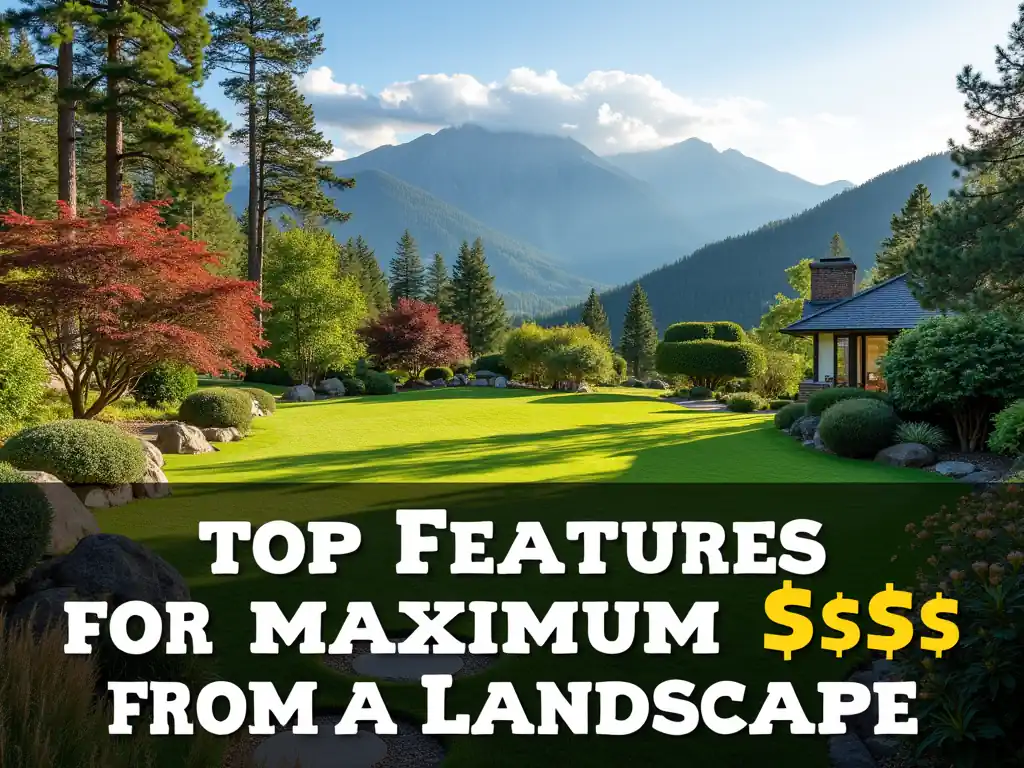
Top Features for Maximum $$$ from a Landscape
Checklist for Selecting the Right Landscaping Approach
Assess Your Property
Evaluate soil type and quality
Determine sun exposure in different areas
Identify existing vegetation and features
Note drainage patterns and potential issues
2. Consider Local Factors
Research local climate and typical weather patterns
Check local water restrictions and conservation guidelines
Review neighborhood standards and HOA regulations
Investigate local plant species that thrive in your area
3. Define Your Goals
Determine primary use (e.g., entertaining, relaxation, gardening)
List desired features (e.g., patio, water feature, garden beds)
Consider maintenance preferences (low vs. high maintenance)
Decide on style (e.g., modern, traditional, naturalistic)
4. Budget Considerations
Set an overall budget for the project
Allocate funds for different elements (hardscaping, plants, features)
Factor in long-term maintenance costs
Consider potential ROI for different improvements
5. Sustainability and Efficiency
Plan for water-efficient irrigation systems
Choose native or drought-resistant plants
Incorporate permeable surfaces for better drainage
Discuss timeline and phasing options for larger projects
7. Long-Term Planning
Consider how the landscape will mature over time
Plan for seasonal changes and year-round appeal
Think about future expansions or modifications
Develop a maintenance schedule and plan
8. Permit and Regulations
Check local zoning laws and building codes
Obtain necessary permits for major changes (e.g., structures, tree removal)
Ensure compliance with local environmental regulations
9. Integration with Home Architecture
Ensure landscaping complements your home’s style
Plan for proper drainage away from the house foundation
Consider views from inside the home
10. Functionality and Accessibility
Design for easy movement through the space
Include appropriate lighting for safety and ambiance
Consider accessibility needs for all family members
Plan for outdoor storage solutions if needed
Should you hire a designer for your landscape project if you are selling?
Hiring a landscape designer when selling your home can be a smart investment, but it depends on several factors such as location, type of property, budget, time of the year, and market conditions. For example. if you’re in a place like Lubbock, besides just asking around to find a landscaper Lubbock residents trust, make sure to have the work done in spring and early fall, as the milder weather then will help yield better results
If maximizing your property value and attracting buyers quickly are priorities, a professional design may be a worthwhile investment. If budget is a concern, consider alternatives like a consultation or focusing on DIY upgrades.
Consider these points before making your decision:
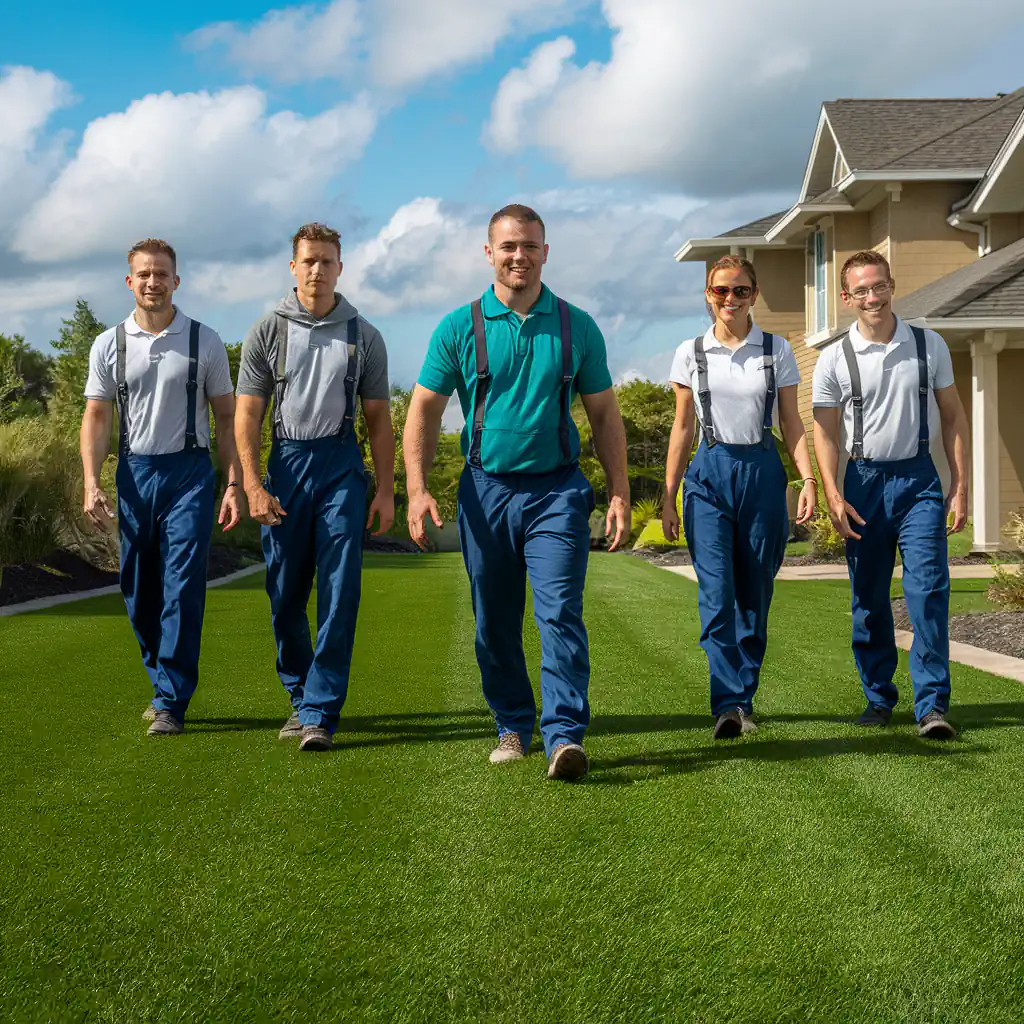
A group of five people in matching uniforms walking on a well-manicured lawn towards the camera, with charming houses and a verdant garden in the background.
Extensive Project: If you’re undertaking major renovations or creating new outdoor spaces, a designer ensures a cohesive and functional plan. Lack of Expertise: If you lack landscaping knowledge, a designer can provide guidance and prevent costly mistakes. Maximizing ROI: If you’re aiming for top dollar, a professional design can help you achieve the highest possible return on investment.
Consultation: If your budget is limited, consider a one-time consultation for expert advice. DIY with Online Resources: Numerous online tools and resources can assist with basic landscaping plans and plant selection. Focus on Simple Upgrades: Prioritize low-cost improvements like fresh mulch, pruning, and colorful plantings.
Potential Benefits:
Increased Curb Appeal: A professional design can significantly boost your home’s first impression, attracting more potential buyers. Higher Perceived Value: A well-landscaped yard suggests a well-maintained property, often leading to higher offers.
Faster Sale: Studies indicate that homes with attractive landscaping tend to sell faster than those without. Targeted Design: A designer can tailor the landscape to appeal to your ideal buyer demographic.
Factors to Consider:
Budget: Landscape design and installation can be costly. Weigh the potential return on investment against your budget. Timeframe: Landscaping projects can take time. Ensure the work can be completed before you list your home. Property Value and Location: A high-end landscape may not be worthwhile for lower-priced homes or less desirable locations. Local Market: Research what buyers in your area prioritize in landscaping.
This website uses cookies to improve your experience. We'll assume you're ok with this, but you can opt-out if you wish.Accept
Privacy & Cookies Policy
Privacy Overview
This website uses cookies to improve your experience while you navigate through the website. Out of these cookies, the cookies that are categorized as necessary are stored on your browser as they are as essential for the working of basic functionalities of the website. We also use third-party cookies that help us analyze and understand how you use this website. These cookies will be stored in your browser only with your consent. You also have the option to opt-out of these cookies. But opting out of some of these cookies may have an effect on your browsing experience.
Necessary cookies are absolutely essential for the website to function properly. This category only includes cookies that ensures basic functionalities and security features of the website. These cookies do not store any personal information.