Architecture competitions provide a great opportunity for students to display their creativity, improve their skills, and gain valuable experience in the field. This article covers key aspects of participating in these competitions, including their purpose and the skills and tools needed for success. We also cover best practices and common mistakes to avoid. Whether you’re an aspiring architect or just interested in the process, find insights to enhance your competition experience.
Want to get 3D rendering for your architecture competition project?

George is a seasoned interior designer and property marketing strategist with over 13 years of experience. He specializes in transforming properties into visually stunning spaces, helping clients recognize the potential and beauty in each property. With an impressive international client base of exciting projects throughout Europe and America.

Whether you’re drawn to sustainable housing challenges or cultural landmark designs, architecture student contests or competitions can shape your portfolio, expand your network, and enhance your design philosophy. But success doesn’t come from talent alone; it requires strategic preparation and a methodical approach that alters your creative vision into a winning submission.
What Are Architecture Competitions?
There are a few architecture contests split into distinct categories, including open design competitions, project competitions, and invited competitions, each serving different purposes and audiences.
Open design and idea competitions offer you the broadest opportunity for participation, as they’re accessible to anyone meeting basic criteria. These competitions are particularly significant for students and emerging designers, providing platforms to showcase innovative thinking and gain recognition in the field.
You’ll find these opportunities advertised in online magazines and national newspapers.
Architecture competitions challenge designers, architects, and students to demonstrate their creativity and innovative design solutions. Participants are often invited to create unique projects, from temporary pavilions like those in Red Square to larger urban planning schemes.
Focusing on both aesthetics and functionality, these competitions encourage critical thinking and offer participants the chance to gain media attention and recognition. They are especially important for emerging architects aiming to build their reputation in the field.
Project or ideas competitions can focus on real-world applications or theoretical concepts, allowing you to develop solutions for actual or hypothetical scenarios. When participating in two-stage competitions, you’ll need to prepare for an initial proposal submission followed by a more detailed development phase if selected. Successful entries often demonstrate value-for-money solutions through innovative approaches and efficient design strategies.
This format particularly suits complex projects where you’ll receive important jury feedback between stages. Understanding these competition structures helps you allocate your resources effectively and choose competitions that align with your capabilities and goals.
What Is the Purpose of Architecture Competitions?
The main goal of architecture competitions is to encourage creative design solutions and support learning among participants. They offer emerging architects a chance to showcase their work, submit their projects for evaluation, and receive feedback from experienced professionals.

These competitions allow participants to engage in thorough research, enhancing their understanding of architectural principles and trends. The environment promotes critical thinking as individuals tackle design challenges and consider different viewpoints. This process often results in innovative ideas, expanding creative boundaries.
- Participants gain recognition, which can lead to future opportunities.
- Winning awards boosts careers and confidence.
- Networking opportunities connect new architects with industry experts, potentially leading to collaboration on future projects and winning competitions.
Participating in these activities can significantly influence architects’ educational journeys, impacting their professional paths for the long term.
Why Should Students Participate in Architecture Competitions?
Participating in architecture competitions gives students a chance to improve their skills, gain practical experience, and work with peers. This can significantly enhance their career prospects by honing their design and presentation skills, and open up future opportunities in architecture.
How Can Architecture Competitions Help with Career Opportunities?
Architecture competitions provide a platform for students to further their careers through exposure, networking opportunities, and recognition that can draw the attention of employers and industry leaders.
By participating in these contests, students improve their design skills and build important connections with peers and professionals in the field. This experience helps in forming relationships that may lead to internships, mentorships, and job offers.
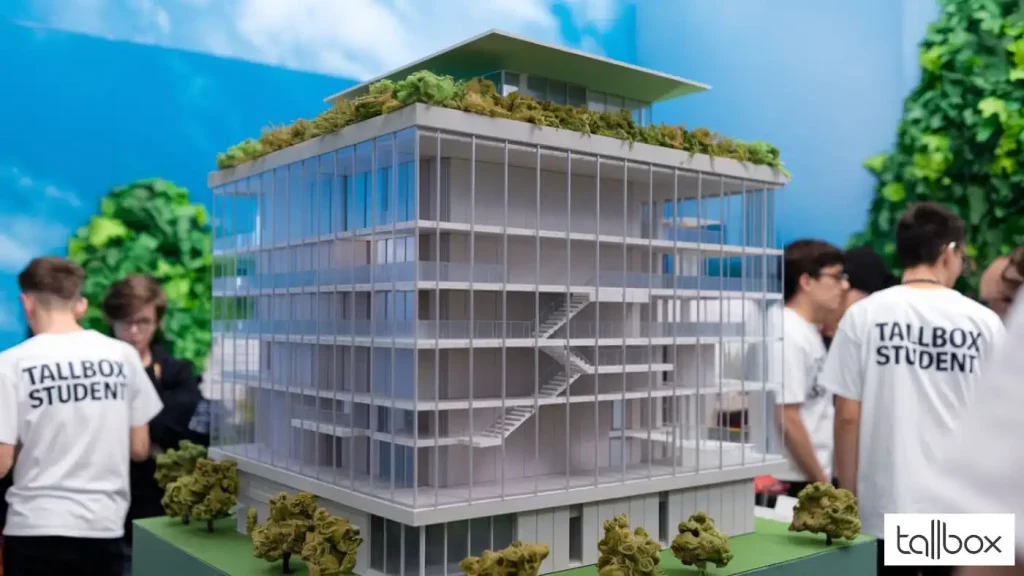
Students also gain practical insights into project management and teamwork under tight deadlines. These experiences contribute to a stronger resume, highlighting a proactive approach to career development.
In the end, these achievements and experiences can greatly enhance a student’s opportunities in architecture, making them a more appealing candidate to employers.
When Is the Right Time to Start Preparing for Competitions?
The best time to start preparing for architecture competitions is early in a student’s academic journey. Building strong research skills, mastering design fundamentals, and understanding competition guidelines can greatly improve their chances of success.

To excel in architecture competitions, students need a combination of technical skills in design, a solid understanding of the design process, and the ability to think critically and creatively about their projects.
They should also be skilled in visualization and layout to clearly communicate their ideas through various mediums. Proficiency with software like AutoCAD, SketchUp, and Adobe Creative Suite is crucial for creating strong presentations.
- Critical analysis of architectural trends and sustainability practices helps in developing innovative solutions.
- Collaborating with peers introduces diverse perspectives, leading to a more thorough design approach.
- Creativity is key to standing out, allowing participants to move beyond traditional boundaries.
A well-rounded skill set that includes technical expertise and interpersonal skills is essential for aspiring architects aiming to succeed in competitions.
How to Prepare for Architecture Competitions as Student?
Students preparing for architecture competitions can use various tools and software, including design applications, visualization programs, and project boards, to develop their ideas and presentations.
These resources help aspiring architects improve their creative process and effectively showcase their concepts. For example, using AutoCAD, ZWCad, Revit, ArchiCAD for creating detailed technical drawings, then Blender, 3DsMax, SketchUp, Cinema4D or Maya to build the essential 3D models in greater detail and use Chaos Corona, Chaos Vray, Blender Render Engine, Chaos Vantage or UE5 for the rendering. All tools combined help for both designing and project submission to competitions.
Using these advanced tools can greatly impact the audience’s impression in competitions, paving the way for student success by enabling compelling visualizations and presentation through detailed 3D renderings.
To win a competition is all about Teamwork skills
You’ll find that building competitions offer more than just a chance to showcase your design skills – they’re stepping stones to your professional future. As a student, you’re uniquely positioned to experiment with bold ideas and push creative limits without the constraints of real-world budgets or client demands.
Through thorough research, you’ll establish the critical groundwork needed for a successful competition entry. Begin by employing academic resources, including library databases and scholarly journals, while exploring online platforms like ArchDaily and Archinect to gather extensive information about your competition’s setting and requirements.
For example if the competition has a focus on nature and biomimicry, consider incorporating research on natural systems and ecological principles into your design approach. Develop a systematic approach by clearly identifying your research questions and performing detailed literature reviews that’ll inform your design decisions. You’ll need to critically evaluate sources while incorporating knowledge from various disciplines, such as environmental science and sociology, to strengthen your project’s foundation. Document your findings methodically, ensuring they’re easily accessible throughout the design process.
As you build your research foundation, apply multiple tools and techniques to gather data. Perform thorough site analyses, employ design software for visualization, and create prototypes to test your concepts.
You’ll want to engage with experts through lectures and workshops while staying updated on current architectural trends through professional blogs and newsletters. Remember to collaborate with peers and participate in critiques to validate your research methodology and findings, ensuring your competition entry is well-supported by evidence-based design principles.
Where do great structural designs begin? They often start with exploring diverse design competitions and platforms that showcase innovative approaches to design challenges.
You’ll find meaningful inspiration through competitions like the Saint-Gobain Architecture Student Contest, which emphasizes sustainable buildings and wellbeing, or the Inspireli Awards, which covers multiple categories including architecture, interior design, and urban planning.
To build your reference library, you should regularly visit platforms like ArchDaily and Architizer, which provide extensive resources and competition listings. These platforms can help you understand current trends, sustainable practices, and innovative material applications (such as mass timber construction featured in the CTBUH competition).
When examining reference projects, focus on how they address key themes like environmental impact, innovative design approaches, and effective storytelling through architectural elements. Drawing from 996 awarded projects, you can study a rich diversity of successful design solutions across different architectural contexts.
You’ll want to analyze successful competition entries, particularly noting how they communicate design concepts through various formats – from single powerful drawings (as in the One Drawing Challenge) to thorough presentations.
The Inspireli community platform offers additional opportunities to study peer work and receive feedback, helping you understand what connects with competition jurors.
Successfully assembling a winning team requires careful consideration of diverse skill sets and personalities. When forming your competition team, you’ll need to guarantee all members are currently enrolled students at your university and meet the minimum age requirement of 18 years.
Look for teammates with complementary abilities in rendering, drawing, and sketching to create a well-rounded group. Your team’s success can showcase your university name and website alongside member names in competition results.
Once you’ve assembled your team, establish clear roles based on each member’s strengths and create a structured weekly meeting schedule. You’ll need to set precise objectives and deadlines for individual tasks while maintaining flexibility for potential changes.
It’s vital to provide contact information for a university representative who can verify your team’s student status.
Remember that effective teamwork requires compromise and open communication. You’ll want to implement proper time management strategies, including buffer periods for final adjustments.
Create a collaborative environment where team members can freely share and discuss ideas. Don’t forget to thoroughly review competition rules and submission guidelines to guarantee your team meets all eligibility requirements and complies with specified formats throughout the process.
Managing time and resources effectively will make or break your design competition entry. You’ll need to create a detailed timeline that breaks down your project into manageable tasks, while allocating sufficient time for research, design development, and presentation preparation.
Using project management tools like Gantt charts or Kanban boards can help you visualize deadlines and track progress efficiently. Starting with clear objectives helps determine the most effective allocation of time and effort throughout the competition process.
Resource allocation requires careful consideration of your available assets and limitations. Here’s what you’ll need to address:
- Software and technical requirements, including CAD programs and visualization tools
- Budget planning for competition fees, materials, and potential outsourcing
- Access to research materials, precedent studies, and relevant data
- Team proficiency and potential need for external consultants
Maintain efficiency in production by developing a clear workflow and limiting yourself to a few strong concepts rather than pursuing multiple weak ideas.
You’ll want to standardize your presentation techniques early on and create a thorough layout plan. Remember to allocate time for external feedback and revisions, as these iterations will notably improve your final submission quality.
With your resources and timeline established, it’s time to focus on purposeful design that aligns with the competition’s objectives. Begin by thoroughly analyzing the competition brief to understand its requirements and carrying out extensive research on past winning entries to grasp the judges’ preferences.
You’ll need to guarantee your design addresses specific problems while integrating sustainable practices that reflect current design trends. Creating designs that incorporate renewable energy sources will demonstrate your commitment to environmental responsibility.
In developing your design, you’ll want to balance creativity with constructability, confirming your solution is both innovative and feasible. Focus on incorporating elements that improve functionality while maintaining aesthetic appeal, and don’t hesitate to collaborate with others to bring diverse viewpoints to your project.
Remember that your design should communicate a clear, coherent message that aligns with the competition’s theme and objectives.
As you progress, seek external feedback to polish your design. You’ll need to be open to criticism and willing to make necessary adjustments.
Apply feedback constructively to improve clarity and coherence, continuously iterating until your design fully meets the competition’s requirements while maintaining its unique character and purpose.
The art of creating a mesmerizing presentation stands as a vital factor in winning design competitions. You’ll need to focus on developing clear communication strategies while maintaining a professional and engaging visual hierarchy throughout your presentation materials.
To effectively convey your design concepts, you must break down complex ideas into digestible segments while ensuring consistency in style and format. Simple divisions in your layout enhance the overall composition and readability of your work.
Your presentation structure should incorporate these fundamental elements:
- High-quality visual aids, including detailed diagrams and 3D models
- Clear organization with a defined introduction, main body, and summary
- Strategic placement of key information using visual hierarchy principles
- Professional layout with consistent formatting and typography
When designing your presentation, you’ll need to reflect on both the content and delivery methods simultaneously.
Begin by defining your objective and understanding your audience’s expectations, then develop your visual aids and supporting materials accordingly.
Remember to practice your delivery techniques, focusing on systematic progression through your materials from left to right and top to bottom. Time management becomes essential during rehearsal, ensuring you can effectively communicate all important aspects of your design within the allocated timeframe.
The student acquires essential teamwork skills and cultivates the collaborative mindset of a designer or architect, both of which are crucial for becoming a successful professional architect. These abilities are not only valuable during academic projects but also play a significant role in future independent work after completing their studies.
By engaging in group assignments and discussions, students learn to navigate diverse perspectives, enhance problem-solving capabilities, and refine their design processes. This comprehensive skill set becomes especially critical when managing complex projects in the professional world. Students who invest time in creating a custom term paper that reflects their innovative thinking and practical knowledge further strengthen their academic foundation, setting them apart as adaptable and capable architects.
What Are the Dos and Don'ts of Preparing for Architecture Competitions?
When preparing for architecture competitions, following specific guidelines can help students effectively navigate the process and increase their chances of creating a successful entry that meets competition requirements.

Dos:
When entering architecture competitions, students should focus on key activities to improve their preparation and submission quality. These include conducting thorough research, collaborating with peers, and getting feedback from mentors.
Conducting thorough research is essential. It helps participants understand current design trends, sustainability, and technological advancements in architecture. Reviewing past winners’ entries can provide insights into what judges value, helping students refine their approach and draw inspiration for their own project submissions.
Collaborating with peers is also important, as teamwork encourages diverse ideas and innovative solutions that one person might miss.
Seeking feedback from mentors provides valuable perspectives. These experienced professionals can identify strengths and weaknesses in the design, improving the submission’s overall quality.
These practices significantly contribute to creating a standout competition entry, increasing the chances of success.
Research and Understand the Competition Brief
Understanding the competition brief is crucial to ensuring that your submissions meet the organizers’ requirements and goals.
To effectively engage with the brief, start by analyzing the document and noting important details. This includes:
- Identifying key objectives: Understand what the organizers want to achieve, as this guides your proposals.
- Recognizing constraints: Analyze limitations such as budget, timelines, and specific criteria to align your submission properly.
- Conducting research: Look into previous competitions, existing solutions, and market needs to gather insights for innovative ideas.
- Involving team collaboration: Discuss your thoughts and interpretations with peers to enhance understanding and creativity.
By following these steps, students can create submissions that align with the brief and stand out for their uniqueness and practicality.
Want to get 3D rendering for your architecture contest project?
Collaborate with Other Students

Collaboration with fellow students can inspire creative ideas and improve the quality of project submissions by incorporating diverse perspectives and enhancing collaboration skills.
When teamwork is central to the design process, the benefits surpass individual contributions. Working together allows participants to share unique insights, combine diverse skills, and challenge each other’s assumptions. This approach leads to well-rounded solutions and encourages:
- Variety of perspectives that enrich design choices.
- Improved problem-solving as different minds tackle challenges.
- Greater resilience against setbacks, with teams motivating and supporting each other.
Collaboration not only strengthens the final product but also promotes learning and growth. Engaging in these projects helps individuals build essential communication skills needed in any architectural career. Ultimately, collective effort in design creates a stronger sense of community, ensuring that every member feels valued and committed to the outcome.
Seek Help from Mentors or Professionals
Seeking help from mentors or industry professionals offers valuable guidance and feedback, helping students stay focused and improve their work to meet industry standards, crucial for succeeding in architectural competitions.
Working with experienced mentors helps aspiring competitors understand the architectural design process and develop important industry skills. Mentorship is key in this journey, as it allows students to:
- Receive constructive feedback to improve their ideas.
- Learn the expectations of industry professionals.
- Gain insights into successful strategies and methods, and improve their time management skills.
Professionals often share personal experiences, highlighting common challenges and effective resources. This relationship enriches students’ learning, enabling innovation while staying aligned with market trends.
Embracing mentorship ultimately provides participants with the confidence and knowledge to succeed in architectural competitions.
Don'ts:

Avoiding Common Mistakes is just as important as following best practices when entering architecture competitions, as errors can harm both your submission and your reputation in architectural design.
Recognizing these pitfalls is crucial for all participants to safeguard their work and standing within the architectural community. Key mistakes often come from ignoring details, missing specific competition guidelines, and not maintaining ethical standards in tasks. Below are important mistakes to avoid:
- Neglecting Originality: Plagiarism damages creative integrity and can result in disqualification. Ensure all your ideas are original.
- Ignoring Specifications: Each competition has its guidelines; not following them can show a lack of respect for the rules.
- Underestimating Submission Quality: Poor presentations can negatively impact how your work is viewed, overshadowing your concepts.
These mistakes can have negative consequences, affecting future chances and the overall perception of your professional credibility.
Plagiarize or Copy Others' Work
Copying or using someone else’s work violates competition rules, harms the participant’s integrity, and reduces the value of their entry.
In architecture competitions, originality is crucial for encouraging innovative thinking beyond conventional norms. The ethical issues of such dishonest behavior can have serious consequences for both the individual and the entire profession.
Engaging in plagiarism risks damaging a person’s reputation and compromises the fairness of the jury evaluation process.
- Integrity: Maintaining honesty builds trust among architects.
- Value: Original designs highlight human creativity and raise artistic standards.
Promoting originality ensures each creation reflects genuine creative thinking, setting a standard for future generations in the field.
Ignore the Competition Guidelines

Ignoring competition guidelines can lead to disqualification or poor evaluation by the jury, so it’s important to strictly follow the rules set by the organizers.
Following the requirements is a key part of the evaluation process. Entries that meet the guidelines have a better chance of success and ensure fair treatment for all participants.
Common requirements include:
- Adhering to submission formats
- Meeting entry deadlines
- Following specific content criteria
- Providing complete and accurate information
Each of these elements affects how entries are judged. For example, missing a deadline might mean your work won’t be reviewed, leading to disqualification. Therefore, understanding and following the rules is crucial for staying in the competition and improving the quality of entries.
Wait Until the Last Minute to Start Preparing for Competitions
Procrastinating and waiting until the last minute to prepare for architecture competitions often leads to poor submissions. Effective time management and planning are crucial for achieving high-quality results.
To prepare successfully for architectural competitions, managing your time well is extremely important. To avoid last-minute chaos, adopt a structured approach by:
- Setting Specific Goals: Define clear objectives to guide your preparation.
- Creating a Timeline: Develop a detailed schedule with milestones to stay on track.
- Prioritizing Tasks: Identify the most critical tasks and tackle them first.
Starting early and allowing ample time for revisions can improve the quality of your submissions, leading to a more satisfying and successful competition experience.
How Can Students Stand Out in Architectural Competitions?
Students can excel in architectural competitions by showcasing their distinctive style, using innovative design elements, and delivering presentations that engage the jury evaluation panel.
What Are the Key Elements of a Winning Entry?
Key components of a successful architectural competition entry include a strong design concept, clear visualizations, and a presentation that clearly conveys the project’s goals and solutions.
Plus these elements, successful entries show attention to detail, thorough research, and a well-organized narrative that engages the jury. Creating a balance between creativity and practicality is crucial for making an impression. Using unique design elements captivates the audience and offers a new perspective on the architectural challenge, including addressing social issues.
To create an engaging presentation, consider the following:
- Use high-quality graphics and diagrams to enhance understanding.
- Craft a concise and persuasive storyline that links each part of the design.
- Use effective public speaking techniques to connect with the audience during the presentation.
When all these components work together, the chance for success greatly increases.
How Can Students Showcase Their Unique Style and Ideas?
Students can express their unique style and ideas in architectural competitions by incorporating personal stories into their designs, offering innovative solutions, and using distinctive visualizations that reflect their creative vision.
This method not only showcases their individuality but also appeals to judges who value authenticity. By integrating personal stories into their designs, participants can create architecture that reflects their experiences and values, contributing to architectural writing.
- Including elements that represent personal backgrounds can lead to truly unique designs.
- Using unconventional materials or techniques can further distinguish their work.
- Engaging with community insights may introduce new perspectives and ideas to their projects.
Each design ultimately becomes a testament to the student’s creativity, showing how personal narratives shape their vision and elevate their work beyond the ordinary, much like the fairy tales in the Fairy Tales Competition.
What Are Some Tips for Presenting and Communicating Ideas in Competitions?
Presenting and communicating ideas effectively are vital in architecture competitions. Clearly conveying design concepts and engaging the jury can greatly influence the success of a submission.
How Can Students Effectively Communicate Their Design Concept?
Students can clearly communicate their design concept by creating a narrative that outlines the project’s goals, design process, and innovative solutions, while also engaging the audience with compelling visuals and presentations.
Crafting such a narrative is crucial, as it helps clarify the project’s intent and captivate the jury’s attention.
Using visual aids, students can improve understanding and retention. For example, incorporating charts, diagrams, or prototype images can complement spoken words, turning complex ideas into easy-to-understand visuals.
A strong story arc, starting from a relatable problem and leading to innovative solutions, can create an emotional connection with the audience. This approach not only makes the presentation memorable but also highlights the power of storytelling in communication.
What Are Some Common Mistakes to Avoid in Presentations?
Avoiding common presentation mistakes is important for students to effectively communicate their ideas during competitions. Issues like unclear visuals, disorganized content, and lack of engagement can reduce the quality of their work.
These problems can lead to misunderstandings and audience disinterest, which is not ideal. Effective presentation skills involve not only the content but also how it is delivered.
To improve communication during architectural competitions, students should:
- Use clear, concise visuals that match the spoken content.
- Organize the presentation logically to guide the audience smoothly through the material.
- Include interactive elements like questions or discussions to encourage two-way interaction.
By focusing on these strategies, students can greatly enhance the impact of their presentations, ensuring their ideas are both understood and appreciated.
Frequently Asked Questions
What is Competitions.Archi?
Competitions.Archi is a comprehensive platform for discovering and participating in global architecture competitions. They provide updates on ongoing and upcoming competitions, offering students and professionals alike a valuable resource to test and showcase their skills.
What is the idea behind architectural competitions?
Architectural competitions, such as the Young Architects Competition and the Fairy Tales Competition, are an opportunity for students to showcase their skills and creativity in designing architectural projects. They provide a platform for students to challenge themselves, learn from others, and gain recognition for their work. Participation in these events can also foster social tolerance and artistic expression.
How can students best prepare for architecture competitions?
To prepare for architecture competitions, students should start by familiarizing themselves with the competition guidelines and criteria. They should also research previous winning projects to get an idea of the competition’s expectations. Notable competitions like the eVolo Skyscraper Competition and the Xi’an Train Station Competition offer great insights. It’s also important to practice, brainstorm ideas, and seek feedback from peers and mentors.
What tools should students use to prepare for architecture competitions?
There are various tools that students can use to prepare for architecture competitions. These include sketching, model making, digital software such as AutoCAD and 3D modeling programs, and presentation software such as Adobe Creative Suite. Participating in workshops by BUILDNER and exploring European Velo Stops for inspiration can also be beneficial. The choice of tools will depend on the competition requirements and the student’s strengths.
Should students seek help when preparing for architecture competitions?
While it’s important for students to work independently on their competition submissions, it’s also beneficial to seek feedback and guidance from mentors, professors, and even fellow students. Collaborating with peers on brainstorming sessions or discussing project plans can help improve the design and ensure it meets the competition’s requirements.
Can participating in architecture competitions lead to better job opportunities for students?
Participating in architecture competitions can certainly enhance a student’s portfolio and demonstrate their skills to potential employers. For instance, notable winners like Kiana Jalali, Matteo Pagani, Marco Merigo, and Alessandro Vitale have seen significant career advancements. Winning or even placing in a competition can make a student stand out in a competitive job market and increase their chances of getting hired.
What are some dos and don’ts for students preparing for architecture competitions?
Some dos for preparing for architecture competitions include thoroughly reading and understanding the competition brief, seeking feedback and constructive criticism, and staying organized and meeting deadlines. Engaging in architecture writing can also be a helpful exercise. Some don’ts include copying ideas or designs from others, neglecting to follow the competition guidelines, and waiting until the last minute to start working on the project. Additionally, referencing unique projects like Death Stranding by Hideo Kojima or visiting landmarks such as Red Square can provide further inspiration.