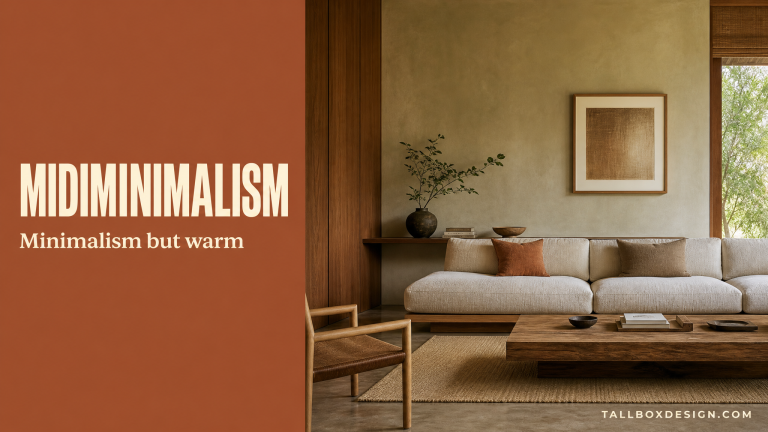
What is the concept of comfort architecture?
Psychology of comfort architecture is a study how building design impacts our emotions and sense of well-being. It’s not just about aesthetics; it’s about how spaces make us feel. Factors like familiar layouts, warm materials (wood, stone), natural light, balanced proportions, and easy flow contribute to a feeling of “home.” Architects use these principles, rooted in our innate preferences and memories, to create spaces that are inherently comforting and inviting, triggering feelings of safety, belonging, and relaxation. It’s the science behind why some buildings instantly feel welcoming, while others feel cold and impersonal. It studies our subconcious reactions to the built environment.

George is a seasoned interior designer and property marketing strategist with over 13 years of experience. He specializes in transforming properties into visually stunning spaces, helping clients recognize the potential and beauty in each property. With an impressive international client base of exciting projects throughout Europe and America.
TL;DR: How comfort in architecture is defined?
Have you ever walked into a building and immediately felt at home? As if all the surrounding walls knew you, the air carried a familiar warmth, and every atom there whispered, “You belong here.” Some buildings make you feel just that. We can call it magic because you feel at home in a building even if you have never stepped in it before.
But the question is, how does it even happen? What makes a building cold and unwelcoming and another one warm and familiar? What is the secret ingredient of this familiarity and ease? The secret is that the psychology behind the design and the architecture of these buildings shapes our feelings and emotions.
Comfort in architecture isn’t just about physical ease; it’s a holistic feeling of well-being. It’s created when a space resonates with our psychological needs for safety, familiarity, and belonging. Comfort is achieved through the right combination of elements like natural light, warm materials, appropriate proportions, and a sense of connection to nature, all working together to evoke a sense of “home.”
Let’s see how all this works:

The Power of Familiarity
Our brains are designed to look for known and familiar things wherever we go. When we enter a place and it reminds us of something we already know, we instantly get a feeling of comfort and ease. This can be the layout of the place or the materials used or sometimes something as simple as a scent.

Think about childhood homes, cozy cafés, or even certain hotel rooms. If a space has elements that resemble something from our past, it becomes easier to relax. And we don’t feel out of place in such places. This is why traditional designs, warm lighting, and familiar colors often feel inviting.
It is not a coincidence every time because architects and designers often try to make spaces feel familiar and welcoming intentionally. They do this by using shapes and materials that people naturally feel comfortable around. For example, making edges rounder and more curvy instead of sharp. Another way is using natural materials like wood and stone because they remind us of nature unlike metal and plastic which can feel distant and artificial.
Another detail you can’t miss is size. When rooms, doors, and furniture are designed the way people naturally move and live, it feels more natural and lived in. Making something too big or small makes it look unnatural.
That’s why buildings with huge empty spaces and comically large pieces of furniture can come off as distant and cold, making you feel uneasy.
Warmth in Materials and Textures
A home isn’t just about some walls and a roof above. Your soft cushions on the couch, the cozy rug on the wooden floor, and the cold white tiles on the walls of your kitchen are all the textures that make your home, home.

Spaces that feel like home have a natural element to them. With materials like wood, stone, wool, and cotton, they remind you of all the textures in your home. These materials age beautifully and make the place look lived in. Nature always feels familiar, unlike the artificial materials which can make the place feel lifeless and impersonal.
Even textures we don’t physically touch influence us. Shiny surfaces can look nice but sometimes feel a bit cold. Rough and natural textures feel warm and welcoming. That’s why things like brick walls, wooden beams, or soft rugs make a home feel cozy.
The Role of Light and Shadows
Lighting changes everything. A space bathed in a soft and warm light makes you feel calm and at home. Sharp and white light can feel detached and harsh.
Think of how sunlight filters through curtains in the morning, it creates a sense of calm. Or how a dimly lit café feels cozy, encouraging you to stay longer.

Architects use light intentionally. Large windows invite natural daylight, while soft lamps create warmth. Shadows also matter, too many create a gloomy atmosphere, but just enough add depth and character to a room.
The right balance of light and shadow makes all the difference. If done right, it can make the space feel alive by shifting throughout the day like a alive, breathing entity.
The Comfort of Proportions
Ever been in a room that felt “off” for no reason? Chances are, the proportions weren’t right.
Spaces that feel like home are designed to match our natural sense of comfort. If the ceiling is too high, the room can feel too big and distant. But if a space is too small, it can feel tight and uncomfortable. The right balance makes a place feel just right.
Traditionally, architects have followed proportions based on the human body and other ratios like the golden ratio which is used in nature and art. When the proportions are just right, you feel good in that space without even realizing why. It just happens naturally.
Flow and Movement in a Space
The way a home is laid out affects how comfortable it feels. Moving from one room to another should feel natural, without awkward turns or dead ends. When spaces connect smoothly, it creates a sense of ease, making the home feel welcoming and effortless to navigate.

Ever been in a house where you get lost, or where doors open awkwardly? That disrupts the feeling of comfort.
Good design considers movement. Hallways that gently guide you, doorways that invite rather than block, open spaces that feel welcoming rather than empty. When a space “flows,” it mirrors the natural way we move, making it feel effortless to exist in.
Colors That Speak to the Soul
Colors aren’t just decoration. They shape our emotions.
Soft and natural colors make a place feel warm and welcoming. Shades like brown and olive green create a cozy and grounded vibe. Blues and greens remind us of nature and bring a calming feeling. Warm colors like red and mustard yellow can make a room feel alive and familiar.
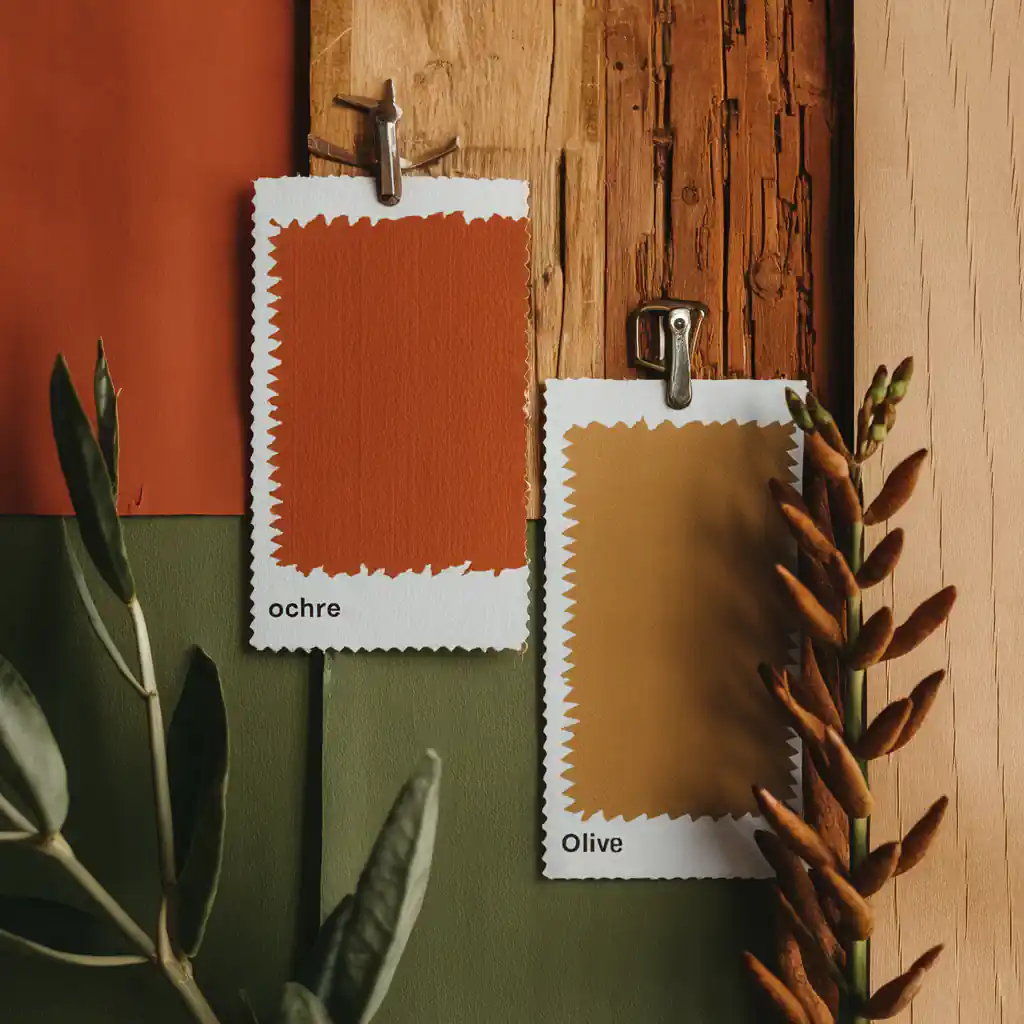
If you want to make a house feel cold, distant, and unwelcoming. Take out all these colors and only leave white and grey. It will do the job!
Color theory is subtle yet a powerful way to make a place feel familiar and welcoming. That why warm tones, round shapes, and soft textures are used to make a place feel warm and cozy.
Nature as a Design Element

Nature is the best designer. And its beauty is timeless. That’s why, if you want your house to calm your nerves and make you feel peaceful, you should go for natural elements. A lot of indoor plants, wooden furniture and stone walls can serve the purpose.
We can feel the serenity of nature even indoors by adding these to your home. A small lake in your backyard can make you feel happy and calm and the wooden cabinets in your kitchen can reduce your stress a little bit. And if you are a nature lover, these elements are too good to miss. Who wouldn’t want to spend time in a place that reduces your stress and makes you feel calm and peaceful?
Memories Make a Place Beautiful
Memories are powerful because sometimes a place can feel like home just because of the memories you made there. The moments you spent there make it forever special for you no matter how ordinary it may be for other people.
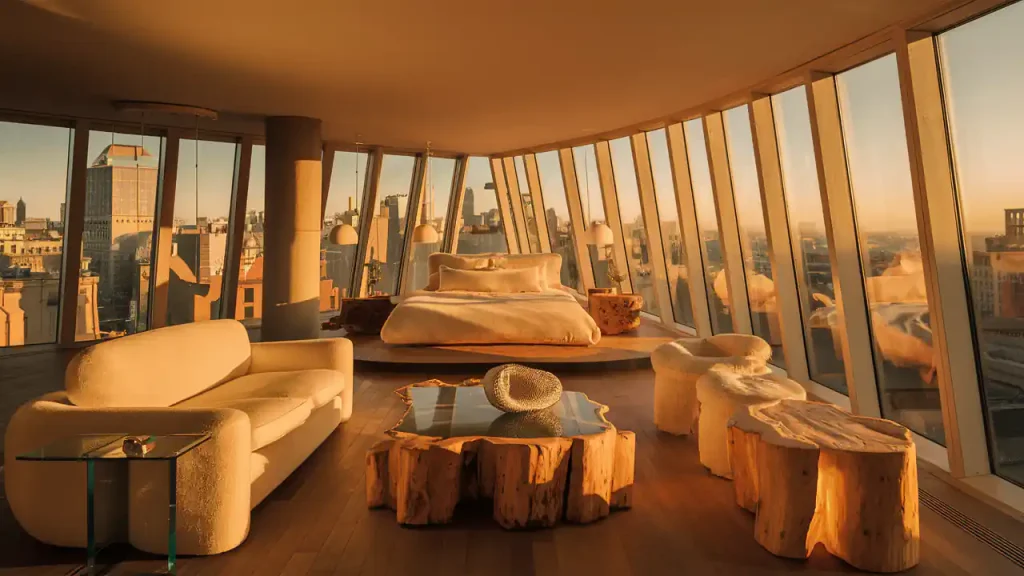
Our emotions shape how we perceive spaces. A certain smell, a specific corner, or even a worn-out chair can hold years of meaning. This is why family homes, no matter how simple, feel more comforting than luxurious hotel rooms.
Architecture sets the foundation, but the life lived within a space gives it warmth.
The Sense of Safety and Shelter
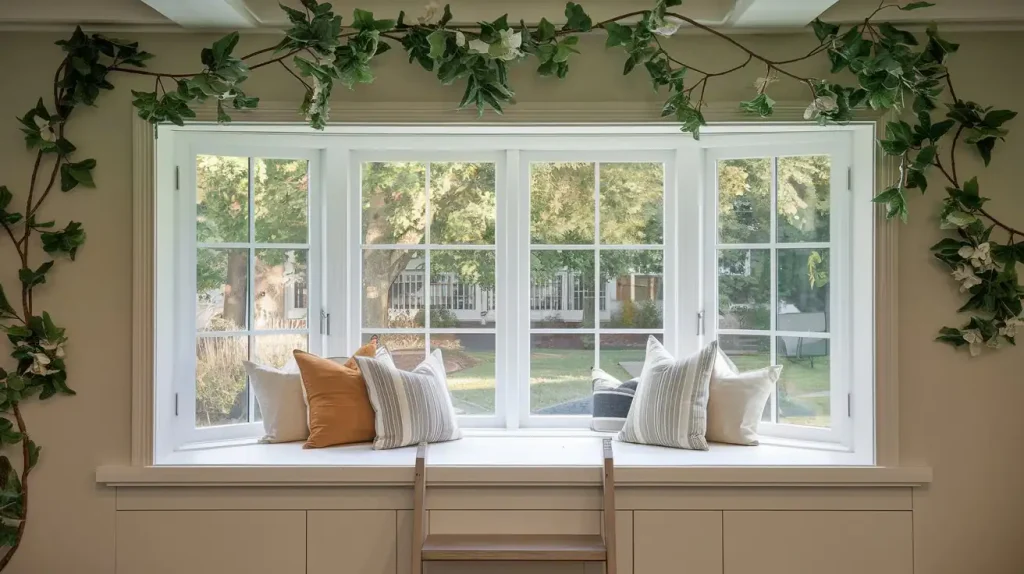
At its core, a home is a place where we feel safe.
Buildings that feel like home provide a sense of enclosure without being restrictive. They offer privacy while still feeling open.
Small details matter, a cozy reading nook, a well-placed window, a thick door that muffles outside noise. These things subconsciously tell our brains, “You are safe here.”
This is why high-rise apartments with floor-to-ceiling glass sometimes feel unsettling, while small cottages with thick walls feel secure. A true home balances openness with protection.
The Soul of a Space
Some places just have something special. Even if you try, you can’t figure out what makes it so nice and special. Is it the furniture, or the light? Or the design? Or something as simple as the way sunlight lights up the room from the window at the corner.
Or the way the soft rug at the center feels like the softest grass in a garden. Or maybe, it is a bit of everything. The light, the textures, the memories, the way air flows through an open window. Van Voorhis Architects are known to create spaces that inspire and serve.
A home is more than a building. It’s a feeling.
And sometimes, when you step into the right space, your heart just knows: This is home.
Final Thoughts
The spaces we live in affect us more than we realize. The warmth of wooden floors, the glow of soft lighting, the way a room is shaped, all these little details come together to create that familiar, comforting feeling of home.
Good design isn’t just about looking nice. It’s about making people feel at ease.
So next time you step into a space that instantly feels like home, pause for a moment. Notice the textures, the colors, and how the space welcomes you without even trying.
Because home isn’t just a place. It’s a feeling.