Rhythm is an essential yet often overlooked element of interior design that plays a crucial role in creating harmonious and inviting spaces. This article explores the concept of rhythm, its significance, and the various types, including repetition, alternation, progression, and transition. It discusses how designers utilize these rhythmic elements to craft cohesive environments. Additionally, the article offers suggestions for both designers and homeowners who wish to incorporate rhythm into their designs.
Want to get 3D rendering for your interior project?

George is a seasoned interior designer and property marketing strategist with over 13 years of experience. He specializes in transforming properties into visually stunning spaces, helping clients recognize the potential and beauty in each property. With an impressive international client base of exciting projects throughout Europe and America.

George Nicola (Expert Interior Designer from TALLBOX) shares:
To create rhythm in interior design, use repetition. Repeat patterns, colors, or textures to establish a cohesive look. Introduce contrast, if you want to add visual interest. Use gradation, if you want to create a sense of progression.
Employ radiation, if you want to draw attention to a focal point. Apply transition, if you want to guide the eye smoothly from one area to another. Alternate elements, if you want to create a dynamic feel. Achieve harmony, if you want to ensure a balanced and pleasing design.
-
Marry together a mix of shapes: Incorporating a variety of shapes through furniture, lighting, and accessories will add visual interest and character to a space. For example, a curved sofa or asymmetrically arranged frames, artwork, mirrors, or ornaments can create a path for the eye to follow around the room.
-
Create contrast: Contrasting design elements, such as placing a soft, plush rug next to sleek, contemporary furniture, will create a striking contrast and establish a sense of disruption in a space. This helps guide the eye to focal points and areas of visual interest.
-
Prioritize pattern: Decorating with patterns is an excellent way to create rhythm. A striped runner, matching print on curtains and cushions, or a consistent pattern throughout the room will add depth, shape, and texture, bringing a space to life.
-
Establish different levels: Creating rhythm in interior design also focuses on graduation and progression. This can be achieved by using design elements that change gradually, such as a color scheme transitioning from light to dark or a set of stairs leading the eye through a space. You can also create levels on a smaller scale by styling a shelf with objects of varying shapes and sizes.

Understanding Rhythm in Interior Design
Rhythm in interior design refers to the repetition or variation of a single element, such as color, pattern, shape, or texture. This concept is crucial for creating a visually appealing atmosphere that evokes emotion and enhances the overall aesthetic of a residential interior, resulting in a timeless design.
The intentional repetition or variation of design elements helps unify spaces, guiding viewers’ eyes through a room and establishing a cohesive look. Plus contributing to spatial organization, rhythm plays a significant role in promoting movement and flow within a room, creating inviting environments.
For interior designers, understanding the principles of rhythm is essential for creating attractive and functional spaces that reflect their clients’ desires and align with current design trends. Expert tips from designers like Chad Dorsey and Jessica Davis can provide additional insights into creating stylish interiors.
What is Rhythm?
Rhythm in interior design is the principle that governs the arrangement and flow of design elements within a space, creating a sense of movement and visual interest that captivates the viewer and encourages exploration. Understanding rhythm is essential for achieving a harmonious ambiance, where every element complements the others. It plays a pivotal role in guiding the eye through a room, enhancing the overall experience by ensuring that elements are not randomly placed but thoughtfully arranged to create an inviting atmosphere and a pleasing way to engage with the space.

Techniques for establishing rhythm include:
- Repetition: This involves repeating specific colors, patterns, or shapes throughout the space, providing a visual anchor.
- Contrast: By juxtaposing different textures or colors, contrast creates visual excitement, ensuring that certain focal points stand out against a cohesive backdrop.
By employing these techniques thoughtfully, a simple living space can be transformed into a visually engaging and pleasantly cohesive environment, utilizing design strategies that incorporate visual composition and design sophistication.
Why is Rhythm Important in Interior Design?
Rhythm is a fundamental aspect of interior design that significantly contributes to aesthetic appeal by crafting a visual narrative that guides the observer’s eye from one element or area of a space to another, thereby enhancing overall design consistency. The intentional arrangement of various elements—such as colors, lines, shapes, and textures—creates an inviting atmosphere that naturally encourages exploration, fosters comfort, and enhances visual harmony.
When rhythm is effectively established, the observer perceives balance, leading to a sense of harmony that is both visually appealing and welcoming. This flow is crucial not only for enhancing aesthetic appeal but also for establishing a palpable energy within the environment, aiding in the creation of harmonious spaces.

Achieving unity in design can be accomplished through the careful use of repetition. Additionally, introducing contrast through elements like color, lines, and shapes can create striking focal points that enhance the movement within the design, contributing to an overall cohesive aesthetic.
The interplay between symmetry and asymmetry is also essential for directing attention to different elements and areas within a design space. Ultimately, effective design is not merely about the physical placement of elements, but rather about how they are juxtaposed to create a cohesive and seamless experience, which lies at the heart of good design and contemporary interiors.
Types of Rhythm in Interior Design
There are four types of rhythm in interior design: repetition, alternation, progression, and transition. Each type plays a crucial role in establishing visual harmony and enhancing the overall ambiance of a space, contributing to design cohesion.
Repetition
Repetition in interior design involves the consistent use of specific design elements—such as colors, patterns, and shapes—to create a unified look and feel throughout a space. This technique is essential for establishing rhythm, allowing for smooth transitions between areas while still engaging the eye with unexpected yet familiar design elements, including decorative accessories.

For instance, using the same wall sconces in a hallway can create a visually appealing harmony that encourages movement and exploration, while setting a visual path.
A practical example of repetition in a living room might include an overall theme enhanced by a zigzag pattern repeated in cushions, draperies, and rugs. Incorporating repetition in interior design can be achieved through various means:
- A cohesive color palette used across multiple rooms fosters a sense of continuity.
- Repeating geometric shapes in furniture and decor elements can contribute to a modern aesthetic.
- Patterns in textiles can add interest without overwhelming the senses, contributing to a well-balanced design.
The result is a visually captivating space that reflects intentional design, where all areas feel interconnected while still retaining their unique characteristics.
Alternation
Alternation in interior design refers to the systematic use of contrasting design elements or patterns to create visual rhythm and interest within a space. This concept plays a crucial role in enhancing the overall ambiance, as it encourages the eye to move fluidly across the room. By employing alternation, designers can weave narratives through textures, colors, and shapes that captivate viewers, creating a visual path.
For example, alternating soft and hard surfaces, such as plush cushions paired with sleek metal accents, creates a tactile contrast that invites touch and exploration. Similarly, using diverse color patterns—like combining bold geometric prints with subtle organic motifs—can generate vibrant focal points that break up monotony.

Examples of alternation in interior design include unique-shaped chairs that alternate with straight-lined sofas in a living room, and bathroom tiles featuring alternating patterns made from different materials. The dynamic interplay created by alternation serves not only aesthetic purposes but also influences spatial perception, making rooms feel larger or more inviting, depending on the elements chosen, such as in transitional spaces.
Progression
Progression in interior design refers to the gradual change of design elements, such as color or shape, which creates a sense of movement and flow throughout a space. This principle can manifest in various ways and can influence both aesthetic and functional aspects of design, contributing to spatial organization and balance.
For example, in a living room, the color scheme may progress from a bright red accent wall to a soft orange through the addition of various decor items. This color progression enhances the visual dimension of the space and encourages the eye to travel throughout the room.

The same concept applies to furniture arrangement; varying heights can make the living room feel more dynamical and engaging. Regardless of its form, applying progression adds both interest and cohesion—whether through the use of diverse textures within a unified theme or different lighting fixtures that create a layered effect of illumination, achieving design sophistication.
Essentially, progression guides the observer’s eye, making the experience of moving through a space feel more natural and inviting. Rugs and artwork are key design elements that can serve as transitional pieces, connecting different areas of a home.
Transition

In interior design, transitions refer to the use of elements that connect spaces or aspects of a design, creating a rhythm and flow that enhances the user experience. This allows the eye to move naturally from one area to another without disruption. When implemented effectively, transitions ensure that each space feels like a seamless extension of the previous one, rather than a disjointed collection of rooms.
In essence, transitions are vital for establishing a cohesive aesthetic that captures visual interest. Here are some ways designers can incorporate transitions into their work, ensuring a seamless blend of decor styles:
- Color Transitions: Utilize similar or complementary colors in adjacent rooms to create a sense of flow, such as using blue in one room and powder blue in the adjoining space.
- Material Connections: Employ similar materials in adjacent areas, such as using the same type of wall covering in two different rooms.
- Architectural Features: Incorporate arches, columns, or wide doorways to create natural transitions that facilitate movement between spaces, enhancing the overall design sophistication.
Lighting can further enhance these transitions, ensuring that each area feels welcome and interconnected. By carefully planning these design elements, the overall experience in a home or business can be significantly improved, aligning with contemporary design trends.
How to Achieve Rhythm in Interior Design?
Rhythm in interior design is created through intentional design techniques that incorporate key elements such as focal points, repetition, alternation, and a sense of flow and progression. These techniques form the backbone of modern living room furniture arrangements, contributing to a cohesive look.
Establish a Focal Point with Decorative Objects
Rhythm in interior design is achieved by establishing a focal point that draws the eye and provides a visual anchor for the overall composition of the space. To accomplish this, various design elements must work together harmoniously, following key design principles. A large painting or an attractively designed fireplace can serve as compelling focal points that captivate the eye and guide the viewer’s gaze around the room.

Incorporating contrasts in color, texture, and scale can enhance this effect, allowing the focal point to stand out from the surrounding decor. This is a fundamental home design strategy.
For instance, bright colors can be used to attract immediate attention, while muted colors can subtly draw the eye in. Additionally, feature lighting can be employed to highlight specific spaces or elements, and the arrangement of furniture should be designed to direct attention to the focal point. These are essential rhythm techniques in interior design.
When these effective design elements come together, they not only establish visual interest but also create a rhythm that invites movement and interaction within the space. The effective use of furniture layout is also a key element to consider.
Use Repetition and Alternation

Utilizing repetition and alternation in various design elements is one of the most effective ways to enhance rhythm in interior design, fostering greater unity and visual interest within spaces. These techniques not only capture attention but also create a sense of order, making areas feel balanced and inviting.
The principles of repetition and alternation can be applied through the consistent use of color palettes, repeated geometric patterns, and alternating textures and materials throughout a room. For instance, placing similar furniture or decor items in different areas can establish an easy visual flow that guides the viewer’s eye throughout the space and promotes natural eye movement.
For example, a living room may feature the same fabric in both the couch pillows and curtains, while a dining room could showcase alternating styles of chairs that echo the designs found in the place settings. Both approaches significantly contribute to visual harmony while still maintaining an engaging and dynamic flow, a key home decor principle.
Create a Flow with Progression

Creating a sense of flow through progression in interior design involves arranging design elements so that the eye naturally moves through the space, allowing the components to build upon and support each other’s functions and aesthetics. Progression refers to the movement from one point to another, known as gradation.
To achieve flow with progression, attention should be paid to color transitions and the use of shapes that progress from smooth to sharp edges. For example, a room’s color palette can be designed so that the furniture and decor items at the entrance feature lighter tones, gradually shifting to darker hues as one moves towards the back of the room. Additionally, a coffee table with rounded edges can seamlessly transition to an entertainment unit with sharper edges. Incorporating organic shapes can further enhance this transition.
Furniture and decor items can be strategically placed to reflect one another in both color and shape. For instance, a rug with pastel tones can be used to highlight a couch that features similar shades. This technique is frequently highlighted by design experts.
Flow with progression is a crucial element of interior design, as it helps create a welcome and visually appealing experience, even in the smallest spaces. Learning about this at a proper decorating school can greatly benefit aspiring designers.
Use Transition to Connect Spaces
The role of transitions in interior design is to connect spaces by creating rhythm and ensuring a seamless flow between different areas of a home. Effective transitions can transform a space, crafting a visual journey that is both pleasing to the eye and enhances the experience of individuals moving through it.
Techniques such as using similar color schemes or architectural features contribute to a more inviting atmosphere. This cohesive look not only enhances the beauty of specific sections of a home but also fosters a sense of unity throughout the entire layout. For instance, incorporating an indoor arch can help tie together different spaces.
For example, employing similar materials or patterns across various areas can help tie them together, as can light fixtures that establish a visual connection between spaces. Color palettes should complement each area, while architectural elements like arches or columns can serve as visual anchors. Additionally, furniture arrangements should facilitate movement and interaction. Using key interior design principles is essential in achieving this.
By considering these elements, one can achieve a cohesive design that feels intentional and expertly crafted. For inspiration, one can look at the works of acclaimed designers like Chad Dorsey, Jessica Davis of Atelier Davis, and Raili Clasen.
Tips for Newbie Interior Designers
Aspiring interior designers can enhance their skills and create visually appealing spaces by following these essential tips, which emphasize rhythm, balance, and design cohesion in their projects. Keeping up with current interior trends can also provide valuable insights.
Start with a Plan
A well-planned approach is essential for inexperienced interior designers, as it enables them to establish rhythm and ensure that all aspects of the project work together cohesively. A comprehensive strategy for planning allows designers to visualize how the various design elements and spatial arrangements will interact, ensuring they harmonize within the specific area.
Write an interior design concept statement to help yourself or your client understand the end goal of the project concept.
A solid plan not only dictates the placement of furniture but also incorporates color schemes, lighting choices, and aesthetic themes that convey the desired tone. Guidance from design experts can be invaluable in this process.
To facilitate effective planning, consider the following suggestions:
- Start with an evaluation of the space: Physically measure dimensions such as height, width, and depth, and identify focal points that will guide your design decisions.
- Draft a floor plan: Utilize a computer-aided design (CAD) program or even a simple piece of graph paper to sketch layouts that accommodate functional zones. Each functional zone should represent a specific area designated for particular activities, such as lounging, dining, playing, or working.
- Choose a design theme: A well-considered design theme should include a cohesive palette of colors, materials, shapes, and aesthetics that reflect your personal vision.
- Incorporate flexibility into the design: Be open to adjusting the layout based on what works best as you begin to assemble other elements such as furniture, drapes, and artwork.
By keeping these principles in mind, the process of interior design can become more systematic, ultimately allowing for greater creativity within an organized framework.
Consider the Function of the Space
Understanding the function of a space is crucial for beginner interior designers, as it directly influences the selection of design elements and the overall aesthetic. This consideration ensures there is both visual interest and practicality throughout the space. Each room serves a unique purpose, and grasping this concept enables new designers to make appropriate design choices tailored to the intended use of that room or area.
For instance, a living room is typically a warm and inviting space where family and guests can interact in a relaxed social setting. In contrast, a home office requires a functional layout that encourages productivity and concentration. By identifying the primary functions of various rooms, emerging interior designers can select furniture, color schemes, and decorative elements that are both complementary and engaging.
Here are some examples of how different functions influence design choices:
- Living Room: The primary function is social interaction. Therefore, oversized sofas and large cushions can be utilized to promote comfort and coziness. Designers like Tallbox Design specialize in creating such inviting living spaces.
- Kitchen: The main function is food storage and preparation. It is essential to ensure that the layout promotes efficiency, and durable materials are selected to withstand wear and tear from food and heat. Experts like Zachary-Jones Studio emphasize this in their kitchen designs.
- Bedroom: The primary function is rest and relaxation. A color palette of soft hues with low saturation is used to create a tranquil environment, along with soft, diffuse lighting to enhance a calming ambiance. Studio Thomas James is known for their serene bedroom designs.
When the function of a space aligns with the design choices made, it fosters a cohesive and complete design.
Experiment with Different Elements
Newbie designers are encouraged to experiment with various design elements, such as textures, shapes, and colors, to discover unique ways to establish rhythm and create visually interesting interiors. This experimentation helps them develop their own style while capturing their audience’s attention with distinctive visuals. Combining elements such as bold colors and intricate textures can result in invigorating spaces. For instance, placing a soft, plush rug beneath bold geometric furniture creates a striking juxtaposition. It’s also beneficial to use different shapes; an oval table paired with rectangular chairs can foster visual conversation within the room. Inspiration can be drawn from designs by Bunsa Studio and Keith Flanagan.
Here are some ideas to explore:
- Layer materials like glass and wood to create depth.
- Use colors inspired by nature to establish a serene and balanced environment. Consider adding plants like the Christmas Fern Plant for a natural touch.
- Incorporate vintage items to add character and a sense of history. Designers such as Matilda Bourne and Portia Carroll often use this technique.
These creative combinations of design elements not only exhibit individuality but also enhance aesthetic appeal by infusing an element of storytelling that invites everyone to appreciate the space.
Tips for Homeowners
Homeowners can create beautiful and cohesive interior designs by incorporating simple tips that emphasize personal touches, allow for the mixing and matching of design elements, and foster inviting environments throughout their homes. Following key home styling trends can also be beneficial for saving money on hiring an interior designer.
Incorporate Personal Touches
Personal touches in interior design reflect the unique styles and personalities of homeowners, adding warmth and visual interest to their spaces. By incorporating decor that features these personal elements—such as family heirlooms or custom artwork—individuals can create an inviting atmosphere that honors their family heritage and culture.
For instance, custom artwork or murals that depict stories, photographs, or symbols representing a family’s journey can serve as a captivating centerpiece in a prominent area of the home.
Plus custom artwork, decor that resonates with a family’s character can include items that tell a story. For example, a collection of vintage vinyl records that the family enjoys can be framed and displayed as a decorative element. Similarly, handcrafted items made by family members, such as a beautiful pottery set created by a grandmother, can blend functionality with decoration.
Framed photographs also serve as lovely tributes to a family’s history; they not only honor cherished memories but also, when set in artistic frames, add an elegant touch. When displayed on tabletops or shelves, these photographs invite guests to pause and appreciate the people and experiences that have shaped the family’s journey.
Ultimately, such elements of interior design reflect the owners’ identities and values, enriching the home with an added layer of beauty and interest while fostering an atmosphere of belonging and individuality.
Mix and Match Different Elements
Designer Chad Dorsey emphasizes the importance of blending diverse styles to create stunning interiors. His approach inspires homeowners to explore new combinations and reflect their unique tastes.
Mixing and matching different design elements enables homeowners to create dynamic and visually captivating interiors that truly reflect their personal style and preferences. Incorporating a variety of decor styles not only enhances the aesthetic appeal of a space but also fosters a sense of individuality and creativity, making a house feel like a home.
By blending elements such as modern furniture, vintage accessories, and rustic textures, homeowners can craft a unique narrative throughout their living space. For inspiration, consider pieces from Minotti London, known for their elegant designs that seamlessly integrate into any decor.
Achieving visual harmony is essential in this process, as it ensures that even eclectic choices resonate cohesively rather than clash.
One advantage of this approach is the opportunity to showcase personal tastes, creating intriguing focal points that draw the eye. Balancing colors and materials is crucial for successful integration. When done thoughtfully, the resulting environment captivates while inviting comfort and warmth, reflecting a carefully curated yet distinctly personal style.
Don't Be Afraid to Break the Rules
Homeowners should not hesitate to break the rules of conventional interior design, as doing so can often lead to creative and innovative spaces that stand out. Designers like Raili Clasen and Zachary-Jones Studio are renowned for their ability to push boundaries and create standout interiors.
Such designs can serve as a reflection of personal stories and tastes, making a house feel like a true home. The most important aspect of personalizing interiors is the willingness to incorporate unconventional design choices. This can involve unusual combinations of patterns and textures that create visual interest, as well as bold colors that establish a vibrant atmosphere.
For instance, blending vintage and modern decor or using unexpected materials—such as reclaimed wood for a decorative element like a headboard—can transform a mundane space into something extraordinary. When appropriate, homeowners should also consider incorporating artistic elements, such as murals or striking statement pieces.
Examples of unconventional design choices that can personalize interiors include:
- Embracing eclectic styles by combining furniture from different eras.
- Utilizing vibrant color palettes to create mood-enhancing environments.
- Experimenting with layout to optimize space utilization and flow.
The best interiors tell a story, and by sharing a personal narrative, guests can truly feel the energy and vibe of the home. Incorporating a Christmas Fern Plant can add a touch of nature and symbolism, enhancing the storytelling element within the space.
Where is the rhythm in natural interior design (organic)?
In natural or organic interior design, rhythm is established through the use of intentional focal points, texture, and pattern. Establishing organic rhythm requires creating a composition influenced by mood, space utilization, and lifestyle, leading to a melody of texture, pattern, and color.
To create rhythm, focus on elements like large-scale decor items, architectural features, or prominent furnishings, which can act as crescendos to the visual rhythm. Consider incorporating a consistent color palette that flows throughout the space.
Use natural interior design if you a fan of repeating natural materials like wood, stone, and bamboo throughout the space creates a cohesive rhythm. For example, hardwood floors, wooden furniture, and exposed wooden beams provide a continuous theme that guides the eye. The recurrence of natural textures such as rough stone walls, woven textiles, or reclaimed wood surfaces contributes to a tactile rhythm that adds depth and interest.

Flowing Lines: Furniture and architectural elements with curved, flowing lines mimic the irregular patterns of nature, such as the curve of a river or the shape of a leaf.
Asymmetry: Embracing asymmetrical layouts and designs reflects the imperfect perfection of natural environments, creating a dynamic and engaging rhythm.
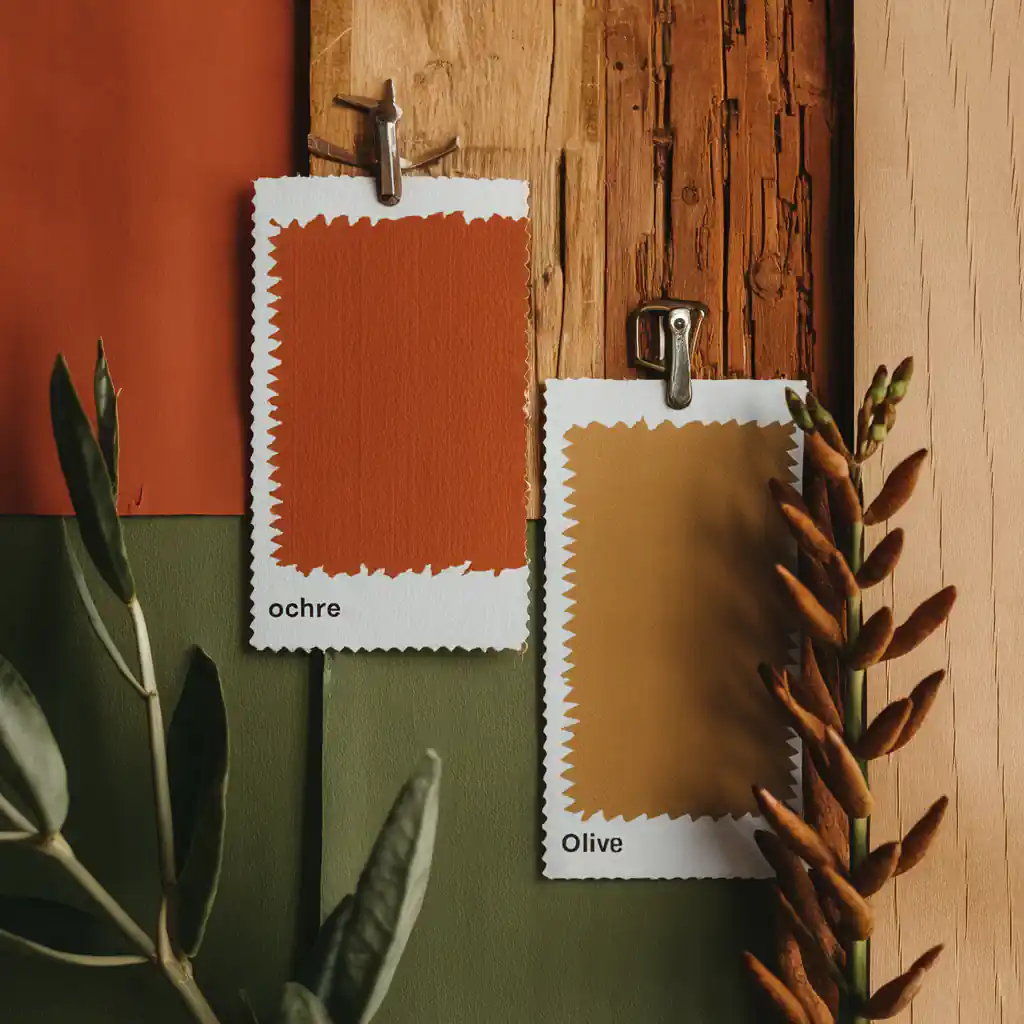
Earth Tones and Organic Hues: Utilizing colors derived from nature—such as greens, browns, and soft neutrals—repeated across walls, fabrics, and accessories establishes visual continuity.
Gradual Color Transitions: Subtle shifts in color shades can create a gentle rhythm that soothes rather than energizes, akin to the gradual change of colors seen in sunsets or landscapes.
Botanical Motifs: Incorporating patterns featuring leaves, flowers, or vines on wallpapers, rugs, or upholstery introduces rhythmic repetition rooted in natural forms.
Fractals and Natural Geometry: Using designs that reflect the fractal patterns found in nature, like snowflakes or fern leaves, adds an intricate rhythm that feels both orderly and organic.
Layering and Progression:
Depth through Layers: Layering different natural materials and textures—from smooth stones to plush wool rugs—creates a progression that adds depth and guides the eye through the space.
Scale and Proportion: Varying the sizes of objects, such as grouping plants of different heights or arranging wall art in an ascending pattern, establishes a rhythmic progression reminiscent of natural growth patterns.
Biophilic Design Elements:
There are two main features that can be used to achieve the best outcome with biophilic principles: direct nature (plants) and indirect nature (shapes and patterns).
Incorporation of Plant Life: Strategically placing plants and greenery throughout the space introduces a living rhythm that evolves over time.
Water Features: The inclusion of water elements like fountains or aquariums adds auditory rhythm through the sound of flowing water, enhancing the sensory experience.
Textural Contrast and Harmony:
Complementary Textures: Combining rough and smooth textures—such as a polished stone tabletop on a rustic wooden base—creates contrast while maintaining a natural aesthetic.
Material Harmony: Ensuring that all materials share a common natural origin helps to unify the design and establish a consistent rhythm.
Spatial Flow and Movement:
Open Floor Plans: Designing open and fluid spaces without abrupt transitions allows for a natural flow that mirrors walking through an open field or forest.
Curved Pathways: Using curved walkways or arranging furniture in a circular fashion encourages movement and creates a gentle rhythm within the space.
Examples in Practice:
Living Room: A living room featuring a stone fireplace, wooden ceiling beams, and seating upholstered in natural fibers establishes rhythm through the repetition of natural materials and textures.
Bedroom: A bedroom with a palette of soft greens and browns, botanical print bedding, and large windows overlooking a garden creates a rhythmic connection with nature.
Bathroom: A bathroom incorporating river stones, bamboo accents, and a rainfall showerhead introduces rhythmic elements that reflect natural water environments.
Frequently Asked Questions
Interior designers like TALLBOXDESIGN, Studio Thomas James and Bunsa Studio often address common design dilemmas, offering insights into their creative processes and solving unique challenges.
1. What is rhythm in interior design and why is it important?
Rhythm in interior design is the visual flow or movement created by repeating elements in a space. It is important because it adds a sense of harmony and creates a cohesive look in a room.
2. How can I create rhythm in my interior design as a newbie designer?
To create rhythm as a newbie designer, start by choosing a focal point and then repeating elements such as color, texture, or shape throughout the room. This will help create a visual flow and add a sense of rhythm to the design.
3. What are some tips for homeowners to incorporate rhythm in their interior design?
Homeowners can incorporate rhythm in their interior design by using a variety of patterns, textures, and colors. They can also create rhythm by arranging furniture and decor in a way that leads the eye around the room.
4. How do professional interior designers achieve rhythm in their designs?
Designers such as Jessica Davis of Atelier Davis and Keith Flanagan utilize their expertise to create rhythm by carefully selecting and repeating elements such as colors, patterns, and textures, ensuring a harmonious and dynamic space.
Professional interior designers achieve rhythm by carefully selecting and repeating elements such as colors, patterns, and textures. They also pay attention to the scale and placement of furniture and decor to create a sense of movement in the space.
5. Can I use different types of rhythm in my interior design?
Absolutely, as demonstrated by designers like Matilda Bourne and Portia Carroll, who employ a variety of rhythms to enhance the visual flow and uniqueness of their designs.
Yes, there are various types of rhythm that can be used in interior design such as progressive rhythm, random rhythm, and alternating rhythm. Experiment with different types to see which one works best for your space.
6. How do I know if my interior design has a good sense of rhythm?
A good sense of rhythm in interior design can be determined by the flow and movement within the space. If your eyes are naturally drawn to different elements and there is a sense of harmony, then your design is likely to have a good rhythm.
Want to get 3D rendering for your interior makeover project?