A well-designed three-season porch expands a home’s daily living without the cost and complexity of a fully climate-controlled addition. The space offers light from multiple angles, natural ventilation when panels or windows open, and a mood that shifts with the seasons.
Many homeowners in temperate regions use this room during spring and fall, and mild climates support regular use during much of the year. The porch supports reading in daylight, hosting friends without crowding the kitchen, and focused work with outdoor sounds nearby. It often becomes part of the home’s identity, making time at home feel restorative.

George is a seasoned interior designer and property marketing strategist with over 13 years of experience. He specializes in transforming properties into visually stunning spaces, helping clients recognize the potential and beauty in each property. With an impressive international client base of exciting projects throughout Europe and America.
Define Purpose Before Planning
Clarity of purpose guides layout and detailing. Identify primary activities: a long table for weekend dinners, deep chairs for reading, or an open corner for yoga. Choose an outdoor-room character with screens and light fabrics, or a sunroom feel with glass panels and warmer finishes.
Seasonal rhythm shapes orientation and comfort. For quiet mornings, face the porch toward sunrise and keep finishes light. For late-afternoon gatherings, plan shading and ventilation for lower sun and cooler air. Let purpose direct window placement, flooring, lighting, and storage.
Orientation and Climate
Solar exposure and local wind patterns shape comfort more than furnishings. A south-facing porch in a mild climate welcomes sunlight across the year; hot regions often need deep overhangs, deciduous tree cover, or exterior shades to limit heat gain. A west-facing porch captures sunsets yet brings harsh glare, so plan angled louvers or retractable shades.
Design openings on opposite walls to encourage cross-breezes in warm months. Use solid panels or partial walls to block prevailing winds during cooler spells. Nearby trees, fences, and neighboring buildings influence both airflow and daylight; incorporate those conditions into the plan for effortless comfort.
Architectural Integration With the Home
A porch that matches the house’s architecture looks like it has always been there. Align rooflines and pitches to maintain continuity. Repeat trim profiles, siding patterns, or masonry to connect new work to the existing façade.
Align porch columns with window placement to balance the composition. Inside transitions matter as well.
Keep floor levels aligned for a smooth flow, and frame the opening between house and porch as a wide passage rather than a narrow doorway. When proportions, materials, and details speak the same architectural language, the porch reads as part of the whole.
Materials for Comfort and Durability
Select materials that tolerate temperature swings and seasonal moisture. Choose flooring that handles wet shoes and occasional rain, such as porcelain tile, sealed hardwood, or composite decking. Use stable framing for windows or panels; aluminum, fiberglass, and treated wood resist warping.
Opt for screens where airflow is the priority, and consider vinyl or tempered glass panels for shoulder seasons. Specify Low-E glazing to reduce heat gain while preserving clarity. Pick outdoor-rated textiles for cushions and drapery to resist UV exposure and moisture. Builders featured in Fine Homebuilding show how balanced material palettes deliver visual appeal with long-term performance.
Design Details That Elevate Use
Small decisions raise the experience of the space. Layer lighting: pendants over dining, recessed fixtures near reading chairs, and discrete LED strips at steps or thresholds. Consider built-in seating or storage to free floor area for circulation. Plan ventilation deliberately. Use operable panels high and low to move warm air out and draw cool air in without mechanical systems.
Choose insect screens with slim profiles to preserve views. Specify consistent hardware finishes across hinges, handles, and latches to reinforce a coherent design language.
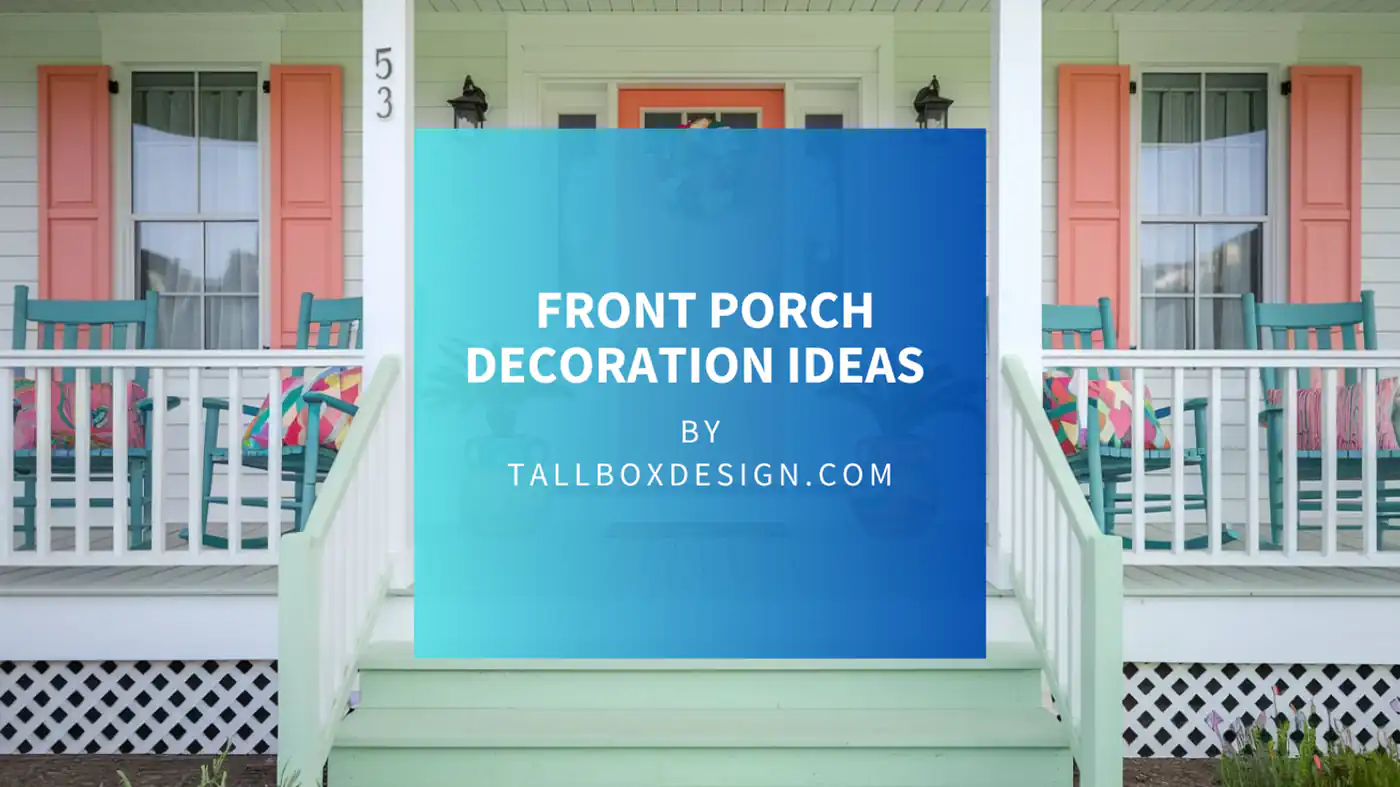
Add front-porch decor with durable, budget-minded pieces that withstand weather while adding personality.

Permits and Building Codes
A three-season porch is a structural addition subject to local regulations. Most jurisdictions require permits that cover structural loads, snow and wind resistance, and guard and stair safety. Electrical work for outlets and fixed lighting requires inspection. Codes often define glazing percentages, minimum ceiling heights, and insulation thresholds.
Crossing those thresholds may reclassify the porch as habitable space, which triggers stricter standards. Address these requirements during design to avoid redesigns and to ensure a safe, compliant project.
From Plans to Build: Selecting a Contractor
Working with a three-season porch builder who understands these nuances helps ensure the finished porch matches the design’s promise. They can translate drawings into precise framing, recommend assembly methods that extend the life of the structure, and adapt details to suit the climate and site. A skilled build partner turns a set of plans into a space that feels like it has always belonged to the home.
A qualified builder refines framing for precision, recommends assemblies that extend service life, and adapts details to climate and site. The right partner protects both structure and appearance and delivers a porch that belongs to the home.
Conclusion
A successful three-season porch aligns purpose, orientation, and architecture, then pairs durable materials with thoughtful details. The result welcomes light and breeze, resists the elements, and supports daily life. Whether set for quiet morning coffee or lively dinners, the porch joins the home’s rhythm and invites use across the seasons.