George is a seasoned interior designer and property marketing strategist with over 13 years of experience. He specializes in transforming properties into visually stunning spaces, helping clients recognize the potential and beauty in each property. With an impressive international client base of exciting projects throughout Europe and America.
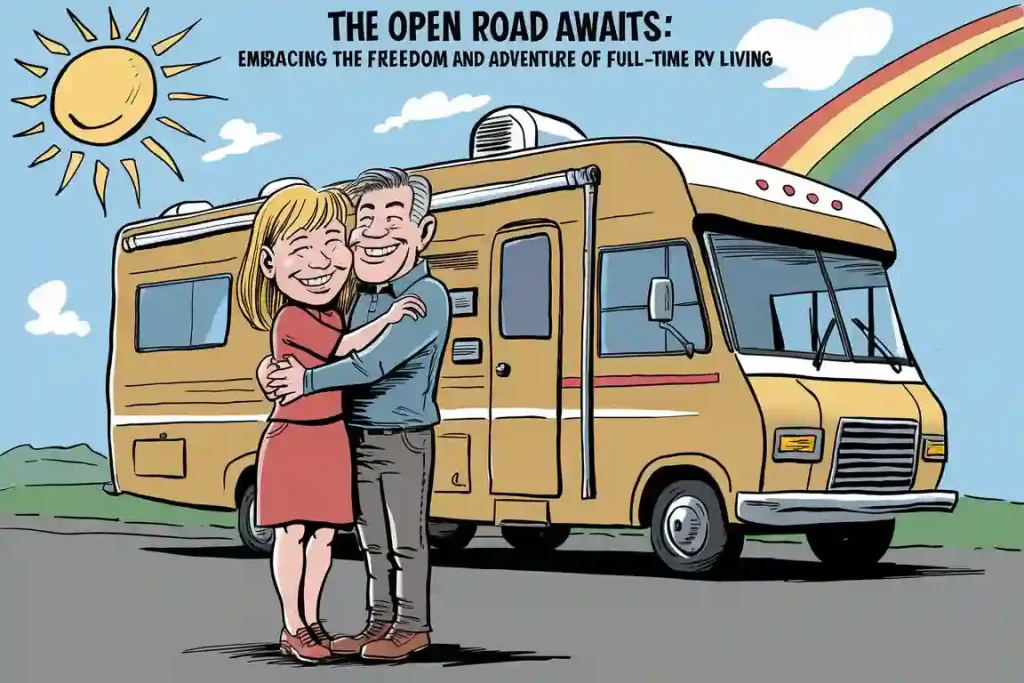
Selling a house and moving into a motor home is a big life change. It offers freedom and adventure, but also comes with challenges. Many people dream of hitting the open road full-time, but it takes careful planning.
Before making the switch to RV living, it’s smart to adjust your lifestyle and habits. This helps smooth the transition from a fixed home to one on wheels. Simple changes can make a big difference in adapting to life in a smaller space. By preparing ahead of time, new RV owners can avoid common pitfalls and enjoy their new mobile lifestyle more fully.
Downsize and simplify your possessions
Downsizing belongings is key before moving into a motor home. Start by going through each room and sorting items into keep, donate, sell, or discard piles.
Focus on keeping only essential and beloved items that will fit in the limited space of a motor home. Let go of duplicate items, rarely used gadgets, and excess clothing.
Consider digitizing important documents and photos to save physical space. Scan papers and upload images to cloud storage for easy access on the road.
Sell valuable items online or at a garage sale to earn extra money for the move. Donate usable goods to local charities or thrift stores.
Tackle sentimental items last, as they can be the hardest to part with. Keep a few special mementos and take photos of the rest to preserve memories.
Set a deadline for selling or donating items to avoid dragging out the process. Be ruthless in eliminating clutter – motor home living requires minimal possessions.
Adapt to a smaller living space
Moving from a house to a motor home means getting used to much less space. Start by living in just one or two rooms of your current house. This gives you a taste of compact living.
Get rid of extra stuff you don’t need. Keep only the most important items. Look for furniture and appliances that serve multiple purposes to save space.

Practice using vertical storage. Install shelves up high and use the space under furniture. Learn to organize creatively in tight areas.
Try out different layouts to maximize the limited square footage. Move things around until you find what works best. Get used to having less personal space and sharing common areas.
Spend time in small spaces like tiny apartments or RVs. This helps you adjust mentally to a cozier environment. Focus on the freedom and simplicity a smaller space can bring.
Embrace minimalism
Adopting a minimalist lifestyle is crucial when preparing to sell a house and move into a motor home. This approach helps simplify the transition and makes the move more manageable.
Start by decluttering each room in the house. Get rid of items that aren’t used regularly or don’t bring joy. Donate, sell, or dispose of excess belongings to create a cleaner living space.
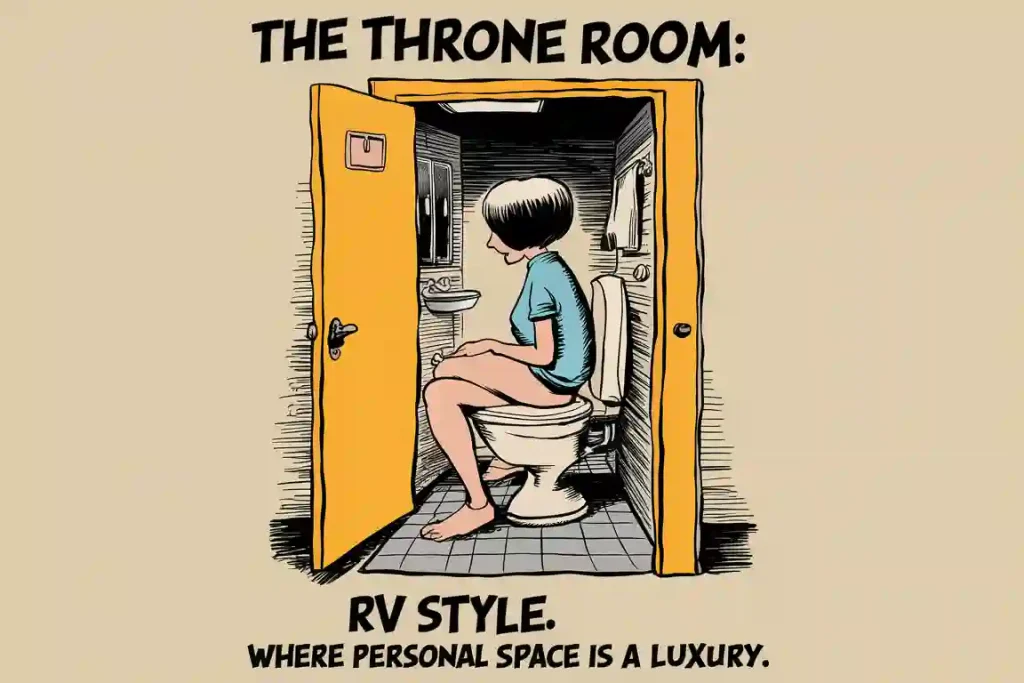
Focus on keeping only essential items. This includes clothing, kitchenware, and personal belongings that will fit comfortably in a motor home. Consider the limited storage space available in a mobile living situation.
Digital decluttering is also important. Scan important documents and photos to reduce physical storage needs. Delete unnecessary files and organize digital content for easy access.
Practice the one-in, one-out rule when acquiring new items. For every new item brought into the home, remove an existing one. This helps maintain a clutter-free environment and prevents accumulation of unnecessary possessions.
By embracing minimalism, homeowners can create a more appealing space for potential buyers. It also prepares them for the compact living arrangements of motor home life.
Learn RV systems and maintenance
RV systems are different from those in a house. RVs have electrical, plumbing, and propane systems that require specific knowledge to operate and maintain.
Learning about these systems before hitting the road is crucial. Owners should study how to use the generator, manage battery power, and connect to campground hookups.
Understanding the freshwater, greywater, and blackwater tanks is important for proper waste management. Knowing how to winterize the RV helps prevent damage in cold weather.
Regular maintenance keeps an RV in good shape. This includes checking tire pressure, inspecting the roof for leaks, and lubricating moving parts.
RV owners should learn basic troubleshooting skills. Being able to fix minor issues can save time and money on the road.
Many RV dealerships offer classes on RV systems and maintenance. Online tutorials and RV forums are also great resources for learning these skills.
Practicing maintenance tasks before full-time RV living helps build confidence. It’s better to learn in a familiar setting than during a trip.
Plan for a mobile lifestyle
Living in a motor home requires some big changes. Start downsizing your belongings now. Keep only what you truly need and love. Sell, donate, or discard the rest.
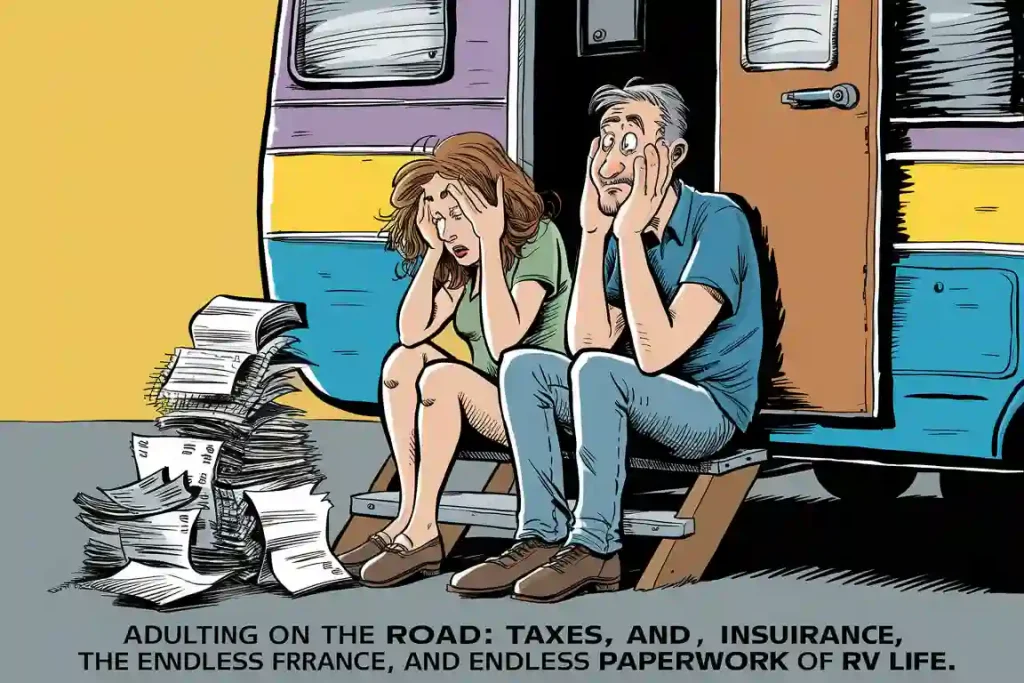
Think about how you’ll handle mail and important documents. Set up a virtual mailbox service or use a family member’s address. Switch to paperless billing for all accounts.
Research RV-friendly banks and credit cards. Many offer perks for frequent travelers. Look into mobile internet options like satellite or cellular hotspots.
Consider how you’ll earn money on the road. Explore remote work opportunities or seasonal jobs at campgrounds. Some RVers start blogs or YouTube channels about their travels.
Plan for healthcare on the go. Look into telemedicine services and travel insurance options. Make a list of important medical information to keep with you.
Learn basic RV maintenance and repair skills. Take a class or watch online tutorials. Being able to fix minor issues yourself will save time and money.
Adjust your financial approach
Selling a house and buying a motor home requires careful financial planning. It’s important to review your budget and savings before making this big change.
Look at your current expenses and think about how they’ll change in a motor home. You may spend less on utilities but more on fuel and campground fees.

Consider setting up automatic bill payments to make life on the road easier. This can help you avoid missed payments while traveling.
It’s wise to build up an emergency fund for unexpected repairs or medical issues. Aim for at least 3-6 months of living expenses saved up.
Talk to a financial advisor about how to manage your money during this transition. They can help with investment strategies and tax implications.
Think about how you’ll earn income while living in a motor home. You may need to find remote work or seasonal jobs to support your new lifestyle.
Make sure you understand the costs of motor home ownership. Factor in insurance, maintenance, and depreciation when planning your budget.
Strengthen your relationship
Many people who live in motor homes need a way to make money while traveling. A mobile income stream can provide financial stability on the road.
One option is remote work. Some jobs allow employees to work from anywhere with an internet connection. This could include roles in customer service, writing, or programming.
Another possibility is starting an online business. This might involve selling products through e-commerce platforms or offering services like consulting or coaching.
Some motor home dwellers create content about their travels. They may earn money through blogs, YouTube channels, or social media accounts. This can generate income from ads, sponsorships, or affiliate marketing.
Freelancing is another flexible option. Websites connect freelancers with clients for various projects. Skills like graphic design, writing, or virtual assistance are often in demand.
Seasonal work can also provide income while traveling. Some businesses hire temporary workers during busy periods. Examples include holiday retail positions or summer jobs at national parks.
Build a support network
Moving from a house to a motor home is a big change. It can be helpful to connect with others who have made similar moves. Look for online forums or social media groups for RV enthusiasts.
These groups can provide advice and tips for the transition. They may share insights on motor home living that you hadn’t considered. You can ask questions and learn from their experiences.
Local RV clubs or meetups can be great resources too. They often organize gatherings where you can meet other motor home owners in person. This can lead to new friendships with people who share your interests.
Family and friends can also be part of your support network. Keep them updated on your plans. They might offer emotional support or practical help during the move.
Consider reaching out to a financial advisor or RV specialist. They can provide expert guidance on the financial and practical aspects of motor home living. This professional support can help you feel more prepared for the change.
Understanding Real Estate Market Trends
The housing market and motor home market have seen changes in recent years. Buyers and sellers face new conditions that impact their decisions.
Current Housing Market Conditions
Home prices have gone up in many areas. This makes it harder for some people to buy houses. Interest rates are higher than a few years ago. This means monthly payments are bigger for buyers who need loans.
There are fewer homes for sale in many places. This gives sellers more power to set prices. But it makes it tougher for buyers to find what they want.
Virtual home tours are more common now. Buyers can see houses online before visiting in person. This saves time for both buyers and sellers.
Some people are choosing to stay in their current homes. They want to keep their low mortgage rates from past years.
Motor Home Market Overview
Motor home sales went up during the pandemic. Many people saw them as a safe way to travel. Prices for both new and used motor homes increased.
There are different types of motor homes. Class A is the biggest and most expensive. Class B is smaller and easier to drive. Class C is in between.
Motor home makers have added new features. Many now have smart home tech and solar panels. This makes them more appealing to buyers who want comfort on the road.
Some campgrounds and RV parks have gotten busier. It’s a good idea to book spots ahead of time when planning trips.