A few square meters/feet is a few square meters/feet. There’s no magic trick to add extra space to a space. But with the right decor choices, you can make small spaces feel bigger and transform cramped rooms into inviting areas. In this blog, we’ll explore practical tips to help you maximize small spaces and create a more open feel without adding any square footage.
Want to get 3D rendering for your interior project?
George is a seasoned interior designer and property marketing strategist with over 13 years of experience. He specializes in transforming properties into visually stunning spaces, helping clients recognize the potential and beauty in each property. With an impressive international client base of exciting projects throughout Europe and America.
George Nicola (Expert Interior Designer from TALLBOX) shares: There are basic décor principles that can help make the most of a small space. When you combine these principles with your own personal style, you can create a small space that feels both stylish and spacious.
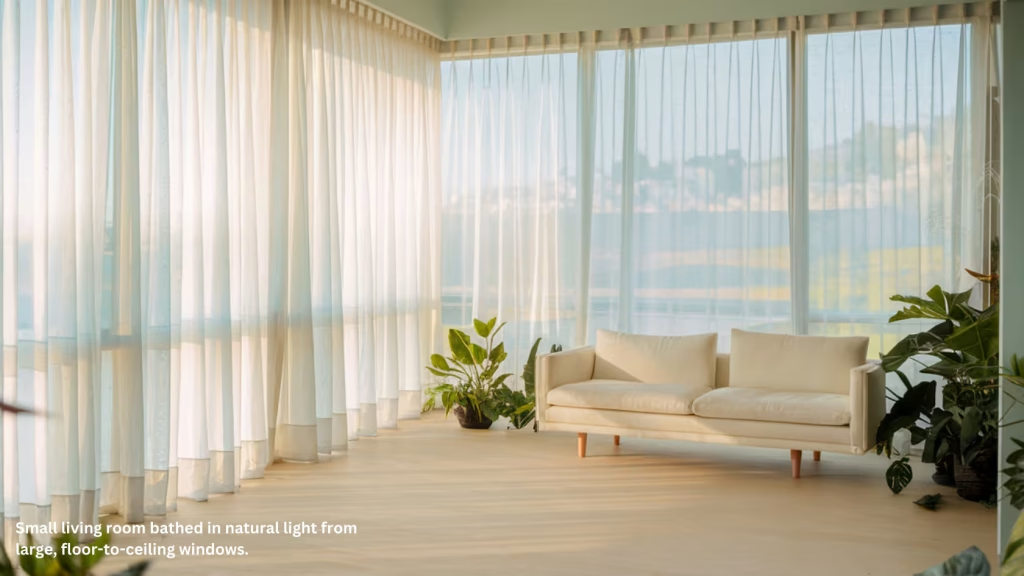
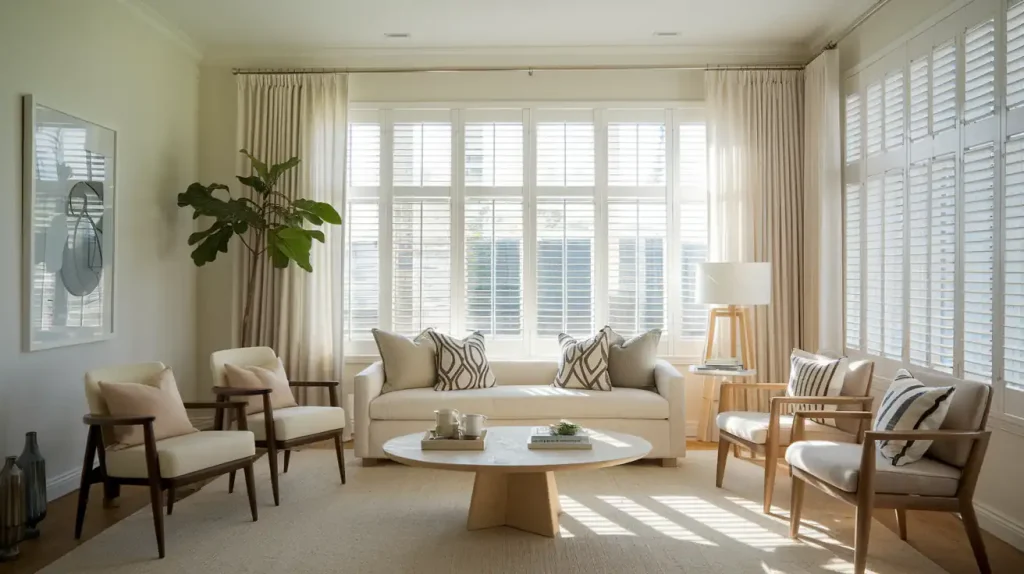
The most basic principle of design is to allow natural light as much as possible. This is a powerful and basic strategy that can make a small space feel much larger. Removing thick, dark window coverings and replacing them with sheer curtains or blinds can make a big difference. You can also choose window treatments that have spacious horizontal slats. Opening the windows to let in fresh air and natural light can positively affect your mood and help you perceive the space more clearly.
#1: Let Natural Light in

Natural light can help a small space feel larger and more open. To allow more natural light into your living room, you can replace thick, dark window coverings with sheer curtains, white wooden blinds, or shutters. Spacious horizontal slats can help create the illusion of a bigger room. You might also want to consider placing furniture around windows so more natural light can flood in.
Fact: Natural light doesn’t just improve your mood at home, it actually makes your place feel bigger.
To maximize this effect, opt for white shades or curtains that flood your abode with brightness. This creates an illusion of spaciousness while the invigorating atmosphere boosts productivity. Combine this with a light color palette for your walls and furniture, amplifying the impact of natural light for a truly expansive feel.
#2 Make A Small Room Look Bigger With Paint
Light colors are fresh, cool, and more appealing than dark colors. Painting your walls with light hues and matching your furniture in the same tones will create excellent color harmony in your space. Sunlight combined with light-colored furniture will make the room brighter and more spacious. A dim, dark atmosphere can make a space feel dull and crowded, while brightness contributes to a sense of spaciousness.
The combination of sunlight and light-colored walls and furniture creates a brighter, more spacious atmosphere compared to darker alternatives.
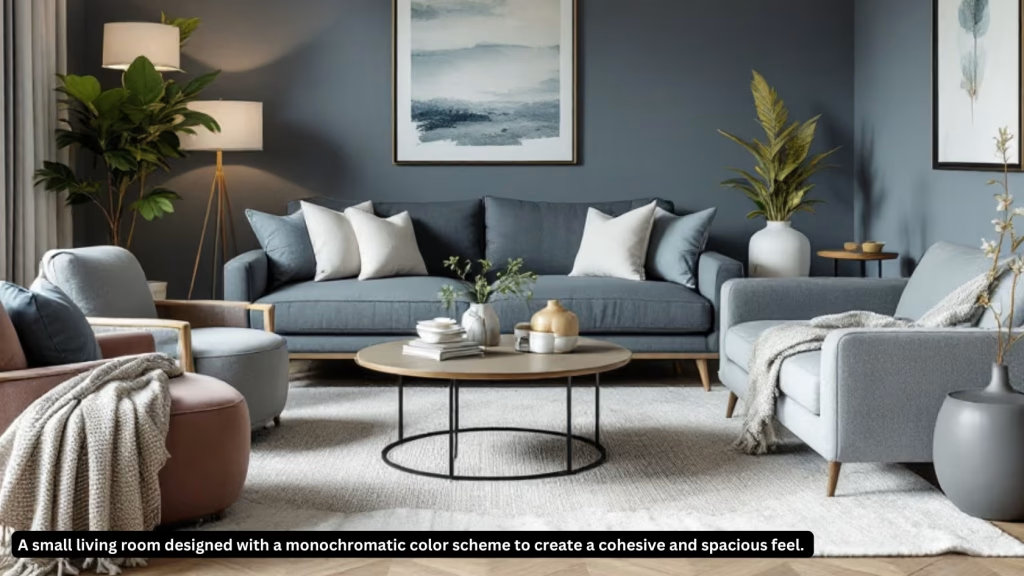
Color is powerful in transforming a space, and it’s especially effective in small rooms. The right paint choices can make a room feel more open and airy. A monochromatic color scheme can make furniture and other items recede and seem to take up less space. To soften the palette, try using a warm grey-blue instead of a deep white or black. If you have a small bedroom, you might want to experiment with bold colors rather than using light colors.
Here are some colors to consider:
Light and Neutral Tones
- Off-white: A classic choice that creates a clean, open feel.
- Pale blues: These colors evoke a sense of calm and can make a room feel larger.
- Light green: A refreshing option that can add a touch of nature.
- Taupe: A versatile neutral that can brighten a room without being overpowering.
- Earthy ochre: A warm, inviting color that can make a room feel cozy and spacious.
Tricks for Using Color in Small Spaces

| Trick | Benefit |
|---|---|
| Use light colors on walls and ceilings. | Lighter colors reflect more light and make a room feel more open. |
| Add accents of color with furniture accessories or artwork | This can add personality without overwhelming the space. |
| Consider a monochromatic color scheme. | Sticking to one color in varying shades can maximize small spaces by creating a cohesive and calming atmosphere. |
| Use mirrors to create an illusion of extended space and to reflect light | Mirrors can help to bounce light around the room and make it feel larger. |
#3 Use Artificial Light Strategically
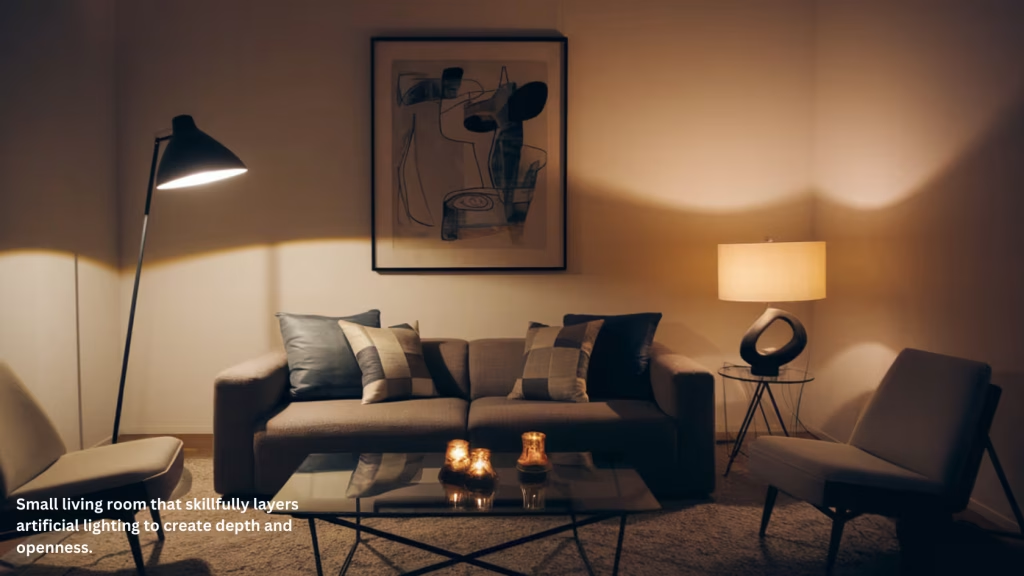
You can make a small living room appear bigger and more open by layering light sources such as lamps, accent lighting, or candles. Lighting dark corners with a table or floor lamp can help them look larger.
If you have a small kitchen, you can make the room seem bigger by keeping the lighting simple and ensuring the colour of the lighting complements the other elements in the room. In a small bathroom, you can create the illusion of a larger space by using quality fixtures for smart lighting.

#4 Use Mirrors
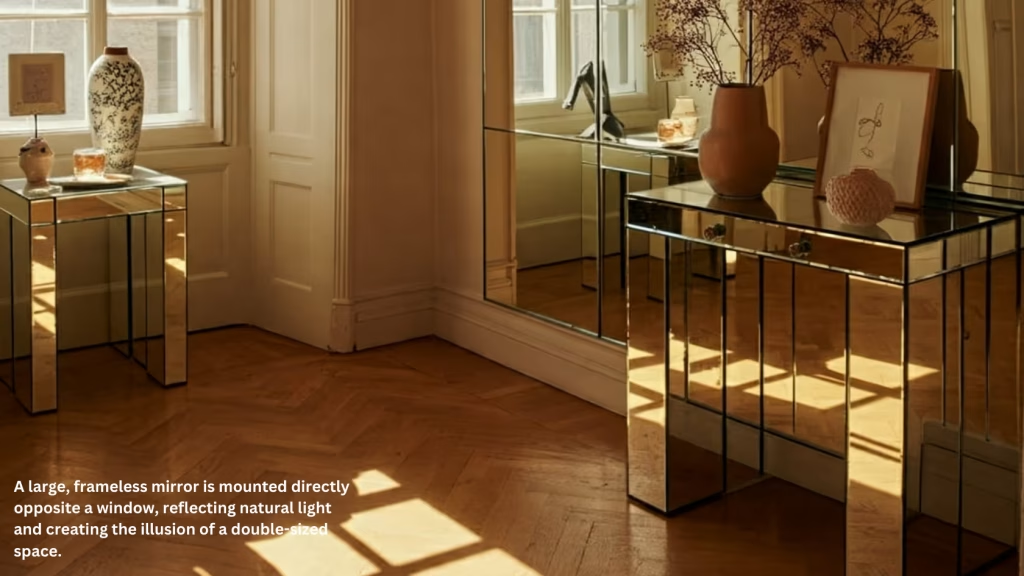
Mirrors reflect both artificial and natural light, making a space seem bigger and brighter. Place a mirror opposite or near a window to reflect the light. You can make a room feel more open by placing mirrors on the walls and glass tabletops. Mirrored cupboard doors can help make a space feel larger and less cluttered.

#5 Choose Furniture Carefully
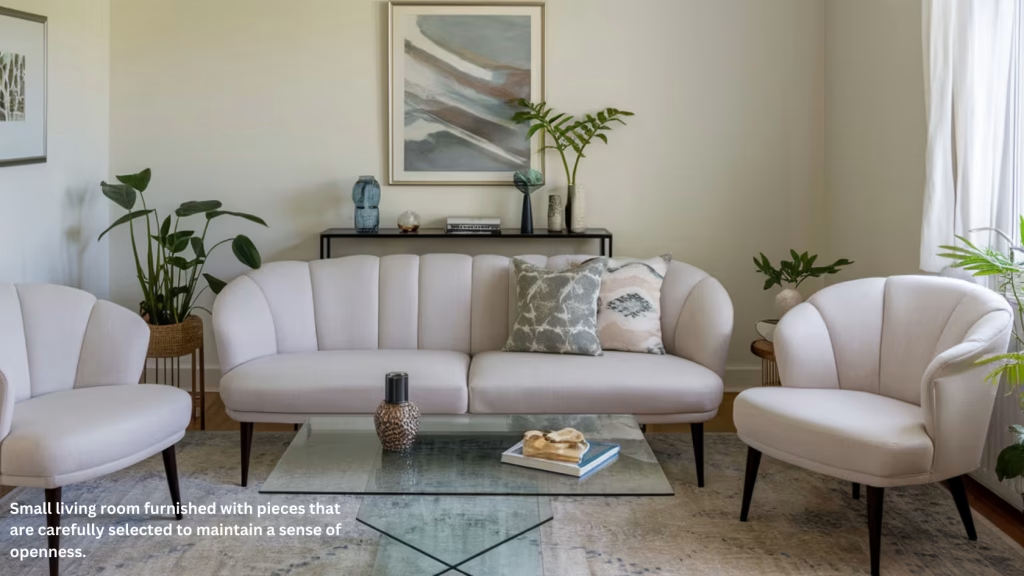
Oversized furniture will make a small room feel even smaller. Instead, choose furniture that is in scale with the size of the room. Opt for a sofa and chairs with open arms and exposed legs, and a glass coffee table. These pieces will allow light to filter beneath and around them, making the room feel more open.
Arranging furniture at an angle can create a sense of depth. Don’t put all your furniture close to the walls, as this can make the room feel narrower. You can make the room feel more spacious by pulling your sofa away from the wall and placing a console or shelf behind it.

#6 Use Window Treatments
Windows are a significant feature in any room, and the right window treatments can make a tiny space feel much larger. Here are some of the best window treatments for small rooms:
Shutters are a sleek option, allowing plenty of light when opened while providing privacy and insulation when closed. For a more affordable and flexible choice, blinds—especially vertical or mini blinds—work well in compact spaces and offer customizable light control.
If you prefer curtains, sheer curtains in light colors can brighten the room without crowding the space, while roller and Roman shades give a sleek, minimalist look. Valances add a polished finish by drawing the eye upward, which gives an illusion of height without blocking light.

#7 Minimize Clutter and Keep it Simple
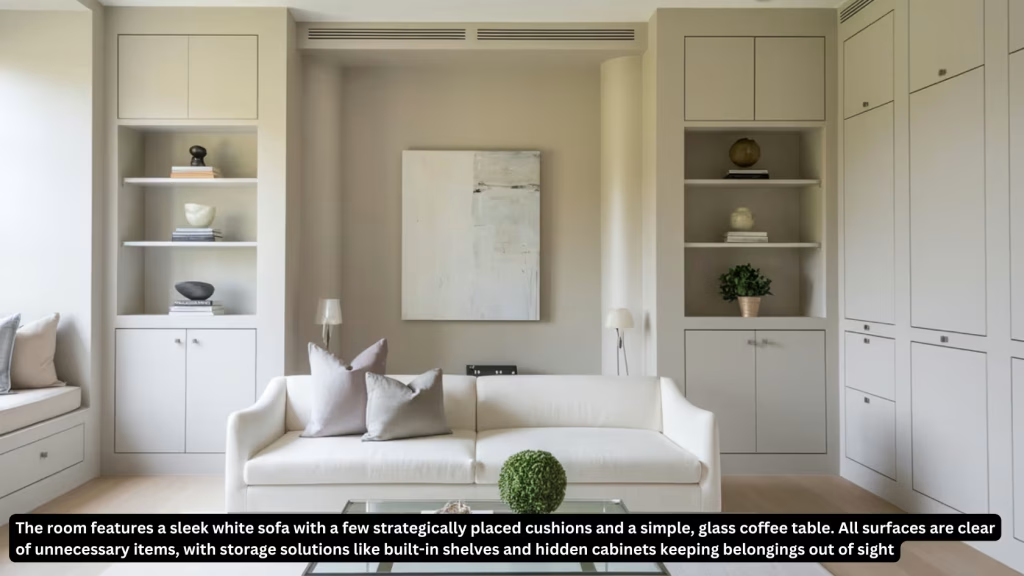
A cluttered room will always feel smaller than a clean and organised one. To make a room feel bigger, keep surfaces clear and put things away when you’re not using them.
We all accumulate stuff over time. But in a small space, every item can make a big difference. Decluttering can create a sense of openness and spaciousness.
Here are some tips to help you declutter and keep your small room feeling fresh and airy:
- Clean regularly: Make it a habit to go through your belongings and get rid of anything you no longer need or use. Donate or sell the items you don’t use, or just toss them out of your home.
- Utilize storage solutions: Smart storage solutions can help you maximize space. Think shelves, baskets, and ottomans with built-in storage.
- Keep surfaces clear: Cluttered surfaces can make a room feel cramped. Keep countertops, tables, and nightstands free of unnecessary items.
- Create designated spaces: Keep everything organized and avoid clutter by assigning specific spaces for your belongings.
- Minimize decorations: When decorating small spaces, less is truly more. Choose a few pieces you love and let them shine.
Remember, decluttering is an ongoing process. Make a conscious effort to keep your space organized to create a more peaceful home.

#8 Choose Patterns That Make A Small Room Look Bigger
Patterns have a unique ability to manipulate the perception of space. To maximize small spaces, opt for designs that enhance the room’s dimensions rather than crowding them.
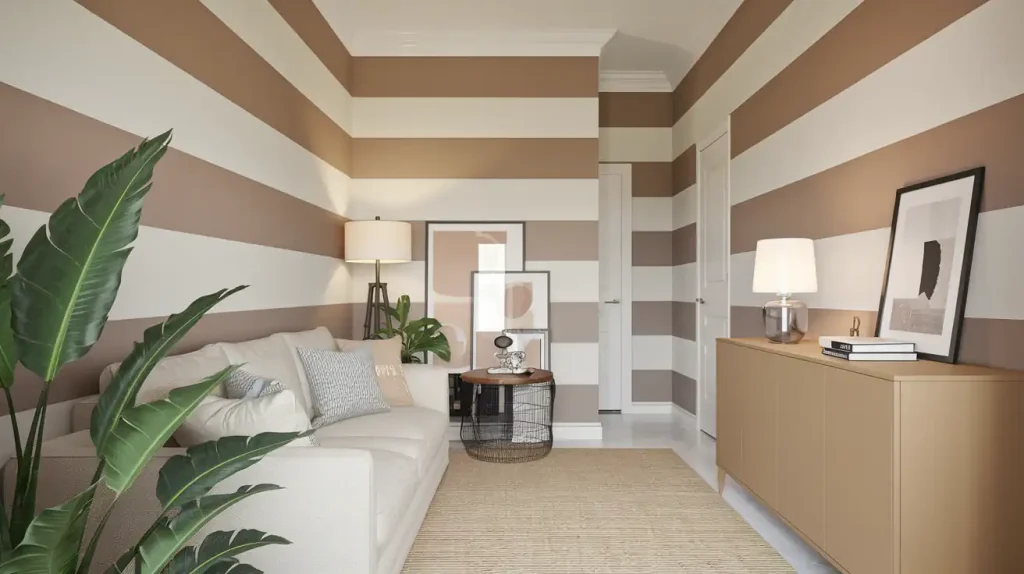
Stripes, for example, are a tried-and-true method for making a room look more expansive. Vertical stripes on walls or curtains elongate the room and create the impression of taller ceilings, while horizontal stripes can widen a room. You can also experiment with geometric patterns in neutral tones, which add depth without overwhelming the space.
Just keep your patterns simple and subtle to enhance the room’s flow while still allowing you to make your small space feel bigger.

Want to get 3D rendering for your interior project?
#9 Use Décor to Create a Focal Point
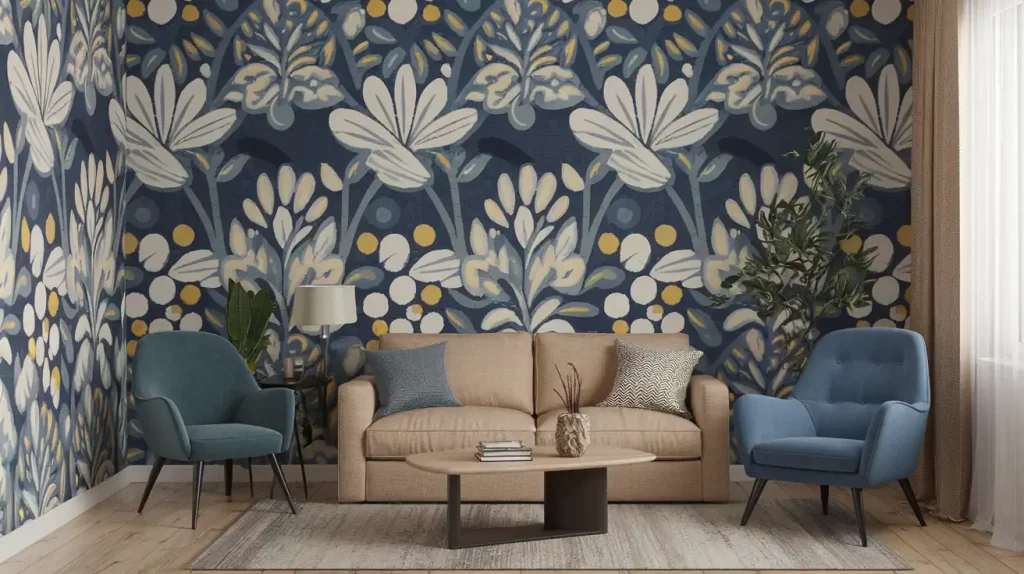
Creating a focal point can help draw attention away from the size of the room. A focal point could be a piece of art, a fireplace, a mirror, or a piece of furniture. In a long, narrow living room, you can make the room feel more cohesive by choosing a favorite color and using it in both areas of the room.
Choose a focal point that is visually interesting and in scale with the size of the room. A piece of art, a fireplace, a mirror, interesting wallpaper or a piece of furniture could all serve as a focal point., avoid oversized focal points.
For example, if the room is divided into a living area and a dining area, you could link the two areas by painting the walls in both areas the same color. You could also try using a rug to gather all the furniture in one area, creating a visual separation between the two areas.

You can have more than one focal point in open spaces. Use light colors on walls and ceilings to help focal points stand out. Light colors, such as white, off-white, or light grey, will reflect light and make the room feel brighter and more spacious.
Consider painting the trim and moldings a lighter color than the walls. This will help to create a sense of contrast and make the room feel larger. In a small kitchen, try using light-colored cabinets if you don’t have enough storage space.
#10 Pay Attention to Traffic Flow
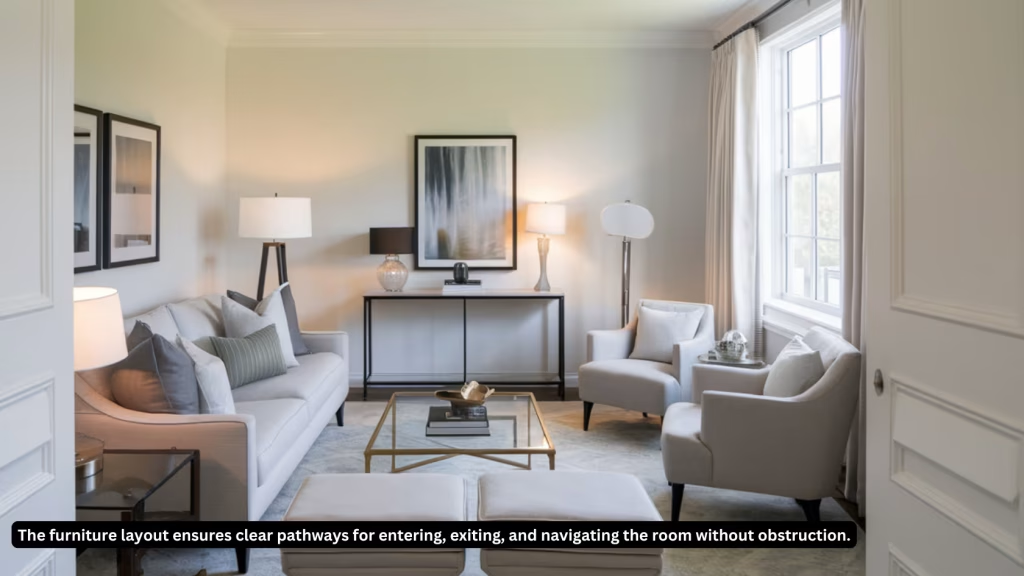
When arranging your furniture, you need to consider the traffic flow in the room. The positioning of the furniture should allow people to easily enter, exit, and move around the space. Take note of the size of the furniture in relation to the space available. Select furniture that is in scale with the size of the room. In a small room, it’s important to choose furniture that is appropriately sized.
Large, bulky furniture will make a small room feel even smaller. If you have a small living room, for example, you might want to choose a loveseat or a small sectional sofa instead of a full-size sofa. For a small dining room, consider using a round table, as this will make it easier to move around. If you have a small dining space in a bay window, a round table will fit in perfectly and take advantage of the natural light.

Use furniture with open arms and exposed legs. This will help to create a sense of visual lightness and prevent the room from feeling too crowded.
Choose a glass coffee table or end table. These pieces won’t block the view as much as solid furniture, which can help to make the room feel more open.
Use multi-functional furniture. A storage ottoman, for example, can serve as a coffee table, a footrest, and a place to store blankets or other items. You could also choose furniture, such as a torso that can function as a nest of tables.