George is a seasoned interior designer and property marketing strategist with over 13 years of experience. He specializes in transforming properties into visually stunning spaces, helping clients recognize the potential and beauty in each property. With an impressive international client base of exciting projects throughout Europe and America.

Xeriscaping is a landscaping method designed to minimize or eliminate the need for irrigation. This method is particularly effective in dry regions where water conservation is essential.
It achieves this by primarily using drought-tolerant plants combined with water-efficient design elements. Originating in Denver as a response to drought conditions, xeriscaping focuses on creating attractive, sustainable gardens that thrive in arid and semi-arid climates by reducing water usage by up to 50%- 75% while maintaining aesthetic appeal.
Benefits of Xeriscaping
Xeriscaping offers numerous advantages. It significantly reduces water usage, often by 50-75%, leading to lower water bills. It’s also low-maintenance, requiring less watering, fertilizing, and pest control. This translates to cost savings on both water and general upkeep. Environmentally, xeriscaping supports local ecosystems by using native plants, benefiting pollinators and improving soil health while reducing the need for chemicals.
Xeriscaping also requires less maintenance compared to traditional landscaping. Drought-tolerant plants grow slower and need minimal fertilization or pest control, which reduces the time and effort required for upkeep. Practices such as mulching and using rocks and ground covers suppress weed growth and minimize the need for frequent mowing and other yard work, further reducing maintenance demands.
The cost savings associated with xeriscaping are substantial. With reduced water and maintenance requirements, homeowners can save significantly on their water bills and landscaping costs. Native plants are often more affordable than their non-native counterparts, and there is no need for extensive irrigation systems, contributing to overall cost efficiency.
Xeriscaping supports local ecosystems by incorporating native plants that provide food and shelter for pollinators like bees and butterflies. This helps maintain biodiversity and enhances soil health through mulching and organic matter, which also prevents erosion. The use of organic gardening methods and reduced pesticide use further benefits the environment.
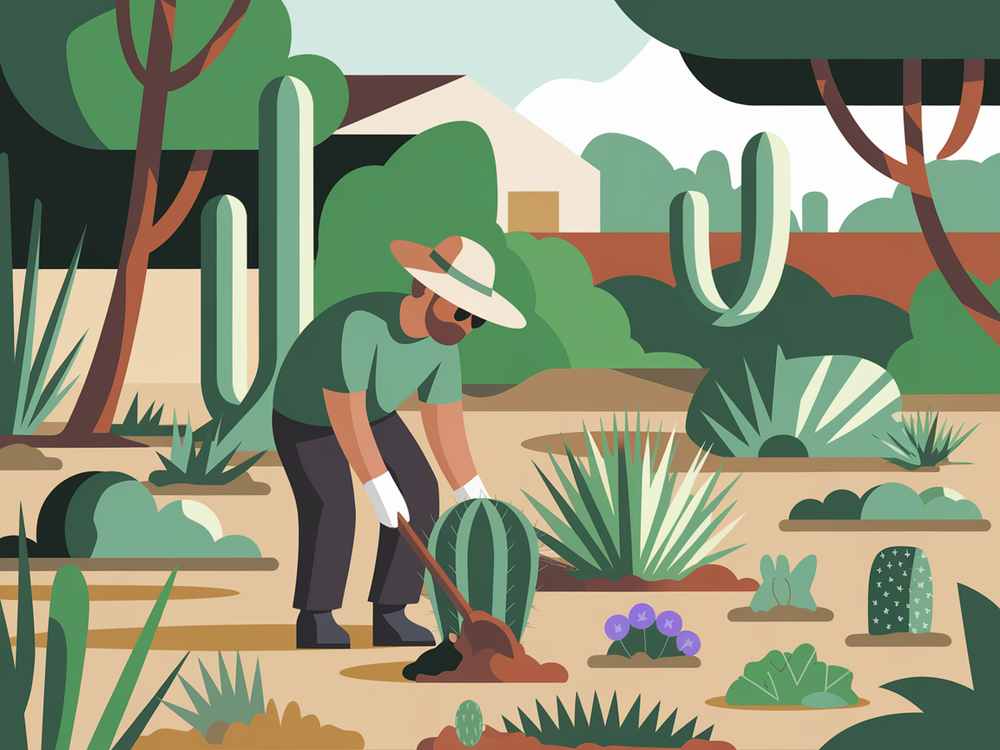
Contrary to common misconceptions, xeriscaped gardens can be visually stunning. With careful planning and design of the outdoor spaces, you can create a diverse landscape featuring various textures, colors, and shapes. Incorporating elements like rock gardens, ornamental grasses, and flowering perennials allows for creative and attractive landscaping that enhances your home’s curb appeal while remaining water-efficient.
Drawbacks and Challenges of Xeriscaping
Transitioning to xeriscaping often requires significant upfront investment. Drought-resistant plants, while water-efficient in the long run, can be more expensive than conventional landscaping options. The costs extend beyond plants to include specialized materials like permeable hardscaping, soil amendments, and efficient irrigation systems.
Initial Costs
Xeriscaping costs vary significantly. While a typical 1,200-square-foot yard professionally installed might average around $17,000 (often ranging from $15,000 to $18,000), expect to pay roughly $5 to $20 per square foot. Factors like yard size, design complexity, plant and material choices, and local labor rates greatly influence the final price. DIY projects can lower costs, while elaborate designs will increase them. It’s crucial to obtain local quotes for accurate estimates.
Many homeowners face sticker shock when obtaining initial quotes, especially if professional design services are needed. However, these costs should be viewed as a long-term investment. Studies show that properly designed xeriscapes can reduce water usage by 50-75%, offering substantial savings on water bills over time.

Design Mistakes
Even with good intentions, xeriscaping projects can fall short due to common design errors:
Overusing gravel and hardscaping creates urban heat islands and lacks visual interest. Effective xeriscapes balance hardscape elements with plant material for both aesthetics and temperature control.
Inadequate irrigation planning is another pitfall. While xeriscapes use less water, they still require strategic irrigation, particularly during establishment phases. Drip irrigation systems must be properly designed and installed to deliver water efficiently to plant root zones.
Poor plant selection and placement can lead to struggling landscapes. Plants must be grouped according to water needs (hydrozoning) and positioned based on sun exposure, mature size, and seasonal interest.
Misconceptions
Perhaps the most persistent challenge is overcoming misconceptions about xeriscaping.
Many people envision barren, rocky landscapes with cacti and little visual appeal. In reality, well-designed xeriscapes can feature diverse, colorful plantings that change through seasons.
Another common misconception is that xeriscaping means “zero maintenance.” While water needs are reduced, these landscapes still require appropriate care, including pruning, weeding, and occasional irrigation.
Education through demonstration gardens, community workshops, and case studies helps correct these misconceptions. Showcasing successful xeriscapes with diverse plant palettes demonstrates that water-wise landscaping can be beautiful, sustainable, and aligned with regional aesthetics.
Is Xeriscaping Expensive?
Initial investment for xeriscaping can be roughly 20 to 50 percent higher than that of installing a traditional lawn, average xeriscaped yard is $15,000. This difference is largely due to the cost of selecting and purchasing specialized, drought-tolerant plants and materials, as well as adjustments to the landscape design to accommodate a low-water approach.
These upfront costs are often offset by significant long-term savings. Xeriscaping can lead to water bill reductions of up to 60 percent and lower ongoing maintenance expenses since these landscapes typically require less frequent mowing, fertilizing, and irrigation. In many cases, homeowners see a break-even point—where the long-term savings outweigh the higher initial investment—within about 7 to 10 years.
Average yard implementing of a design cost around $10,000:
- Sod installation: $1,048 – $2,992
- Sprinkler system installation: $2,400 – $4,200
- Mulching: $43 – $98 per hour or $20 – $45 per cubic yard
- Garden shed installation: $1,767 to $9,567 (optional)
How Xeriscaping helps?
One of the key environmental benefits of xeriscaping is its role in mitigating the urban heat island effect. This effect occurs when urban areas are significantly warmer than their surrounding rural areas due to human activities and the prevalence of heat-absorbing surfaces like asphalt and concrete.
Xeriscaping helps combat this issue by incorporating shade trees and replacing heat-absorbing hardscapes with vegetation. Shade trees can significantly reduce local temperatures, while the inclusion of drought-tolerant plants and less gravel minimizes heat absorption. This creates cooler, more comfortable urban environments.

Another significant environmental impact of xeriscaping is its promotion of biodiversity. By reintroducing native vegetation into urban environments, xeriscaping creates habitats for local wildlife and supports pollinators like bees and butterflies. Native plants are well-adapted to local conditions and provide food and shelter for a variety of species, enhancing the overall ecological health of the area. This biodiversity support is crucial for maintaining balanced ecosystems and contributing to the broader goals of conservation and sustainability.
Integrating indigenous knowledge into xeriscaping practices offers an opportunity to maximize the garden’s potential and even increase the property’s value. Traditional plant uses for medicine, food, and cultural purposes can be incorporated, strengthening connections to local heritage and providing additional benefits to communities. By thoughtfully selecting native species, gardeners can create landscapes that are both sustainable and meaningful. Some xeriscaping plants to consider include drought-resistant herbs and edible perennials that have been traditionally used for their medicinal and nutritional properties. This approach not only conserves water but also fosters a deeper appreciation for indigenous ecological wisdom.
By adopting xeriscaping, Oceanic nations can adapt to climate change while conserving precious water resources. This approach not only increases green spaces and biomass in urban areas but does so in a way that is sustainable and resilient to changing environmental condition
Applications of Xeriscaping
Xeriscaping is widely applicable. In residential yards, it’s used to replace traditional lawns with drought-tolerant options like ornamental grasses and succulents. It’s also used in urban parks and public spaces, reducing irrigation needs while preserving aesthetic appeal.
This landscaping method not only significantly reduces water usage, thereby lowering water bills, but also decreases the maintenance needed as these plants require less mowing and fertilizing.
In urban greenspaces, such as city parks, xeriscaping is similarly applied to reduce irrigation expenses while maintaining an attractive landscape. By integrating native, low-water plants and efficient watering systems, urban parks achieve a balance between aesthetic appeal and environmental sustainability, ultimately providing cost-effective, resilient public spaces.
Xeriscaping’s philosophy is based around using plants that thrive with minimal additional water, efficiently managing soil and water through techniques like mulching and soil amendments, and deploying strategic plant placements for conservation and visual impact. Despite initial setup costs, the long-term savings, along with environmental benefits and resilience to climate change, make xeriscaping a compelling option for sustainable landscaping.
As water scarcity becomes an increasingly pressing issue in many regions, xeriscaping offers a practical and attractive solution for creating sustainable landscapes in both residential and urban contexts. By embracing this approach, communities can conserve valuable resources, reduce maintenance costs, and foster more resilient and environmentally friendly outdoor spaces.
Why Should I Xeriscape My Yard?
Xeriscaping is an excellent choice for anyone facing high water costs or living in an area with water scarcity.
Consider xeriscaping your yard primarily to save water and reduce maintenance. It’s ideal if you live in an area with water restrictions or high water costs, as it significantly lowers your water bill. Xeriscaping also requires less time and effort than traditional lawns, while still offering a visually appealing landscape with a variety of plant choices. If you want to save water, money and time, consider xeriscaping.
How to hire xeriscaping company?
Research local companies that specialize in drought-resistant landscaping and check their online portfolios and customer reviews. It’s important to verify that they hold proper licenses, insurance, and any relevant certifications in xeriscaping. It’s always a good idea to get quotes from multiple businesses to compare pricing, services, and project timelines. A reputable provider of xeriscaping company services should offer tailored solutions that align with your climate and soil conditions.
Request detailed proposals that include both the initial design and ongoing maintenance plans. Ask for references or examples of past projects to ensure their experience aligns with your specific water-saving and low-maintenance goals. Once you have at least two quotes compare them and look at who communicated their services best and with professionalism.
How to design a yard with xeriscaping?
When you hire a xeriscaping company to design your yard from scratch, their initial process will focus on several key steps.
First, they will conduct a thorough Site Analysis and Planning phase. This involves analyzing your yard’s existing conditions, including soil type, sunlight exposure, topography, and drainage patterns. They will then divide your yard into distinct water-use zones based on these factors and your preferences.
A complete Master Plan will be developed, outlining pathways, planting areas, functional spaces (like patios), and the overall aesthetic.
The company will address Soil Preparation, amending the soil with compost and organic matter to improve water retention and create a healthy foundation for plants.
Plant Selection is a critical step, where the company will choose native or drought-tolerant species that thrive in your local climate and are grouped according to their water needs.
For Efficient Irrigation, they will likely recommend and install drip irrigation systems to minimize water waste and deliver water directly to plant roots.
They may also discuss rainwater harvesting options. Mulching will be implemented to conserve soil moisture, regulate temperature, and suppress weed growth.
At the end the design will incorporate Hardscaping elements, such as paver walkways, rock gardens, or other features, to reduce the overall area requiring irrigation and enhance the yard’s functionality and visual appeal.
Before they commence with the work, you should get an estimate for ETA and completion.
How long does it take to design a yard with xeriscaping?
Simple Design (small yard, basic plan): 1-2 weeks
Moderate Design (average yard, some detail): 2-4 weeks
Complex Design (large yard, detailed plan, multiple revisions): 4-8+ weeks
It is best to receive a timeline from the designer.
Xeriscaping a yard involves two distinct phases: design and implementation. The design stage, where plans are created and materials are selected, typically takes 3 to 6 weeks.
Following the design, the implementation phase—which includes removing existing turf, installing irrigation, planting, and adding hardscaping—can take an additional 2 to 3 months. The exact timeline for both phases depends on the project’s size, complexity, and other factors like weather or contractor availability.
- Yard Size and Complexity: A small, simple yard will naturally take less time to design than a large, complex one with multiple zones, slopes, and features.
- Design Detail: A basic conceptual plan will be quicker than a highly detailed plan with specific plant lists, irrigation layouts, and hardscape designs.
- Client Communication and Revisions: The number of revisions and the speed of communication between the client and designer significantly impact the timeline.
- Designer’s Workload: A busy designer or company might have a longer lead time than one with more availability.
- Permits: if any permit is needed.
When is the best time to start xeriscaping?
The best time to start xeriscaping depends on your local climate and the types of plants you’ll be using, but generally, fall or early spring are the most favorable seasons. Here’s why:
- Fall: Planting in the fall allows plants to establish their root systems during the cooler, wetter months before the heat of summer arrives. This gives them a better chance of survival and reduces the need for frequent watering. In areas with mild winters, fall planting is often ideal.
- Early Spring: Planting in early spring, after the last frost but before the summer heat, also gives plants time to establish themselves. However, spring planting may require more initial watering, especially if rainfall is scarce.
- Avoid Summer: The hot, dry summer months are generally the worst time to start xeriscaping, as newly planted vegetation will struggle to survive without significant and frequent watering.
- Avoid extreme winter It is also not recomended during winter.
Do landscaping firms create 3D rendering of xeriscaping projects?
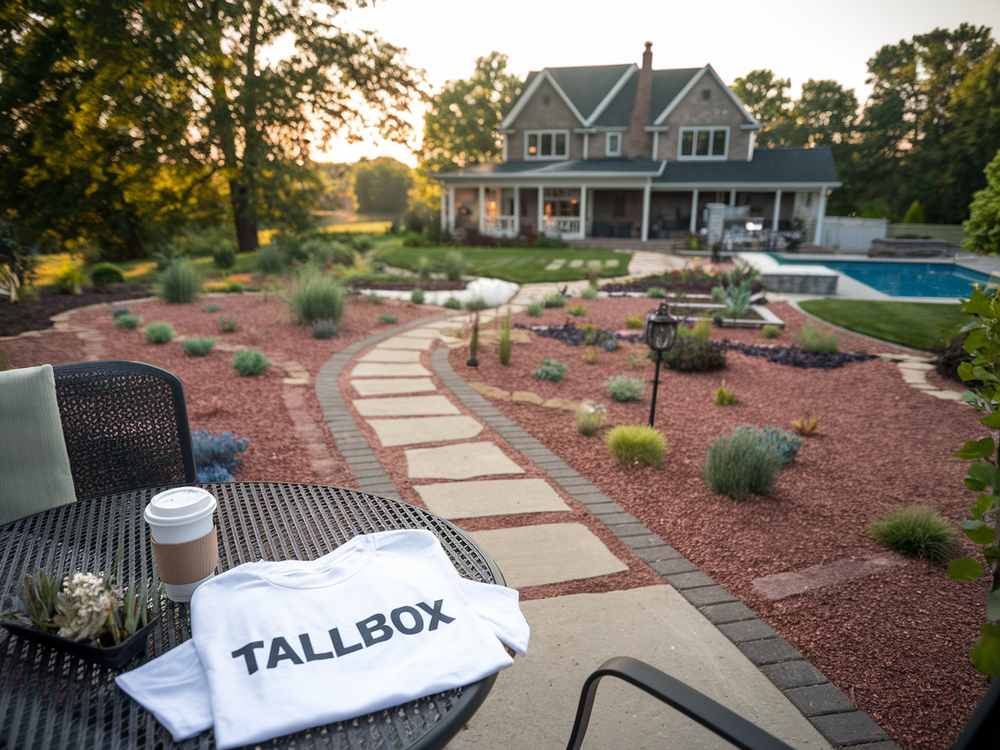
Yes, many landscaping firms, especially those specializing in design-build projects or larger-scale installations, do offer 3D renderings of xeriscaping projects. This is becoming increasingly common and offers several benefits:
- Visualization: 3D renderings allow clients to visualize the finished project much more clearly than a 2D plan can. They can see the plants, hardscaping, and overall layout in a realistic representation.
- Design Refinement: Renderings facilitate better communication and collaboration between the client and the designer. Clients can provide more specific feedback, and designers can easily make adjustments to the design before construction begins.
- Material Selection: 3D models can accurately depict different materials, colors, and textures, helping clients make informed decisions about pavers, rocks, mulch, and plant choices.
- Marketing and Sales: For landscaping companies, 3D renderings are a powerful marketing tool, showcasing their design capabilities and helping potential clients envision the possibilities.
- Cost and Complexity: While not all firms offer 3D rendering (especially smaller companies or those focused solely on installation), it’s increasingly common, particularly for projects with a significant design element. The cost of the rendering may be included in the overall design fee or offered as an add-on service.
In short, while not universally offered, 3D rendering is a valuable tool and a growing trend in the landscaping industry, including xeriscaping projects. It’s worth asking any potential landscaping firm if they provide this service. You can also use TALLBOX’s 3D design services to visualizing your xeriscaping project.