Key Takeaways
- Successful bathroom renovations depend on thoughtful planning and attention to common design and construction issues.
- Common mistakes include cramped layouts, poor ventilation, and weak waterproofing.
- It’s important to choose durable, moisture-resistant materials and to prioritize timeless design over passing trends.
- Planning for accessibility and future needs helps ensure the bathroom remains functional long-term.
Before diving into design ideas, it’s important to understand the most frequent renovation mistakes that can compromise your project’s success. Recognizing and avoiding these issues will help you create a bathroom that not only looks appealing but also performs well in terms of safety, function, and durability. Below are ten high-impact mistakes, ranked by their relevance and frequency in real-world renovation projects.
Table of Contents

George Nicola
George is a seasoned interior designer and property marketing strategist with over 13 years of experience. He specializes in transforming properties into visually stunning spaces, helping clients recognize the potential and beauty in each property. With an impressive international client base of exciting projects throughout Europe and America.
Bathroom Renovation Mistakes - Critical Impact Analysis
Key Takeaways
- Successful bathroom renovations depend on thoughtful planning and attention to common design and construction issues.
- Common mistakes include cramped layouts, poor ventilation, and weak waterproofing.
- Choose durable, moisture-resistant materials and prioritize timeless design over passing trends.
- Plan for accessibility and future needs to ensure the bathroom remains functional long-term.
| Rank | Renovation Mistake | Impact | Description |
|---|---|---|---|
| 1 | Poor Space Planning | 10 | Fundamental to a bathroom's usability. Poor planning reduces comfort and creates layouts where doors hit fixtures or there's insufficient space between elements. Critical in small bathrooms where every inch matters. |
| 2 | Ignoring Ventilation | 9 | Without proper ventilation, constant humidity leads to mold, mildew, and hidden structural damage. Can compromise materials and contribute to respiratory problems over time. |
| 3 | Inadequate Waterproofing | 9 | One of the most damaging oversights. Without proper waterproofing, water seeps behind tiles and surfaces, causing mold, mildew, and rot. Problems often remain hidden until repairs become costly. |
| 4 | Moving Plumbing Unnecessarily | 8 | Relocating plumbing lines—especially drains—can add thousands to the project budget. Particularly costly in shower remodels where floor slope and drainage must be redone. |
| 5 | Prioritizing Style Over Function | 8 | Selecting fixtures only for visual appeal can result in a bathroom that looks good but is inconvenient to use. Consider how the space will be used daily, not just how it photographs. |
| 6 | Choosing the Wrong Materials | 8 | Affects both durability and maintenance. Using non-water-resistant materials leads to swelling, staining, or mold. Materials should be chosen for their moisture resistance and ability to withstand humidity. |
| 7 | Chasing Trends | 7 | Trendy features may look stylish initially but can feel outdated within years. This shortens the visual lifespan of the space and may reduce resale appeal. Use neutral, classic materials for permanent elements. |
| 8 | Lack of Future Planning | 7 | Designing only for current preferences may overlook future needs like mobility limitations or family changes. Include universal design features during initial build to reduce costly modifications later. |
| 9 | Neglecting Storage | 6 | Often overlooked but critical for function and comfort. Without proper planning, you end up with cluttered countertops and limited space for daily essentials. Consider built-in solutions during the design phase. |
| 10 | DIY Shower Tiling | 6 | Often underestimated by DIY renovators. Requires precision to prevent leaks, mold, or structural damage. There's also a safety factor—shower floors need slip-resistant tiles with proper DCOF ratings. |
Data sourced from bathroom renovation expert analysis. Impact ratings on a scale of 1-10, with 10 being most critical.
1. Poor Space Planning
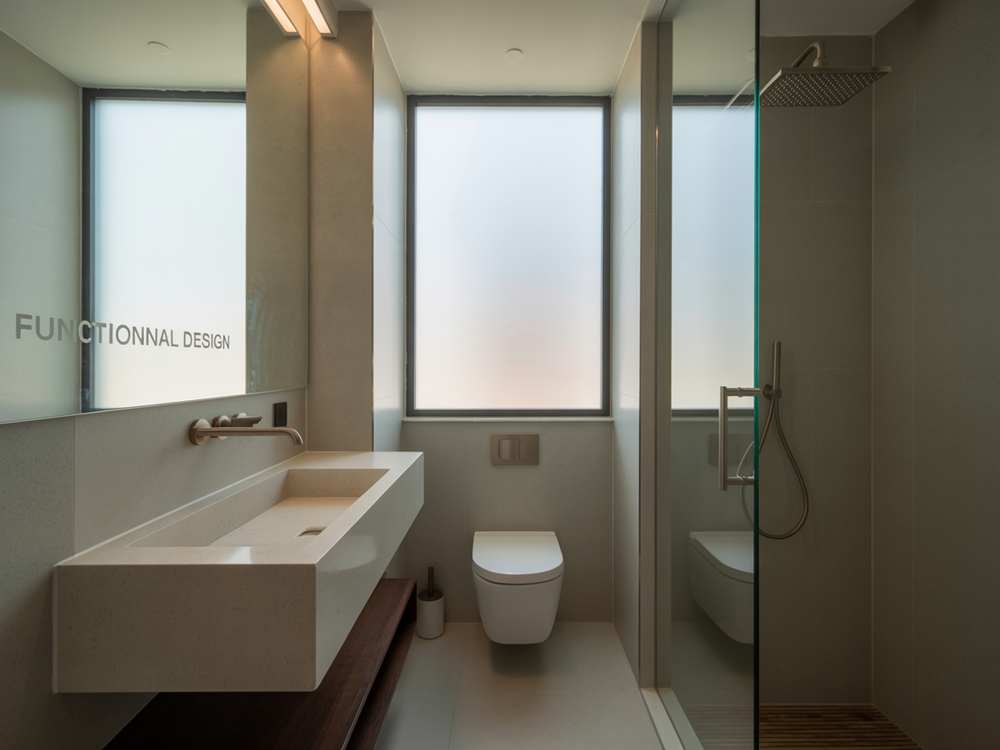
This is fundamental to a bathroom’s usability, rated highest in importance (10/10). Poor planning reduces comfort and usability. For example, it can result in layouts where the bathroom door hits the sink or where there’s not enough space to move between the toilet and shower. This issue is especially critical in small bathrooms where every inch matters. To create a functional bathroom layout, especially in tight spaces, it helps to consult a professional designer who can suggest specific solutions like corner sinks or wall-mounted toilets to save space.
2. Ignoring Ventilation
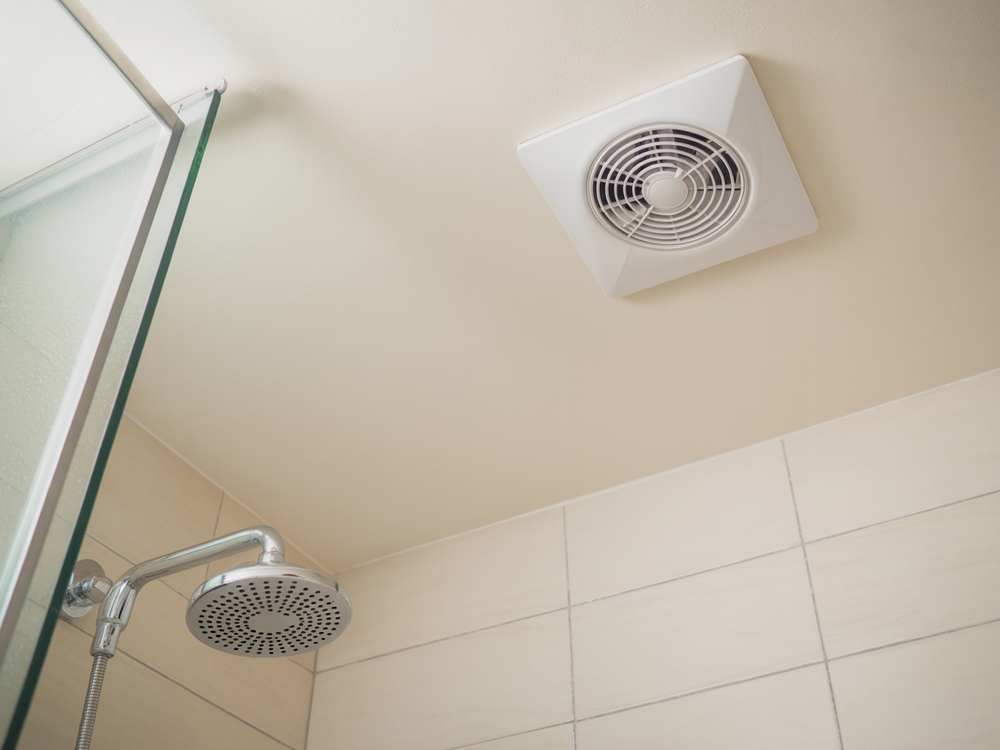
Rated 9/10 in importance, poor ventilation is a major mistake in bathroom design. Without it, the constant steam and humidity from showers and baths can lead to mold, mildew, and even hidden damage to walls or ceilings. Over time, this can compromise structural materials and contribute to respiratory problems. To prevent this, every bathroom should include an exhaust fan sized appropriately for the room. For best results, the fan should be installed near the shower or tub, where most moisture builds up.
3. Inadequate Waterproofing
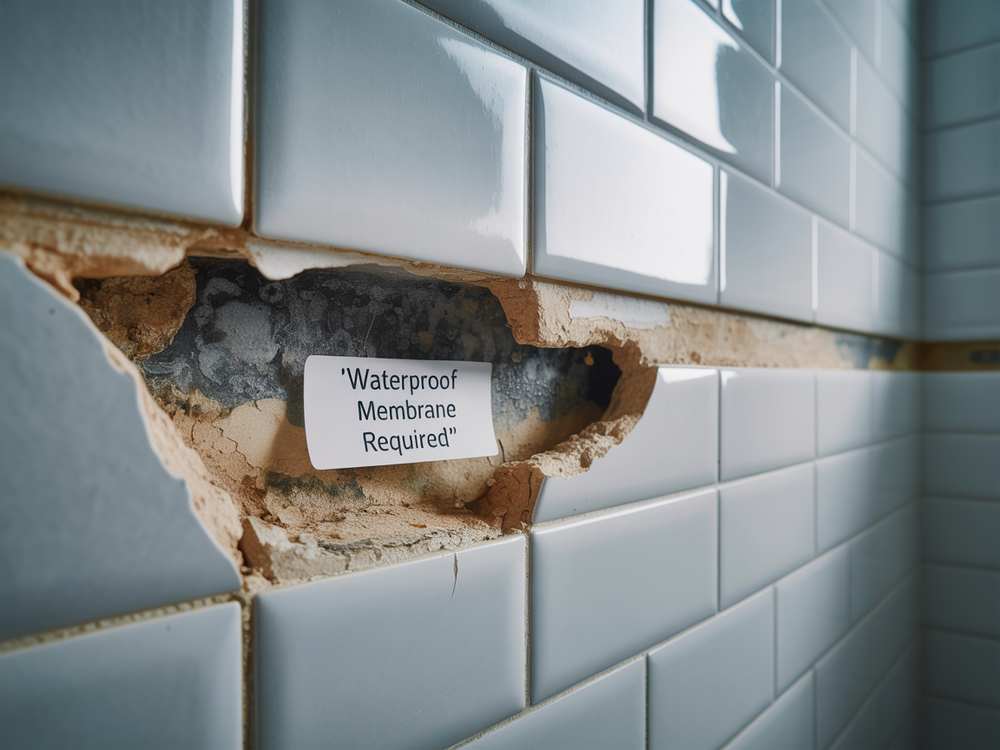
Rated 9/10 in importance, this issue is one of the most damaging if overlooked. Bathrooms face constant exposure to water—from direct splashes in the shower and tub to moisture that condenses on walls and ceilings. Without proper waterproofing, water can seep behind tiles and surfaces, leading to mold, mildew, and rot.
These problems often remain hidden until repairs become costly. Effective waterproofing protects the building structure and prevents hygiene issues. It’s especially important to use high-quality waterproof membranes behind tile surfaces in wet zones like showers and around bathtubs.
4. Moving Plumbing Unnecessarily

Rated 9/10 in importance, this issue is one of the most damaging if overlooked. Bathrooms face constant exposure to water—from direct splashes in the shower and tub to moisture that condenses on walls and ceilings. Without proper waterproofing, water can seep behind tiles and surfaces, leading to mold, mildew, and rot.
These problems often remain hidden until repairs become costly. Effective waterproofing protects the building structure and prevents hygiene issues. It’s especially important to use high-quality waterproof membranes behind tile surfaces in wet zones like showers and around bathtubs.
Beyond water damage, another common concern in homes is glass repair. Whether it’s a cracked window pane, a shattered shower door, or a chipped mirror, damaged glass not only poses a safety hazard but also compromises the aesthetics and insulation of your home. Prompt repair or replacement by professionals ensures structural integrity and restores visual appeal, preventing further damage or injury.
5. Prioritizing Style Over Function

This mistake is rated 8/10 in importance. Selecting a sink, tub, or lighting fixture only for its visual appeal can result in a bathroom that looks good but is inconvenient to use.
For instance, a stylish floating vanity might lack storage, or trendy lighting may not provide enough brightness for tasks like shaving or applying makeup. It’s important to consider how the space will be used every day. Consulting a contractor or designer can help you choose options that balance appearance with functionality.
6. Chasing Trends
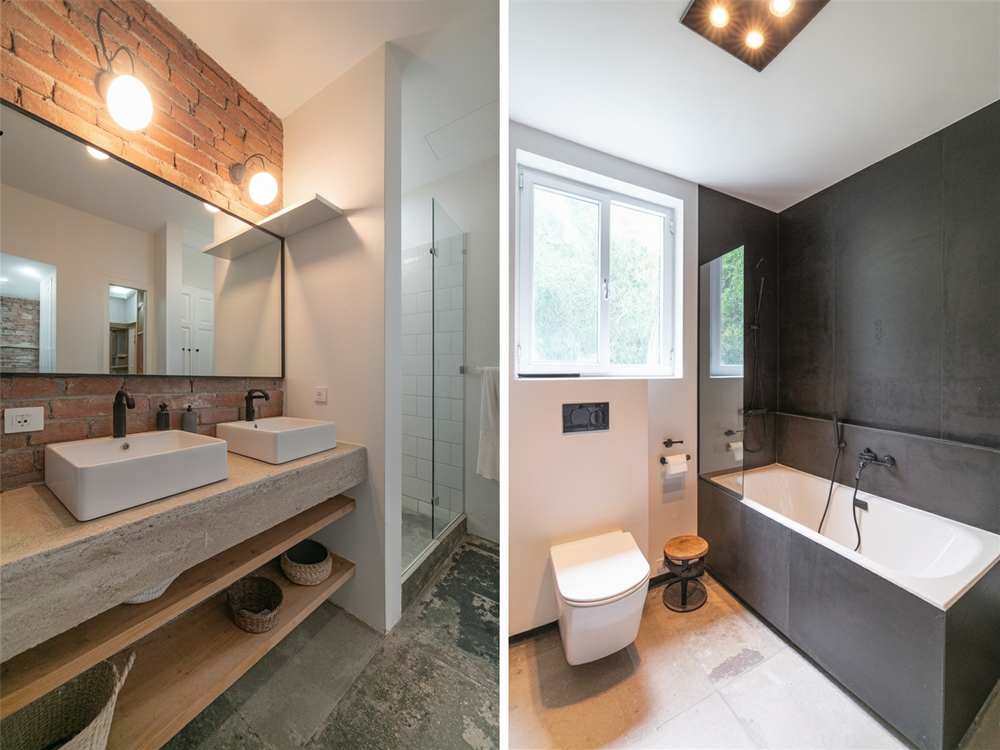
This issue, rated 7/10 in importance, can undermine the lasting appeal of your renovation. Trendy features like bold tile patterns, colored fixtures, or open shelving may look stylish now but can feel outdated within a few years.
This shortens the visual lifespan of the space and may reduce resale appeal. A better approach is to use neutral, classic materials for permanent elements like tile and cabinetry, while reserving bold or trendy choices for items that are easy to update, such as paint or accessories.
7. Neglecting Storage
Storage is often overlooked, but it plays a critical role in both function and comfort—especially in small bathrooms.
Without proper planning, you may end up with cluttered countertops and limited space for daily essentials like toiletries, towels, and cleaning supplies. This impacts both organization and ease of use. To avoid this, consider built-in cabinets, recessed shelving, or vanity drawers during the design phase, rather than trying to squeeze in storage after construction is complete.
8. Choosing the Wrong Materials
Rated 8/10 in importance, this mistake affects both durability and long-term maintenance.
Bathrooms are exposed to constant moisture, so using the wrong materials—such as hardwood flooring, low-grade particleboard vanities, or unsealed stone—can lead to swelling, staining, or mold. While visual appeal matters, materials should be chosen for their water resistance and ability to withstand humidity. Options like porcelain tile, marine-grade plywood, and quartz countertops are better suited for bathroom use and will hold up over time.
9. DIY Shower Tiling
This task is rated 6/10 in importance and is often underestimated by DIY renovators. While tiling a backsplash or floor might be manageable, shower tiling requires much more precision.
Mistakes in installation can compromise waterproofing, leading to leaks, mold, or even structural damage. There’s also a safety factor—shower floors need slip-resistant tiles, measured by a proper DCOF (Dynamic Coefficient of Friction) rating. For these reasons, it’s usually best to leave shower tiling to professionals who understand both the technical and safety requirements.
10. Lack of Future Planning
This mistake, rated 7/10 in importance, can limit the long-term usefulness of your bathroom. Designing only for current preferences may overlook future needs—such as mobility limitations, aging in place, or family changes.
By including universal design features like curbless showers, grab bar reinforcements, and wider doorways during the initial build, you reduce the need for costly modifications later. These additions can be integrated seamlessly into a modern design while making the space more adaptable for years to come.
Conclusion
Every successful bathroom renovation begins with clear priorities: functionality first, durability second, and style that lasts. Avoiding common pitfalls such as poor space planning, weak ventilation, and unnecessary plumbing changes helps control costs and reduces stress during renovation. Choosing the right layout, durable materials, and designs that anticipate future needs improves both the long-term function and appearance of your bathroom.
Before ordering fixtures or starting construction, review your plan with these common mistakes in mind. Make sure there is enough storage, effective ventilation, and a logical traffic flow. Use quality waterproofing and durable finishes to prevent damage and ensure longevity, rather than following short-lived design trends. Consulting experienced professionals like designers and plumbers can help you avoid costly errors and find efficient, practical solutions.
A well-planned bathroom renovation is more than an aesthetic upgrade; it’s a daily improvement in comfort, safety, and long-term value. Keep these principles in focus to create a space that works well today and adapts to future needs.
Action Plan
Ready to move from “what to avoid” to “what’s next”? Once you’ve nailed down proper space planning, ventilation, and waterproofing, you’re perfectly positioned to add a show-stopping feature that elevates both function and relaxation—a luxury steam shower. Because steam units place extra demands on moisture control and layout, the lessons you’ve just learned about ventilation fans, membrane waterproofing, and durable finishes directly set the stage for a successful upgrade. If you’d like to see how those best practices translate into a spa-quality space, explore our guide: What’s Worth It in a Bathroom Remodel?