Ideal Bed Direction in Feng Shui?
The ideal bed direction in feng shui is influenced by several key principles, with the commanding position being the most fundamental consideration. Rather than focusing solely on compass directions, feng shui emphasizes the relationship between your bed and other elements in the room.
The commanding position places your bed diagonally across from the door, allowing you to see the entrance while not being directly in line with it. This arrangement provides a sense of security while sleeping, as you can observe who enters without being in the direct path of incoming energy. Your headboard should be placed against a solid wall for stability and support, representing protection and safety during your vulnerable sleep state.
While the commanding position takes precedence, traditional feng shui does consider compass directions based on your personal energy or “kua number” (calculated from your birth date). Generally speaking:
- South direction is often recommended for promoting fame, recognition, and passion
- East direction can enhance family relationships and health
- Southeast direction may improve wealth and abundance
- North direction is associated with career advancement

George is a seasoned interior designer and property marketing strategist with over 13 years of experience. He specializes in transforming properties into visually stunning spaces, helping clients recognize the potential and beauty in each property. With an impressive international client base of exciting projects throughout Europe and America.
TALLBOX provides information for educational purposes only and does not offer financial advice; users should consult with qualified professionals before making any investment decisions. TALLBOX and George Nicola are not liable for any losses or damages incurred as a result of relying on the information provided.

Modern feng shui practitioners often emphasize that the commanding position and overall room layout are more important than strict adherence to compass directions. If adjusting your bed to face your favorable direction compromises the commanding position or creates awkward room flow, prioritize the commanding position first.
What’s most critical is avoiding inauspicious placements like the “coffin position” (feet pointing directly at the door), placing your bed under ceiling beams, or positioning it where a door might hit it when opened. These considerations take precedence over specific compass directions in creating a restful, supportive sleep environment.
Elements and Materials for Feng Shui Bed Design
In feng shui, appropriate bed elements include wood (growth, stability), earth (grounding), and metal (clarity) materials. Natural fabrics like cotton, linen, and silk promote healthy energy flow. Avoid water elements near beds. Choose headboards with rounded edges rather than sharp corners to create supportive, nurturing energy.
Specific directions align with particular elements and materials:
East/Southeast is a wood element:
- Best with wooden bed frames in medium to light tones
- Cotton and linen in green or blue hues
- Plants in far corners (not directly beside bed)
South is fire element:
- Wooden frames in warm tones (cherry, mahogany)
- Cotton or silk bedding in reds, pinks, or purples
- Triangular or pointed decor elements (minimally used)

Southwest/Northeast is the earth element in feng shui, ceramic, clay, or stone elements are most common.
- Square-shaped furniture with rounded edges
- Earth tones like yellow, brown, and beige
- Natural cotton in warm earth tones
West/Northwest is metal element:
- Metal bed frames or wood painted white/gray
- Round or oval-shaped headboards
- White, gray, or metallic accents
- Crisp cotton or silk in white or metallic hues
The most supportive direction varies by your personal kua number, but the commanding position (seeing door without being in line with it) takes precedence over compass direction. Materials should always complement your bed’s directional placement to enhance harmony and energy flow.

Feng Shui Bed Layout: Creating Commanding Position
The bed is the most important piece of furniture in your bedroom, serving as both your personal sanctuary and the focal point of the room’s energy. A properly positioned bed according to feng shui principles promotes restful sleep, harmonious relationships, and balanced energy throughout your space. Let’s explore how to create the ideal feng shui bed layout that supports your wellbeing.
Commanding Position: The Foundation of Bed Placement
The commanding position is the cornerstone of feng shui bed placement. Your bed should be positioned so that:
- You can see the door while lying in bed without being directly in line with it
- The headboard is placed against a solid, supportive wall
- You have a clear view of anyone entering the room, creating a sense of security
This position symbolizes your ability to see opportunities coming into your life while feeling protected and supported. When your bed is properly placed in the commanding position, you’ll experience improved sleep quality and a greater sense of control in your life.
Embedded Chat
Avoiding Negative Energy Flow
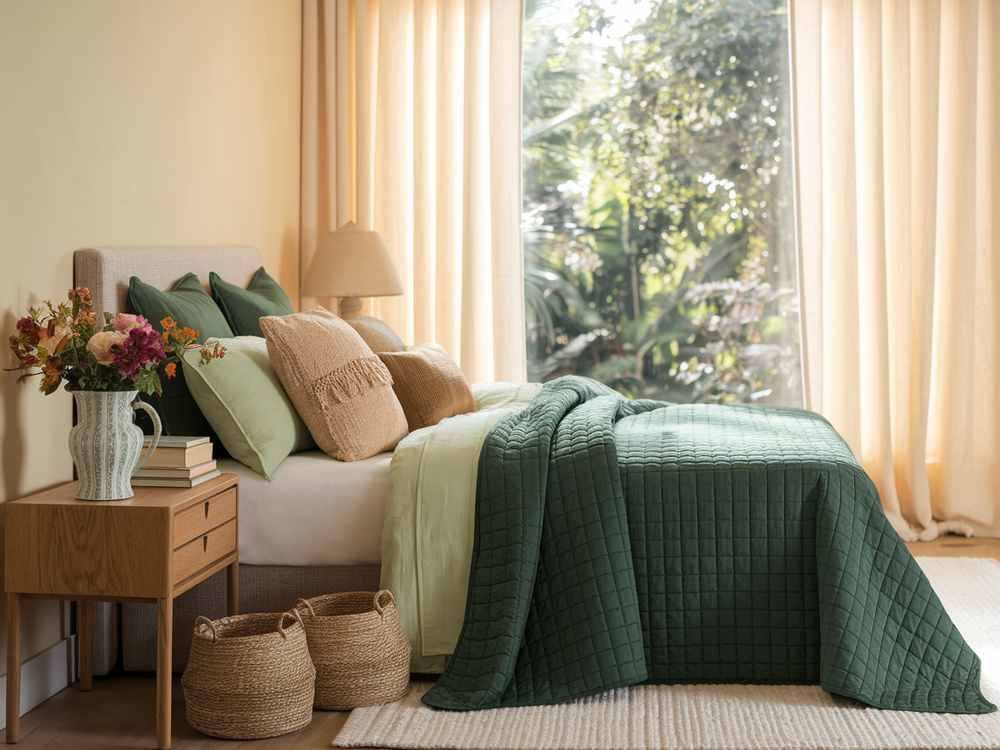
Certain bed positions can create disruptive energy patterns that affect your sleep and wellbeing:
- The “coffin position” places your feet directly pointing at the door, which is considered inauspicious as it resembles how the deceased are carried out
- Ceiling beams directly over the bed create downward pressure and can cause stress, headaches, or relationship strain
- Placing your bed against a bathroom wall allows draining energy to affect your sleep space
- Beds beneath windows lack the solid support needed for restful sleep
If structural constraints make these positions unavoidable, remedies like furniture rearrangement, canopy beds, fabric treatments, or strategic decorative elements can help mitigate negative effects.
Creating Accessibility and Balance
The space around your bed significantly impacts energy flow and relationship dynamics:
- Maintain equal space on both sides of the bed to promote balance between partners
- Ensure clear pathways around the bed for unobstructed movement and energy flow
- Include matching nightstands on both sides for symmetry and harmony
- Position the bed at a comfortable height that allows easy access
This balanced arrangement creates a sense of equality in relationships and provides practical functionality that supports your daily routine.

Elements and Materials in Bed Design
The materials and elements incorporated into your bed design influence the energy of your space:
- Wood bed frames promote growth, vitality, and nourishing energy
- Metal frames bring clarity and precision but may feel too cooling for some
- Upholstered headboards add softness and comfort
- Colors should be chosen based on the direction your bed faces and your personal energy needs
- Bedding materials should feel comfortable and support restful sleep through natural fibers
The ideal bed combines supportive structure with comfortable materials that align with your personal energy needs.
Decluttering and Energy Circulation
The space around and beneath your bed significantly impacts energy flow:
- Keep the area under your bed completely clear if possible, as stored items stagnate energy
- If storage is necessary, limit it to sleep-related items like linens or seasonal clothing
- Remove electronics that disrupt sleep energy
- Maintain clean, dust-free surfaces to allow chi to flow freely
- Regularly change and wash bedding to refresh energy
A clutter-free bed environment promotes unobstructed energy circulation, which supports deeper, more restorative sleep.
Essential Feng Shui Bedroom Principles: Expert Guidance
Master Interior Designer George Nicola reveals his proven strategies for optimizing bedroom energy flow—with insights that challenge conventional design wisdom.

Eliminate Clutter for Energy Balance
Maintaining a clutter-free bedroom is essential for harmonious energy flow,” George emphasizes. “Clutter disrupts both mental clarity and chi circulation, so establish dedicated spaces for cosmetics and personal items, ensuring they return there after use. A floor covered in discarded items creates stagnant energy and diminishes romance. When redesigning your bedroom, prioritize efficient storage solutions that preserve open space.
George specifically cautions against storing items beneath your bed: “The area under your bed should remain completely empty to allow energy to circulate freely. If space limitations necessitate a storage bed, restrict contents to seasonal clothing and linens only—never store emotionally charged items or electronics there.
Maintain Clear Space Above Your Bed
Never position artwork, mirrors, or cabinetry above your sleeping area,” George advises. “These elements disrupt sleep quality and can trigger physical discomfort including headaches and musculoskeletal pain due to their oppressive overhead energy.
Regarding mirrors, George is equally definitive: “Avoid mirrored wardrobe doors in bedrooms whenever possible. If unavoidable, apply frosted film to neutralize their effects. Mirrors reflecting the bed invite third-party energy into intimate spaces and can deplete the life force of anyone whose reflection appears while sleeping.
Create Balanced Nightstand Arrangements
Symmetrical, proportionate nightstands are crucial for bedroom harmony,” George confirms. “Select nightstands that complement your bed scale—overly tall pieces create dominating energy, while undersized tables fail to provide adequate balance. Each nightstand should include a lamp of similar style and size.
Choose nightstands with enclosed storage to maintain surface clarity. Drawers conceal essential items while preserving the clean energy of visible surfaces. This organization facilitates annual energy adjustments that optimal Feng Shui sometimes requires.
Preserve your bedroom as a sanctuary dedicated exclusively to rest and intimacy, the key to an elegant and restful master suite; George concludes. Eliminate books, work materials, electronics, pet accessories, and plants, which introduce conflicting energies. And remember the golden rule: never display photographs of anyone whose presence would make you uncomfortable during intimate moments.