Home staging and interior design directly influence how buyers perceive property value, time on market, and offer confidence. Strategic staging removes subjectivity, clarifies function, and aligns presentation with buyer expectations helping homes sell faster through focused, market-driven adjustments rather than personal decor choices.

George is a seasoned interior designer and property marketing strategist with over 13 years of experience. He specializes in transforming properties into visually stunning spaces, helping clients recognize the potential and beauty in each property. With an impressive international client base of exciting projects throughout Europe and America.
Why Staging Matters: Buyer Psychology and Market Impact?
Home staging and interior design directly influence how buyers perceive a property, how long it remains on the market, and how confidently offers are made. Buyers rarely assess homes solely on price or square footage. Emotional response, visual clarity, and perceived functionality play a decisive role in shaping interest. Well-executed home staging strategies help control those perceptions and position a home more competitively.
For homeowners preparing to sell, staging is not about showcasing personal taste or current design trends. It is about presenting the home in a way that aligns with buyer expectations and local norms. Insight from a local realtor for staging and selling a home can help homeowners understand how presentation choices translate into buyer behaviour.
What is the difference between Decorating Versus Staging?
Decorating reflects personal taste and occupant lifestyle; staging is a market-focused process that removes subjectivity, edits space, and presents the home to help buyers assess function and value confidently.
Decorating and staging processes are often confused, but they serve different purposes in preparing a home for sale:
- Decorating emphasizes personality, while staging prioritizes neutrality
- Decorating fills space, while staging edits it
- Decorating reflects lifestyle, while staging reflects buyer psychology
Effective home staging strategies focus on creating clarity and consistency, helping buyers quickly and confidently interpret the home.
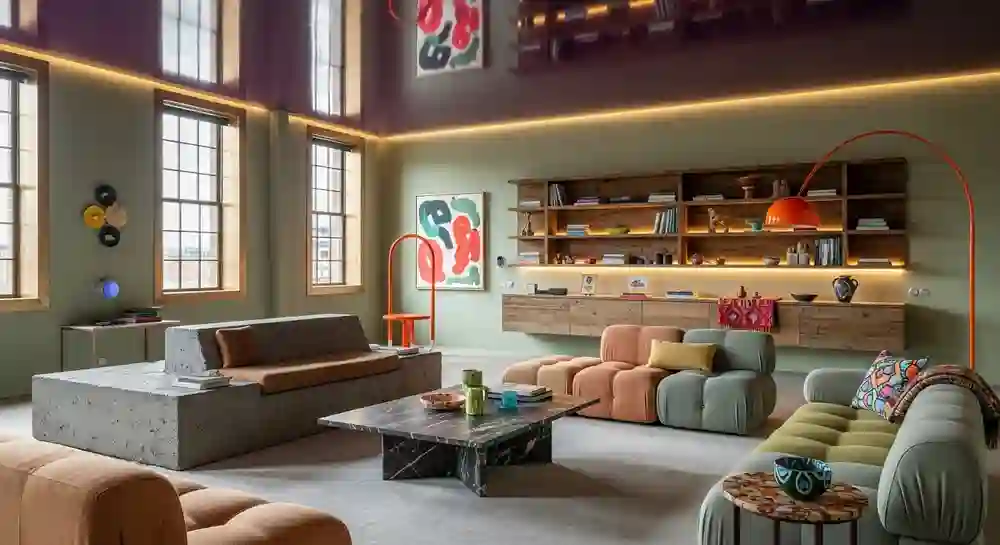
How Interior Design Shapes Buyer Perception?
Interior design choices influence how buyers interpret room size, condition, and overall value. Subtle adjustments in layout, lighting, and colour can dramatically affect how a home is perceived without requiring significant investment.
Market data shows that staging meaningfully influences buyer perception: staging made it easier for a large majority of buyer agents to help their clients visualize a property as a future home. Additionally, nearly half of sellers’ agents reported that staged homes spent less time on the market compared to similar unstaged properties.
Layout And Furniture Placement
Furniture placement determines how buyers understand flow and function. Clear walking paths, appropriately scaled pieces, and purpose-driven arrangements make rooms feel larger and more intuitive.
Effective layout decisions involve:
- Establishing clear walking paths through each room
- Using furniture that is appropriately scaled for the space
- Avoiding blocked windows or doorways
- Clearly defining the purpose of each room
- Removing excess pieces that compress visual space
Thoughtful layout reinforces home staging strategies by making rooms feel larger and more intuitive.
Lighting And Visual Brightness
Lighting strongly influences perceived cleanliness and care. Dim or uneven lighting can make even well-maintained homes feel tired.
Practical lighting improvements include:
- Replacing inconsistent or outdated bulbs
- Maximizing natural light through open window treatments
- Adding lamps to eliminate dark corners
Balanced lighting enhances both listing photos and in-person showings, helping sell homes faster.
Colour Balance And Surface Simplicity
Colour affects emotional response and spatial perception. Neutral tones, consistent palettes, and simplified surfaces reduce distraction and support buyer focus on the space itself.
Effective resale-focused colour choices include:
- Neutral wall tones that reflect light evenly
- Consistent palettes that create visual flow
- Simplified surfaces that reduce distraction
- Minor paint refreshes in high-impact areas
These interior design tips support the buyer’s focus on the space itself rather than the decor
Staging Priority Areas That Influence Buyer Decisions
Not all rooms carry equal weight in buyer decision-making. Specific spaces disproportionately affect the overall impression and should receive priority during staging.
Living Rooms And Shared Spaces
Living rooms anchor the buyer experience and should feel open and adaptable. Conversation-friendly seating, minimal accessories, and neutral textiles create emotional connection.
Recommended staging approaches include:
- Arranging seating to encourage conversation
- Limiting accessories to avoid visual clutter
- Using neutral textiles for warmth
- Maintaining symmetry where possible
These choices support emotional connection and help sell homes faster.
Kitchens And Dining Areas
Kitchens are both functional and emotional focal points for buyers. Clear countertops, organized storage, updated hardware, and purposeful dining spaces signal care and modernity.
Effective kitchen staging includes:
- Clearing countertops of small appliances
- Organizing visible storage areas
- Updating hardware if dated
- Ensuring dining spaces feel purposeful
Bedrooms And Bathrooms
Bedrooms and bathrooms signal comfort, hygiene, and care. Neutral linens, minimal furniture, fresh towels, and removal of personal items reinforce calm and cleanliness two critical buyer priorities.
Staging best practices:
- Neutral bedding and coordinated linens
- Minimal furniture and accessories
- Fresh towels and simple accents
- Removal of personal items
Entryways And First Impressions
The entryway shapes buyer perception before they engage with the rest of the home. Clear sightlines, functional lighting, and clean hardware establish confidence immediately.
Effective entry staging incorporates:
- Clear sightlines and open space
- Functional lighting
- Clean doors and hardware
A strong first impression supports all other home staging strategies.
Balancing Staging Investment And Return
Effective staging allocates effort and resources in proportion to what buyers notice and value most within a specific market segment. Overinvesting in unnecessary upgrades reduces net returns; underinvesting in visible issues prolongs time on market.
The most successful staging decisions focus on high-impact, low-friction improvements that enhance clarity, cleanliness, and flow. When staging choices are guided by expected buyer behaviour, homeowners are better positioned to improve marketability without eroding profitability.
Cost-conscious improvements include:
- Rearranging existing furniture
- Updating light fixtures selectively
- Refreshing paint in visible areas
- Addressing minor repairs that signal neglect
A local realtor can help identify which changes align with neighbourhood expectations, ensuring staging efforts are proportional and effective.
Aligning Presentation With Buyer Expectations
Home staging strategies and interior design tips work best when grounded in buyer psychology and market realities. When presentation is clear and neutral, buyers spend less time questioning condition and more time visualizing ownership. This shift directly impacts interest, showings, and offer confidence.
Beyond aesthetics, staging functions as a form of communication. It signals how a home has been cared for, how efficiently space is used, and how well the property aligns with comparable listings. Sellers who approach staging analytically are better positioned to protect value and reduce time on market.
Working with a local realtor for staging and selling a home helps ensure presentation decisions reflect actual buyer behaviour and local market norms. When staging aligns with demand patterns and pricing realities, homeowners can expect to sell their homes more efficiently.