George is a seasoned interior designer and property marketing strategist with over 13 years of experience. He specializes in transforming properties into visually stunning spaces, helping clients recognize the potential and beauty in each property. With an impressive international client base of exciting projects throughout Europe and America.

A beautifully landscaped outdoor area showing a cozy corner for morning coffee. The scene includes a small bistro table and two chairs surrounded by lush greenery and colorful flowers. A soft throw draped over one chair adds warmth, while a steaming cup of coffee sits invitingly on the table. The sunlight filters through the trees, creating a serene atmosphere.
For this you will need a project and plan to visualize, you can DIY or hire a company. When hiring a landscape design firm or design company, it will cost you for basic services in the range of $1,500 to $2,000, for more complex projects it can go up to $80,000 to $100,000 just for the design project of the yard and 3D renderings. A cost effective solution is to use TALLBOX for a yard / garden design project with 3D renderings, it cost on average is $3200 to $4,300 for 2,000 – $2,500 sq.ft yard.

When planning an outdoor space, several pitfalls can lead to unsatisfactory results or costly mistakes. Here are some key things to watch out for:
- Overlooking Climate and Environmental Factors: For example, placing a pergola in an area prone to strong winds could lead to structural damage. Tip: Thoroughly assess your local climate, including sun exposure, wind patterns, and rainfall. Choose materials and plants that can withstand these conditions.
- Ignoring Scale and Proportion: Purchasing oversized furniture for a small patio can make the space feel cramped and unusable. Tip: Measure your space carefully and use graph paper or 3D modeling software to plan furniture placement before buying.
- Neglecting Functionality: Creating a beautiful garden without considering pathways or maintenance access can lead to trampled plants and difficult upkeep. Tip: Plan walkways and work areas that allow easy access to all parts of your outdoor space.
- Underestimating Maintenance Requirements: Planting high-maintenance species without considering the time and effort required for upkeep can result in an unkempt appearance. Tip: Choose low-maintenance plants and materials that suit your lifestyle and available time for garden care.
- Poor Lighting Planning: Insufficient lighting can make your outdoor space unusable after dark and potentially unsafe. Tip: Include a mix of ambient, task, and accent lighting to ensure functionality and ambiance at night.
- Disregarding Privacy and Noise Concerns: Placing a seating area next to a noisy street without considering sound barriers can lead to an unpleasant experience. Tip: Use landscaping, fences, or water features to create privacy and reduce noise pollution.
- Failing to Consider Drainage: Improper grading or lack of drainage systems can lead to water pooling and potential damage to structures or plants. Tip: Ensure proper slope away from buildings and install adequate drainage systems where needed.
- Overspending on Trendy Items: Investing heavily in current outdoor design fads might lead to a dated look in a few years. Tip: Focus on timeless design elements and incorporate trends in easily changeable accessories.
- Neglecting Local Regulations: Building structures without proper permits can result in fines or forced removal. Tip: Check local building codes and obtain necessary permits before starting any major outdoor projects.
- Poor Plant Placement: Planting trees too close to buildings can lead to foundation damage as they grow. Tip: Research mature sizes of plants and trees, and place them accordingly to avoid future issues.
- Ignoring Wildlife Impact: Using plants that attract unwanted wildlife (like fruit trees near seating areas) can create messy or even dangerous situations. Tip: Consider local wildlife and choose plants that create a balanced ecosystem without inviting pests.
- Overlooking Water Sources: Forgetting to install water access points can make garden maintenance difficult and time-consuming. Tip: Plan for convenient water sources throughout your outdoor space, including irrigation systems if necessary.
By being aware of these potential issues and planning carefully, you can create an outdoor space that is beautiful, functional, and enjoyable for years to come.
The process can feel overwhelming with so many possibilities. But with a little planning and the right tools, you can transform even the smallest spaces into your outdoor oasis. This guide will walk you through every step, from assessing your space to envisioning the final design.
Ready to dive in? Let’s get started!
Measure and analyze your yard or the space you have to work with. Create a detailed sketch or map of the space if you can, or just scribble the areas and their details. Noting dimensions, existing features, and environmental factors. Take note of the sunlight patterns, where the wind blows, and soil conditions, as these will influence your design choices.
Define how you intend to use the space, discuss with your family or partner whether it’s for entertaining, relaxation, or gardening, identify your primary needs and prioritize features accordingly. This focus ensures that your outdoor area will be both functional and enjoyable.
Style Identification: Develop a cohesive style that reflects your personal taste and complements your home’s architecture. Create a mood board to visualize your desired aesthetic, whether it’s modern, rustic, or Mediterranean-inspired.
Layout Planning: Conceptualize your outdoor space in terms of distinct zones, each serving a specific purpose. Ensure a natural flow between these areas for ease of movement and functionality. Consider the proximity of dining areas to the kitchen, for instance, to enhance convenience.
3D Visualization: Utilize 3D modeling software SketchUp, Blender, Home Designer or 3DsMax as we use at TALLBOX to create a detailed visual representation of outdoor spaces. This allows you to experiment with different layouts, furniture arrangements, and plant selections before making any physical changes. It’s an invaluable tool for spotting potential issues and refining your design.
Material and Plant Selection: Choose materials and plants that are not only aesthetically pleasing but also suitable for your local climate and maintenance preferences. Group plants with similar care requirements and layer them to create visual depth and interest.
Lighting and Ambiance: Incorporate a thoughtful lighting plan that combines ambient, task, and accent lighting to create the desired atmosphere. Consider how colors and textures will interact to add depth and visual interest to the space.
Budgeting and Phasing: Develop a realistic budget that accounts for all elements of your design. If necessary, break the project into phases, prioritizing essential elements first. This approach allows for gradual implementation without compromising the overall vision.
Sustainability Considerations: Integrate eco-friendly practices into your design. This might include using sustainable materials, incorporating native plants, or implementing water-saving irrigation systems.
Flexibility in Design: Allow for adaptability in your design. As outdoor spaces are subject to changing seasons and evolving needs, create a layout that can be easily modified or expanded in the future.
1) Assess Your Yard Space
Before you start dreaming about your perfect outdoor setup, it’s crucial to understand the space you’re working with.
Measure and Analyze
Start by measuring your space to determine what’s possible and what might need to be scaled back. Note any existing features, like trees or patios, that could impact your design.
It’s also helpful to sketch out a simple map of your space, marking important features and dimensions. This visual reference can guide your decisions as you plan, ensuring that everything fits together harmoniously.

Consider Your Environment
Think about the environmental factors at play. The climate will impact the kinds of plants you can grow and the materials you should use. Observe how sunlight and wind affect your space, and consider your soil type to guide your plant selections.
2) Define The Purpose of the Outdoor Space
Now that you understand your space, consider how you want to use it.
Identify Your Needs
How do you envision using this outdoor space? Is it for hosting gatherings, creating a peaceful retreat, or growing a garden? Each use will dictate different design elements.

Prioritize Features
Once you’ve determined your needs, the next step is to establish the order of importance. Consider what’s most important to you. For example, is it a cozy fire pit or a lush lawn created through residential artificial grass installation? Prioritizing will help you stay focused and ensure your outdoor space is functional and enjoyable.
3) Design Inspiration from Others
With a clear understanding of your space and how you want to use it, it’s time to dive into the fun part – designing your outdoor oasis not only looks great and functional but adds value to the property as well.

Find Your Style
Your outdoor space should reflect your style. Are you drawn to modern simplicity, rustic charm, or a Mediterranean vibe? Browse design magazines or Pinterest for inspiration and create a mood board to help you identify patterns in what you like.
Sketch or Use Software
Once you have a clear idea of your style, start putting your ideas on paper – or screen. You can sketch by hand or use design tools like SketchUp to create a 3D model. This allows you to experiment with different layouts and see how everything will fit together.
4) Plan the Yard Layout
The layout of your outdoor space is key to making it both functional and beautiful ground cover.
Zones and Flow
Think of your outdoor area in terms of zones, each with a specific purpose. Consider how these zones will connect. Good flow ensures that moving from one area to another feels natural and easy. For example, you might want the dining area close to your kitchen for convenience.

Furniture and Fixtures
Choosing the right outdoor furniture is crucial to making your outdoor space comfortable. Select pieces that fit the scale of your space and consider materials that withstand the elements. Fixtures like lighting and planters also play a big role in your space’s overall look and feel.

5) Plant Selection
Plants bring life, color, and texture to any outdoor area. However, selecting the right plants requires some planning.
Know Your Plants
Make sure to choose plants that thrive in the specific conditions of your environment. Consider your local climate, sunlight, and soil type to guide your selections. Opt for plants that require similar care for easier maintenance.
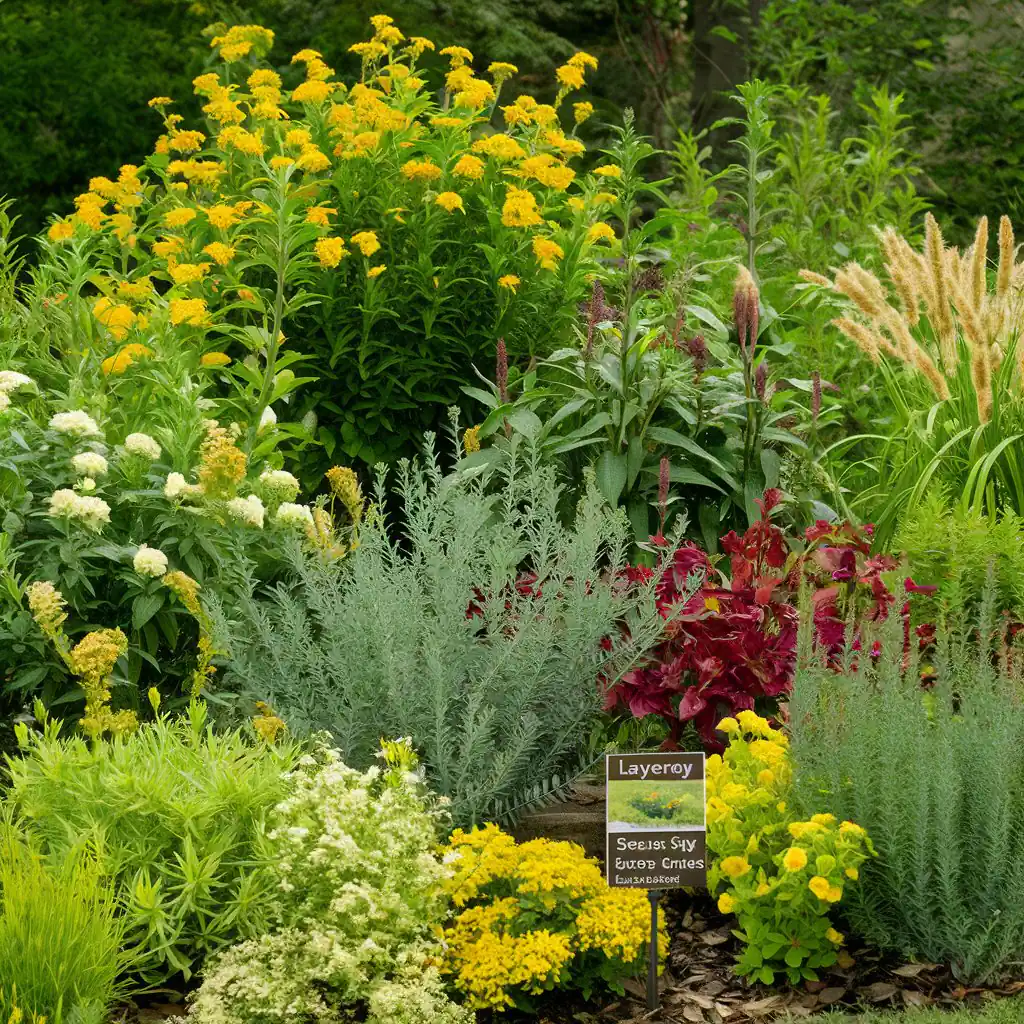
Grouping and Layering
Create visual interest by grouping plants with similar needs and layering them by height. This adds depth and dimension to your garden, making it look lush and full.
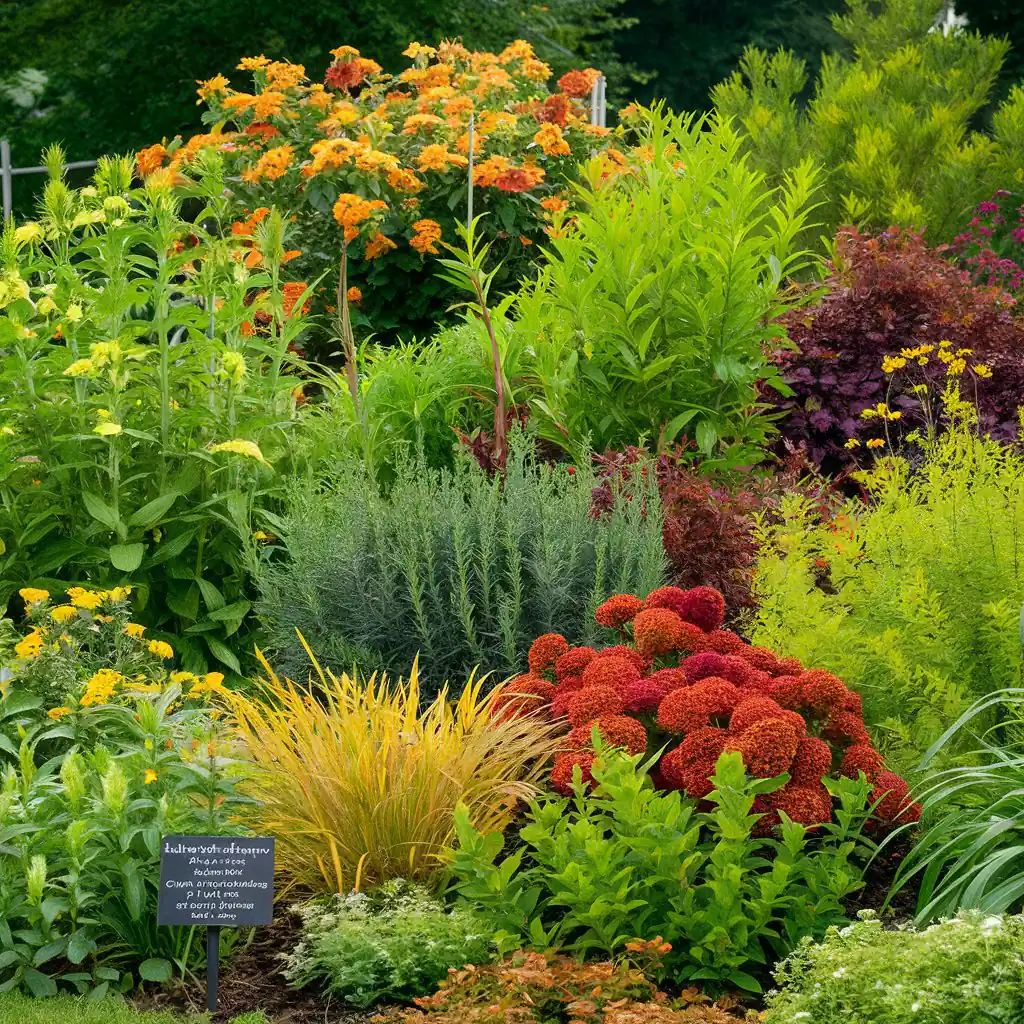
6) Visualization Techniques for Outdoor spaces
Now that you’ve selected your plants and laid furniture, lighting, and colors, it’s time to visualize the entire space and pick the right materials and textures.

Create a 3D Model
Creating a 3D model of your outdoor space allows you to see how all the elements—furniture, plants, pathways – will fit together in real life. It helps you spot potential issues before making permanent changes and refine your design to ensure everything works well together.
Mood and Ambiance
Lighting plays a massive role in setting the tone of your outdoor space. Consider using a mix of ambient, task, and accent lighting to highlight different areas. Remember to consider color and texture. Opt for colors that complement each other and incorporate different textures to create depth and add visual interest.
7) Budget and Phasing
Creating your perfect outdoor space doesn’t have to happen simultaneously; it doesn’t have to break the bank. Set a realistic budget upfront to avoid overspending. List the elements you want to include and research the costs. Prioritize your spending and leave room in your budget for unexpected expenses.
Budgeting for Outdoor Spaces
Set a budget upfront to avoid overspending. List the elements you want to include and research the costs. Prioritize your spending and leave room in your budget for unexpected expenses.
Low-Budget Options
Painting the Front Door: A fresh coat of paint can create a welcoming focal point for as little as $20-$50.
Adding Colorful Annuals and Fresh Mulch: These simple touches can significantly enhance your home’s first impression for $100-$300.
Regular Lawn Mowing and Trimming Shrubs: Maintain a well-manicured appearance for $30-$75 per visit, depending on yard size.
Mid-Range Improvements
Installing a Paver Patio or Walkway: Create a defined outdoor space for $3,000-$6,000, depending on size and materials.
Planting Low-Maintenance Evergreen Shrubs: Year-round greenery can be achieved for $500-$1,000, depending on the number and type of shrubs.
Power Washing Walkways, Patios, and Siding: Cleaning exterior surfaces can cost $200-$500, enhancing your home’s brightness and maintenance.
High-End Enhancements
Designing and Installing a Custom Landscape Plan with Outdoor Lighting: This can range from $10,000 to $30,000 or more, depending on complexity and size.
Building an Outdoor Kitchen or Fireplace: These features can extend your living space and provide entertainment opportunities for $15,000 to $40,000 or more.
Installing a Swimming Pool or Spa: A significant investment, pools or spas can be a major selling point for $30,000 to $100,000 or more, depending on size and type
Hiring a Landscape Design Firm
When hiring a landscape design firm, it’s crucial to, for basic services it will cost $2,000 or under and for more complex projects it can go up to $100,000 just for the project and 3D images. At TALLBOX cost for a yard / garden design with 3D images on average is $3700 for 2,000 sq.ft yard.
- Assess Your Needs and Budget: Determine the scope of your project and a realistic budget that includes both design and installation costs.
- Research and Identify Potential Firms: Look for reputable firms in your area, read customer reviews, and explore their portfolios.
- Request and Compare Quotes: Obtain comprehensive quotes from multiple firms and evaluate their proposals based on expertise, communication style, and alignment with your vision and budget.
By setting a realistic budget and prioritizing your spending, you can create an outdoor space that enhances your home’s value and your living experience without breaking the bank.
The cost of a yard project from a company in the US or any other country can vary significantly depending on the scope of work, materials used, and the firm’s expertise.
Here are some general estimates:
Basic Services: For a budget-friendly refresh, consider basic services like pruning, weeding, mulching, and adding new plants. This can cost under $2,000 if the yard is not out of control.
Typical Yard: For a typical 4,000 sq. ft yard, expect a cost range between $18,000 to $72,000 or more. This estimate considers the average landscaping cost per square foot, which varies based on project complexity and materials used.
Small Yard: For a smaller yard of about 500 sq. ft, the cost can range from $2,250 to $3,750 or more, depending on the scope of work and materials used.
It’s important to obtain quotes from multiple landscape firms to compare their services and pricing before making a decision. Clearly communicate your budget and expectations to ensure you receive the best value for your investment.
8) Your Dream Yard Space Awaits
If you followed the above steps then you’ve planned and visualized an entire garden / yard project; now it’s time to bring your perfect outdoor space to life.
Create an outdoor space that reflects your personality and meets your needs, whether it’s a serene garden escape, a lively entertaining area, or a cozy corner for your morning coffee.
If you lack time, budget or struggle to maintain focus on the project remember that the process doesn’t have to be rushed.
Take it one step at a time, adjust as you go or hire a company as TALLBOX to design your yard space for you, and most importantly, enjoy the journey. Your dream outdoor space is within reach, and with a little effort and creativity, you can create a beautiful, functional, and inviting area that you’ll love for years to come. Now, grab your sketchpad, roll up your sleeves, and turn your vision into reality!